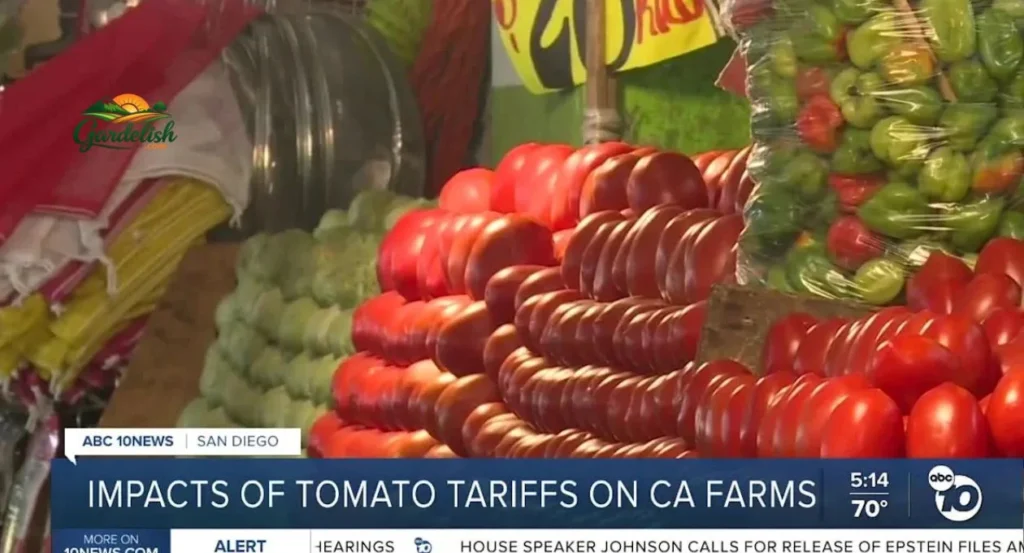
Few things are more frustrating than planning a summer salad and discovering a tomatoes shortage at your local market. Whether caused by extreme weather, supply chain disruptions, or seasonal fluctuations, the scarcity of this beloved fruit reminds gardeners why homegrown tomatoes are so satisfying. Growing your own tomatoes not only guarantees a fresh supply but also allows you to experiment with flavors, textures, and varieties that are often unavailable in stores. By understanding their needs and avoiding common pitfalls, even a beginner can harvest a bountiful crop despite unpredictable conditions.
Understanding Tomatoes and Their Growth
Tomatoes are warm-season plants that thrive under steady sunlight and well-drained soil. Their growth cycles are sensitive to temperature, water, and nutrient availability, making small adjustments essential for a good yield. There are determinate varieties, which produce a set crop and then stop, and indeterminate types, which continue fruiting throughout the season. Choosing the right type for your garden space and climate is the first step toward preventing disappointment when store shelves are empty.
Tomatoes also respond well to consistent care. Many gardeners notice that sudden changes in sunlight or irregular watering can lead to blossom drop or split fruits. Observing your plants daily allows you to catch early signs of stress before it affects your harvest.
Ideal Growing Conditions
Creating the optimal environment is crucial. Tomatoes prefer:
- Temperature: 70–85°F (21–29°C) during the day and not below 50°F (10°C) at night.
- Sunlight: At least 6–8 hours of direct sun daily. Less sunlight reduces flowering and fruiting.
- Airflow: Good spacing prevents fungal diseases and encourages sturdy stems.
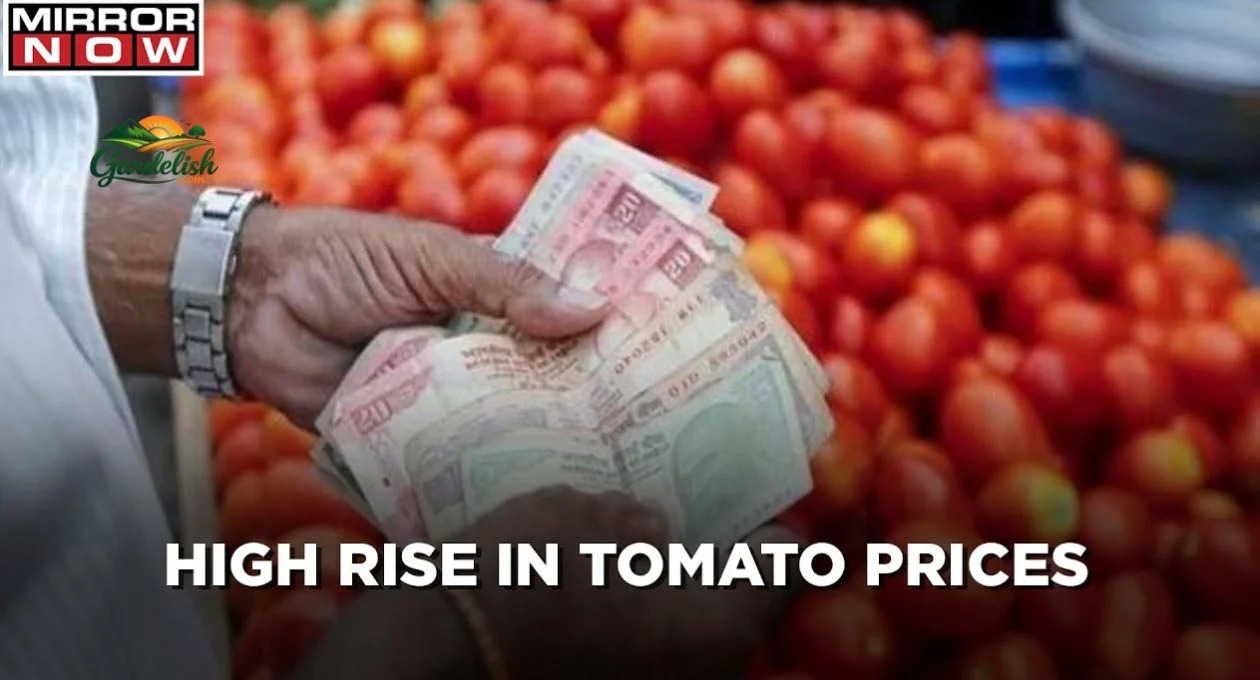
Raised beds or containers can help regulate soil temperature and improve drainage. Many gardeners find container-grown tomatoes easier to manage, especially in urban spaces.
Tomato Growing Conditions Table
| Factor | Ideal Range / Notes |
| Soil pH | 6.0–6.8 |
| Soil Type | Loamy, well-draining, rich in organic matter |
| Watering | 1–2 inches per week, consistent |
| Fertilizer | Balanced NPK (5-10-10) once flowers appear |
| Sunlight | 6–8 hours full sun |
| Spacing | 18–24 inches (determinate), 24–36 inches (indeterminate) |
Soil, Sunlight, and Water Needs
Healthy soil is the foundation for strong tomato plants. Incorporate compost or well-rotted manure to improve nutrient content and structure. Avoid compacted soil, which can stunt root growth. Mulching around the base helps retain moisture and regulate soil temperature while preventing weeds from competing with your plants.
Watering is another critical factor. Many gardeners struggle with overwatering during the early stages, leading to root rot or nutrient leaching. Instead, aim for deep, infrequent watering to encourage robust root systems. Water at the base rather than overhead to reduce the risk of fungal infections.
Sunlight is non-negotiable. Even one or two cloudy days in a row can delay flowering. If you’re growing tomatoes in a partially shaded garden, consider reflective surfaces or moving containers to catch more sun.
Watering Schedule Table
| Growth Stage | Frequency | Notes |
| Seedlings | Every 2–3 days | Keep soil moist but not soggy |
| Early vegetative | 2–3 times per week | Deep watering encourages root growth |
| Flowering & fruiting | 2–4 times per week | Maintain even moisture to prevent blossom drop |
| Hot, dry spells | Daily if needed | Mulch helps reduce evaporation |
Planting Tips for Better Growth
- Start indoors in cooler climates 6–8 weeks before the last frost.
- Harden off seedlings by gradually exposing them to outdoor conditions for 5–7 days.
- Plant deeply—tomatoes can develop roots along buried stems, strengthening the plant.
- Stake or cage early to support growth and prevent fruit from touching the ground.
Spacing and pruning also make a difference. Indeterminate varieties benefit from side-shoot removal to focus energy on main stems, while determinate types generally need less pruning. Fertilize once flowers appear, avoiding excessive nitrogen that encourages leafy growth at the expense of fruit.
Common Problems and Simple Fixes
Tomatoes are susceptible to pests and diseases. Recognizing early signs allows quick interventions.
| Problem | Signs | Easy Fix |
| Blossom End Rot | Black, sunken spots on bottom | Ensure consistent calcium, avoid overwatering |
| Aphids / Whiteflies | Sticky leaves, small insects | Spray with soapy water, introduce ladybugs |
| Powdery Mildew | White powder on leaves | Improve airflow, remove affected leaves |
| Cracking / Splitting | Split skin on ripe fruit | Maintain consistent watering |
| Yellowing Leaves | Nutrient deficiency or overwatering | Test soil, adjust fertilizer and watering |
Seasonal Care and Maintenance
Tomatoes require ongoing attention throughout the season. Early spring planting sets the stage, but summer brings the challenge of heat stress and pests. Regularly check stems and leaves for signs of nutrient deficiency or fungal infections. Mulching, shading during extreme heat, and timely watering can prevent many common issues.
As the season progresses, removing lower leaves prevents disease spread. For container-grown plants, replenishing nutrients every 3–4 weeks keeps the plants productive. Many gardeners swear by organic foliar sprays to boost growth and deter pests naturally.
Seasonal Care Table
| Season | Actions |
| Spring | Start seeds indoors, prepare beds/containers |
| Early Summer | Transplant seedlings, stake/cage, fertilize lightly |
| Mid-Summer | Mulch, prune, check for pests/disease |
| Late Summer | Maintain watering, support fruit-heavy branches |
| Fall | Harvest remaining fruits, remove old plants |
Harvesting Tips
Timing is everything. Pick fruits when fully colored but still firm. Harvesting in the morning preserves flavor and texture. Frequent picking encourages continuous production in indeterminate varieties. For storage, keep tomatoes at room temperature; refrigeration diminishes taste.
One tip many gardeners overlook is allowing a few fruits to ripen on the vine even after the main harvest. These often have the most concentrated flavor and can be used for sauces or preserves.
Mistakes Beginners Often Make
- Overwatering or inconsistent watering leading to blossom drop or cracking
- Planting too early in cold soil, which slows growth
- Ignoring soil quality, relying solely on fertilizers
- Crowding plants, which reduces airflow and invites disease
- Forgetting to stake or cage, causing sprawling and fruit loss
Avoiding these missteps early sets you up for a consistent, rewarding harvest, even in seasons when tomatoes are scarce at the market.
Expert Gardening Advice
Experienced gardeners recommend a few extra practices to maximize yield:
- Rotate crops each season to reduce soil-borne diseases.
- Interplant with basil or marigolds to deter pests naturally.
- Keep a garden journal to note successes and failures—temperature, watering, and harvest dates can guide improvements.
- Use row covers early in the season to protect against frost or pests.
These small adjustments often make the difference between a handful of fruits and overflowing baskets.
FAQ: Tomato Growing Tips
How often should I water tomato plants?
Water deeply 1–2 times per week, adjusting for rainfall. During heatwaves, daily watering may be necessary. Always aim for even moisture to prevent blossom end rot or cracking.
Can I grow tomatoes in containers?
Yes. Choose large pots (5–10 gallons) with good drainage. Use high-quality potting mix and fertilize regularly. Containers allow mobility to optimize sunlight exposure.
When is the best time to plant tomatoes?
Transplant seedlings outdoors after the last frost date, once soil temperature reaches at least 60°F (16°C). Starting seeds indoors 6–8 weeks prior gives plants a head start.
How do I prevent pests naturally?
Introduce beneficial insects like ladybugs, use neem oil sprays, and interplant with pest-repelling plants such as basil or marigolds. Avoid chemical pesticides if possible to maintain soil and fruit health.
Conclusion
Growing your own tomatoes is the surest way to beat shortages at the store while enjoying fresh, flavorful fruit. Prioritizing soil quality, consistent watering, and adequate sunlight sets the stage for a thriving garden. Avoid common mistakes like overcrowding, overwatering, or neglecting support structures. The biggest tip is to observe your plants closely—small daily adjustments in care can result in significantly larger harvests. With attention, patience, and a little experimentation, even beginners can cultivate a rewarding crop that keeps kitchens stocked all season long.
Cauliflower Shortage: 7 Practical Tips to Grow Your Own