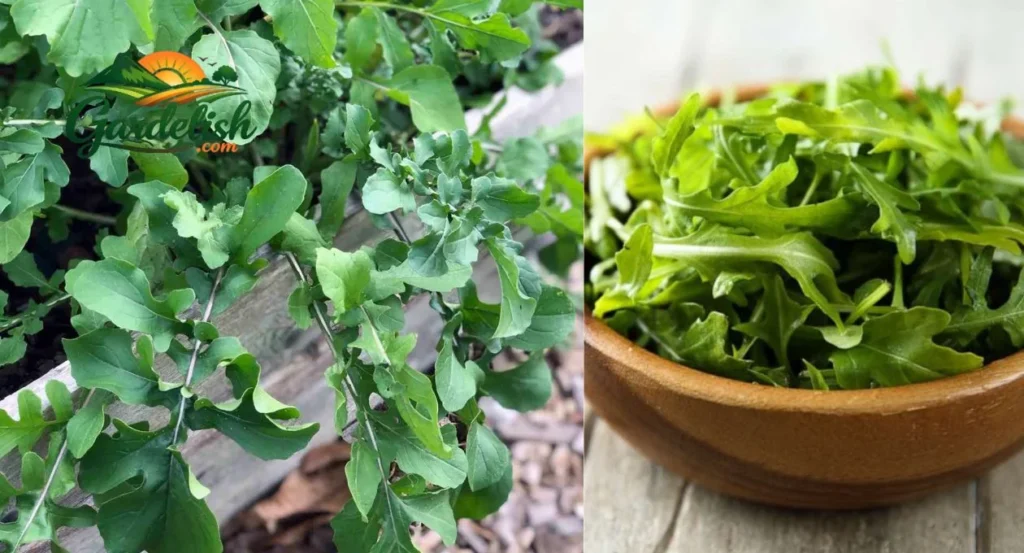
The world of gardening is full of unexpected surprises, and one of the most talked-about issues lately is the arugula shortage. Whether you’re a seasoned gardener or a newbie eager to grow your own greens, this shortage is something you might be facing this year, especially if you live in areas heavily dependent on this leafy green for salads, garnishes, and more.
Arugula, known for its peppery taste and rich nutrient profile, is a popular addition to any garden. But with recent supply issues, you might find yourself questioning whether it’s the right time to plant it in your own backyard. This article dives into the reasons behind the arugula shortage, what it means for gardeners in 2023 and 2024, and how you can still grow this beloved plant even when it’s in short supply.
Understanding the Arugula Shortage
Arugula, or Eruca sativa, is a cool-weather green that thrives in spring and fall. Known for its distinct flavor, it’s not only popular in salads but also in sandwiches and pizzas. However, in recent times, many gardeners and consumers alike have noticed a shortage of this leafy green in local markets and grocery stores.
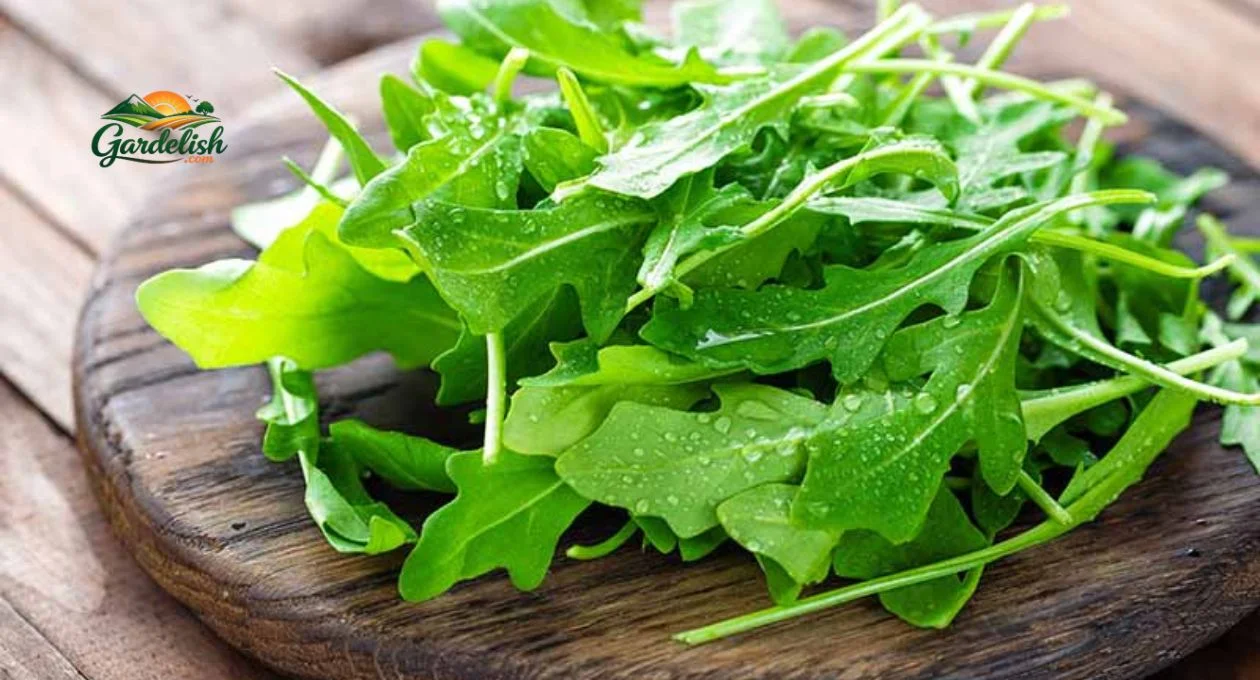
Is there an arugula shortage in 2023? The answer is yes, but it’s a bit more complicated than just a simple crop failure. The shortage stems from several factors, including climate challenges, fluctuating demand, and supply chain disruptions. Weather events like heavy rainfall, frost, or extreme heat can severely affect crop yields, and arugula is no exception.
But the story doesn’t stop in 2023. As we approach 2024, experts predict that similar challenges might persist. So, if you’re wondering whether the arugula shortage will continue into 2024, it’s worth staying updated on climate patterns and gardening trends that might impact arugula availability.
Ideal Growing Conditions for Arugula
While the shortage may affect store shelves, it doesn’t mean you can’t grow arugula in your own garden. In fact, arugula is one of the easiest greens to grow, making it an excellent choice for both novice and experienced gardeners.
Soil and Sunlight Needs
Arugula prefers slightly acidic, well-drained soil. Aim for a soil pH of 6.0 to 6.8. If you’re unsure about your soil’s pH, a simple soil test can be a game-changer. Arugula grows best in full sun but can tolerate partial shade, which makes it ideal for smaller gardens or those with limited sunlight.
Watering Needs
Arugula requires consistent moisture, especially during the germination phase. However, be mindful of overwatering. Many gardeners struggle with overwatering early on, which can lead to root rot. A good rule of thumb is to keep the soil moist, but not soggy.
Planting Tips for Better Growth
One of the best things about arugula is how quickly it grows. You can start sowing seeds directly in the garden once the soil temperature reaches about 40°F (4°C). Arugula grows rapidly, typically maturing in about 30 to 40 days, which means you can enjoy fresh greens throughout the growing season.
Here are a few tips for better growth:
- Spacing: Plant seeds about 1/4 inch deep and 1 inch apart. Thin seedlings once they emerge, leaving about 3 to 4 inches of space between each plant.
- Succession Planting: For a continuous harvest, sow seeds every 2 to 3 weeks.
- Temperature Management: If you live in a warmer climate, consider growing arugula in the cooler months or provide some afternoon shade during the summer.
Common Problems and Simple Fixes
Arugula is generally a hardy plant, but like any garden favorite, it’s not immune to pests or environmental stress. Here are some of the most common issues you might face and how to fix them:
| Problem | Solution |
| Pests (aphids, flea beetles) | Use insecticidal soap or introduce natural predators like ladybugs. |
| Bolting (going to seed prematurely) | This happens when temperatures rise. Keep plants cool with shade or consider planting in early spring or fall. |
| Yellowing leaves | This could be due to nutrient deficiencies. Consider adding a balanced fertilizer high in nitrogen. |
| Overwatering | Ensure good drainage and reduce watering frequency. Mulch can help retain moisture without excess water. |
Seasonal Care and Maintenance
Arugula is a cool-weather crop, so if you’re planting in spring or fall, you’re in luck. However, in the hotter summer months, you may need to take extra care to protect your plants from bolting and drying out. Regularly check for pests and trim off any damaged or yellowing leaves to encourage healthy growth.
During colder months, cover your arugula with frost cloths to extend the growing season, or grow it in containers indoors near a sunny window.
Harvesting Arugula
One of the most satisfying things about growing arugula is how quickly you can harvest it. Typically, you can start picking leaves as early as 30 days after planting. For the best taste, pick the leaves while they are young and tender. Older leaves tend to get bitter, especially if they’re left to bolt.
To harvest:
- Cut leaves: Use scissors or garden shears to snip the outer leaves, leaving the center of the plant intact so it continues to grow.
- Cut and come again: For continuous harvesting, trim the leaves regularly, leaving about 2 inches of growth at the base to allow for regrowth.
Mistakes Beginners Often Make
Growing arugula can seem simple, but there are a few common mistakes beginners often make. Here are some things to watch out for:
- Not enough water: Arugula loves moisture, so if you let the soil dry out too much, it will stunt its growth.
- Too much fertilizer: While arugula is a hungry plant, over-fertilizing can lead to leggy growth and fewer leaves.
- Ignoring spacing: Arugula needs space to spread its roots. Don’t crowd your plants too closely.
Expert Gardening Advice
If you’re new to arugula gardening, one of the best pieces of advice I can offer is to start small and keep things simple. The more you learn about the plant and its needs, the easier it will become to care for. Don’t be discouraged by small mistakes—they’re part of the learning process. Arugula is quite forgiving, so even if you make a misstep, chances are it will still thrive.
Pro tip: If you want a boost in flavor, try growing arugula in containers. This gives you more control over the environment, which can be especially helpful during periods of extreme weather that may contribute to the shortage.
FAQ
How can I prevent the arugula shortage from affecting my garden?
By growing your own, you won’t have to worry about shortages at the store. Arugula grows quickly and is relatively easy to maintain, so even if it’s hard to find in stores, you can enjoy it fresh from your garden.
Can I grow arugula indoors?
Yes, arugula can be grown indoors, especially if you have a sunny spot near a window. It’s perfect for indoor gardening and can even be grown in containers or small raised beds.
Is there a better time to plant arugula to avoid shortages?
Planting in early spring or fall is ideal. These cooler seasons are when arugula thrives, and it’s less likely to face the heat stress that leads to bolting or a lower supply in stores.
What are the health benefits of arugula?
Arugula is packed with vitamins A, C, and K, along with antioxidants and fiber. It supports bone health, boosts immunity, and provides a refreshing peppery bite to your meals.
Conclusion
While the arugula shortage may pose challenges for consumers and gardeners alike, it’s important to remember that growing your own arugula is a simple and rewarding solution. By understanding the ideal growing conditions, seasonal care, and common mistakes to avoid, you’ll have fresh, peppery greens throughout the year—without relying on store shelves. Happy gardening!
Mullein look alikes: 7 Easy Ways to Tell the Difference Before You Harvest