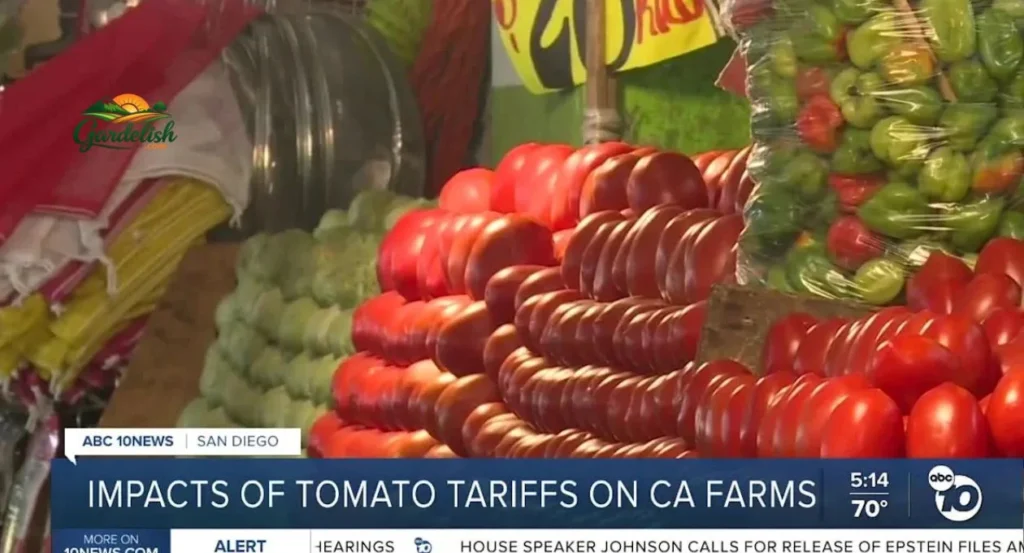
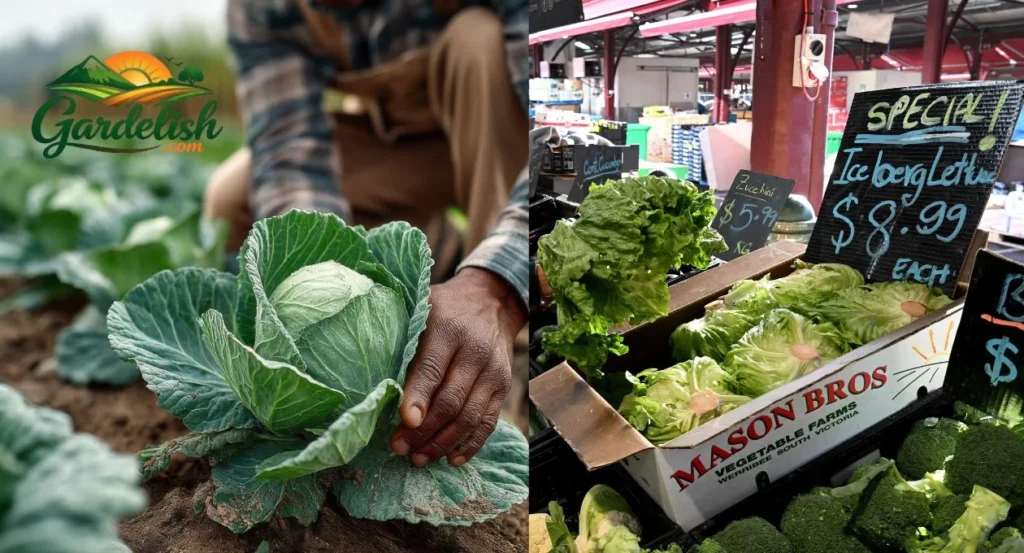
Is There a Cabbage Shortage If you’ve noticed fewer cabbages on the grocery store shelves recently, you’re not alone. A growing concern among gardeners and consumers alike is whether a cabbage shortage is affecting supply. Cabbage is a staple in many kitchens, from salads to stir-fries, and any dip in availability can leave people wondering if they can grow their own or if the shortage will last. In this article, we’ll dive into the factors that contribute to a cabbage shortage, how to adapt your gardening practices, and what you can do to grow this versatile crop at home.
Understanding the Cabbage Plant
Cabbage, scientifically known as Brassica oleracea, is a leafy vegetable from the cruciferous family. It’s beloved for its crunchy texture and slightly peppery flavor. Typically, it’s grown as a cool-season crop, thriving in spring and fall. Cabbage is resilient and relatively easy to grow for beginner gardeners, making it an ideal choice for those looking to add fresh produce to their home gardens.
However, cabbage doesn’t grow in a vacuum. There are a variety of factors that influence the availability of this crop in stores, from weather patterns to agricultural practices, and yes, even global supply chains. While it’s certainly possible to experience a shortage, understanding how cabbage grows can help you prepare for unexpected fluctuations in supply.
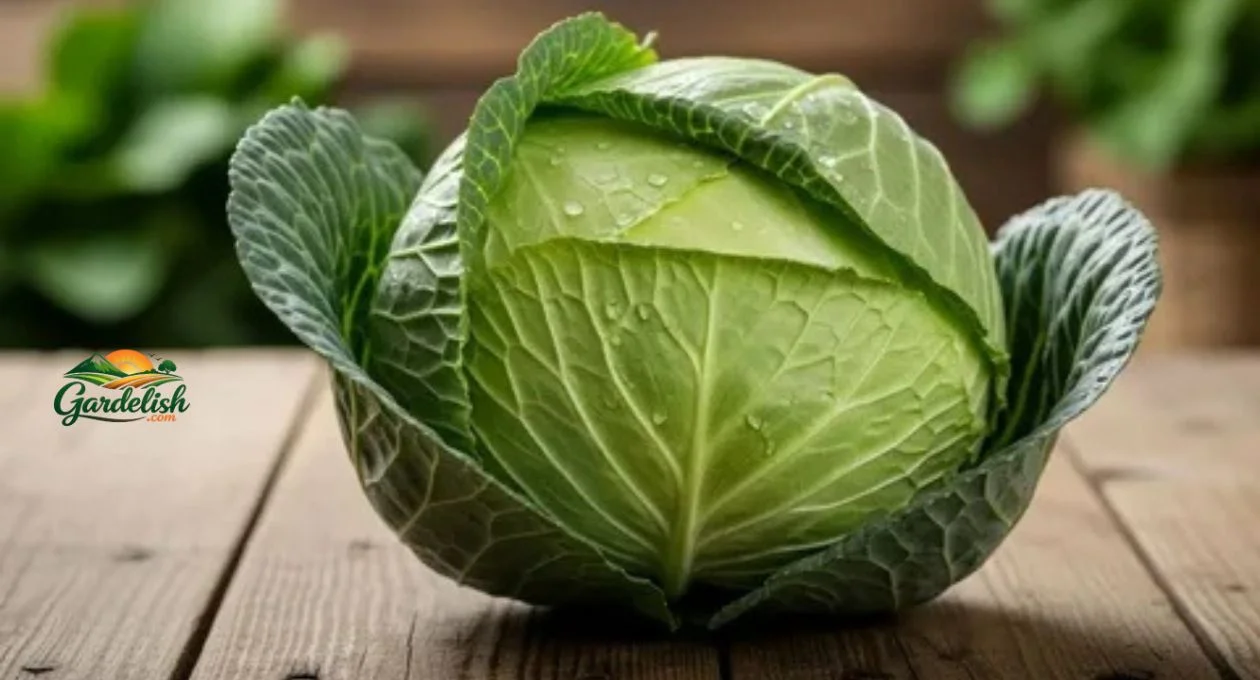
Ideal Growing Conditions
Cabbage thrives in temperate climates, meaning that they prefer cooler weather, typically between 55°F to 75°F (13°C to 24°C). If you’re growing cabbage in warmer climates, the heat can cause the plant to bolt (flower prematurely) or become more susceptible to pests and disease.
Key factors to consider when growing cabbage include:
- Soil: Well-draining, loamy soil with a pH between 6.0 and 7.5 is ideal for cabbage. Adding organic compost or well-rotted manure can enrich the soil, ensuring the plants get the nutrients they need.
- Sunlight: Cabbages need at least 6 hours of direct sunlight daily. Full sun encourages compact, healthy heads. However, if you’re in a particularly hot region, some afternoon shade might protect the plants from the midday heat.
- Watering: Cabbages require consistent moisture to grow properly. Aim for about 1 to 1.5 inches of water per week, especially during dry spells. Avoid letting the soil dry out completely, but also make sure it’s not waterlogged, as excessive moisture can lead to root rot.
Soil, Sunlight, and Water Needs
For successful cabbage growth, keeping these three components balanced is essential. Here’s a quick guide to the cabbage plant’s needs:
| Factor | Ideal Conditions | Tips for Best Growth |
| Soil | Loamy, well-draining | Amend with compost or organic matter to retain moisture |
| Sunlight | 6+ hours daily | Full sun for best growth; provide afternoon shade in hot climates |
| Watering | 1–1.5 inches per week | Keep soil consistently moist but not soggy; water at base to avoid wetting leaves |
Planting Tips for Better Growth
Starting cabbage from seed can be a fun and rewarding experience, but it’s also a delicate one. Here are some essential tips for getting the best results:
- Start Seeds Indoors: If you’re in a colder climate, start seeds indoors 6-8 weeks before your last frost date. Transplant the seedlings when they’re about 4–6 inches tall, ensuring that the soil temperature is at least 45°F (7°C).
- Spacing: Cabbages need room to grow. Space your plants about 12–18 inches apart in rows that are 24–36 inches apart. Proper spacing allows for good airflow, which reduces the risk of disease and promotes healthy growth.
- Hardening Off: Before transplanting your cabbage seedlings outdoors, harden them off by gradually introducing them to outdoor conditions. This helps them adjust and avoid transplant shock.
- Mulching: Once transplanted, apply a layer of mulch around your cabbage plants. This will help retain moisture, keep weeds in check, and regulate soil temperature, ensuring your plants grow in optimal conditions.
Common Problems and Simple Fixes
While cabbage is a relatively easy plant to grow, it’s not without its challenges. Below are some common issues and how to address them:
Pests
Cabbage is prone to a range of pests, such as aphids, cabbage worms, and slugs. Here are a few solutions:
- Cabbage Worms: Handpick these pests or spray with organic insecticidal soap.
- Aphids: A strong jet of water can knock aphids off the plants. You can also introduce beneficial insects like ladybugs.
- Slugs: Use slug traps or spread diatomaceous earth around the plants.
Disease
Cabbage can suffer from diseases like Downy Mildew and Black Rot. To prevent these, ensure good airflow by spacing your plants correctly and avoid overhead watering.
Seasonal Care and Maintenance
Cabbage care doesn’t end once it’s in the ground. Throughout the growing season, regular attention is needed:
| Season | Care Tips |
| Spring | Fertilize with a balanced fertilizer after 4–6 weeks. Water consistently. |
| Summer | Check regularly for pests. Mulch to keep roots cool and prevent weeds. |
| Fall | Harvest before the first frost, or protect plants with row covers. |
Harvesting Cabbage
Cabbage is ready to harvest when the heads feel firm and solid to the touch. Don’t wait too long to harvest, as overripe cabbage can split or begin to decay. Here’s how to do it:
- Check Firmness: Squeeze gently to ensure the head is tight.
- Cut the Head: Use a sharp knife to cut the cabbage at the base, leaving a small portion of the stem intact to encourage further growth.
- Storage: Store cabbage in a cool, dry place. It can last for weeks in the fridge, and if harvested early, you can even store it for several months in root cellars or freezers.
Mistakes Beginners Often Make
Even experienced gardeners sometimes make the following mistakes when growing cabbage:
- Overwatering: This can lead to rot and disease. Cabbage needs consistent moisture, but the soil must drain well.
- Poor Spacing: Not providing enough space between plants can cause poor airflow, promoting fungal diseases.
- Planting Too Early: If the soil is still too cold or wet, cabbage may struggle to grow. Always check soil temperature before planting.
Expert Gardening Advice
As an experienced gardener, my best piece of advice is to pay attention to the little details. A simple adjustment in watering or sunlight can make a big difference in how healthy your cabbage plants grow. Start with great soil and don’t skip on fertilizing. Keep an eye out for pests and diseases, and always be patient — the results will be worth it.
FAQ
Is it true that there’s a cabbage shortage?
There has been occasional talk of a cabbage shortage, often due to unpredictable weather conditions or supply chain disruptions. This affects both commercial production and consumer access, especially in the off-season.
How can I ensure my cabbage grows successfully?
For successful cabbage growth, focus on providing the right conditions: well-drained soil, consistent watering, plenty of sunlight, and space between plants for airflow.
When is the best time to plant cabbage?
Cabbage grows best in cool weather, so plant it in early spring or late summer for a fall harvest. Be sure to wait until the soil reaches about 45°F (7°C) before transplanting seedlings.
How do I store cabbage after harvest?
Store cabbage in a cool, dry place or refrigerate it for a few weeks. For long-term storage, you can freeze it, though the texture may change slightly.
Conclusion
Cabbage is a hearty and reliable vegetable that, with a little care, can thrive in many home gardens. Understanding its growth needs and potential challenges will go a long way in helping you produce delicious, fresh cabbage at home. The most important tip is to pay attention to the basics: proper watering, spacing, and pest control. And remember, if a cabbage shortage hits your local market, growing your own might be the perfect solution. Just start early, and you’ll be enjoying your harvest before you know it. Happy gardening!
lychee-like fruit: 9 Sweet Tropical Choices Gardeners Love