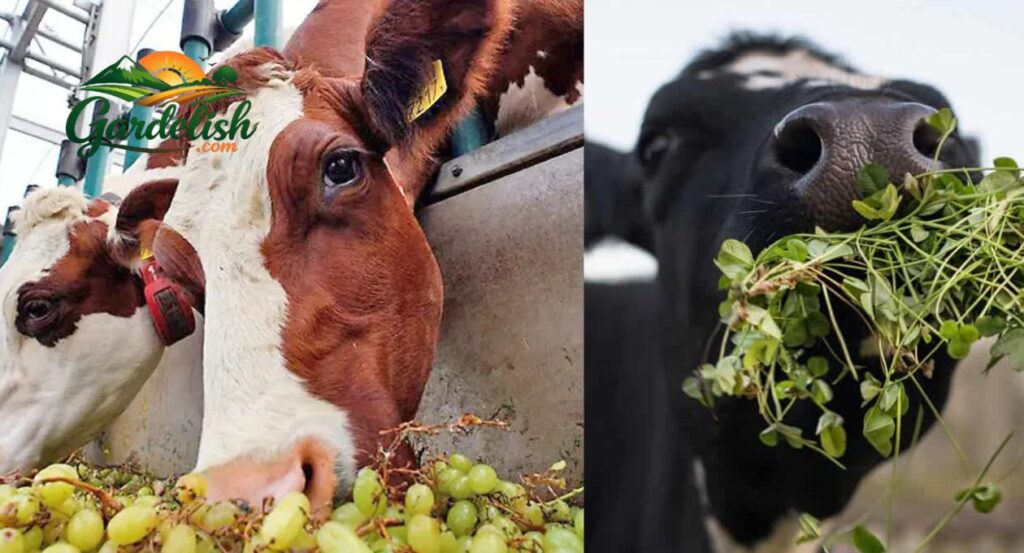
If you grow grapes near a pasture, smallholding, or backyard garden, you may wonder: can cows eat grapes safely if they nibble fallen fruit or vine trimmings? The sensible answer is yes, in small amounts, healthy cattle can usually eat fresh grapes as an occasional treat. They should not be treated like regular feed, though. Grapes are sweet, soft, and easy to overfeed, especially when fruit drops heavily in late summer. For gardeners, the real goal is not just feeding a treat. It is keeping the garden, the vines, and the animals safe at the same time.
Understanding the Plant or Topic
Grapes are fruiting vines from the Vitis family. In a garden, they are often grown on fences, pergolas, trellises, or along sunny walls. They like warmth, airflow, and steady pruning. In mixed garden-and-livestock spaces, they can become a tempting snack for cattle because the leaves, shoots, and fruit are within reach.
Cows are ruminants. Their digestive system is built to handle grasses, hay, silage, and fibrous plant material. That does not mean every garden fruit should be freely offered. Sweet fruits can upset the balance of the rumen when fed too heavily, especially if animals are not used to them.
Fresh grapes are different from raisins, grape candy, jam, or processed foods. Plain ripe fruit is the only form worth considering. Avoid raisins, moldy grapes, fermented fallen fruit, grape desserts, and anything mixed with sugar, chocolate, alcohol, or preservatives.
It is also worth noting that grape toxicity is a major concern in dogs, where grapes and raisins can cause acute kidney injury. That warning should be taken seriously for pets, but cattle are a different species with a different digestive system. Veterinary references focus grape and raisin toxicosis mainly on dogs, not cows.
Are Grapes a Good Treat for Cattle?
A few fresh grapes can be fine as a novelty treat, but they are not especially important in a cow’s diet. Cattle do best on roughage first: grass, hay, pasture, and balanced mineral support.
Grapes contain water, natural sugars, and small amounts of fiber. That makes them palatable, but also easy to overdo. Think of them like a garden treat, not a bucket feed.
There is some agricultural research around grape by-products, especially grape pomace from winemaking. Studies have explored grape skins, seeds, and stems as feed ingredients for cattle, including effects on feed efficiency and methane emissions. UC Davis reported that adding fresh grape pomace to dairy cow feed reduced methane emissions by 10% to 11% in a research setting. Another peer-reviewed study also discusses grape pomace as a possible feed ingredient for finishing cattle because it contains fiber and other nutrients.
That does not mean gardeners should dump piles of grapes into a pasture. Research diets are measured and managed. A home garden situation is less controlled.
| Feeding point | Practical advice |
| Fresh ripe grapes | Acceptable in small amounts for healthy adult cattle |
| Raisins | Best avoided because they are concentrated and sticky |
| Moldy grapes | Do not feed; moldy fruit can be risky |
| Fermented fallen fruit | Remove from pasture edges and garden paths |
| Grape jelly or desserts | Avoid completely |
| Vine trimmings | Offer cautiously, only if unsprayed and fresh |
| Main diet | Grass, hay, forage, minerals, and clean water |
Ideal Growing Conditions Around Livestock
Grapevines love sunlight. Most varieties grow best with at least 6 to 8 hours of direct sun. In a home garden, that often means placing vines along a south-facing fence, open trellis, or sunny wall.
When cattle are nearby, placement matters more than usual. A cow can lean, rub, chew, and pull harder than most new gardeners expect. One curious animal can strip a young vine faster than insects ever could.
If your grapes grow near a paddock, build the trellis slightly inside the garden boundary rather than directly on the animal side of the fence. Leave a buffer where dropped fruit can be collected before cattle find it.
Many gardeners struggle with this during harvest season. A vine looks tidy in spring, then suddenly fruit begins dropping every day. If animals have access to that area, the sweet smell can attract them quickly.
| Garden setup | Best practice |
| Grapes on pasture fence | Risky unless protected by a second barrier |
| Grapes on garden trellis | Safer and easier to manage |
| Vines near calf pens | Avoid; young animals are more sensitive to diet changes |
| Pergola over animal area | Not ideal because fruit can drop unnoticed |
| Raised bed nearby | Useful for separating roots and improving soil |
| Container-grown grapevine | Good for small gardens, easier to move away from cattle |
Soil, Sunlight, and Water Needs
Healthy grapevines begin with soil quality. Beginners often see better results when they focus on soil first instead of rushing to fertilizer. Grapes like well-drained soil. They dislike standing water around the roots.
If your garden soil is heavy clay, improve drainage with compost and organic matter. In very wet spots, raised beds can help. In dry climates, mulch can hold moisture, though it should not sit tightly against the trunk.
Water young vines deeply during their first season. Once established, many grapevines become fairly drought-tolerant, but fruit quality still improves with steady moisture during hot spells.
Many gardeners struggle with overwatering during the early stages. The leaves may yellow, growth may slow, and the vine can look weak even though the soil is wet. Check the soil before watering again.
Sunlight also affects fruit sweetness. One simple adjustment in sunlight exposure can make a noticeable difference. Vines grown in shade may produce leafy growth but fewer grapes.
| Season | Watering and care notes |
| Early spring | Water newly planted vines after planting; keep soil lightly moist |
| Late spring | Train shoots onto the trellis; avoid waterlogged soil |
| Summer | Water deeply during dry spells, especially while fruit forms |
| Harvest period | Keep watering steady, but avoid soggy soil |
| Autumn | Reduce watering as growth slows |
| Winter | Usually little watering needed unless conditions are very dry |
Planting Tips for Better Growth
Plant grapevines where they have space to climb and breathe. Good airflow helps reduce fungal issues. Crowded vines stay damp longer after rain, and that invites mildew.
Before planting, loosen the soil deeply. Mix in compost, but avoid overloading the planting hole with rich fertilizer. Too much nitrogen can push leafy growth at the expense of fruit.
Use a strong trellis from the beginning. A mature grapevine can become heavy, especially when loaded with fruit. If cattle are nearby, make the structure even stronger. Animals may rub against posts or reach through fencing.
Keep young vines protected for the first few years. A simple wire cage, sturdy fence panel, or livestock-safe barrier can save the plant from browsing damage.
If you plan to share a few grapes with cattle later, grow the vines organically or keep careful records of sprays. Never feed leaves or fruit that have been treated with chemicals not intended for animal consumption.
How to Offer Grapes Safely
Start small. A handful is enough for a large adult cow. Watch how the animal responds before offering more another day.
Wash the fruit if it came from a sprayed garden or dusty roadside vine. Remove spoiled fruit. Soft, split grapes are not always dangerous, but if they smell fermented or look moldy, throw them into the compost only if animals cannot access that pile.
Do not feed grapes to cattle that already have digestive trouble, are off feed, bloated, weak, or recovering from illness. Calves also need extra care. Their digestive systems are still developing, so treats are not worth the risk.
For dairy cows, be more cautious. Sudden feed changes can affect appetite, rumen balance, and milk production. A small treat is one thing. A large pile of sweet fruit is another.
Practical rule: if you would feel uncomfortable explaining the amount to a veterinarian, it is probably too much.
Common Problems and Simple Fixes
The most common issue is not toxicity. It is overfeeding. When cows eat too much sweet fruit, they may develop loose manure, reduced appetite, or signs of digestive upset.
Another problem is access. Cattle may break fences or damage vines once they learn fruit is available. A few fallen grapes can turn into a habit.
Gardeners also forget about fermentation. Grapes left on warm soil can ferment quickly. That is especially true when fruit splits after rain or birds peck at clusters.
| Problem | Likely cause | Simple fix |
| Cow keeps reaching through fence | Fruit is too close to pasture edge | Add a second barrier or move vine training inward |
| Loose manure after treats | Too much sweet fruit | Stop treats and return to normal forage |
| Damaged vine leaves | Browsing or rubbing | Use stronger fencing and prune away reachable shoots |
| Moldy dropped fruit | Poor cleanup during harvest | Collect fallen fruit daily |
| Weak grape growth | Poor sunlight or soggy soil | Improve drainage and increase sun exposure |
| Bird-pecked grapes falling | Wildlife feeding | Harvest earlier or use netting safely |
Seasonal Care and Maintenance
Spring is the season for training and checking structure. Tie young shoots loosely to supports. Replace weak posts before the vine becomes heavy.
Summer is about watering, airflow, and pest checks. Watch for mildew, Japanese beetles, aphids, and birds. Organic gardening methods like pruning for airflow, removing diseased leaves, and using netting can reduce problems without relying heavily on sprays.
During harvest, check the ground daily. This matters even more when livestock are close. Fallen grapes can attract cows, goats, poultry, wasps, and rodents.
Autumn is a good time to clean up. Remove leftover fruit, rake spoiled plant material, and compost responsibly. Do not place grape waste where animals can break in.
Winter pruning is one of the biggest success habits for grape growers. Grapes fruit on new growth from established wood. If the vine becomes a tangled mess, fruit quality drops and disease pressure rises.
Harvesting Tips for a Livestock-Friendly Garden
Pick grapes when they are fully colored and sweet. Unlike some fruits, grapes do not continue ripening much after picking. Taste is usually the best test.
Harvest into shallow baskets so fruit does not crush under its own weight. Damaged fruit spoils faster.
If you want to offer a few grapes to cattle, do it after the main harvest, not during a rushed picking session. That way, you can check the fruit properly and control the amount.
Keep cull fruit separate. There is a difference between slightly imperfect grapes and spoiled grapes. Bird-pecked, sour, moldy, or fermented fruit should not become animal treats.
A tidy harvest routine protects both the crop and the herd. It also reduces pests, especially wasps and flies.
Mistakes Beginners Often Make
The first mistake is assuming natural means unlimited. Fruit from the garden may feel harmless, but cows are large animals with sensitive rumen balance. Even good foods can cause trouble when given suddenly or in large amounts.
The second mistake is planting vines directly on livestock fencing. It looks charming at first. Then the vine grows through the wire, fruit hangs into the paddock, and animals begin pulling at it.
The third mistake is ignoring spray history. If you use fungicides, pesticides, or chemical treatments, check labels carefully. When in doubt, do not feed treated plant material.
The fourth mistake is giving cattle mixed kitchen scraps. Grapes sitting in a bowl with onions, chocolate, baked goods, or spoiled leftovers should not go near livestock.
The fifth mistake is forgetting calves. Young animals are curious, but they are not the best candidates for garden treats.
Expert Gardening Advice
For a small farm garden, treat grapes as a managed crop first and an animal treat second. Grow the vine for healthy fruit, good shade, and garden beauty. Share only clean extras in controlled amounts.
A strong trellis, good pruning, and daily harvest cleanup solve most problems. This is not glamorous advice, but it works.
If cattle are part of your garden landscape, design with their reach in mind. A cow’s tongue is surprisingly skilled. If a vine shoot hangs within reach, it will probably be tested.
Keep treats boringly moderate. A few grapes now and then are unlikely to matter much. A bucket of fallen fruit can create problems.
And if an animal acts unwell after eating any unusual food, call a veterinarian. Watch for bloating, repeated diarrhea, drooling, weakness, refusal to eat, or unusual behavior.
Frequently Asked Questions
Can calves have a few grapes?
It is better to avoid giving grapes to young calves. Their digestive systems are still developing, and sudden treats can upset them more easily than mature cattle. Focus on milk, starter feed, hay when appropriate, minerals, and clean water.
Should I remove grapevines from a pasture fence?
You do not always need to remove them, but you should protect them. A second fence or garden-side trellis is safer. It prevents cattle from stripping leaves, pulling vines, or eating too much fallen fruit during harvest season.
Are grape leaves safe for cows?
Small accidental nibbles from clean, unsprayed vines are usually not the main concern. The bigger issue is quantity, chemical exposure, and plant damage. Do not offer large piles of trimmings, especially from sprayed vines or diseased plants.
What should I do if a cow eats a lot of fallen grapes?
Remove access to the fruit, return the animal to normal forage, and watch closely. If you notice bloating, diarrhea, weakness, appetite loss, or odd behavior, contact a veterinarian. Large amounts of sweet or fermenting fruit can disturb digestion.
Conclusion
Fresh grapes can be an occasional treat for healthy adult cattle, but they should never replace proper forage, minerals, and clean water. For gardeners, the biggest success tip is simple: grow vines in a sunny, well-drained, well-protected spot and clean up fallen fruit during harvest. The common mistake to avoid is letting animals freely graze under grapevines. A little planning keeps the garden productive, the vines healthy, and the herd safe.