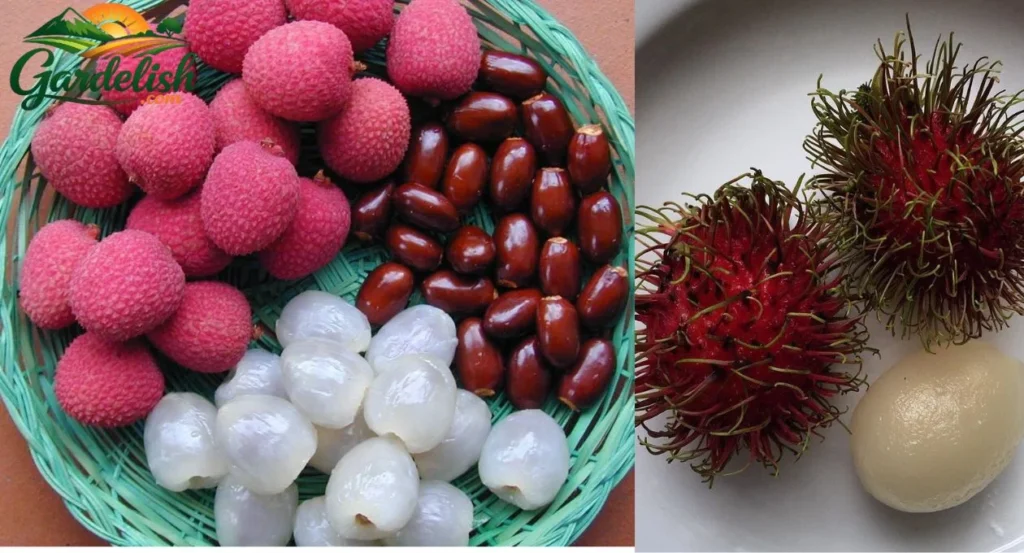
A lychee-like fruit usually means a tropical fruit with juicy, translucent flesh, a sweet floral taste, and a thin skin or shell that peels away by hand. The closest matches are longan, rambutan, pulasan, and a few lesser-known fruits from warm regions. For gardeners, the real question is not just “What tastes like lychee?” but “Which one can I actually grow?” Most of these trees love heat, humidity, well-drained soil, and steady care. Choose the right fruit for your climate, and you’ll have a much better chance of seeing flowers, fruit clusters, and a sweet harvest.
Understanding Lychee-Like Fruits
Lychee belongs to the soapberry family, and several fruits in that same family share its juicy texture and sweet flavour. Longan is probably the easiest comparison. It has smooth brown skin, clear flesh, and a sweet taste that feels close to lychee, though a little muskier.
Rambutan is another close relative. It looks more dramatic because of its hairy red or yellow shell, but inside, the white flesh feels familiar to anyone who loves lychee. Pulasan is less common, but many tropical fruit growers describe it as even sweeter and easier to open.
When people search for a fruit similar to lychee, they are often looking for one of these:
| Fruit | Similarity to Lychee | Best Growing Climate | Gardener’s Note |
| Longan | Very close in texture and sweetness | Tropical to subtropical | Often easier than lychee in warm areas |
| Rambutan | Juicy flesh, sweet taste, tropical feel | Hot, humid tropics | Needs steady moisture and warmth |
| Pulasan | Sweet, soft flesh and thick red skin | Humid tropics | Rare but worth growing where available |
| Mamoncillo | Thin skin, juicy pulp around seed | Tropical and warm coastal areas | More tangy than lychee |
| Wax apple | Crisp, watery, mild sweetness | Tropical gardens | Texture is different, but refreshing |
| Mangosteen | Sweet, white segmented flesh | Ultra-tropical | Harder to grow outside humid tropics |
| Lanzones | Soft translucent flesh | Humid tropical areas | Slow but rewarding |
| Spanish lime | Tart-sweet pulp | Warm tropical climates | Good for larger gardens |
| Rambai | Mild, juicy tropical fruit | Southeast Asian tropics | Rare in home gardens |
Longan is a strong choice for home gardeners because it grows in sandy, well-drained soil and needs full sun for good growth and fruit production, according to UF/IFAS Gardening Solutions.
Ideal Growing Conditions
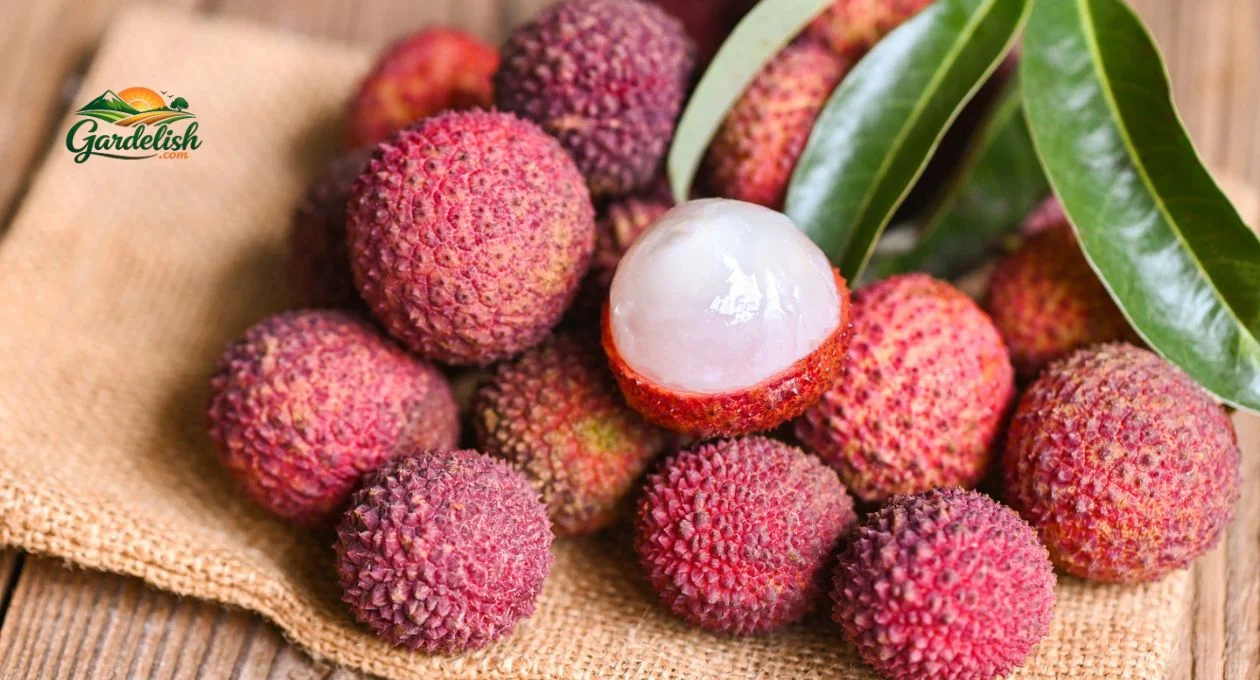
These fruits are not casual temperate garden plants. They come from warm climates where frost is rare or absent. Some can handle brief cool weather, but most dislike cold roots, dry winds, and heavy wet soil.
Longan is more forgiving than rambutan in subtropical areas. It still needs warmth, but it can handle slightly cooler conditions than true tropical fruits. UF/IFAS notes that longan trees are subtropical and adapted to tropical climates, which makes them a useful option for gardeners in warm regions.
Rambutan is pickier. It likes heat, moisture, humidity, and protection from drying winds. The Spruce describes rambutan as a tropical evergreen that grows best with consistent moisture, good drainage, and abundant sunshine.
| Growing Need | Best Range or Condition | Why It Matters |
| Sunlight | Full sun | Helps flowering and fruit quality |
| Soil | Loose, fertile, well-drained | Prevents root stress and rot |
| Water | Regular moisture | Supports young growth and fruit set |
| Climate | Warm, humid, frost-free | Most trees dislike cold damage |
| Shelter | Wind protection | Protects leaves, flowers, and young fruit |
| Space | Wide planting area | These trees can become large |
Many gardeners struggle with overwatering during the early stages. The trick is not to keep soil soggy. Keep it evenly moist, but let drainage do its job.
Soil, Sunlight, and Water Needs
Good soil matters more than most beginners expect. These trees may look lush and tropical, but their roots still need oxygen. Heavy clay that stays wet after rain can cause slow growth, yellow leaves, and weak root systems.
If your soil is compacted, improve the planting area with compost and coarse organic matter. Raised beds can help in wet climates. Containers can work for young trees, but fruiting is harder unless the plant receives enough light, warmth, and root space.
Full sun is usually best. A young tree can take light protection while it settles in, especially in very hot climates, but mature fruiting trees need strong light. One simple adjustment in sunlight exposure can make a noticeable difference in growth.
Water young trees deeply after planting. Shallow daily watering often creates weak surface roots. A deeper soak two or three times a week is usually better in warm weather, depending on soil and rainfall.
| Stage | Watering Approach | Practical Tip |
| First month after planting | Keep soil evenly moist | Check soil 2–3 inches deep |
| First year | Deep water during dry spells | Mulch to protect roots |
| Flowering stage | Avoid drought stress | Dry soil can reduce fruit set |
| Fruit swelling | Maintain steady moisture | Irregular watering can affect quality |
| Rainy season | Reduce watering | Watch for waterlogging |
| Container plants | Water when top soil begins to dry | Containers dry faster in heat |
Beginners often see better results when they focus on soil quality first. Fertilizer helps, but it cannot fix poor drainage.
Planting Tips for Better Growth
Start with a healthy nursery tree if possible. Seed-grown trees can be fun, but they may take years to fruit, and the fruit quality may not match the parent plant. Grafted or air-layered plants are usually better for home gardeners.
UF/IFAS notes that seedling longan trees may take up to six years to bear fruit, while air-layered trees may bear in two to three years after planting. That difference matters if you are planting for fruit rather than curiosity.
Pick the warmest part of the garden that does not flood. Avoid low spots where cold air settles. Also avoid planting too close to buildings, walls, and large trees. Longan can grow into a large tree, and UF/IFAS recommends planting it 22 to 25 feet or more away from structures and other trees.
When planting:
- Dig a hole wider than the root ball, not much deeper.
- Keep the tree at the same soil level it had in the pot.
- Backfill gently and water well.
- Add mulch, but keep it away from the trunk.
- Stake only if wind is a problem.
Do not bury the trunk. This is one of those small mistakes that can quietly damage a young tropical fruit tree.
Common Problems and Simple Fixes
A lychee like fruit tree often looks strong once established, but young trees can be sensitive. The most common issues are poor drainage, dry wind, nutrient imbalance, and pests.
Yellow leaves usually point to watering trouble, poor soil, or nutrient stress. If the leaves turn pale but the veins stay green, iron or micronutrient deficiency may be involved, especially in alkaline soil.
Leaf drop can happen after drought, cold stress, or root damage. Rambutan, in particular, dislikes drying out. The Spruce notes that rambutan has shallow roots and can drop leaves after only a few days without water.
| Problem | Likely Cause | Simple Fix |
| Yellow leaves | Poor drainage or nutrient issue | Improve drainage, use balanced feeding |
| Leaf drop | Dry roots, cold, wind stress | Mulch and water deeply |
| No flowers | Too young, too much shade, wrong climate | Give full sun and patience |
| Flowers drop | Dry spell, heat stress, weak tree | Keep steady moisture |
| Fruit splitting | Irregular watering | Water evenly during fruit growth |
| Scale insects | Pest pressure on leaves/stems | Prune, wash leaves, use approved controls |
| Fungal leaf spots | Humid, crowded canopy | Improve airflow |
Avoid harsh chemical treatments unless you know the pest. In many gardens, pruning out damaged growth, improving airflow, and using organic pest control methods early can prevent a small issue from becoming serious.
Seasonal Care and Maintenance
Seasonal care depends on your climate. In a true tropical garden, growth may continue through much of the year. In a subtropical garden, trees often slow down in cooler months.
Spring is a good time to plant, feed, and check for new growth. Summer is about watering, mulching, and watching fruit development. Autumn is useful for light pruning after harvest. Winter is mostly about cold protection.
| Season | What to Do | What to Avoid |
| Spring | Plant, feed lightly, check pests | Heavy pruning during flowering |
| Summer | Water deeply, mulch, protect fruit | Letting roots dry out |
| Autumn | Harvest, clean up fallen fruit | Overfeeding late in season |
| Winter | Protect from cold and wind | Wet soil around roots |
| Rainy season | Monitor drainage | Extra watering without checking soil |
Many gardeners make the mistake of feeding too heavily when the tree looks slow. Sometimes the tree is not hungry. It may simply be cold, shaded, or sitting in wet soil.
Harvesting Tips for Better Fruit
Most of these fruits do not improve much after picking. That means timing matters. Longan fruit should be picked when the skin has turned deep tan and the flesh is sweet. UF/IFAS says longan fruit will not ripen further once removed from the tree.
Rambutan should also be harvested ripe. The shell colour depends on the variety, but red and yellow types should be fully coloured and sweet before picking. The Spruce notes that rambutan fruits ripen 12 to 16 weeks after flowering and should be harvested at peak ripeness because they do not ripen off the tree.
For home gardeners, taste is still the best guide. Pick one fruit from the cluster and try it. If the flesh is watery and bland, wait longer. If it is fragrant, sweet, and slips from the skin easily, harvest the cluster.
Store fruit cool after picking. These fruits bruise easily and do not have a long shelf life. Longan can usually keep for several days in the fridge when stored in a plastic bag, but fresh is best.
Mistakes Beginners Often Make
The first mistake is choosing the wrong tree for the climate. Rambutan may sound tempting, but it is not a good fit for cool winters. Longan is often a better choice where conditions are warm but not fully tropical.
The second mistake is planting in a wet corner. Tropical does not mean swampy. Roots still need air. If rainwater stands around the tree after every storm, fix the drainage before planting.
The third mistake is expecting fruit too soon. A young tree spends its early years building roots and structure. Seed-grown plants may take much longer than grafted or air-layered plants.
Another common mistake is over-pruning. These trees do need shaping, but heavy pruning at the wrong time can remove flowering wood. Keep pruning light unless the tree is damaged, crowded, or too tall to manage.
Finally, many beginners ignore mulch. A simple mulch ring helps control weeds, cools the soil, holds moisture, and protects shallow roots. Just keep mulch a few inches away from the trunk.
Expert Gardening Advice
If you want a fruit like lychee and you live in a warm subtropical area, start with longan. It has a similar eating experience, grows well in full sun, and is often more forgiving than rambutan.
If you live in a humid tropical area with warm nights, rambutan becomes more realistic. Give it space, protect it from wind, and never let the root zone dry out for long.
Pulasan is for the collector. It is rare, beautiful, and delicious, but it needs a truly tropical setting. If you find a grafted plant from a trusted nursery, it can become one of the most interesting trees in the garden.
For containers, manage your expectations. You can grow young trees in pots, but fruiting indoors is difficult. A container plant needs bright light, warm temperatures, excellent drainage, and careful watering. It may look attractive for years without giving much fruit.
The best advice is simple: match the fruit to your climate before you fall in love with the name. Gardeners save themselves a lot of frustration that way.
Best Fruits Similar to Lychee for Home Gardeners
Not all fruits similar to lychee are equal in the garden. Some are realistic. Some are collector plants. Some are better tasted at a market than attempted in a backyard.
Longan is the most practical for many warm-climate gardeners. It has sweet flesh, manageable care needs, and good home garden value.
Rambutan is wonderful, but it wants a more tropical setting. If your nights are cool or dry winds are common, it may struggle.
Pulasan is one of the most exciting options, but it is not easy to find. It also needs humidity and warmth.
Mamoncillo is a good choice for larger tropical gardens. It is not as floral as lychee, but the hand-eaten fruit experience is similar.
Mangosteen and lanzones are delicious, but they are slower and more demanding. They suit serious tropical growers more than beginners.
FAQ
What fruit tastes most like lychee?
Longan is usually the closest match. It has translucent flesh, a sweet flavour, and a single shiny seed. Rambutan is also close, though its flesh can be firmer and its shell looks very different.
Can I grow these fruits in containers?
You can grow young longan, rambutan, or similar tropical fruit trees in containers, but fruiting is harder. They need strong light, warmth, root space, and careful watering. Containers work best for young plants or patio growing in warm climates.
Why is my tropical fruit tree not flowering?
The tree may be too young, shaded, overfed with nitrogen, or growing in the wrong climate. Poor sunlight is a common issue. Many trees need maturity, seasonal cues, and a period of balanced growth before they flower well.
Which lychee-like fruit is easiest for beginners?
Longan is often the easiest choice for warm-climate gardeners. It tolerates a wider range of well-drained soils and is commonly grown in subtropical home landscapes. Rambutan and pulasan usually need hotter, more humid conditions.
Conclusion
The best lychee-type fruit for your garden depends on climate first. Longan is the safest pick for many warm subtropical gardens, while rambutan and pulasan suit humid tropical areas better.
Focus on full sun, well-drained soil, steady watering, and patient care. The biggest success tip is to start with a healthy grafted or air-layered tree where possible.
The main mistake to avoid is planting a tropical fruit tree in poor drainage and hoping fertilizer will fix it. Good roots come first. Sweet fruit follows later.
lychee-like fruit: 9 Sweet Tropical Choices Gardeners Love
A lychee-like fruit usually means a tropical fruit with juicy, translucent flesh, a sweet floral taste, and a thin skin or shell that peels away by hand. The closest matches are longan, rambutan, pulasan, and a few lesser-known fruits from warm regions. For gardeners, the real question is not just “What tastes like lychee?” but “Which one can I actually grow?” Most of these trees love heat, humidity, well-drained soil, and steady care. Choose the right fruit for your climate, and you’ll have a much better chance of seeing flowers, fruit clusters, and a sweet harvest.
Understanding Lychee-Like Fruits
Lychee belongs to the soapberry family, and several fruits in that same family share its juicy texture and sweet flavour. Longan is probably the easiest comparison. It has smooth brown skin, clear flesh, and a sweet taste that feels close to lychee, though a little muskier.
Rambutan is another close relative. It looks more dramatic because of its hairy red or yellow shell, but inside, the white flesh feels familiar to anyone who loves lychee. Pulasan is less common, but many tropical fruit growers describe it as even sweeter and easier to open.
When people search for a fruit similar to lychee, they are often looking for one of these:
| Fruit | Similarity to Lychee | Best Growing Climate | Gardener’s Note |
| Longan | Very close in texture and sweetness | Tropical to subtropical | Often easier than lychee in warm areas |
| Rambutan | Juicy flesh, sweet taste, tropical feel | Hot, humid tropics | Needs steady moisture and warmth |
| Pulasan | Sweet, soft flesh and thick red skin | Humid tropics | Rare but worth growing where available |
| Mamoncillo | Thin skin, juicy pulp around seed | Tropical and warm coastal areas | More tangy than lychee |
| Wax apple | Crisp, watery, mild sweetness | Tropical gardens | Texture is different, but refreshing |
| Mangosteen | Sweet, white segmented flesh | Ultra-tropical | Harder to grow outside humid tropics |
| Lanzones | Soft translucent flesh | Humid tropical areas | Slow but rewarding |
| Spanish lime | Tart-sweet pulp | Warm tropical climates | Good for larger gardens |
| Rambai | Mild, juicy tropical fruit | Southeast Asian tropics | Rare in home gardens |
Longan is a strong choice for home gardeners because it grows in sandy, well-drained soil and needs full sun for good growth and fruit production, according to UF/IFAS Gardening Solutions.
Ideal Growing Conditions
These fruits are not casual temperate garden plants. They come from warm climates where frost is rare or absent. Some can handle brief cool weather, but most dislike cold roots, dry winds, and heavy wet soil.
Longan is more forgiving than rambutan in subtropical areas. It still needs warmth, but it can handle slightly cooler conditions than true tropical fruits. UF/IFAS notes that longan trees are subtropical and adapted to tropical climates, which makes them a useful option for gardeners in warm regions.
Rambutan is pickier. It likes heat, moisture, humidity, and protection from drying winds. The Spruce describes rambutan as a tropical evergreen that grows best with consistent moisture, good drainage, and abundant sunshine.
| Growing Need | Best Range or Condition | Why It Matters |
| Sunlight | Full sun | Helps flowering and fruit quality |
| Soil | Loose, fertile, well-drained | Prevents root stress and rot |
| Water | Regular moisture | Supports young growth and fruit set |
| Climate | Warm, humid, frost-free | Most trees dislike cold damage |
| Shelter | Wind protection | Protects leaves, flowers, and young fruit |
| Space | Wide planting area | These trees can become large |
Many gardeners struggle with overwatering during the early stages. The trick is not to keep soil soggy. Keep it evenly moist, but let drainage do its job.
Soil, Sunlight, and Water Needs
Good soil matters more than most beginners expect. These trees may look lush and tropical, but their roots still need oxygen. Heavy clay that stays wet after rain can cause slow growth, yellow leaves, and weak root systems.
If your soil is compacted, improve the planting area with compost and coarse organic matter. Raised beds can help in wet climates. Containers can work for young trees, but fruiting is harder unless the plant receives enough light, warmth, and root space.
Full sun is usually best. A young tree can take light protection while it settles in, especially in very hot climates, but mature fruiting trees need strong light. One simple adjustment in sunlight exposure can make a noticeable difference in growth.
Water young trees deeply after planting. Shallow daily watering often creates weak surface roots. A deeper soak two or three times a week is usually better in warm weather, depending on soil and rainfall.
| Stage | Watering Approach | Practical Tip |
| First month after planting | Keep soil evenly moist | Check soil 2–3 inches deep |
| First year | Deep water during dry spells | Mulch to protect roots |
| Flowering stage | Avoid drought stress | Dry soil can reduce fruit set |
| Fruit swelling | Maintain steady moisture | Irregular watering can affect quality |
| Rainy season | Reduce watering | Watch for waterlogging |
| Container plants | Water when top soil begins to dry | Containers dry faster in heat |
Beginners often see better results when they focus on soil quality first. Fertilizer helps, but it cannot fix poor drainage.
Planting Tips for Better Growth
Start with a healthy nursery tree if possible. Seed-grown trees can be fun, but they may take years to fruit, and the fruit quality may not match the parent plant. Grafted or air-layered plants are usually better for home gardeners.
UF/IFAS notes that seedling longan trees may take up to six years to bear fruit, while air-layered trees may bear in two to three years after planting. That difference matters if you are planting for fruit rather than curiosity.
Pick the warmest part of the garden that does not flood. Avoid low spots where cold air settles. Also avoid planting too close to buildings, walls, and large trees. Longan can grow into a large tree, and UF/IFAS recommends planting it 22 to 25 feet or more away from structures and other trees.
When planting:
- Dig a hole wider than the root ball, not much deeper.
- Keep the tree at the same soil level it had in the pot.
- Backfill gently and water well.
- Add mulch, but keep it away from the trunk.
- Stake only if wind is a problem.
Do not bury the trunk. This is one of those small mistakes that can quietly damage a young tropical fruit tree.
Common Problems and Simple Fixes
A lychee like fruit tree often looks strong once established, but young trees can be sensitive. The most common issues are poor drainage, dry wind, nutrient imbalance, and pests.
Yellow leaves usually point to watering trouble, poor soil, or nutrient stress. If the leaves turn pale but the veins stay green, iron or micronutrient deficiency may be involved, especially in alkaline soil.
Leaf drop can happen after drought, cold stress, or root damage. Rambutan, in particular, dislikes drying out. The Spruce notes that rambutan has shallow roots and can drop leaves after only a few days without water.
| Problem | Likely Cause | Simple Fix |
| Yellow leaves | Poor drainage or nutrient issue | Improve drainage, use balanced feeding |
| Leaf drop | Dry roots, cold, wind stress | Mulch and water deeply |
| No flowers | Too young, too much shade, wrong climate | Give full sun and patience |
| Flowers drop | Dry spell, heat stress, weak tree | Keep steady moisture |
| Fruit splitting | Irregular watering | Water evenly during fruit growth |
| Scale insects | Pest pressure on leaves/stems | Prune, wash leaves, use approved controls |
| Fungal leaf spots | Humid, crowded canopy | Improve airflow |
Avoid harsh chemical treatments unless you know the pest. In many gardens, pruning out damaged growth, improving airflow, and using organic pest control methods early can prevent a small issue from becoming serious.
Seasonal Care and Maintenance
Seasonal care depends on your climate. In a true tropical garden, growth may continue through much of the year. In a subtropical garden, trees often slow down in cooler months.
Spring is a good time to plant, feed, and check for new growth. Summer is about watering, mulching, and watching fruit development. Autumn is useful for light pruning after harvest. Winter is mostly about cold protection.
| Season | What to Do | What to Avoid |
| Spring | Plant, feed lightly, check pests | Heavy pruning during flowering |
| Summer | Water deeply, mulch, protect fruit | Letting roots dry out |
| Autumn | Harvest, clean up fallen fruit | Overfeeding late in season |
| Winter | Protect from cold and wind | Wet soil around roots |
| Rainy season | Monitor drainage | Extra watering without checking soil |
Many gardeners make the mistake of feeding too heavily when the tree looks slow. Sometimes the tree is not hungry. It may simply be cold, shaded, or sitting in wet soil.
Harvesting Tips for Better Fruit
Most of these fruits do not improve much after picking. That means timing matters. Longan fruit should be picked when the skin has turned deep tan and the flesh is sweet. UF/IFAS says longan fruit will not ripen further once removed from the tree.
Rambutan should also be harvested ripe. The shell colour depends on the variety, but red and yellow types should be fully coloured and sweet before picking. The Spruce notes that rambutan fruits ripen 12 to 16 weeks after flowering and should be harvested at peak ripeness because they do not ripen off the tree.
For home gardeners, taste is still the best guide. Pick one fruit from the cluster and try it. If the flesh is watery and bland, wait longer. If it is fragrant, sweet, and slips from the skin easily, harvest the cluster.
Store fruit cool after picking. These fruits bruise easily and do not have a long shelf life. Longan can usually keep for several days in the fridge when stored in a plastic bag, but fresh is best.
Mistakes Beginners Often Make
The first mistake is choosing the wrong tree for the climate. Rambutan may sound tempting, but it is not a good fit for cool winters. Longan is often a better choice where conditions are warm but not fully tropical.
The second mistake is planting in a wet corner. Tropical does not mean swampy. Roots still need air. If rainwater stands around the tree after every storm, fix the drainage before planting.
The third mistake is expecting fruit too soon. A young tree spends its early years building roots and structure. Seed-grown plants may take much longer than grafted or air-layered plants.
Another common mistake is over-pruning. These trees do need shaping, but heavy pruning at the wrong time can remove flowering wood. Keep pruning light unless the tree is damaged, crowded, or too tall to manage.
Finally, many beginners ignore mulch. A simple mulch ring helps control weeds, cools the soil, holds moisture, and protects shallow roots. Just keep mulch a few inches away from the trunk.
Expert Gardening Advice
If you want a fruit like lychee and you live in a warm subtropical area, start with longan. It has a similar eating experience, grows well in full sun, and is often more forgiving than rambutan.
If you live in a humid tropical area with warm nights, rambutan becomes more realistic. Give it space, protect it from wind, and never let the root zone dry out for long.
Pulasan is for the collector. It is rare, beautiful, and delicious, but it needs a truly tropical setting. If you find a grafted plant from a trusted nursery, it can become one of the most interesting trees in the garden.
For containers, manage your expectations. You can grow young trees in pots, but fruiting indoors is difficult. A container plant needs bright light, warm temperatures, excellent drainage, and careful watering. It may look attractive for years without giving much fruit.
The best advice is simple: match the fruit to your climate before you fall in love with the name. Gardeners save themselves a lot of frustration that way.
Best Fruits Similar to Lychee for Home Gardeners
Not all fruits similar to lychee are equal in the garden. Some are realistic. Some are collector plants. Some are better tasted at a market than attempted in a backyard.
Longan is the most practical for many warm-climate gardeners. It has sweet flesh, manageable care needs, and good home garden value.
Rambutan is wonderful, but it wants a more tropical setting. If your nights are cool or dry winds are common, it may struggle.
Pulasan is one of the most exciting options, but it is not easy to find. It also needs humidity and warmth.
Mamoncillo is a good choice for larger tropical gardens. It is not as floral as lychee, but the hand-eaten fruit experience is similar.
Mangosteen and lanzones are delicious, but they are slower and more demanding. They suit serious tropical growers more than beginners.
FAQ
What fruit tastes most like lychee?
Longan is usually the closest match. It has translucent flesh, a sweet flavour, and a single shiny seed. Rambutan is also close, though its flesh can be firmer and its shell looks very different.
Can I grow these fruits in containers?
You can grow young longan, rambutan, or similar tropical fruit trees in containers, but fruiting is harder. They need strong light, warmth, root space, and careful watering. Containers work best for young plants or patio growing in warm climates.
Why is my tropical fruit tree not flowering?
The tree may be too young, shaded, overfed with nitrogen, or growing in the wrong climate. Poor sunlight is a common issue. Many trees need maturity, seasonal cues, and a period of balanced growth before they flower well.
Which lychee-like fruit is easiest for beginners?
Longan is often the easiest choice for warm-climate gardeners. It tolerates a wider range of well-drained soils and is commonly grown in subtropical home landscapes. Rambutan and pulasan usually need hotter, more humid conditions.
Conclusion
The best lychee-type fruit for your garden depends on climate first. Longan is the safest pick for many warm subtropical gardens, while rambutan and pulasan suit humid tropical areas better.
Focus on full sun, well-drained soil, steady watering, and patient care. The biggest success tip is to start with a healthy grafted or air-layered tree where possible.
The main mistake to avoid is planting a tropical fruit tree in poor drainage and hoping fertilizer will fix it. Good roots come first. Sweet fruit follows later.