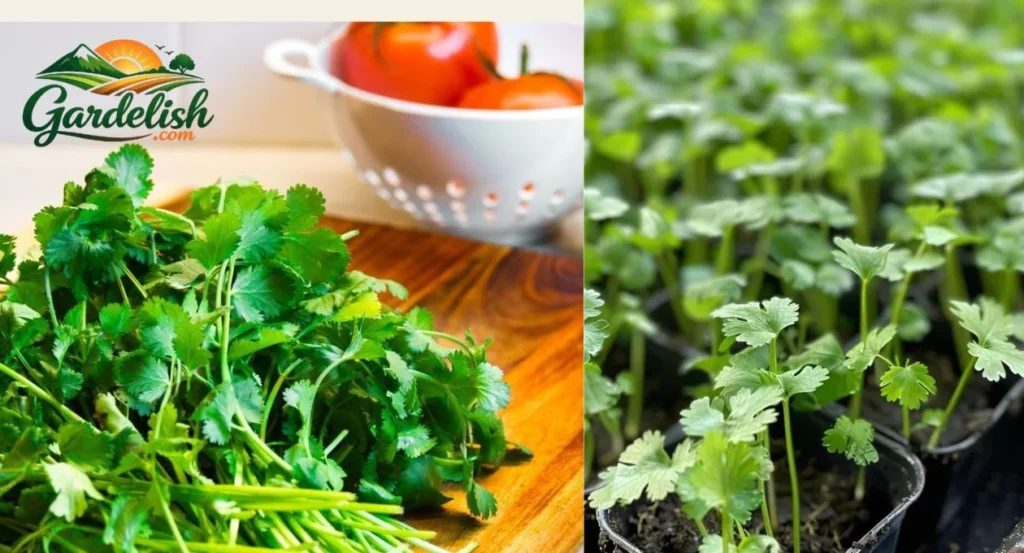
A cilantro shortage can feel surprisingly frustrating when this bright, leafy herb is part of your everyday cooking. One week the bunches look fresh and affordable, and the next they’re small, yellowing, expensive, or missing from the shelf altogether. The good news is that cilantro is one of the easiest herbs to grow at home once you understand its habits. It’s quick, generous, and perfectly suited to containers, raised beds, and small garden corners. The real secret is timing. Cilantro loves cool weather, steady moisture, and regular picking.
Why Fresh Cilantro Can Become Hard to Find
Fresh cilantro is delicate. Unlike tougher herbs such as rosemary or thyme, it does not handle heat, rough weather, or long storage especially well. When growing areas face high temperatures, heavy rain, drought, or crop-quality issues, the supply chain can feel the impact quickly.
Produce market updates in late 2025 and early 2026 reported tight cilantro supplies, quality problems, small sizing, discoloration, and reduced yields in some growing regions. That explains why shoppers sometimes see poor-looking bunches or higher prices even when other herbs remain available.
For gardeners, this is where the opportunity comes in. You do not need a large vegetable patch to grow a useful supply. A shallow row in a raised bed or a few containers near the kitchen door can make a real difference.
Understanding Cilantro as a Garden Herb
Cilantro is the leafy stage of the coriander plant, Coriandrum sativum. The fresh leaves are usually called cilantro, while the dried seeds are known as coriander. It is an annual herb, which means it grows, flowers, sets seed, and finishes its life cycle in one season.
What catches beginners off guard is how quickly it can change. One day the plant looks leafy and lush. A few warm days later, it sends up a tall flower stalk and the leaves become finer, smaller, and less useful for cooking.
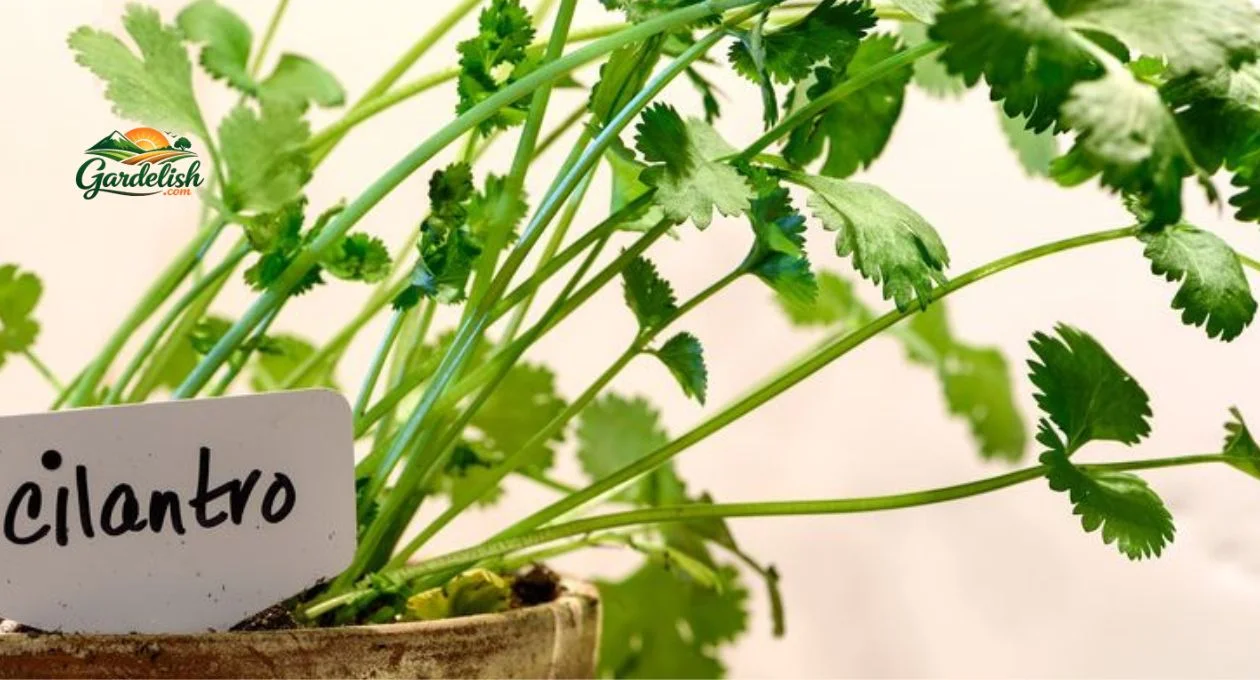
That process is called bolting. University and extension gardening sources describe cilantro as a cool-season crop that tends to bolt in hot weather, especially when temperatures rise and days grow longer.
This does not mean the plant has failed. It simply means cilantro is following its natural rhythm. Your job as a gardener is to slow that rhythm down long enough to enjoy plenty of fresh leaves.
Ideal Growing Conditions for a Steady Supply
Cilantro grows best when the weather is mild. Spring and autumn are usually the easiest seasons. In warmer climates, winter can also be a useful growing window.
The plant prefers bright light but dislikes harsh afternoon heat. If your garden bakes in summer, a spot with morning sun and light afternoon shade is often better than a full-sun position all day.
| Growing Factor | Best Condition | Practical Tip |
| Season | Cool spring, autumn, or mild winter | Avoid starting during peak summer heat |
| Light | Morning sun or gentle full sun | Give afternoon shade in hot areas |
| Soil | Loose, well-drained, compost-enriched soil | Avoid heavy, compacted soil |
| Water | Even moisture | Do not let young plants dry out |
| Planting method | Direct sowing | Cilantro dislikes root disturbance |
| Harvest style | Frequent light cutting | Pick often to encourage leafy growth |
Many gardeners struggle with cilantro because they treat it like basil. Basil enjoys heat. Cilantro does not. That one difference explains most failures.
Soil, Sunlight, and Water Needs
Good cilantro begins with good soil. Beginners often see better results when they focus on soil quality first instead of worrying too much about fancy fertilizers.
Use loose soil with compost mixed in. It should hold some moisture but drain well after watering. If water sits around the roots, the plants can yellow, weaken, or rot.
Cilantro has a taproot, so it appreciates soil that lets the root go down easily. In containers, choose a pot at least 8 to 10 inches deep. Wider containers are better than tiny herb pots because you can sow more seeds and harvest more leaves.
Watering should be steady, not extreme. Dry soil stresses the plant and encourages early flowering. Soggy soil creates weak roots. The sweet spot is soil that feels lightly moist when you press a finger into the top inch.
| Weather Condition | Watering Approach | What to Watch For |
| Cool spring weather | Water when top inch feels dry | Slow but healthy growth |
| Warm sunny days | Check soil more often | Wilting by afternoon |
| Containers | Water more frequently than beds | Dry edges and drooping stems |
| Rainy periods | Pause extra watering | Yellowing or limp growth |
| Indoor pots | Keep evenly moist | Weak growth from poor light |
One simple adjustment in sunlight exposure can make a noticeable difference. If your plants keep bolting, move the next sowing into a cooler patch with softer afternoon light.
Planting Tips for Better Growth
Cilantro is best grown from seed. Transplants often look tempting at the garden centre, but they can bolt quickly after being moved because the roots dislike disturbance.
Sow the seeds directly where the plants will grow. Scatter them lightly in a row, container, or raised bed, then cover with a thin layer of soil. Keep the area moist until seedlings appear.
A useful trick is to gently crush the round seed husks before sowing. Each little ball often contains more than one seed. Splitting them slightly can improve germination.
Do not plant only once. That is the mistake most beginners make. Cilantro grows quickly, but it also finishes quickly. For a steady kitchen supply, sow a small amount every two to three weeks during cool weather.
This is called succession planting, and it is the closest thing to a reliable cilantro insurance policy.
Growing Cilantro in Containers
Containers are excellent for cilantro because you can control the soil, move the pot when the weather changes, and keep the harvest close to the kitchen.
Choose a wide pot with drainage holes. Fill it with quality potting mix and a little compost. Sow seeds across the surface, cover lightly, and water gently.
A container near a morning-sun window, patio, balcony, or back door can produce enough leaves for salsa, curry, chutney, tacos, soups, and salads.
Avoid tiny decorative pots. They dry out too fast and leave the roots cramped. Cilantro is not a huge plant, but it still needs space to grow properly.
If you live in a hot area, containers have one extra advantage. You can move them into partial shade during heatwaves. That small move may give you another week or two of harvest.
Common Problems and Simple Fixes
Cilantro is not difficult, but it is sensitive. Most problems come from heat, uneven watering, poor soil, or planting at the wrong time.
| Problem | Likely Cause | Simple Fix |
| Plant bolts quickly | Heat, long days, or stress | Sow in cooler weather and use partial shade |
| Leaves turn yellow | Overwatering, poor drainage, or low nutrients | Improve drainage and add compost |
| Seedlings fall over | Weak light or overcrowding | Thin seedlings and provide brighter light |
| Leaves taste bitter | Plant is maturing or bolting | Harvest younger leaves more often |
| Poor germination | Dry soil or old seed | Keep soil moist and use fresh seed |
| Aphids appear | Tender new growth attracts pests | Rinse leaves gently and encourage beneficial insects |
Many gardeners panic when cilantro flowers. You do not need to pull it out immediately. The flowers attract helpful insects, and the seeds can be saved as coriander for cooking or future planting. Oregon State University notes that cilantro flowers can lead to coriander seed, so bolting can still be useful if you shift your expectations.
Seasonal Care and Maintenance
Cilantro rewards gardeners who work with the season rather than against it.
In early spring, sow seeds as soon as the soil is workable and the worst cold has passed. In autumn, plant when summer heat begins to fade. In mild winter regions, it may grow beautifully through the cooler months.
Summer is the tricky season. If your climate gets hot, do not expect large leafy harvests from plants sitting in blazing sun. Use shade cloth, grow beside taller crops, or switch to indoor growing under bright light.
| Season | What to Do | Expected Result |
| Spring | Sow every 2 to 3 weeks | Best leafy harvest |
| Early summer | Provide shade and mulch | Slower bolting |
| High summer | Grow indoors or pause sowing | Better use of effort |
| Autumn | Restart outdoor sowing | Strong second crop |
| Mild winter | Grow in protected spots | Slow but steady leaves |
Mulch helps keep the soil cooler and slows evaporation. A light layer of straw, shredded leaves, or fine compost around the plants can reduce stress.
Do not bury the stems. Keep mulch around the soil surface, not piled against the plant.
Harvesting Tips for Better Leaf Production
Start harvesting when the plants are around 4 to 6 inches tall. Use clean scissors and cut the outer stems first. Leave the centre growing point intact so the plant can continue producing.
Do not strip the entire plant at once unless you are doing a final harvest. A gentle cut-and-come-again approach usually gives better results.
Harvest in the morning when the leaves are fresh and full of moisture. After cutting, place stems in a glass of water or wrap them in a slightly damp towel and refrigerate.
Freshly picked cilantro has a brightness that supermarket bunches often lose. Even a small home harvest can lift a meal.
Regular picking also helps delay flowering. It will not stop bolting forever, but it tells the plant to keep making leaves for a little longer.
Mistakes Beginners Often Make
The first mistake is planting too late. Cilantro sown in hot weather often bolts before it gives a worthwhile harvest.
The second mistake is transplanting. A seedling bought from a nursery may already be stressed by the time it reaches your garden. Direct sowing is usually more reliable.
The third mistake is expecting one planting to last all season. Cilantro is not that kind of herb. Think of it as a quick crop, not a permanent plant.
The fourth mistake is underwatering containers. Pots dry faster than garden beds, especially in wind or sun. A container can look fine in the morning and wilt by late afternoon.
The fifth mistake is ignoring seed saving. Once your plant flowers and forms seeds, let some mature. Dry them fully, store them in a paper envelope, and you have your next crop ready.
Expert Gardening Advice for a Reliable Home Supply
The best way to grow cilantro is to stop thinking in terms of one plant and start thinking in cycles.
Sow a little. Harvest a little. Let one plant flower. Save seed. Sow again.
That rhythm feels much more natural than trying to force the plant to behave like a long-season herb.
For raised beds, tuck cilantro between lettuce, spinach, spring onions, or young brassicas. These crops enjoy similar cool conditions. Taller vegetables can also provide light shade as temperatures rise.
For containers, keep two pots going at different stages. One pot can be ready for harvest while the second is just sprouting. When the first begins to flower, sow a third.
Slow-bolting varieties can also help. They are not magic, but they may give you a longer harvest window, especially in warmer gardens. Utah State University Extension recommends planting early, keeping soil cool with mulch, watering well, and growing plants close together to help reduce bolting pressure.
Organic gardeners can keep things simple. Compost, steady watering, light mulch, and healthy soil are usually enough. Too much fertilizer can push soft growth without improving flavour.
Smart Substitutes When Fresh Cilantro Is Unavailable
While your plants are growing, you may still need a backup in the kitchen. No substitute tastes exactly the same, but some herbs can fill the gap depending on the recipe.
Flat-leaf parsley is the easiest swap for garnish. It gives freshness without the citrusy bite. Mint works well in chutneys, salads, and some Asian-inspired dishes. Thai basil can help in noodle bowls and soups. Celery leaves are underrated and useful in salsas when chopped finely.
For cooked dishes, coriander seed gives a warmer, deeper flavour, though it will not replace the leafy freshness. A squeeze of lime can help brighten the dish.
The best substitute depends on why the recipe uses cilantro. If it needs colour, use parsley. If it needs brightness, add lime. If it needs fragrance, try mint or basil.
H2 Frequently Asked Questions
Can beginners grow cilantro successfully at home?
Yes, beginners can grow cilantro successfully if they plant it in cool weather and keep the soil evenly moist. The easiest method is direct sowing in a container or raised bed. Avoid transplanting if possible because the roots dislike being disturbed. Start with a small batch of seeds, then sow again every few weeks. This gives you a steady harvest instead of one short crop.
Why does my cilantro flower so quickly?
Cilantro flowers quickly when it experiences heat, long days, dry soil, or root stress. This is called bolting. Once the plant bolts, leaf production slows and the flavour may become stronger or more bitter. To slow the process, grow it in spring or autumn, provide afternoon shade, water regularly, mulch lightly, and harvest often before flower stalks develop.
Can cilantro grow indoors all year?
Cilantro can grow indoors, but it needs bright light and enough root space. A sunny windowsill may work in cooler months, though a grow light often gives better results. Use a deep container with drainage holes and keep the soil lightly moist. Indoor plants may grow more slowly, but they are useful when outdoor weather is too hot or too cold.
How often should I plant cilantro for a continuous harvest?
For a steady supply, sow fresh seeds every two to three weeks during suitable weather. This method works better than planting one large batch. Cilantro grows fast, but each plant has a short leafy stage before flowering. Succession planting keeps young plants coming on while older ones finish, flower, or produce coriander seed.
Conclusion
Cilantro is a small herb with a big personality. It grows quickly, dislikes heat, bolts easily, and rewards gardeners who understand its cool-season nature. The biggest success tip is simple: plant small amounts often rather than relying on one crop. Keep the soil loose, water consistently, give afternoon shade when needed, and harvest before the plants flower.
The common mistake to avoid is planting during hot weather and expecting long-lasting leafy growth. Work with the plant’s natural cycle, and you can enjoy fresh, fragrant harvests even when store shelves look disappointing.
Tomatoes Shortage: 7 Essential Tips for Growing Abundant Fruit at Home