When an artichoke shortage shows up at grocery stores or farmers markets, home gardeners start wondering whether they can grow this unusual, delicious crop themselves. The good news is yes, you can grow artichokes at home with the right climate, soil, and patience. These plants are not as quick as lettuce or radishes, but they reward careful gardeners with beautiful silver-green foliage and edible flower buds. Whether you have raised beds, a sunny backyard corner, or a large container, learning how artichokes grow can help you enjoy a steadier harvest and depend less on unpredictable market supply.
Understanding Artichokes as Garden Plants
Artichokes are perennial plants in mild climates, meaning they can live and produce for several years. In colder regions, many gardeners grow them as annuals, starting plants early indoors and harvesting in the same season.
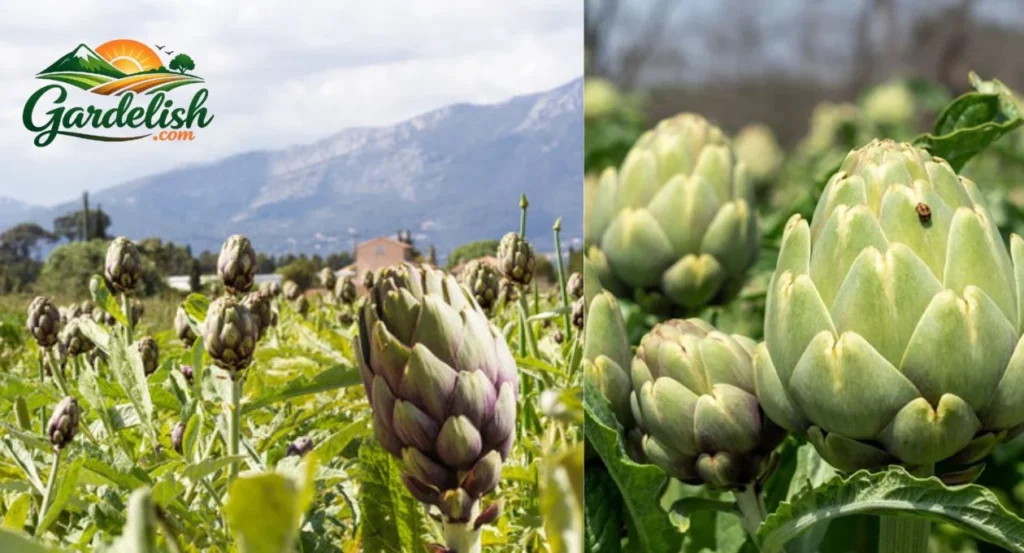
The edible part is the immature flower bud. If left unharvested, it opens into a large purple bloom that bees absolutely love. I’ve seen gardeners grow artichokes just for the dramatic look of the plant, even when the harvest is small.
The plant itself is large, bold, and architectural. A mature artichoke can reach 3 to 5 feet tall and nearly as wide. This is not a crop to squeeze into a tight row between carrots and onions. It needs breathing room.
Many supply issues come from weather stress, poor growing conditions, pest pressure, and the fact that artichokes are not fast crops. That is exactly why home growing can be so satisfying. You are not just planting food; you are building your own little backup system.
Ideal Growing Conditions
Artichokes prefer mild, cool-to-warm weather rather than extreme heat or bitter cold. They do especially well in regions with cool winters and moderate summers.
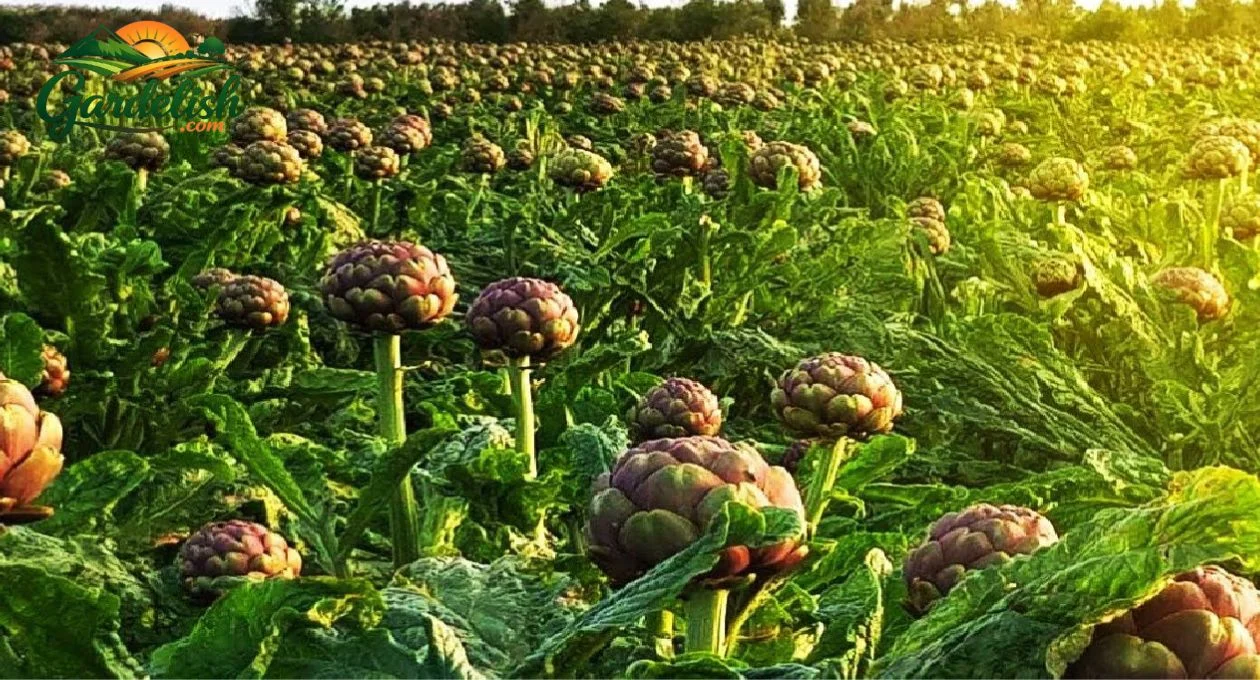
In hot climates, the plants may struggle during peak summer unless they receive afternoon shade and steady moisture. In cold climates, they need protection or must be treated as annuals.
| Growing Need | Best Condition | Gardener’s Tip |
| Sunlight | 6–8 hours daily | Afternoon shade helps in very hot areas |
| Soil | Rich, loose, well-drained | Add compost before planting |
| Water | Consistent moisture | Avoid soggy roots |
| Spacing | 3–4 feet apart | Plants get wider than beginners expect |
| Temperature | Mild weather | Protect from frost and heat stress |
Beginners often underestimate the size of artichoke plants. Give them more space than you think they need. Crowding reduces airflow, invites pests, and makes harvesting awkward.
Soil, Sunlight, and Water Needs
Artichokes are heavy feeders, so soil quality matters more than many people realize. If your soil is thin, compacted, or low in organic matter, the plants may survive but produce weak growth and small buds.
Before planting, work in aged compost, leaf mold, or well-rotted manure. Raised beds are excellent because they warm up earlier in spring and drain well after heavy rain.
Sunlight is important, but balance matters. In cooler regions, full sun is ideal. In areas with hot summers, morning sun with light afternoon protection can keep the plants from wilting.
Watering should be deep and steady. Shallow watering encourages weak roots. Many gardeners struggle with overwatering during the early stages, especially when the plant is still small. The soil should stay lightly moist, not muddy.
| Season or Stage | Watering Approach | What to Watch For |
| Newly planted | Water every few days as roots settle | Wilting, dry topsoil |
| Active growth | Deep watering 1–2 times weekly | Large leaves drooping |
| Bud formation | Keep moisture consistent | Tough or small buds |
| Hot weather | Water more often if soil dries fast | Leaf scorch, stress |
| Dormant period | Reduce watering | Rot in wet soil |
Mulch is one of the simplest ways to help. A layer of straw, shredded leaves, or compost around the base keeps the soil cooler and reduces moisture swings.
Planting Tips for Better Growth
You can start artichokes from seed, transplants, or root divisions. For beginners, transplants are usually the easiest. Seeds are cheaper, but they take more planning.
If growing from seed, start indoors 8 to 12 weeks before your last expected frost. Artichokes need a long season, so late sowing often leads to disappointment.
Plant seedlings outside once the danger of hard frost has passed. Harden them off first by placing them outdoors for a few hours each day over a week. This helps prevent shock.
Space plants at least 3 feet apart. If you have room, 4 feet is even better. Add compost to each planting hole and water deeply after planting.
For containers, choose a pot that holds at least 15 to 20 gallons. A small decorative pot will not support a productive plant. Use a rich potting mix and make sure drainage holes are open.
One simple adjustment in sunlight exposure can make a noticeable difference. If your plant wilts every afternoon, try giving it a little shade during the hottest part of the day rather than assuming it needs more fertilizer.
Fertilizer and Feeding for Strong Growth
Artichokes grow big leaves before they produce buds, and that leafy growth requires nutrients. Compost is the foundation, but many plants benefit from extra feeding during the growing season.
Use a balanced organic fertilizer every 4 to 6 weeks during active growth. Fish emulsion, compost tea, or slow-release vegetable fertilizer can all work well.
Avoid overdoing nitrogen once buds begin forming. Too much nitrogen can encourage leaves at the expense of harvest. You want strong growth, but not a giant leafy plant with no edible buds.
A practical routine is to feed lightly and consistently. Heavy feeding all at once can stress the plant or encourage soft growth that attracts aphids.
Common Problems and Simple Fixes
Artichokes are fairly sturdy once established, but they are not problem-free. Aphids, slugs, snails, poor drainage, and heat stress are common issues.
Aphids often gather on new growth and under leaves. A strong spray of water can knock them off. For heavier infestations, insecticidal soap may help. Encourage ladybugs and lacewings by avoiding harsh pesticides.
Slugs and snails enjoy young plants, especially in damp gardens. Hand-picking in the evening works surprisingly well. You can also use barriers, traps, or organic slug control.
Yellowing leaves may point to overwatering, poor drainage, or nutrient deficiency. Always check soil moisture before adding fertilizer. Wet soil and hungry soil can look similar from above.
| Problem | Likely Cause | Simple Fix |
| Small buds | Weak soil, irregular water | Add compost and water deeply |
| Yellow leaves | Overwatering or low nutrients | Check drainage, feed lightly |
| Aphids | Tender new growth | Spray with water or use insecticidal soap |
| Wilting in afternoon | Heat stress | Mulch and provide afternoon shade |
| Rot near crown | Soggy soil | Improve drainage and reduce watering |
The most useful habit is observation. Walk past your plants every day or two. You will catch problems much earlier, and small problems are always easier to fix.
Seasonal Care and Maintenance
Artichoke care changes with the season. In spring, the focus is strong root and leaf growth. In summer, moisture and heat management become more important. In fall, perennial plants may need cleanup and protection.
In mild regions, cut back old stems after harvest and allow the plant to rest. New shoots often appear from the crown. These can produce in future seasons.
In colder areas, gardeners sometimes mulch heavily over the crown after cutting the plant back. Straw, leaves, or compost can protect roots from freezing. In very cold climates, this may not be enough, so growing as an annual is more reliable.
| Season | Main Task | Helpful Note |
| Spring | Plant, feed, and water steadily | Protect young plants from late cold |
| Summer | Watch for heat stress and pests | Mulch deeply |
| Early fall | Harvest remaining buds | Remove weak or damaged growth |
| Late fall | Cut back perennial plants | Add winter mulch in cold zones |
| Winter | Keep crowns from staying wet | Good drainage prevents rot |
Seasonal maintenance does not need to be complicated. The main idea is to keep the plant comfortable: rich soil, steady water, enough sun, and protection from extremes.
Harvesting Tips for Tender Buds
Harvest artichokes while the buds are still tight and firm. If the scales begin opening, the bud is becoming more mature and may be tougher.
Use a sharp knife or pruners and cut the stem a few inches below the bud. The central bud is usually the largest and appears first. Smaller side buds may follow.
Do not wait too long. Many beginners leave the buds on the plant because they want them to get bigger, but bigger is not always better. A slightly smaller, tight bud is usually more tender than a large, open one.
If you miss the harvest window, let the bud bloom. The flowers are stunning, and pollinators love them. It is not a failure; it is just a different kind of garden reward.
Growing Artichokes in Containers
Container growing is possible, but it requires commitment. Artichokes are large plants with deep roots, so container size is the first challenge.
Choose a large pot, ideally 15 gallons or bigger. Use high-quality potting mix blended with compost. Place the container where the plant receives strong morning sun.
Containers dry faster than garden beds, so watering must be more consistent. During hot weather, you may need to check moisture daily. However, drainage is still essential. A waterlogged pot can damage roots quickly.
Container plants also need regular feeding because nutrients wash out with watering. A slow-release organic fertilizer plus occasional liquid feeding can keep growth steady.
For patios and small spaces, artichokes can be surprisingly beautiful. Their bold leaves look almost ornamental, which makes them a useful edible landscape plant.
Mistakes Beginners Often Make
The first mistake is planting too late. Artichokes need time. If your season is short, late planting may produce foliage but no harvest.
The second mistake is using poor soil. Beginners often see better results when they focus on soil quality first. Compost, drainage, and mulch do more than fancy products.
Another common issue is crowding. A tiny seedling may look lonely at first, but a mature plant fills space quickly. Good airflow reduces disease and makes pest checks easier.
Many new gardeners also water inconsistently. Dry soil during bud development can reduce quality, while soggy soil can cause root problems. Aim for steady moisture.
Finally, some gardeners harvest too late. Tight buds are the goal. Once the scales open widely, tenderness drops.
Expert Gardening Advice for a More Reliable Crop
Think of artichokes as long-term garden residents, not quick vegetables. Even when grown as annuals, they appreciate early planning and steady care.
Start with the strongest plants you can find. A healthy transplant has sturdy leaves, no pest damage, and roots that are not circling tightly in the pot.
Build the bed before planting. Mix compost deeply, loosen compacted soil, and check drainage. If water sits after rain, use a raised bed or mound.
Mulch early, not after the plant is already stressed. Mulch protects soil life, keeps roots cooler, and makes watering easier.
For organic gardening, diversity helps. Plant flowers nearby to attract beneficial insects. Calendula, alyssum, dill, and yarrow can all support helpful pollinators and predators.
Most of all, be patient. Artichokes can look slow at first, then suddenly put on impressive growth once roots settle in.
FAQ
Can beginners grow artichokes successfully?
Yes, beginners can grow them, especially if they start with healthy transplants and focus on soil preparation. The main challenge is giving the plants enough space, water, and time. They are not difficult, but they are less forgiving than quick crops like lettuce.
Do artichokes grow better in raised beds or containers?
Raised beds are usually easier because they provide better root space and drainage. Containers can work if they are large enough, but they need more frequent watering and feeding. For most beginners, a raised bed gives more reliable results.
How long does it take to harvest artichokes?
From transplants, some gardeners may harvest in the first season, especially in mild climates or with early planting. From seed, it can take longer, and results depend on variety and climate. Perennial plants often produce better in their second year.
Should I cut back artichoke plants after harvest?
In mild climates, yes. After the main harvest, remove spent stalks and tired foliage. This helps the plant redirect energy into new shoots. In colder climates, cut plants back before winter and mulch heavily if you are trying to overwinter them.
Conclusion
Growing artichokes at home is a practical way to enjoy a crop that can feel unpredictable in stores. Give the plants rich soil, steady watering, plenty of room, and protection from weather extremes. The biggest success tip is to prepare the growing area well before planting. The common mistake to avoid is treating artichokes like small, fast vegetables. With patience and good maintenance, they can become one of the most rewarding plants in the garden.
cilantro shortage: 9 Smart Ways to Grow Your Own Fresh Supply at Home