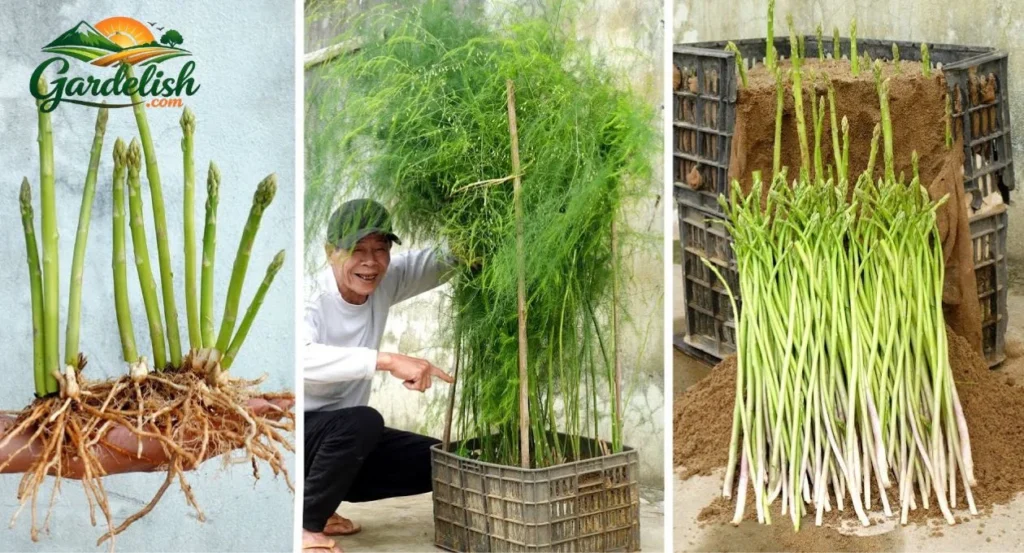
An asparagus shortage usually means fresh asparagus is harder to find, more expensive, or lower in quality than usual. For gardeners, it also highlights something important: asparagus is not a quick crop. It is a perennial vegetable that depends on good spring weather, healthy crowns, skilled harvesting, and careful long-term growing conditions.
If you enjoy fresh asparagus, the best long-term solution is to understand why shortages happen and consider growing your own asparagus bed. A mature planting of asparagus can produce for many years when it is planted in the right place and cared for properly.
This guide explains why an asparagus shortage happens, what it means for home gardeners, and how to grow a more reliable supply in your own garden.
Why Does an Asparagus Shortage Happen?
An asparagus shortage usually happens because of weather problems, delayed harvests, poor growing conditions, labor shortages, or supply chain issues. Asparagus has a short harvest season, so even a few weeks of bad weather can reduce the amount available in stores.
Asparagus spears grow quickly when spring temperatures are right. But if the weather is too cold, too wet, or suddenly too hot, the crop can suffer. Late frost can damage young spears. Heavy rain can make fields difficult to harvest. Heat can cause spears to grow too fast and open at the tips.
Unlike fast-growing crops such as lettuce or radishes, asparagus cannot be planted and harvested within a few weeks. Commercial asparagus fields take years to establish. This makes the crop more vulnerable when conditions are not ideal.
Why Asparagus Is Different from Other Vegetables
Asparagus is a perennial vegetable, which means the same crowns come back year after year. The edible spears are young shoots that emerge from underground crowns in spring. After the harvest season, the spears are allowed to grow into tall, fern-like foliage that feeds the roots for the following year.
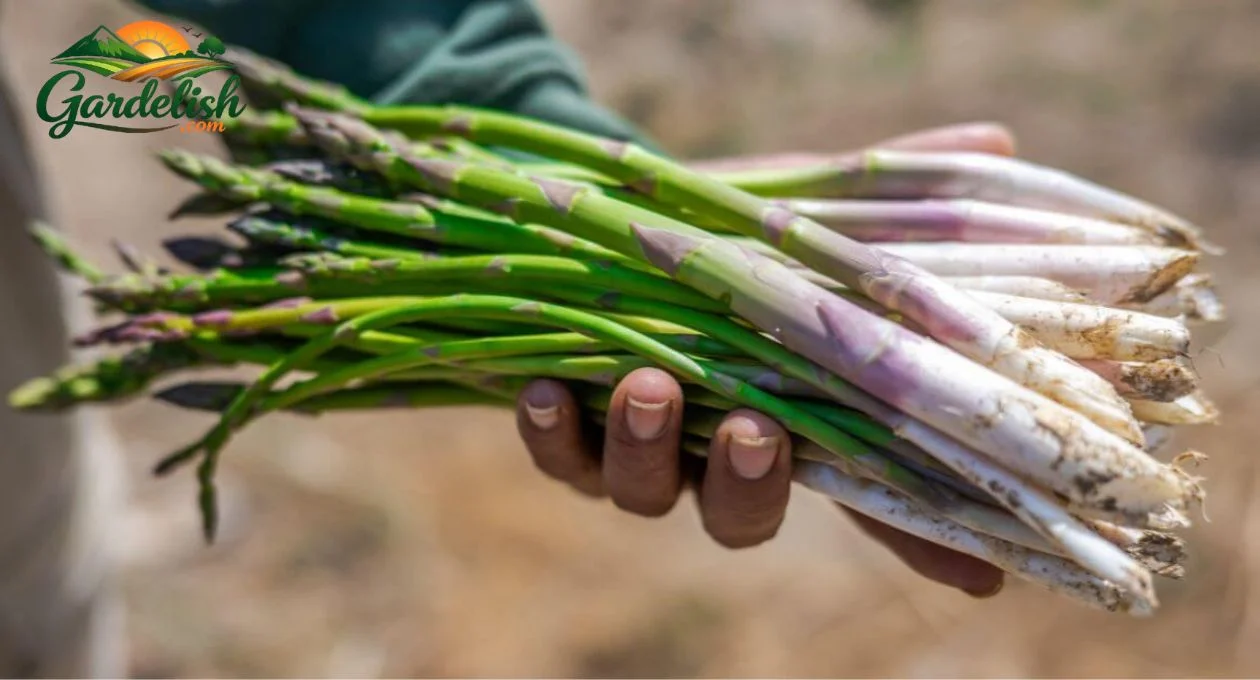
This growing habit makes asparagus special, but it also means production is limited. A grower cannot simply plant more asparagus in spring to solve an immediate shortage. New asparagus crowns need time to establish before they can be harvested heavily.
For home gardeners, this is both a challenge and an opportunity. You need patience at first, but once the bed is mature, asparagus can become one of the most dependable spring crops in the garden.
Can Home Gardeners Avoid an Asparagus Shortage?
Yes, home gardeners can reduce their dependence on store-bought asparagus by growing their own. However, asparagus is a long-term crop, not a quick fix. A new bed usually needs two to three years before it produces a strong harvest.
Most gardeners start with one-year-old asparagus crowns instead of seeds. Crowns establish faster and are easier for beginners. Popular varieties include ‘Mary Washington’, ‘Jersey Knight’, ‘Millennium’, and ‘Purple Passion’.
A healthy asparagus bed can produce for many years, sometimes much longer with good care. That makes it a valuable crop for gardeners who want a reliable supply of early spring vegetables.
Best Growing Conditions for Asparagus
Asparagus grows best in full sun, well-drained soil, and a permanent garden bed. Choose a location that receives at least six to eight hours of sunlight per day. The stronger the sunlight, the better the fern growth after harvest, and the stronger the crowns become for future seasons.
Good drainage is very important. Asparagus does not like wet, compacted, or waterlogged soil. If the roots sit in soggy conditions, the crowns may rot or weaken over time.
The ideal soil is deep, loose, fertile, and rich in organic matter. Sandy loam is excellent, but many gardeners can grow asparagus successfully by improving their soil with compost. A slightly acidic to neutral soil pH, around 6.5 to 7.0, is usually suitable.
If your garden soil is heavy clay, consider planting asparagus in a raised bed. This improves drainage and makes it easier to manage weeds.
How to Plant Asparagus Crowns
Plant asparagus crowns in early spring when the soil is workable. Prepare the bed well before planting because asparagus prefers not to be moved once established.
Dig a trench about 6 to 8 inches deep. Spread the roots out carefully and place the crown with the buds facing upward. Space crowns about 12 to 18 inches apart. If planting in rows, leave enough room between rows for air circulation and fern growth.
Cover the crowns with a few inches of soil at first. As shoots begin to grow, gradually fill in the trench. Water well after planting and keep the soil evenly moist, but not soggy.
Avoid harvesting heavily during the first year. The goal is to help the crowns build strong roots. A little patience in the beginning leads to better harvests later.
Caring for Asparagus Through the Seasons
Asparagus care changes with the seasons. In spring, keep the bed weed-free and harvest only when the plants are mature enough. Weeds compete strongly with asparagus, especially when the crowns are young.
After harvest, allow the spears to grow into ferns. This fern growth is essential because it feeds the crowns for next year’s crop. Do not cut green ferns down just because they look messy. Wait until they turn yellow or brown after frost.
Mulch is very helpful in an asparagus bed. Clean straw, shredded leaves, compost, or grass clippings can help reduce weeds and hold soil moisture. Keep mulch loose so it does not smother emerging spears.
Water deeply during dry periods, especially after harvest when the ferns are growing. A soaker hose or drip irrigation system works well because it keeps moisture near the roots without wetting the foliage too much.
Fertilizer and Soil Health for Better Harvests
A productive asparagus bed starts with healthy soil. Add finished compost each year to improve soil structure and feed the soil naturally. Compost also helps support beneficial soil organisms.
Asparagus benefits from balanced nutrition. Avoid using too much nitrogen, because strong growth depends on more than leafy top growth. Phosphorus, potassium, calcium, and organic matter all play a role in long-term plant health.
Many gardeners fertilize asparagus in early spring before spears emerge, then again after harvest to support fern growth. Organic fertilizers such as composted manure, fish meal, bone meal, or balanced vegetable fertilizer can be useful when applied correctly.
If your asparagus bed is weak or producing thin spears, do not assume fertilizer alone will fix the problem. Check for weeds, poor drainage, overharvesting, soil compaction, or crown age.
Harvesting Asparagus the Right Way
Harvest asparagus when spears are about 6 to 8 inches tall and the tips are still tight. You can cut the spears near soil level with a knife or snap them by hand where they naturally break.
Do not harvest too early in the life of the bed. In the first year after planting crowns, it is usually best to avoid harvesting or take only a very small amount. In the second year, harvest lightly. By the third year, the bed is usually strong enough for a regular harvest.
A mature asparagus harvest season often lasts several weeks. When the spears become thin, stop harvesting and allow the plants to grow into ferns. This helps the crowns recover and store energy for next spring.
Overharvesting is one of the main reasons home asparagus beds decline. During an asparagus shortage, it may be tempting to take every spear, but restraint is important. A healthy bed next year depends on how you treat the plants this year.
Common Problems That Reduce Asparagus Yields
Several problems can make a home asparagus bed produce poorly.
Weeds are one of the biggest issues. Grass, bindweed, and other perennial weeds compete with asparagus crowns for water and nutrients. Keep the bed clean from the beginning.
Poor drainage can also cause weak growth. If crowns sit in wet soil, they may rot or become diseased. Raised beds, compost, and better site selection can help prevent this.
Asparagus beetles are common pests. They chew on spears and ferns, weakening the plants over time. In small gardens, hand-picking beetles and removing eggs can be effective. Keeping the bed tidy also reduces pest pressure.
Thin spears may be caused by young crowns, old crowns, poor soil, overharvesting, drought, or too much competition from weeds. Look at the whole growing environment before deciding what to do.
Growing Asparagus in Small Gardens or Containers
Asparagus grows best in the ground, but gardeners with limited space can try raised beds or large containers. A raised bed is usually better than a pot because asparagus roots need depth and long-term room to grow.
If you grow asparagus in a container, choose a large, deep pot with excellent drainage. Use high-quality potting mix with compost added. Keep the container evenly moist and feed the plants during the growing season.
Container asparagus may not produce as heavily as an in-ground bed, but it can still be worthwhile for gardeners with patios or small spaces. Choose compact planting arrangements carefully and avoid overcrowding.
For small gardens, place asparagus along the back of a bed where the summer ferns can grow without shading shorter vegetables too much. Low-growing herbs or flowers may grow nearby, but avoid plants that compete aggressively with the crowns.
What to Use When Fresh Asparagus Is Hard to Find
When fresh asparagus is limited, frozen asparagus is often the easiest substitute. It works well in soups, omelets, risotto, casseroles, stir-fries, and pasta dishes. The texture is softer than fresh asparagus, but the flavor is still useful in cooked recipes.
In the garden, there is no true quick replacement for asparagus because its early spring harvest is unique. However, other perennial vegetables can help make your garden more resilient. Rhubarb, sorrel, walking onions, artichokes, and perennial herbs can all provide reliable harvests at different times of year.
You can also plan your vegetable garden so you are not depending on one crop. A mix of early greens, peas, herbs, onions, and perennial vegetables gives you more flexibility when one crop is delayed or unavailable.
Conclusion: Turn an Asparagus Shortage into a Garden Opportunity
An asparagus shortage can be frustrating for shoppers, but it is also a useful reminder of how seasonal and delicate this crop can be. Asparagus depends on weather, timing, healthy crowns, and careful harvesting.
For gardeners, the best long-term answer is to grow your own asparagus if you have the space. Prepare the soil well, plant crowns correctly, control weeds, water during dry periods, and let the ferns feed the roots after harvest.
With patience, asparagus can become one of the most rewarding crops in the garden. A mature bed will not solve a shortage overnight, but it can give you a dependable spring harvest for years to come.
FAQs
Why is there an asparagus shortage?
An asparagus shortage usually happens because of bad weather, delayed harvests, labor problems, or supply chain issues. Since asparagus has a short harvest season, small disruptions can quickly affect availability.
Can I grow asparagus at home?
Yes, asparagus can be grown at home if you have a sunny, well-drained, permanent garden space. It takes patience, but a mature bed can produce for many years.
How long does asparagus take to grow?
Asparagus grown from crowns usually needs two to three years before regular harvesting. The first years are important for building strong roots.
What soil is best for asparagus?
Asparagus grows best in deep, loose, well-drained soil with plenty of organic matter. Compost and good drainage are especially important.
Should I cut asparagus ferns after harvesting?
Do not cut green asparagus ferns after harvest. Let them grow through summer so they can feed the crowns. Cut them back only after they turn yellow or brown.
Banana Shortage: How to Prepare Your Garden and Grow Your Own