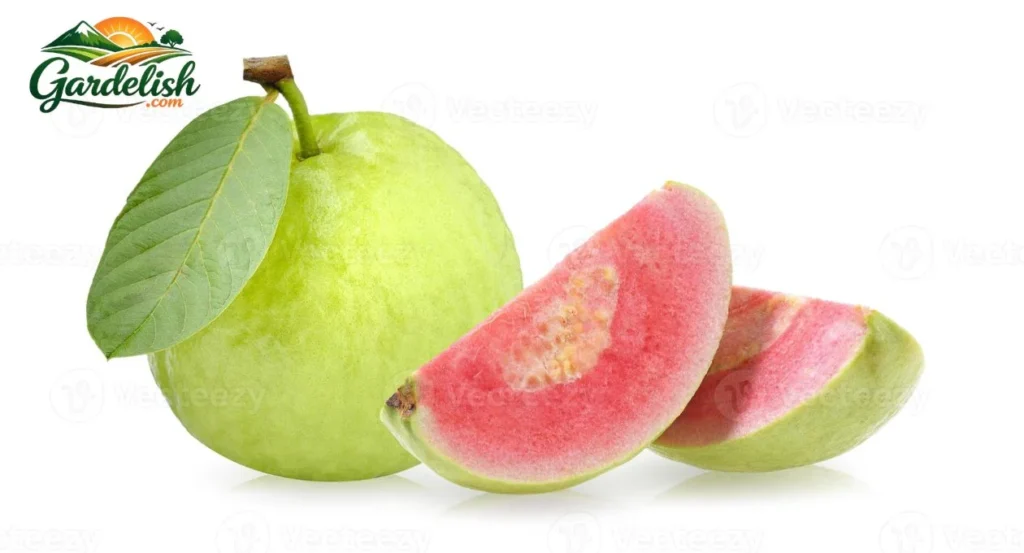
A guava like fruit usually refers to a fruit that looks, smells, or tastes similar to guava, or comes from a closely related tropical or subtropical plant. The most common examples are pineapple guava, also called feijoa, strawberry guava, lemon guava, and related fruits from the myrtle family. Some are true guavas from the Psidium genus, while others simply share guava’s fragrant flesh, edible seeds, rounded shape, or tropical flavor.
For gardeners, the better question is not only “what fruit is like guava?” but “which guava-like fruit can I actually grow where I live?” A tropical guava may thrive in warm, frost-free climates, while pineapple guava is more forgiving in mild temperate gardens. Strawberry guava grows easily too, but in some warm regions it needs caution because it can escape cultivation.
This guide explains the most useful guava-like fruits for home gardens, how they compare, and how to choose the right one for your climate, soil, and growing space.
What Fruit Is Most Like Guava?
The fruit most like guava depends on what you mean by “like.”
If you mean similar taste, pineapple guava is often the first fruit gardeners mention. Its flavor is sweet, aromatic, and slightly tangy, with notes that many people describe as guava, pineapple, mint, or strawberry. It is not the same species as common guava, but it gives a very guava-like eating experience.
If you mean botanically close, strawberry guava and lemon guava are closer because they belong to the Psidium group, the same broad guava family as common tropical guava. Strawberry guava has small red or purple fruit with a sweet-tart flavor, while lemon guava has yellow fruit with a sharper citrus-like note.
If you mean easy to grow in a home garden, pineapple guava is often the best choice in USDA Zones 8 to 11 because it tolerates cooler conditions better than tropical guava and works well as an ornamental edible shrub. UF/IFAS notes that pineapple guava grows in USDA Hardiness Zones 8 to 11 and can handle full sun or part shade.
Why Some Fruits Taste or Look Like Guava
Guava has a very recognizable personality. The fruit is fragrant before you even cut it open. The flesh can be white, yellow, pink, or red, depending on the cultivar. The seeds are usually noticeable. The flavor often sits somewhere between pear, strawberry, melon, citrus, and tropical musk.
Fruits feel “guava-like” for a few main reasons:
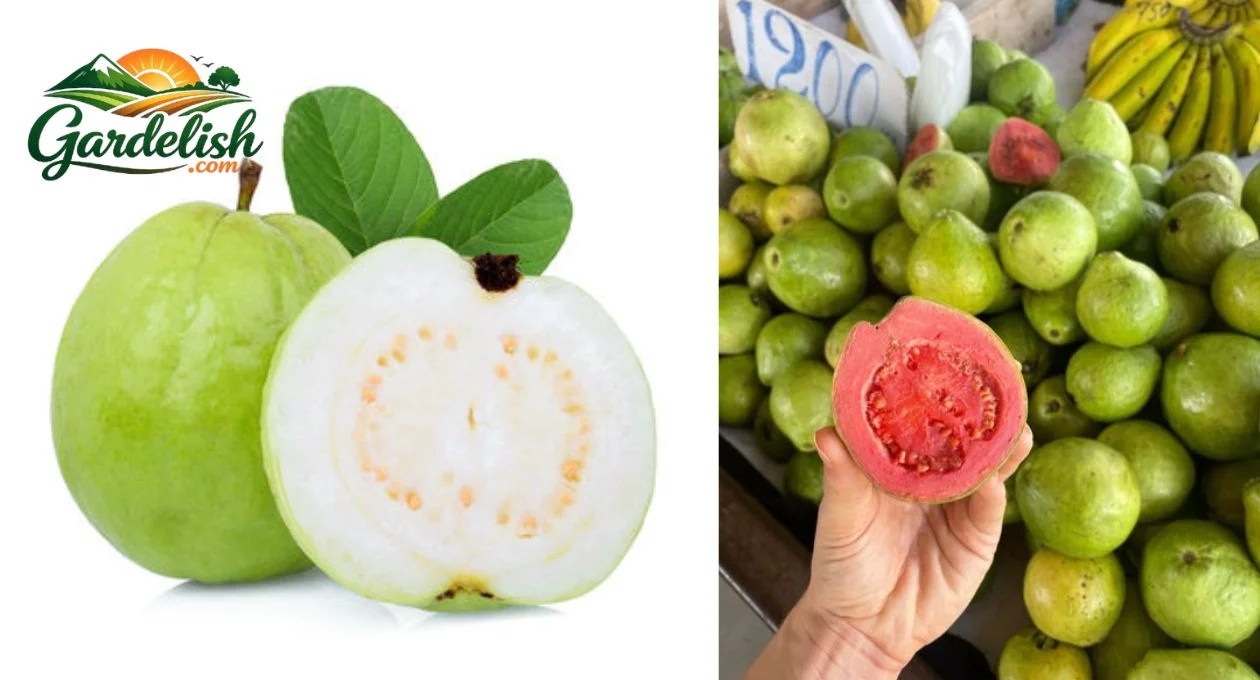
They may belong to the myrtle family, which includes many aromatic fruiting plants. They may have round or oval fruit with edible pulp and seeds. They may release a perfumed tropical scent when ripe. They may also grow as evergreen shrubs or small trees in warm climates.
This is why gardeners often compare guava with pineapple guava, strawberry guava, lemon guava, rose apple, Surinam cherry, and even some tropical fruits that are not closely related but share a similar fragrance or texture.
The important thing is to separate taste comparison from plant care. Two fruits may taste similar but need completely different growing conditions. A tropical guava wants warmth and frost protection. Pineapple guava can tolerate cooler winters. Strawberry guava grows vigorously and may become invasive in certain regions, especially where birds spread the seeds.
Best Guava Like Fruit Options for Home Gardens
Here are the strongest guava-like fruits to consider if you want the flavor, fragrance, or garden feel of guava.
Pineapple guava, or feijoa, Acca sellowiana
This is one of the best guava-like fruits for gardeners outside the true tropics. It grows as an evergreen shrub or small tree with silvery-green leaves, edible flowers, and oval green fruit. The fruit is usually scooped with a spoon when soft. The flavor is aromatic, sweet, tangy, and tropical.
Pineapple guava is especially useful because it can be grown as a hedge, specimen shrub, espalier, or container plant. NC State Extension notes that best flowering and fruiting occurs in full sun, although the plant can tolerate light shade, and consistent moisture helps produce quality fruit.
Strawberry guava, Psidium cattleianum
Strawberry guava is closer to common guava botanically. It produces small round fruit, often red, purple-red, or sometimes yellow depending on type. The flavor is sweet-tart and fruity, with a strawberry-like edge.
It is attractive, productive, and tough, but gardeners must check local invasive plant guidance before planting. UF/IFAS warns that strawberry guava has escaped cultivation in South Florida and its use should be tempered.
Lemon guava and yellow cattley guava
Lemon guava is usually used for yellow-fruited forms related to strawberry guava. It has a brighter, sharper flavor than red strawberry guava and works well for eating fresh, sauces, jellies, and drinks. It likes warmth and good drainage.
Common tropical guava, Psidium guajava
This is the classic guava. It is the fruit most people know from juices, jams, fresh markets, and tropical gardens. It grows best in warm subtropical to tropical climates. UF/IFAS describes guava as well adapted to warm subtropical and tropical conditions, with ideal growth and production temperatures around 73°F to 82°F.
Rose apple, Syzygium jambos
Rose apple is not a guava, but it belongs to the myrtle family and has a fragrant, floral fruit. Its texture is lighter and more watery than guava, but the perfume can feel familiar to people who enjoy aromatic tropical fruit.
Surinam cherry, Eugenia uniflora
Surinam cherry has ribbed red to dark purple fruit with a strong sweet-tart flavor. It is more resinous than guava, so not everyone loves it fresh. Still, it gives the same edible-landscape feeling: evergreen foliage, small fruit, and a strong tropical character.
Choosing the Right Plant for Your Climate
Climate decides more than almost anything else when growing guava or guava-like fruit.
In USDA Zones 9 to 11, tropical guava, strawberry guava, lemon guava, and pineapple guava can all be possible, depending on local frost risk, humidity, drainage, and invasive status.
In USDA Zone 8, pineapple guava is usually the safer choice. It handles cooler weather better than tropical guava and can grow as a hardy edible ornamental in many mild-winter gardens.
In cold climates, guava-like fruit usually needs container growing, a greenhouse, sunroom, or protected patio system. Tropical guava is not a plant to leave outside through freezing winter weather. It may survive brief cool spells, but frost can damage young growth, flowers, and fruiting wood.
If your winters are cold, treat guava-like plants like citrus. Grow them in large containers, move them outside in warm weather, and bring them into a bright protected space before cold nights arrive.
Hot climates have their own challenges. Guavas love warmth, but container plants can dry too quickly in extreme heat. A plant in a black nursery pot on a hot patio can suffer root stress even when the top looks fine. Use mulch, larger containers, and steady watering to avoid fruit drop.
Soil, Sunlight, and Watering Needs
Most guava-like fruits grow best in well-drained soil with steady moisture. They dislike sitting in waterlogged ground, especially during cool weather. If your soil stays wet after rain, plant on a mound, use a raised bed, or improve drainage before planting.
A good planting mix for containers can include:
- High-quality potting mix
- Compost or aged organic matter
- Perlite, pumice, or coarse bark for drainage
- A slow-release organic fertilizer
- Mulch on top to protect shallow roots
Sunlight is also important. Most guava-like plants fruit best with full sun, which usually means six or more hours of direct light. In very hot inland climates, a little afternoon shade can reduce leaf scorch and water stress, especially for young container plants.
Water deeply rather than sprinkling lightly. Shallow watering encourages weak surface roots. A better approach is to soak the root zone, then allow the top few inches of soil to begin drying before watering again. During flowering and fruit swelling, do not let the plant repeatedly wilt. Irregular watering often causes flower drop, fruit drop, or small dry fruit.
For soil improvement articles, this section is a natural internal link opportunity. Topics such as how to improve sandy soil, composting for fruit trees, mulching fruit shrubs, and organic fertilizer for edible gardens would fit well here.
Container Growing and Small-Space Tips
Pineapple guava, strawberry guava, and dwarf tropical guava can all be grown in containers, but they need enough root space to remain productive.
Choose a container that is wide, stable, and well drained. A young plant can start in a medium pot, but long-term fruiting usually requires a larger container. Half-barrel planters, fabric grow bags, and large patio pots work well if they do not stay soggy.
Container guava-like plants need more attention than plants in the ground. Their roots heat up faster, dry out faster, and run out of nutrients faster. This does not make them difficult, but it does mean you cannot treat them like a decorative shrub in the corner and forget about them.
A practical container routine looks like this:
- Place the plant where it gets strong morning sun
- Water deeply when the top soil begins to dry
- Feed lightly during active growth
- Mulch the surface with bark, straw, or compost
- Prune after harvest or before spring growth
- Move frost-sensitive plants indoors before cold nights
For small gardens, pineapple guava is especially useful because it can be clipped as a hedge. You get silver foliage, edible flowers, pollinator interest, and fruit from one plant. In a tight garden, that kind of multi-purpose plant earns its space.
Pollination, Pruning, and Fruit Production
Some guava-like plants can set fruit on their own, but fruiting is often better when pollinators are active or when more than one compatible plant grows nearby.
Pineapple guava may produce better crops when planted with another cultivar, especially in areas where fruit set is unreliable. Bees and other insects visit the flowers, and the fleshy petals are edible too. If your plant flowers heavily but produces little fruit, poor pollination may be one reason.
Pruning should be moderate. Do not shear edible fruit plants too aggressively if fruit production is the goal. A tight formal hedge may look neat, but constant clipping removes flowering wood.
For most home gardeners, the better pruning method is:
- Remove dead, crossing, or weak branches
- Open the center slightly for light and airflow
- Shorten overly long shoots after fruiting
- Keep the plant low enough to harvest easily
- Avoid heavy pruning right before flowering
Tropical guava can become a small tree if unpruned. Pineapple guava naturally forms a shrub or small multi-stemmed tree. Strawberry guava may become dense if ignored. Light yearly pruning keeps all of them easier to manage.
Fruit production also depends on age. Young plants may flower before they are strong enough to carry a full crop. It is normal for a new plant to take time before producing properly. Good roots come before good harvests.
Common Problems, Pests, and Disease Prevention
Most guava-like fruits are fairly resilient, but they are not trouble-free.
Fruit drop is one of the most common complaints. It can happen because of drought stress, sudden temperature changes, poor pollination, root stress, or a young plant carrying more fruit than it can support.
Yellow leaves may point to overwatering, poor drainage, nutrient deficiency, cold stress, or alkaline soil conditions. Do not automatically add fertilizer before checking soil moisture and drainage.
Leaf spots can appear in humid climates, especially where airflow is poor. UF/IFAS highlights the importance of good drainage and proper irrigation in guava disease management.
Scale insects, aphids, and mealybugs may appear on tender growth or indoor overwintered plants. A strong spray of water, insecticidal soap, horticultural oil, and pruning crowded stems can help manage light infestations.
Fruit flies can be a serious issue in warm climates. Pick fruit promptly, remove fallen fruit, and use local extension recommendations where fruit fly pressure is high.
The simplest prevention plan is still the best: healthy soil, steady water, enough sun, clean pruning tools, mulch, airflow, and regular observation. Most problems are easier to fix when you catch them early.
Harvesting and Using Guava-Like Fruits
Harvest timing varies by species, but fragrance is often the best clue. A ripe guava-like fruit usually smells sweet and gives slightly under gentle pressure.
Pineapple guava often drops when ripe. Many gardeners place soft mulch or netting below the shrub to catch fruit cleanly. The flesh is usually scooped out and eaten fresh, blended into smoothies, or used in jam.
Strawberry guava and lemon guava are usually eaten when fully colored and slightly soft. They can be eaten fresh, cooked into jelly, or strained into sauces. The seeds are edible, but some people prefer to process the fruit because of the texture.
Common guava is more versatile. It can be eaten crisp and firm, soft and fragrant, sliced with salt and chili, cooked into paste, or turned into juice. Pink-fleshed cultivars are especially popular for beverages and desserts.
Do not wait too long after ripening. Many guava-like fruits have a short fresh-eating window. Once ripe, they can quickly move from fragrant and delicious to bruised or fermented, especially in warm weather.
FAQs About Guava Like Fruit
1. What is the best guava like fruit to grow at home?
Pineapple guava is often the best guava-like fruit for home gardeners because it is ornamental, productive, and more cold-tolerant than tropical guava. It grows well as a shrub, hedge, small tree, or container plant in suitable climates. In warmer frost-free areas, common guava, strawberry guava, and lemon guava are also good options.
2. Is pineapple guava the same as regular guava?
No. Pineapple guava, also called feijoa, is not the same as common tropical guava. Common guava is Psidium guajava, while pineapple guava is Acca sellowiana. They are related through the broader myrtle family, and both produce aromatic edible fruit, but they are different plants with different growth habits and climate tolerance.
3. Which guava-like fruit grows best in containers?
Pineapple guava is one of the best choices for containers because it grows more slowly than many tropical fruit trees and responds well to pruning. Dwarf tropical guava and strawberry guava can also work in large pots. Use well-drained soil, steady watering, and a sunny protected location.
4. Are strawberry guavas invasive?
Strawberry guava can be invasive in some warm regions, especially where birds spread the seeds into natural areas. Before planting it, check your local extension office or invasive plant list. If it is restricted or discouraged in your area, choose pineapple guava or another non-invasive edible shrub instead.
5. Can I grow guava-like fruit indoors?
You can grow guava-like fruit indoors only if you provide strong light, warmth, drainage, and enough root space. A bright greenhouse, sunroom, or grow-light setup works better than a dark indoor corner. Indoor plants may survive but produce less fruit unless light and pollination are managed well.
Conclusion
A guava like fruit can mean several different plants, but the best choice depends on what you want from your garden. If you want a fruit with a similar tropical fragrance and sweet-tangy flavor, pineapple guava is one of the most practical options, especially for mild climates and small gardens. If you want something botanically closer to true guava, strawberry guava, lemon guava, and common tropical guava are stronger matches, provided your climate is warm enough.
For gardeners, the smartest approach is to choose by climate, soil, space, and maintenance level rather than flavor alone. A well-matched guava-like fruit can give you fragrant flowers, attractive evergreen foliage, pollinator value, and a rewarding harvest. With full sun, good drainage, steady watering, and light pruning, these plants can become beautiful and productive additions to an edible home garden.