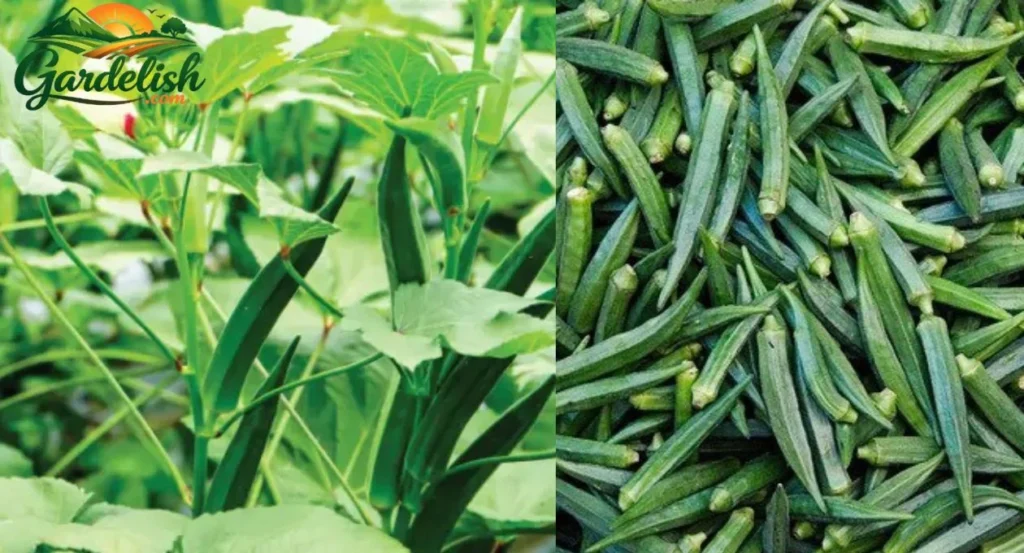
An okra shortage usually happens when heat, drought, delayed planting, poor pollination, pest pressure, or irregular harvesting reduce pod production. In local markets, shortages may also appear after storms, transport delays, or a difficult growing season. For home gardeners, the good news is that okra is one of the most resilient warm-season vegetables when it is planted at the right time and given full sun, warm soil, steady moisture, and regular harvesting.
Okra, botanically known as Abelmoschus esculentus, is a heat-loving crop grown for its tender immature pods. It performs best in warm weather, full sunlight, and well-drained soil. Extension growing guides commonly recommend planting after frost danger has passed, once soil has warmed properly, because cool soil can slow germination and weaken young seedlings.
For gardeners, the question is not only “Why is okra hard to find?” but also “How can I grow enough of it myself?” This guide explains the common causes of okra shortages and gives practical, garden-tested ways to keep your plants productive through summer.
Why an Okra Shortage Happens in Home Gardens and Markets
An okra shortage can happen for several reasons, and they often overlap. Okra may be tough and heat-tolerant once established, but it is not immune to weather stress, poor soil, missed harvests, or pest problems.
In home gardens, the most common cause is poor timing. Okra planted too early in cold soil may germinate slowly, grow weakly, or fail altogether. Okra planted too late may not have enough warm growing days to produce a strong crop before cool nights return.
In markets, shortages can be caused by regional weather events, reduced farm yields, labor issues, transportation delays, or unusually high demand during peak cooking seasons. Because okra is often harvested frequently and sold fresh, even a short disruption in picking or shipping can make supplies look thin.
For gardeners, the important takeaway is simple: most okra supply problems begin with stress at planting, flowering, pod formation, or harvest time.
Weather Stress Is the Biggest Cause of Poor Okra Production
Okra loves warmth, but there is a difference between healthy summer heat and plant stress. The crop grows well in hot climates, yet long periods of drought, dry wind, or extreme temperature swings can reduce flowering and pod set.
Clemson Extension lists okra as a warm-season annual vegetable and notes that it grows best around 75°F to 90°F, with warm soil needed for good germination. That is why gardeners in cooler regions often struggle when they sow too early, while gardeners in very hot regions may struggle when plants are young and not yet deeply rooted.
A young okra seedling under heat stress may look stalled, pale, or thin. Mature plants usually handle heat better, but they still need moisture around the root zone. In dry soil, the plant may survive but produce fewer pods.
Mulching is one of the easiest ways to reduce weather stress. A layer of straw, shredded leaves, compost, or untreated grass clippings helps keep the soil cooler, slows evaporation, and protects shallow feeder roots from harsh afternoon sun.
Soil, Water, and Fertility Problems Behind an Okra Shortage
Okra is forgiving, but it is not magic. Poor soil can turn a promising planting into a disappointing crop.
The best soil for okra is loose, fertile, and well-drained. Sandy loam is excellent, but clay soil can also work if improved with compost and organic matter. Heavy, compacted soil holds too much water after rain and becomes hard during dry spells. Both conditions can slow root growth.
Texas A&M AgriLife recommends growing okra in full sunlight and fertile, well-drained soil for good yields. It also advises working soil deeply before planting, which helps roots expand and improves drainage.
Watering matters most during germination, flowering, and pod formation. Okra can tolerate some dry conditions once established, but drought during flowering may lead to fewer pods. Instead of shallow daily watering, give plants a deeper soak when the top few inches of soil begin to dry. Deep watering encourages roots to search downward, making the plant stronger during summer heat.
Fertilizer should be balanced, not excessive. Too much nitrogen may create tall leafy plants with fewer pods. Compost, aged manure, or a moderate vegetable fertilizer worked into the soil before planting is usually enough for many gardens. If plants look pale or growth is weak, a light side-dressing of compost or organic fertilizer can help.
Pests and Diseases That Can Reduce Okra Harvests
Sometimes an okra shortage in the garden is not caused by planting time or weather. It is caused by insects and diseases quietly weakening the plant.
Common okra pests include aphids, stink bugs, flea beetles, whiteflies, and root-knot nematodes. Clemson Extension lists stink bugs, aphids, nematodes, root-rot diseases, and pod rotting among common okra issues.
Aphids often gather on tender new growth or the undersides of leaves. They suck plant sap and may leave behind sticky honeydew. A strong spray of water, insecticidal soap, or encouraging lady beetles and lacewings can help keep them under control.
Stink bugs can damage pods directly, leaving marks or misshapen growth. Hand-picking, row covers during early growth, and keeping weeds down around the garden can reduce pressure.
Root-knot nematodes are more difficult because they attack underground. Plants may look stunted even when watered properly. When pulled up, roots may show swollen knots. Crop rotation, organic matter, solarization in hot climates, and resistant or vigorous varieties can help reduce future problems.
Disease prevention starts with spacing. Crowded okra plants trap humidity and reduce airflow, creating better conditions for fungal issues. Water at the soil level rather than over the leaves when possible, and avoid working among wet plants.
How to Prevent an Okra Shortage in Your Garden
The best way to prevent an okra shortage at home is to grow the crop in warm soil, full sun, and steady conditions from the beginning. Okra rewards gardeners who give it a strong start.
Plant seeds after frost danger has passed and the soil has warmed. Texas A&M suggests planting okra in spring two to three weeks after all danger of frost has passed, and for a fall crop, planting at least three months before the first fall frost.
Soaking okra seeds overnight can improve germination because the seed coat is fairly hard. You can also nick the seed coat gently with a nail file, but soaking is easier and safer for most beginners.
Space plants properly. Crowded plants compete for water and nutrients, and they are harder to harvest. Texas A&M recommends thinning young okra plants to about one foot apart, with rows at least three feet apart.
Choose dependable varieties. ‘Clemson Spineless’ is widely grown because it is productive and easier to harvest. Compact types like ‘Annie Oakley’ or ‘Blondy’ can work well for smaller gardens and containers. Burgundy and other colorful varieties add ornamental value, though productivity may vary by climate.
Best Growing Conditions for Steady Okra Pods
Okra needs full sun. Six hours is the minimum, but eight or more hours is better. A shady location may produce tall plants with fewer pods.
The soil should drain well but still hold enough moisture. Raised beds are useful if your garden soil stays wet after rain. Compost improves both sandy and clay soils, making it one of the best amendments for okra.
Mulch after seedlings are established and the soil is warm. In very cool spring soil, mulching too early can slow warming. Once summer heat arrives, mulch becomes a major advantage.
For container gardening, choose a deep container of at least 5 gallons per plant. A larger pot is better, especially in hot climates, because small containers dry out quickly. Use a quality potting mix, not heavy garden soil, and place the container where it receives strong sun.
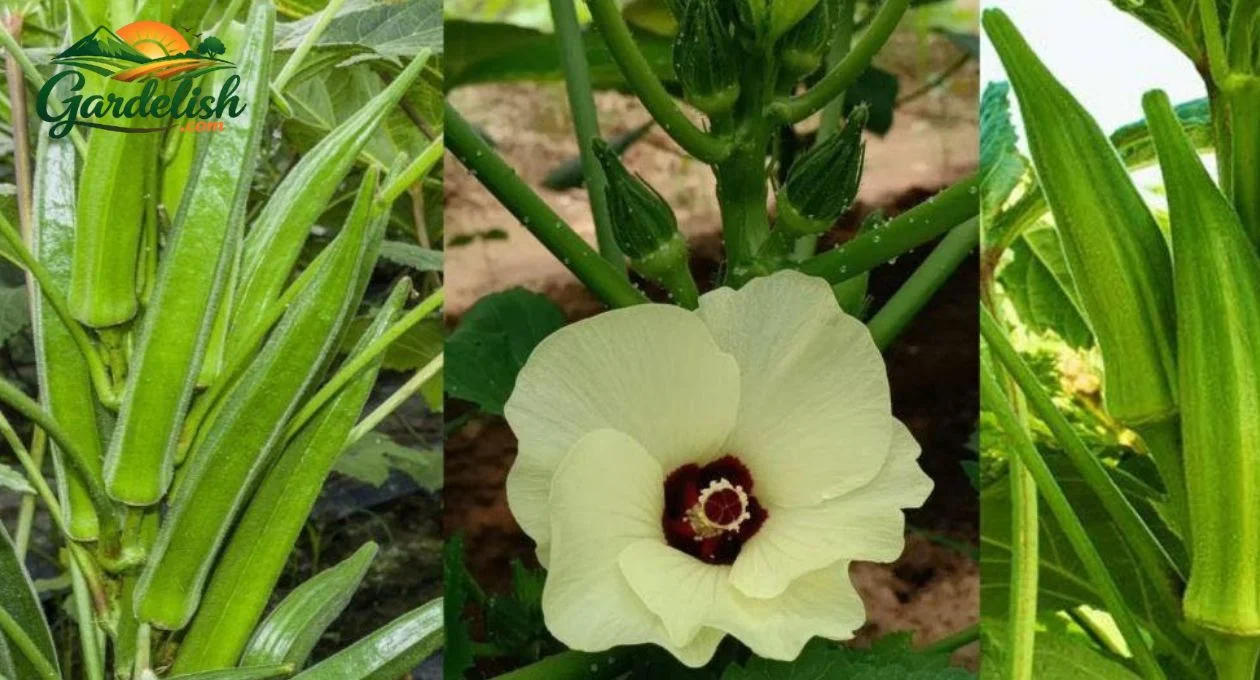
Okra is related to hibiscus and produces beautiful flowers before pods form. After flowering, pods develop quickly. That quick growth is one reason harvesting often needs to happen every day or two during peak season.
Harvesting Mistakes That Make Okra Seem Scarce
One of the most overlooked causes of an okra shortage is irregular harvesting. Okra pods grow fast. If you leave pods on the plant too long, they become tough and woody, and the plant slows down production.
Texas A&M notes that okra pods are generally ready a few days after flowering and recommends harvesting when pods are about 3 to 4 inches long. It also advises picking every one to two days because yields decrease when pods are left too long.
Clemson Extension recommends harvesting pods when they are about 2 to 3 inches long, which is especially helpful for tender eating quality.
Use pruners or a sharp knife rather than pulling pods by hand. Pulling can damage branches, especially on younger plants. Wear gloves and long sleeves if your skin is sensitive, because okra leaves and stems can feel irritating.
The more consistently you harvest, the more the plant is encouraged to keep producing. A neglected okra plant often looks full, but much of that “crop” may already be too tough to eat.
Growing Okra in Containers, Raised Beds, and Small Spaces
You do not need a large farm plot to reduce your dependence on market supply. Okra can grow well in raised beds, kitchen gardens, and large containers.
For containers, choose compact varieties and place pots in the sunniest part of the patio or balcony. Keep watering consistent because container soil dries faster than ground soil. Mulch the top of the container with straw or shredded leaves to slow moisture loss.
Raised beds are excellent for okra because they warm faster in spring and drain better after heavy rain. Mix in compost before planting, and avoid overloading the bed with too many plants. Okra grows upright, but the leaves can spread widely.
Small-space gardeners can plant okra along the north side of a bed so it does not shade shorter crops. In very hot regions, that light afternoon shade from okra can even help lower-growing herbs or greens survive longer.
Good companion planting options include basil, marigolds, cowpeas, peppers, and some herbs. Avoid planting okra repeatedly in the same spot year after year, especially if you have nematode or soil disease problems.
What to Plant When Okra Is Scarce
If you are facing an okra shortage and your current plants are not producing enough, consider planting other warm-season crops that enjoy similar conditions.
Southern peas, yardlong beans, eggplant, peppers, roselle, and Malabar spinach can all help fill the summer harvest gap in warm climates. None of them perfectly replaces okra in texture, but they can keep the garden productive when okra is slow.
For cooking, young zucchini, green beans, eggplant, or nopales may work in some recipes, depending on the dish. In gumbo or stews, okra’s natural thickening quality is unique because of its mucilage, but filé powder or a roux can sometimes help adjust texture.
Gardeners can also plan succession plantings. Instead of sowing all okra at once, plant a small second round a few weeks later if your season is long enough. This spreads risk and helps keep harvests coming.
For internal linking, this section naturally connects to related articles on summer vegetable gardening, heat-tolerant crops, companion planting, raised bed gardening, and organic pest control.
Conclusion: The Best Response to an Okra Shortage Is Better Growing Timing
An okra shortage can be frustrating, especially if okra is a regular part of your summer cooking. But for gardeners, it is also a reminder that okra depends on timing, heat, soil health, and frequent harvesting.
Plant when the soil is warm, give okra full sun, improve the bed with compost, water deeply during dry spells, mulch after establishment, and harvest pods while they are still tender. These simple habits can make the difference between a few scattered pods and a steady summer harvest.
Okra is not a fussy crop, but it does ask for consistency. When you understand what causes poor pod production, you can grow through supply gaps with more confidence and enjoy fresher, better-tasting okra from your own garden.
SEO Meta Title:
Okra Shortage: Causes, Fixes & Growing Tips
Meta Description:
Learn why an okra shortage happens and how to grow more okra with better planting, watering, soil care, pest control, and harvesting tips.
FAQs
1. What causes an okra shortage?
An okra shortage may be caused by extreme weather, drought, poor planting timing, pest pressure, weak harvests, transportation delays, or increased seasonal demand.
2. Why is my okra plant flowering but not producing pods?
Okra may flower without strong pod production if plants are stressed by drought, poor pollination conditions, low fertility, pest damage, or extreme temperature swings.
3. How can I grow more okra at home?
Grow okra in full sun, plant after soil warms, use well-drained fertile soil, water deeply during dry weather, mulch around plants, and harvest pods every one to two days.
4. Can okra grow in containers?
Yes, okra can grow in containers if the pot is deep, receives full sun, drains well, and is watered consistently. Compact varieties are best for small spaces.
5. How often should okra be harvested?
During peak production, okra should usually be harvested every one to two days while pods are still small and tender.
Conclusion
An okra shortage often comes down to weather stress, poor timing, weak soil, pests, or missed harvests. Gardeners can reduce the problem by planting okra in warm soil, giving it full sun, watering deeply, mulching well, and picking pods frequently while they are young and tender.