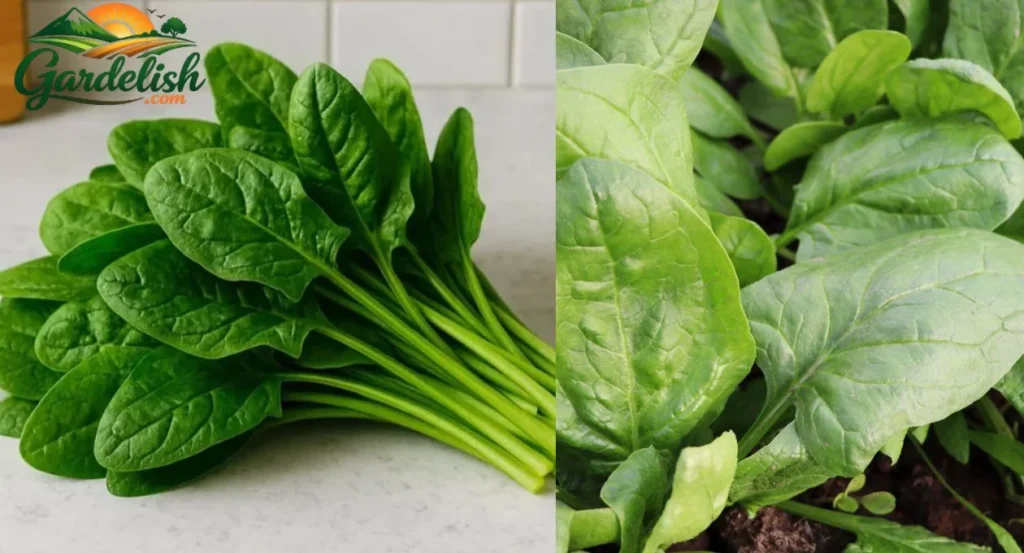
A spinach shortage can happen for several reasons: weather swings, crop disease, heat stress, transport delays, seasonal gaps, or simply a failed backyard crop that bolts before you get a decent harvest. Spinach is a cool-season leafy green, which means it grows best in mild spring and fall conditions rather than hot summer weather. When temperatures rise or plants become stressed, spinach often bolts, turns bitter, or stops producing tender leaves.
For gardeners, the good news is simple: you do not have to depend completely on grocery-store spinach. With the right timing, soil preparation, variety choice, and succession planting, you can grow a steady supply of fresh spinach in beds, containers, raised planters, or even under cover in cooler months.
Spinach, botanically known as Spinacia oleracea, is one of the most useful greens to grow at home because it matures quickly, tolerates light frost, and works well in small spaces. But it is also a little fussy. It wants cool soil, consistent moisture, good fertility, and protection from heat. Understanding those needs is the key to avoiding your own mini spinach shortage in the garden.
What Causes a Spinach Shortage?
A spinach shortage usually comes down to one thing: spinach is sensitive to growing conditions. Commercial growers and home gardeners both face the same basic problem. Spinach grows beautifully when the weather is cool and steady, but it struggles when conditions become too hot, too wet, too dry, or too unpredictable.
Because spinach is a cool-season crop, it performs best in spring and fall rather than in the heat of midsummer. Penn State Extension describes spinach as a leafy green best grown at the beginning or end of the gardening season, while University of Minnesota Extension notes that temperature swings can cause cool-season crops like spinach to bolt, taste bitter, or fail.
Common causes include:
- Hot weather that triggers bolting
- Heavy rain or poor drainage that damages roots
- Drought stress that reduces leaf quality
- Downy mildew and other foliar diseases
- Poor seed germination in warm soil
- Delayed planting or missed seasonal windows
- Supply chain and harvest interruptions in commercial production
For home gardeners, the “shortage” often feels personal. You sow a packet of seed, wait patiently, get a few promising leaves, and then suddenly the plant sends up a flower stalk. Once spinach bolts, the harvest window is nearly over.
Why Spinach Is So Sensitive to Weather
Spinach is not difficult, but it is particular. It prefers cool, moderate conditions and grows quickly when soil is moist, fertile, and not too warm.
The challenge is that spring weather can be unpredictable. A week of chilly nights followed by sudden warm afternoons may push spinach into stress mode. In many gardens, spinach seems fine one day and starts bolting the next.
Bolting is the plant’s natural response to stress and seasonal change. Instead of focusing on leaf production, the plant shifts energy into flowering and seed formation. This is useful for the plant, but frustrating for the gardener.
Heat is one of the biggest triggers. Long days, warm soil, dry roots, overcrowding, and poor fertility can all make spinach bolt faster. Once a central stem begins stretching upward, the leaves often become smaller, tougher, and more bitter.
That is why experienced gardeners treat spinach as a short-window crop. They plant early, harvest often, and sow again in fall rather than trying to force spinach through hot weather.
How to Grow Spinach at Home During a Spinach Shortage
The best way to avoid depending on store-bought spinach is to grow it in repeat plantings. Instead of sowing one large patch all at once, plant small batches every 10 to 14 days during suitable weather.
Choose a spot with full sun in cool seasons and partial afternoon shade as temperatures rise. In mild climates, spinach can handle plenty of sun. In warmer regions, a little shade can help keep the soil cooler and delay bolting.
Spinach grows well in:
- Raised beds
- In-ground vegetable gardens
- Fabric grow bags
- Window boxes
- Balcony containers
- Cold frames
- Low tunnels
- Greenhouse beds in cool weather
For best results, sow seeds directly where the plants will grow. Spinach can be transplanted, but it dislikes root disturbance. Direct seeding usually gives stronger plants, especially in outdoor beds.
Sow seeds about ½ inch deep and keep the soil evenly moist until germination. If seedlings come up too thickly, thin them so plants have room to develop. Crowded spinach is more likely to stay small, develop poor airflow, and suffer from disease.
Best Growing Conditions for Healthy Spinach
Spinach grows best in loose, fertile, moisture-retentive soil with good drainage. It does not like sitting in soggy soil, but it also performs poorly when the root zone dries out.
Before planting, work in finished compost or well-rotted organic matter. This improves soil structure, feeds soil microbes, and helps retain moisture without waterlogging the bed.
A good spinach bed should have:
- Rich, crumbly soil
- Consistent moisture
- Good drainage
- A slightly acidic to neutral pH
- Light mulch once seedlings are established
- Enough spacing for airflow
Spinach is a leafy crop, so nitrogen matters. However, avoid dumping large amounts of strong fertilizer onto young plants. A balanced organic vegetable fertilizer, compost, or diluted fish emulsion can support steady leaf growth.
Mulching with straw, shredded leaves, or fine compost helps keep soil cool and moist. This is especially useful in late spring when the sun becomes stronger.
For gardeners building long-term soil health, this section naturally connects to related topics such as composting, soil improvement, raised bed preparation, and organic fertilizers.
Choosing the Right Spinach Varieties
Not all spinach varieties behave the same way. Some are better for baby leaf harvests, while others produce larger mature leaves. Some tolerate cold well, while others resist bolting better in mild warmth.
The three common spinach leaf types are:
| Spinach Type | Best Use | Main Advantage |
| Savoy spinach | Cooking, soups, sautés | Crinkled leaves, rich texture |
| Smooth-leaf spinach | Salads, quick washing | Easy to clean, tender leaves |
| Semi-savoy spinach | All-purpose growing | Good balance of texture and easy handling |
If your garden often warms quickly, look for varieties described as slow-bolting or heat-tolerant. These will not turn spinach into a summer crop, but they may extend your harvest by a week or two.
For colder areas, choose varieties known for winter hardiness and plant them in late summer or early fall. With row cover, some gardeners can harvest into winter or get an early spring flush from overwintered plants.
Do not rely on one variety only. A practical approach is to test two or three types in small patches. Over time, you will learn which spinach performs best in your soil and climate.
Preventing Bolting Before It Ruins Your Crop
Bolting is one of the most common reasons gardeners feel like they are facing a spinach shortage. The plants are alive, but the harvest quality disappears.
You cannot reverse bolting once it starts, but you can delay it.
To reduce bolting:
- Plant spinach early in spring or in late summer for fall harvests
- Keep soil evenly moist
- Use mulch to cool the root zone
- Harvest outer leaves regularly
- Avoid overcrowding
- Provide afternoon shade in warming weather
- Choose slow-bolting varieties
- Stop trying to grow spinach in peak summer heat
If your spinach sends up a flower stalk, taste a leaf. If it is still mild, harvest immediately. If it is bitter, pull the plant and replace it with a more heat-tolerant green such as Swiss chard, New Zealand spinach, Malabar spinach, or perpetual spinach.
These substitutes are not true spinach in the botanical sense, but they are excellent leafy greens for warm weather. They help bridge the seasonal gap until real spinach can be sown again in fall.
Common Spinach Pests and Diseases
Spinach is generally easy to grow, but pests and diseases can damage leaves quickly because the edible part of the plant is also the most exposed.
Common problems include aphids, leaf miners, slugs, flea beetles, damping-off in seedlings, and downy mildew.
Downy mildew is especially important because it can affect both home gardens and commercial crops. Cornell describes spinach downy mildew as a serious disease caused by Peronospora effusa, with purplish-gray fuzzy growth often appearing on the underside of leaves. UC IPM also notes that downy mildew is a major spinach disease in California and develops under cool, wet conditions.
Good prevention matters more than rescue treatment.
Use these habits:
- Water at soil level rather than soaking the leaves
- Space plants for airflow
- Remove diseased leaves quickly
- Rotate leafy greens when possible
- Avoid working among wet plants
- Use clean seed from reliable suppliers
- Keep weeds down around the bed
For organic pest control, floating row cover is one of the simplest tools. It protects young spinach from insects while still letting in light and rain. Just remember to remove or lift covers occasionally to check plant health and moisture.
Growing Spinach in Containers and Small Spaces
Spinach is one of the better vegetables for containers because it has a relatively shallow root system and grows quickly. A balcony, patio, doorstep, or sunny windowsill can produce a useful harvest if the container is deep enough and kept evenly moist.
Choose a pot at least 6 to 8 inches deep. Wider is usually better than deeper because spinach is harvested by leaf area, not root depth.
For container spinach:
- Use high-quality potting mix
- Avoid heavy garden soil in pots
- Keep containers cool in warm weather
- Water consistently
- Feed lightly after the first harvest
- Harvest baby leaves early and often
Containers dry out faster than garden beds, so check moisture regularly. A dry container can push spinach into stress very quickly. Fabric grow bags are useful in cool weather, but in hot conditions they may dry too fast unless watered carefully.
If growing indoors, place spinach near a bright window or use grow lights. Indoor spinach usually works best as baby leaf spinach rather than large mature plants. Keep the room cool and avoid placing pots near heaters or hot glass.
Succession Planting for a Steady Harvest
Succession planting is the gardener’s best answer to spinach shortage. Instead of expecting one planting to feed you for months, sow small amounts repeatedly.
A simple spring schedule might look like this:
| Timing | What to Do |
| Early spring | Sow first spinach as soon as soil can be worked |
| 10–14 days later | Sow a second small patch |
| Mid-spring | Sow a third patch in a slightly shaded spot |
| Late spring | Switch to heat-tolerant greens |
| Late summer | Start spinach again for fall harvest |
| Autumn | Use row cover or low tunnels to extend harvest |
This method gives you fresh leaves over a longer period and reduces the risk of losing everything to one heat wave, pest problem, or germination failure.
In cooler climates, fall spinach is often better than spring spinach. The soil is warm enough for germination, but the weather gradually cools as the plants mature. This produces sweet, tender leaves and less bolting pressure.
What to Grow When Spinach Is Unavailable
Even with good planning, there will be times when spinach is not the best crop for your garden. Rather than fighting the season, grow alternatives.
Good spinach substitutes include:
| Crop | Best Season | Why Grow It |
| Swiss chard | Spring to fall | Heat-tolerant and productive |
| New Zealand spinach | Warm weather | Handles summer better than true spinach |
| Malabar spinach | Hot climates | Vining green for humid heat |
| Arugula | Cool weather | Fast-growing with peppery flavor |
| Kale | Cool to mild seasons | Hardy and nutrient-rich |
| Asian greens | Spring and fall | Quick harvest and strong regrowth |
Swiss chard is especially useful because it keeps producing when spinach has already bolted. Malabar spinach is excellent in hot, humid climates, though its texture is different. New Zealand spinach grows slowly at first but becomes productive in warm weather.
This is where companion planting and seasonal planting guides can support readers well. A garden that includes several leafy greens is much more resilient than one that depends on spinach alone.
Harvesting and Storing Spinach for Maximum Use
Harvest spinach when leaves are large enough to eat. For baby spinach, this may be when leaves are only a few inches long. For mature spinach, wait until leaves are fuller but still tender.
The best method is cut-and-come-again harvesting. Pick the outer leaves first and leave the center growing point intact. This lets the plant continue producing.
Harvest in the morning if possible. Leaves are usually crisper before the heat of the day. After picking, rinse gently, dry well, and store in the refrigerator in a breathable bag or container with a paper towel to absorb excess moisture.
For longer storage, spinach can be blanched and frozen. This is useful if you get a strong spring or fall harvest and want to preserve greens for soups, sauces, omelets, and smoothies.
Avoid storing wet spinach in sealed plastic for too long. Excess moisture encourages sliminess and decay.
Final Thoughts on Handling a Spinach Shortage
A spinach shortage is frustrating, whether it shows up as empty grocery shelves, expensive leafy greens, poor seed germination, or garden plants that bolt too soon. But spinach is also one of the easiest crops to bring closer to home when you understand its rhythm.
Grow it in cool weather. Keep the soil rich and moist. Harvest regularly. Sow small batches instead of one large planting. When summer heat arrives, switch to chard, Malabar spinach, or New Zealand spinach rather than forcing a crop that wants cooler days.
The most reliable gardeners are not the ones who control every condition. They are the ones who adapt. With spinach, adaptation means timing your sowings, protecting plants from stress, and growing a few backup greens so your kitchen never depends on one fragile crop.
FAQs
Why is there a spinach shortage?
A spinach shortage can happen because of weather stress, crop disease, transport delays, poor harvest conditions, or seasonal growing gaps. In home gardens, the most common causes are bolting, heat, dry soil, and planting at the wrong time.
Can I grow spinach at home during a shortage?
Yes. Spinach grows well in garden beds, raised beds, containers, and cool-season tunnels. For the best results, plant it in early spring or late summer, keep the soil moist, and harvest leaves regularly.
What is the best month to plant spinach?
The best month depends on your climate. In many regions, spinach is planted in early spring as soon as soil can be worked, then again in late summer or early fall for a cooler-season harvest.
Why does my spinach bolt so quickly?
Spinach bolts when it is stressed by heat, long days, dry soil, overcrowding, or sudden weather changes. Once it bolts, the leaves usually become smaller and more bitter.
What can I grow instead of spinach in hot weather?
Good warm-weather spinach alternatives include Swiss chard, New Zealand spinach, Malabar spinach, and some heat-tolerant Asian greens. These crops handle summer conditions better than true spinach.
Conclusion
A spinach shortage is easier to manage when you understand how spinach grows. Plant it in cool seasons, protect it from heat stress, improve the soil with compost, and use succession planting for steady harvests. When temperatures rise, switch to heat-tolerant leafy greens so your garden keeps producing even when spinach slows down.