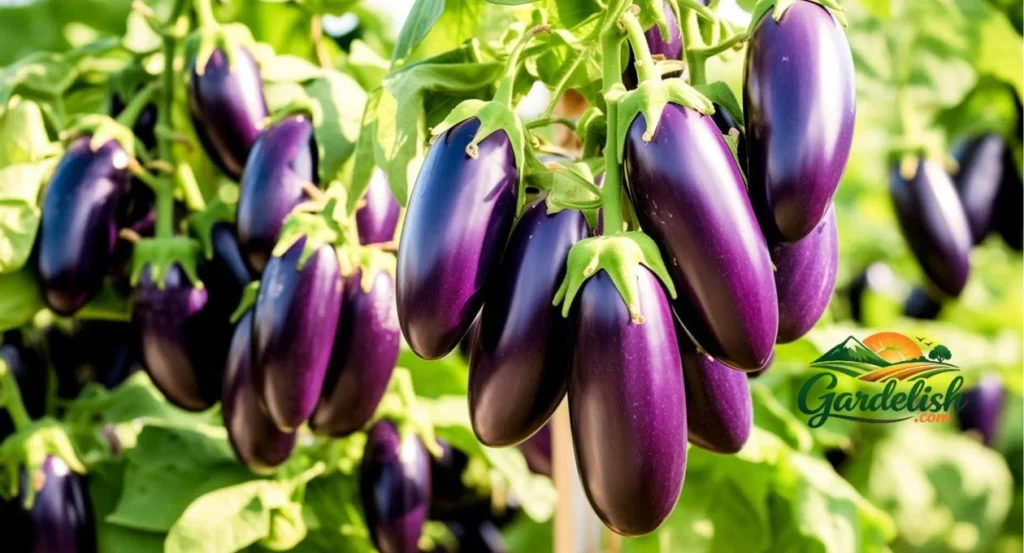
An eggplant shortage can happen for many reasons: poor weather, pest pressure, transport delays, high farming costs, or a weak growing season in key producing areas. For home gardeners, the good news is simple: eggplant is very growable when it gets heat, sun, fertile soil, steady moisture, and protection from early pests.
Eggplant, also called aubergine or brinjal, is a warm-season crop from the nightshade family. Its botanical name is Solanum melongena. It grows best when the weather is settled and warm, much like tomatoes and peppers. When temperatures are too cold, too hot, too wet, or too dry, plants may grow slowly, drop flowers, or produce fewer fruits.
So, if your local market has fewer eggplants than usual or prices feel higher, the best long-term answer may be learning how to grow a reliable crop at home.
What Does an Eggplant Shortage Usually Mean?
An eggplant shortage does not always mean there is no eggplant anywhere. Most of the time, it means supply is lower than normal in a specific region, season, or market.
This can show up in different ways:
- Fewer eggplants on grocery shelves
- Smaller or lower-quality fruits
- Higher prices at markets
- Limited variety choices
- Short supply at restaurants or local produce stands
For gardeners, this topic is more than a food supply issue. It is also a reminder that eggplant depends heavily on stable growing conditions. A few weeks of bad weather, pest damage, or poor pollination can reduce harvests quickly.

Commercial growers face many of the same problems home gardeners face, only on a much larger scale. If weather, disease, insects, labor, transport, or fuel costs affect farms, the result can be less eggplant reaching stores.
Common Causes Behind an Eggplant Shortage
Several growing and supply problems can reduce eggplant availability. Some are farm-related, while others happen after harvest.
1. Weather Stress
Eggplant loves warmth, but it does not like extreme stress. Cold spring soil can delay planting. Strong heat can reduce flower set. Heavy rain can cause root problems. Long dry spells can make plants drop flowers or produce small fruits.
A home gardener may see this as poor harvest. A farmer may see it as a reduced crop. When this happens across many farms at once, supply can fall.
2. Pest Pressure
Eggplant is well known for attracting pests, especially flea beetles. Young plants can suffer badly when flea beetles chew many tiny holes in the leaves. Illinois Extension notes that flea beetle damage can be serious on young eggplant plants, and floating row covers can help protect them early in the season.
Other pests include aphids, spider mites, Colorado potato beetles, hornworms, and eggplant lace bugs. NC State Extension also lists eggplant flea beetles, eggplant lace bugs, and twospotted spider mites as important eggplant pests.
3. Plant Diseases
Eggplant can suffer from diseases that also affect tomatoes, peppers, and potatoes. Verticillium wilt is one of the common problems. It can cause yellowing, wilting, weak growth, and plant decline.
Soil-borne diseases are especially difficult because they can stay in the soil. That is why crop rotation matters. Avoid planting eggplant in the same bed where tomatoes, peppers, potatoes, or eggplants grew recently.
4. Higher Growing Costs
Commercial eggplant production needs seed, fertilizer, irrigation, labor, pest control, packaging, cold storage, and transport. If these costs rise, some growers may plant less. Others may focus on more profitable crops.
This can reduce supply, especially in smaller markets.
5. Transport and Market Delays
Eggplants bruise easily and do not store as long as some harder vegetables. If transport is delayed, quality can drop fast. A supply problem may not start in the field. It can happen between the farm and the store.
Why Eggplant Is Sensitive in the Garden
Eggplant is not a difficult crop, but it is less forgiving than some vegetables. It needs the right start.
Michigan State University Extension describes eggplant as a warm-season crop with medium fertility needs, medium water needs, and common propagation by transplant. It also notes that eggplant seedlings often need 8 to 10 weeks before transplanting.
This explains why many gardeners struggle when they direct-sow eggplant too late or transplant too early. The plant wants a warm root zone, steady growth, and protection from cold nights.
Eggplant is also a long-season crop. In cooler climates, a late start can mean fewer fruits before fall arrives. In very hot climates, the plant may grow well but struggle with flower drop during extreme heat.
Best Growing Conditions for a Reliable Eggplant Harvest
If you want to reduce your dependence on store supply, give eggplant the conditions it truly wants.
Sunlight
Eggplant needs full sun. Aim for at least 6 to 8 hours of direct sunlight daily. A sunny raised bed, open vegetable patch, or bright container garden works well.
Weak light usually means weak plants, fewer flowers, and slower fruit growth.
Soil
Eggplant grows best in fertile, well-drained soil. A loose loam soil with compost is ideal. Heavy clay can work if improved with organic matter, but it must not stay waterlogged.
Before planting, mix in finished compost or aged manure. This improves soil structure, moisture balance, and nutrient availability.
Good internal linking opportunity: link this section to a related article on soil improvement for vegetable gardens or how to make compost at home.
Temperature
Eggplant likes warm soil and warm air. Alabama Cooperative Extension lists eggplant’s minimum soil temperature for germination as 60°F and its best germination range as 75°F to 90°F.
For outdoor planting, wait until frost danger has passed and nights are reliably mild. Cold stress can slow growth for weeks.
Watering
Keep soil evenly moist, not soggy. Eggplant does not like drying out during flowering and fruiting. Uneven watering can lead to poor fruit development and stress.
A deep watering once or twice a week is usually better than daily light watering. In hot weather or containers, check soil more often.
Mulch
Mulch helps keep soil moisture stable and reduces weed competition. Straw, shredded leaves, untreated grass clippings, or compost mulch can work well.
Mulching is especially useful during hot summers because it keeps the root zone cooler and steadier.
How to Grow Eggplant at Home During a Shortage
Growing your own eggplant is one of the most practical ways to handle local supply issues. You do not need a large farm. A sunny garden bed or a few big containers can produce a useful harvest.
Start with Transplants
Most gardeners get better results from transplants than direct sowing. Start seeds indoors 8 to 10 weeks before your outdoor planting date, or buy healthy seedlings from a nursery.
Choose compact, strong plants with deep green leaves. Avoid leggy, yellow, wilted, or pest-damaged seedlings.
Harden Plants Before Planting
Do not move indoor seedlings straight into full sun and wind. Harden them off slowly over 7 to 10 days. Place them outside for a short time at first, then increase exposure each day.
This reduces transplant shock.
Give Plants Enough Space
Crowded eggplants are more likely to suffer from poor airflow, disease, and pest problems. Most varieties need about 18 to 24 inches between plants.
Larger varieties may need even more room. Compact varieties can grow well in containers.
Stake Early
Eggplant fruits can become heavy. Staking early prevents stems from bending or breaking later. A simple bamboo stake, tomato cage, or small plant support is enough for most home gardens.
Container Gardening for Eggplant
Eggplant grows very well in containers when the pot is large enough. This is helpful for small gardens, balconies, patios, and renters.
Use a container that holds at least 5 gallons of soil for one plant. Bigger is better, especially in hot weather. Choose a pot with drainage holes because waterlogged roots can quickly weaken the plant.
Use high-quality potting mix, not heavy garden soil. Potting mix drains better and gives roots more air.
Good container varieties include:
- ‘Patio Baby’
- ‘Fairy Tale’
- ‘Gretel’
- ‘Hansel’
- Compact Asian eggplant types
Container eggplants dry out faster than plants in the ground. Check moisture often during hot weather. A mulch layer on top of the potting mix can help.
Good internal linking opportunity: link this section to an article on container vegetable gardening for beginners.
Pest and Disease Control for Healthy Eggplants
Strong pest control is one of the main secrets to avoiding poor harvests. You do not need harsh methods for every problem, but you do need regular observation.
Flea Beetles
Flea beetles are tiny jumping insects that chew small holes in leaves. Young eggplant seedlings are especially vulnerable. UC Agriculture and Natural Resources says flea beetle adults can be very destructive to young plants, with the greatest damage on cotyledons, stems, and foliage.
Useful control methods include:
- Use floating row covers after transplanting
- Remove weeds around the bed
- Plant strong, healthy seedlings
- Check leaves often in early growth
- Use organic-approved sprays only when needed
- Avoid planting eggplant in the same pest-heavy spot every year
Aphids
Aphids gather on soft new growth and under leaves. They suck plant sap and can weaken young plants.
A strong water spray can remove small colonies. Ladybugs, lacewings, and other beneficial insects also help. Avoid overusing nitrogen fertilizer because soft, lush growth can attract aphids.
Spider Mites
Spider mites become worse in hot, dry conditions. Leaves may look dusty, speckled, or bronzed. Fine webbing may appear under leaves.
Improve humidity around the plant, water properly, and remove badly affected leaves. In severe cases, insecticidal soap may help if used correctly.
Verticillium Wilt
Verticillium wilt is a soil-borne disease. Once it is present, it is hard to remove quickly. Prevention is better than cure.
Use crop rotation, healthy transplants, clean tools, and disease-resistant varieties where available. Do not plant eggplant after tomatoes, potatoes, peppers, or other nightshades in the same soil year after year.
Good internal linking opportunity: link this section to a guide on organic pest control for vegetable gardens.
Feeding Eggplant Without Overdoing It
Eggplant needs fertile soil, but too much fertilizer can cause problems. A plant with too much nitrogen may grow many leaves but fewer flowers and fruits.
Before planting, add compost to the soil. After plants begin flowering, use a balanced organic vegetable fertilizer or one slightly lower in nitrogen.
Good options include:
- Compost
- Worm castings
- Well-rotted manure
- Fish emulsion used lightly
- Balanced granular organic fertilizer
- Tomato and vegetable fertilizer
Avoid dumping fertilizer directly against the stem. Water after feeding so nutrients move into the soil.
A practical rule: feed enough to keep plants growing steadily, but not so much that they become leafy and lazy.
Pollination and Flower Drop: Why Plants Bloom but Do Not Fruit
Many gardeners see eggplant flowers but no fruit. This can feel confusing, especially during a local eggplant shortage when you are counting on your garden.
Eggplant flowers are self-pollinating, meaning each flower has both male and female parts. Still, vibration from wind, insects, or gentle movement helps pollen transfer.
Poor fruit set can happen because of:
- Extreme heat
- Cold nights
- Drought stress
- Too much nitrogen
- Weak plants
- Poor pollinator activity
- Overcrowding
- Lack of sunlight
If flowers keep dropping, check the basics first. Is the plant getting enough sun? Is the soil too dry? Has the weather been extremely hot? Are you feeding too much nitrogen?
You can also gently tap flowers or shake the plant in the morning to help pollination. Some gardeners use a small electric toothbrush near the flower stem to vibrate pollen loose.
Best Eggplant Varieties to Grow for Better Supply
One smart way to protect yourself from poor harvests is to grow more than one type of eggplant. Different varieties handle weather, pests, and cooking uses differently.
Classic Large Eggplants
These are the big purple types many people know from grocery stores.
Good for:
- Roasting
- Baking
- Grilling
- Eggplant parmesan
- Stuffed eggplant
Popular type: ‘Black Beauty’
Asian Eggplants
Asian eggplants are usually long, slim, and tender. They often cook quickly and can be more productive in home gardens.
Good for:
- Stir-fries
- Curries
- Grilling
- Quick sautéing
These are great for gardeners who want steady picking rather than waiting for very large fruits.
Small and Compact Eggplants
Small varieties are useful for containers and short seasons. They often mature faster and fit better in patio gardens.
Good for:
- Balcony gardens
- Raised beds
- Small households
- Faster harvests
Examples include ‘Fairy Tale’, ‘Patio Baby’, and ‘Gretel’.
Harvesting Eggplant at the Right Time
Harvest timing affects flavor, texture, and plant productivity. Do not wait too long.
Pick eggplants when the skin is glossy, the fruit feels firm, and it has reached usable size. If the skin turns dull and the seeds inside become hard, the fruit is overmature.
Use garden snips or a sharp knife. Eggplant stems can be tough and slightly prickly, so do not pull fruits by hand.
Regular harvesting encourages the plant to keep producing. If you leave large old fruits on the plant, it may slow down new fruit development.
After harvest, use eggplant soon for best quality. It does not store as long as winter squash or potatoes.
Can Home Gardens Really Help During an Eggplant Shortage?
Yes, but with realistic expectations.
A few eggplant plants will not replace an entire market supply. But they can give your household fresh, flavorful fruits during the growing season. They can also reduce pressure on your grocery budget when prices rise.
For a small family, 2 to 4 healthy plants can provide a useful amount of eggplant. If you cook eggplant often, grow more plants and choose a mix of early, compact, and full-sized varieties.
The bigger benefit is control. You choose the varieties, growing methods, harvest timing, and pest control approach. You can grow organically, use compost, avoid unnecessary sprays, and pick fruits at peak freshness.
Eggplant Shortage Prevention Tips for Gardeners
The best way to handle an eggplant shortage is to plan before the season starts.
Start seeds early indoors if your climate has a short summer. Use healthy transplants if you are a beginner. Prepare the soil with compost. Protect young plants from flea beetles. Water consistently. Mulch well. Choose varieties that match your climate and space.
In cooler regions, use black plastic mulch, raised beds, row covers, or warm microclimates to help plants establish faster. In hot regions, keep moisture steady and consider light afternoon shade during extreme heat.
Also, do not rely on only one variety. Grow a classic purple type, a slim Asian type, and a compact container type if space allows. This gives you a better chance of success even when one variety struggles.
Conclusion
An eggplant shortage is usually caused by a mix of weather stress, pest problems, disease pressure, rising production costs, and supply chain issues. For gardeners, it is also a useful lesson: eggplant rewards good timing, warm soil, steady care, and early pest protection.
If you have sun, fertile soil, and enough warmth, growing your own eggplant is a smart and satisfying choice. Start with healthy transplants, protect young plants from flea beetles, water evenly, avoid too much nitrogen, and harvest while fruits are glossy and tender.
A small home garden may not solve every supply issue, but it can give you fresher food, better flavor, and more confidence when market availability changes.
FAQs
1. What causes an eggplant shortage?
An eggplant shortage can happen because of bad weather, pest damage, plant diseases, high farming costs, transport delays, or weak seasonal production.
2. Is eggplant hard to grow at home?
Eggplant is not very hard to grow, but it needs warm weather, full sun, fertile soil, steady water, and early protection from pests like flea beetles.
3. What is the best time to plant eggplant?
Plant eggplant outdoors after frost danger has passed and the soil is warm. In many climates, gardeners start seeds indoors 8 to 10 weeks before transplanting.
4. Why is my eggplant flowering but not producing fruit?
This often happens because of heat stress, cold nights, poor watering, too much nitrogen, weak pollination, or lack of sunlight.
5. Can eggplant grow in containers?
Yes, eggplant grows well in containers. Use at least a 5-gallon pot, high-quality potting mix, full sun, and regular watering.
Conclusion
An eggplant shortage can be frustrating, but gardeners can respond by growing their own dependable supply. With warm soil, full sun, compost-rich soil, steady watering, and early pest control, eggplant can become a productive and rewarding crop in home gardens.