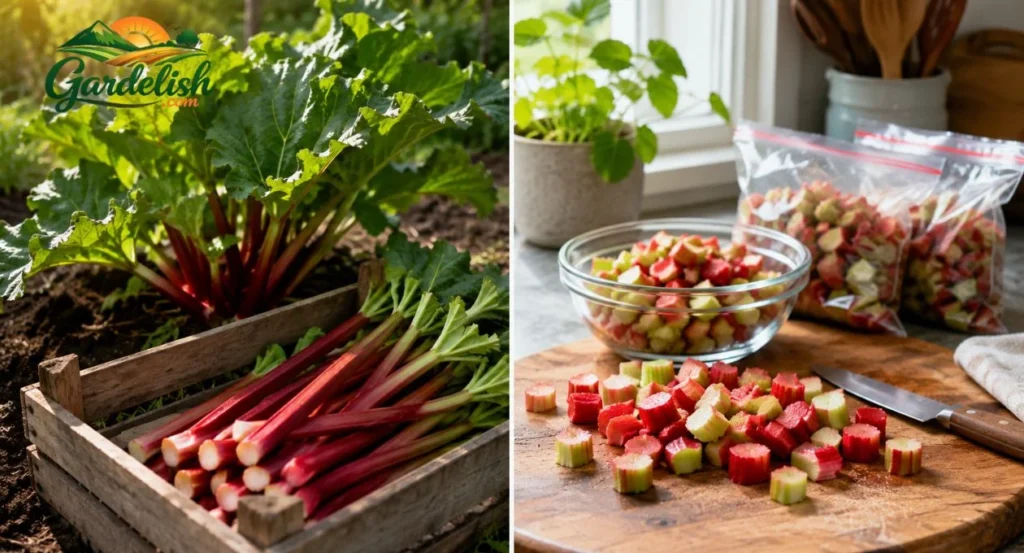
Rhubarb has always been a seasonal pleasure, not a year-round staple. That is why even a small disruption in weather, harvest timing, transport, or farm production can make fresh rhubarb harder to find. When people talk about a rhubarb shortage, they are often seeing the fragile journey From Farms to Tables in real time.
Unlike tomatoes, lettuce, or potatoes, rhubarb is a specialty perennial crop with a short peak harvest window. It thrives in cool climates, needs time to establish, and cannot be rushed like fast-growing annual vegetables. For gardeners, shoppers, bakers, and small food businesses, understanding this shortage means looking at the whole chain: the soil, the season, the farmer, the market, and finally the kitchen.
Is There Really a Rhubarb Shortage or Just Seasonal Scarcity?
In many cases, rhubarb feels scarce because it is naturally seasonal. Fresh field-grown rhubarb is usually at its best in spring and early summer. Outside that window, stores may depend on greenhouse-grown rhubarb, imported supply, frozen stock, or smaller local harvests.
So the issue is not always a complete shortage. Sometimes it is a seasonal supply gap. If a cold spring delays growth, a late frost damages early stalks, or heavy rain causes crown problems, the supply arriving at markets can shrink quickly.
This is why rhubarb may be easy to find at a farmers’ market one week and almost impossible to buy the next. Its availability is closely tied to local growing conditions.
From Farms to Tables: Where the Rhubarb Supply Chain Breaks
The phrase From Farms to Tables is more than a nice food phrase here. It explains exactly why rhubarb can disappear from shelves.
First, growers need healthy crowns in fertile, well-drained soil. Then the crop must produce strong stalks during a limited harvest period. After that, rhubarb has to be picked, trimmed, cooled, transported, displayed, and sold while still crisp.
If one part of that chain weakens, the final customer notices. A farm may have fewer stalks. A distributor may reject poor-quality bunches. A store may receive a smaller shipment. A bakery may pay more for the same ingredient.
Rhubarb is not a crop with endless backup supply. That makes it especially vulnerable.
Why Rhubarb Is Hard to Find
Weather Stress Can Reduce Harvests
Rhubarb prefers cool spring weather. It needs winter dormancy, steady moisture, and mild temperatures to push out thick, tender stalks. Warmer winters, sudden spring heat, late frosts, or long wet spells can all reduce quality.
A late frost can damage fresh growth, while waterlogged soil can weaken the crown. In a home garden, you may notice thin stalks, floppy growth, or a plant that simply does not wake up with its usual strength.
For commercial growers, those same problems happen at scale. A weak crop means fewer bunches available for grocery stores and food businesses.
Rhubarb Is a Specialty Crop, Not a Mass-Market Vegetable
One reason the rhubarb shortage feels sharper is that fewer farms grow rhubarb compared with everyday vegetables. It takes space, patience, and long-term care. New plants usually should not be harvested heavily right away because the crown needs time to build strength.
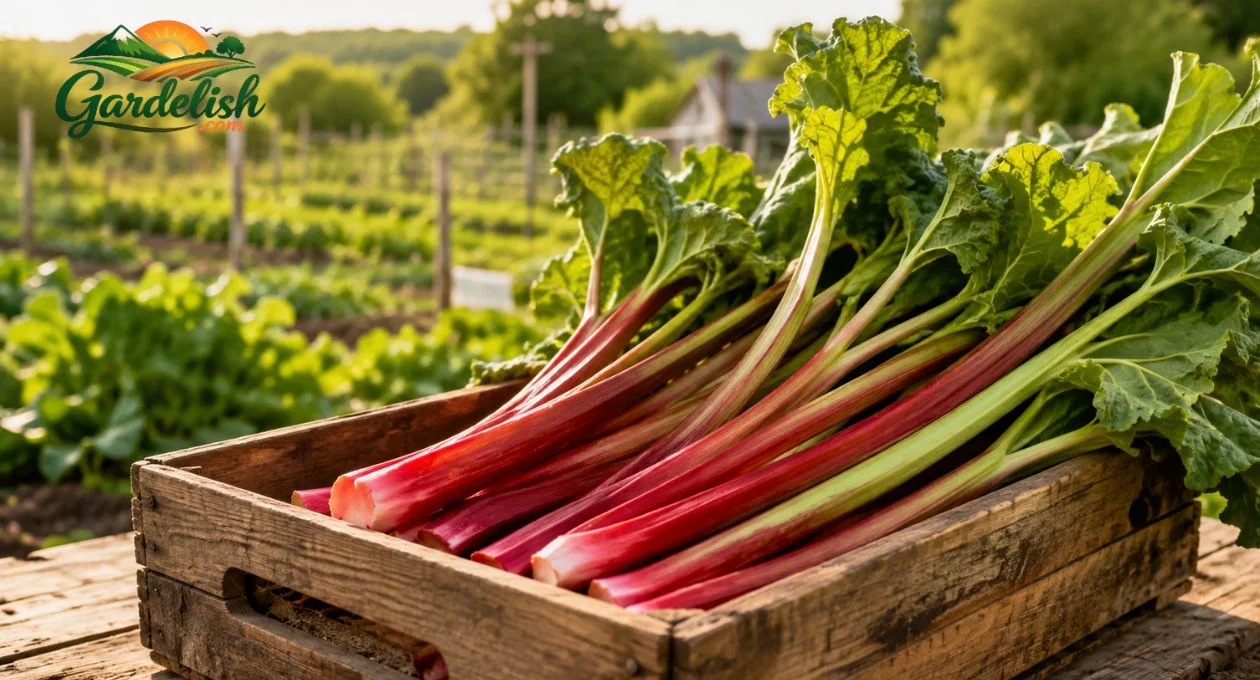
That makes rhubarb different from quick crops like radishes, lettuce, or bush beans. A grower cannot simply plant today and replace a lost harvest in a few weeks.
Rhubarb is also a perennial crop. A healthy planting can produce for many years, but it must be maintained carefully with compost, weed control, good drainage, and proper harvesting.
What the Shortage Means for Shoppers and Food Businesses
For shoppers, the first sign is usually price. Fresh rhubarb may cost more during low-supply weeks, especially when local harvests are delayed or stores rely on limited shipments.
The second sign is quality. Stalks may be smaller, less crisp, or available in fewer bunches. Stores may sell out quickly because rhubarb fans know the season is short.
For bakeries, cafés, jam makers, and restaurants, the impact is more serious. Rhubarb is not just another ingredient; it is often tied to seasonal menus. Strawberry-rhubarb pies, crumbles, compotes, syrups, and preserves depend on that sharp, tart flavor.
When supply becomes unreliable, businesses may need to adjust recipes, reduce menu items, use frozen rhubarb, or blend it with other tart fruits.
What Gardeners Can Learn From the Rhubarb Shortage
The best way to understand rhubarb scarcity is to grow it yourself. Rhubarb is not difficult, but it is particular.
It grows best in full sun with fertile, well-drained soil rich in organic matter. Compost, aged manure, leaf mold, and mulch all help improve the soil structure. Heavy clay should be loosened and amended before planting because wet crowns are more likely to rot.
Give each plant enough room. A mature rhubarb crown can become large, with broad leaves that shade the soil and compete with weeds. Avoid planting it too close to shrubs, trees, or thirsty perennials.
Most gardeners should be patient with new plants. Let the crown establish before taking a serious harvest. A stronger plant now means better stalks in future seasons.
Also remember one important safety rule: eat the stalks, not the leaves. Rhubarb leaves contain toxic compounds and should be removed before cooking or storing the stalks.
How to Grow Rhubarb for a More Reliable Home Supply
If rhubarb grows well in your climate, it can become one of the most dependable plants in the garden. It suits cooler regions, raised beds, cottage gardens, edible borders, and large kitchen gardens.
Plant crowns in early spring while the plant is still dormant. Choose a sunny site with loose, fertile soil. Set bare-root divisions with the buds just below the soil surface, then water deeply.
Mulch around the plant with straw, shredded leaves, or compost, but do not bury the crown. Mulch helps conserve moisture, suppress weeds, and protect soil life.
During dry spells, water deeply rather than sprinkling lightly every day. Rhubarb likes consistent moisture, but it does not like sitting in soggy soil.
Remove flower stalks when they appear. Flowering takes energy away from leaf and stalk production. Use clean pruners and cut the flower stalk near the base.
For organic care, keep the area weed-free, refresh compost yearly, and divide crowded crowns every few years if production declines.
Best Rhubarb Substitutes and Preservation Tips
When fresh rhubarb is unavailable, substitutes can help capture its tartness. None are exactly the same, but some work beautifully in pies, sauces, jams, and compotes.
Good substitutes include:
| Substitute | Best Use | Flavor Benefit |
| Cranberries | Sauces, jams, baking | Strong tartness |
| Sour cherries | Pies and compotes | Fruity sharpness |
| Green apples | Crisps and pies | Mild acidity |
| Gooseberries | Jams and desserts | Bright tang |
| Strawberries with lemon | Desserts | Sweet-tart balance |
| Tamarind | Chutneys and sauces | Deep sour flavor |
If you find good rhubarb in season, preserve it. Wash the stalks, remove the leaves, trim rough ends, chop into pieces, and freeze in recipe-sized portions. Frozen rhubarb works well for pies, sauces, muffins, and jams.
You can also make rhubarb compote and store it for spooning over yogurt, pancakes, oatmeal, or ice cream. For longer storage, follow tested canning recipes rather than guessing sugar or acid levels.
Long-Term Outlook for Rhubarb Supply
The rhubarb shortage is a reminder that specialty crops are more sensitive to change than many people realize. Weather instability, labor costs, transport delays, disease pressure, and shifting farm priorities all affect what reaches the table.
Still, rhubarb is not disappearing. Local growers, home gardeners, farmers’ markets, and climate-conscious food businesses can help keep it available. Greenhouse production and better storage methods may also soften future supply gaps.
For gardeners, the answer is simple: plant thoughtfully, care for the crown, harvest gently, and preserve the surplus. A well-grown rhubarb plant can reward patience for many seasons.
Conclusion: From Farms to Tables, Rhubarb Teaches Seasonal Awareness
The journey From Farms to Tables shows why rhubarb can be both treasured and difficult to find. It is a cool-season crop with a short harvest window, specific growing needs, and a supply chain that does not tolerate much disruption.
For shoppers, the best approach is to buy during peak season, use substitutes when needed, and preserve extra stalks. For gardeners, growing rhubarb at home is one of the most practical ways to enjoy a steady seasonal supply.
Rhubarb may never be available like everyday vegetables, but that is part of its charm. Its scarcity reminds us to respect seasonal food, support local growers, and appreciate every bright, tart stalk that makes its way from the garden to the kitchen.
FAQs
1. Why is rhubarb hard to find right now?
Rhubarb is hard to find because it has a short growing season, depends on cool spring weather, and is grown by fewer farms than common vegetables.
2. Is the rhubarb shortage happening everywhere?
Not everywhere. Rhubarb availability depends on local climate, harvest timing, farm production, transportation, and whether stores can source from other regions.
3. Can I grow rhubarb at home?
Yes, rhubarb can grow well in cooler climates with full sun, fertile soil, good drainage, and enough space for mature plants to spread.
4. What is the best substitute for rhubarb?
Cranberries, sour cherries, green apples, gooseberries, and strawberries with lemon can all replace rhubarb in desserts, sauces, and preserves.
5. Can rhubarb be frozen for later use?
Yes, rhubarb freezes well. Remove the leaves, wash and chop the stalks, then freeze them in measured portions for pies, jams, muffins, and sauces.
Dragon Fruit Shortage: Why It Happens and What Gardeners Can Do About It