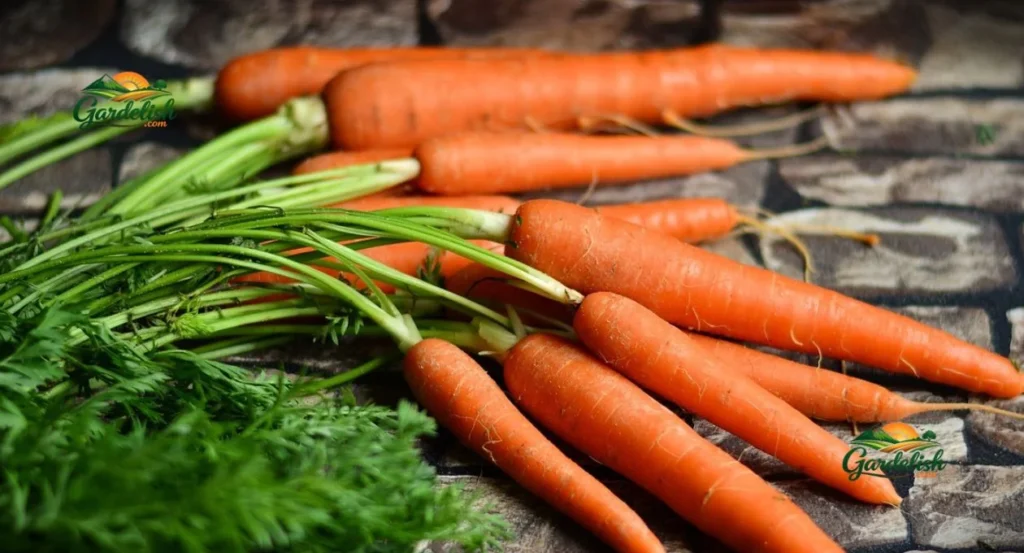
If you’ve noticed higher prices at the market or empty vegetable shelves, you’re not alone. A carrot shortage has been affecting both commercial growers and home gardeners, making it more important than ever to plan carefully. Growing your own carrots can not only secure a steady supply but also give you control over quality, soil health, and harvest timing. Even small adjustments in watering, sunlight, or soil preparation can make a noticeable difference, helping your roots thrive despite broader supply challenges. In this guide, you’ll find practical advice, seasonal tips, and simple fixes that real gardeners swear by.
Understanding the Carrot Shortage
Carrots are generally resilient, but supply can fluctuate due to several factors. Extreme weather, pests, disease, and market demand all contribute to occasional shortages. Droughts or heavy rains can affect root development, while soil nutrient depletion can reduce yields. For home gardeners, the shortage is less about scarcity and more about learning how to maximize growth potential and avoid common pitfalls that reduce your harvest.
Many gardeners find that growing carrots in raised beds or containers helps mitigate unpredictable weather, providing better drainage and soil control. Observing market trends can also give insight into the timing of shortages, so you can plan sowing and harvesting to align with periods when commercial supplies are low.
Ideal Growing Conditions
Carrots thrive in cool weather and well-draining soil. They prefer daytime temperatures of 16–21°C (60–70°F) and slightly cooler nights. Soil that is too heavy or clay-rich can lead to stunted, forked roots.
Key environmental factors to consider:
- Temperature: Too hot, and roots become woody or split; too cold, and germination slows.
- Sunlight: At least 6–8 hours of direct sunlight per day ensures strong growth.
- Soil depth: Loose soil at least 12 inches deep prevents crowding and misshapen roots.
Soil, Sunlight, and Water Needs
Healthy soil is the foundation of a productive carrot crop. Carrots do best in sandy-loam soils enriched with organic matter. Avoid fresh manure, which can encourage root forking and disease.
Watering is another critical factor. Overwatering during germination can wash away seeds, while underwatering can produce tough, bitter roots. Many gardeners struggle with this balance early on, but a consistent schedule makes a big difference.
Carrot Growing Conditions
| Factor | Recommendation |
| Soil type | Sandy-loam, well-draining, organic-rich |
| pH | 6.0–6.8 |
| Sunlight | 6–8 hours direct sun |
| Watering | 1–1.5 inches per week, consistent |
| Spacing | 2–3 inches between plants |
| Depth | 12 inches loose soil |
A simple trick: use mulch to retain moisture and regulate soil temperature, which is especially helpful during hotter months when shortages are more likely due to crop stress.
Planting Tips for Better Growth
Planting timing is crucial. Sow seeds in early spring or late summer to avoid the hottest months. Thin seedlings once they reach a couple of inches tall to give roots room to develop fully.
Observations from experienced gardeners:
- Direct sowing works best; carrots don’t transplant well.
- Mixing seeds with sand helps even spacing and reduces overcrowding.
- Raised beds or containers with deep, loose soil dramatically improve root quality.
Planting Calendar
| Season | Sowing Time | Harvest Time |
| Spring | March–April | June–July |
| Summer | July–August | October–November |
| Fall/Winter | September | December–January |
Common Problems and Simple Fixes
Even home-grown carrots face challenges. Pests, disease, and soil issues can all affect yield.
Pests: Carrot flies, aphids, and nematodes are common. Floating row covers and companion planting (onions, leeks) help deter them.
Diseases: Root rot, leaf blight, and powdery mildew thrive in damp conditions. Proper spacing, crop rotation, and clean tools reduce risk.
Nutrient issues: Nitrogen-rich fertilizer encourages leafy tops but weak roots. Phosphorus and potassium support strong root development.
Common Problems and Solutions
| Problem | Cause | Solution |
| Forked roots | Heavy clay soil, overcrowding | Use deep loose soil, thin seedlings |
| Bitter flavor | Inconsistent watering, high temps | Maintain even moisture, harvest timely |
| Carrot fly | Insects laying eggs near roots | Floating row covers, companion plants |
| Leaf blight | Damp conditions, poor airflow | Space plants, rotate crops, remove infected leaves |
Seasonal Care and Maintenance
Seasonal care helps protect your carrots during periods when commercial supplies may be unstable.
- Spring: Focus on soil preparation and seed sowing. Light watering and weed control are key.
- Summer: Mulch heavily to conserve moisture. Watch for pests and remove any stressed or diseased plants.
- Fall/Winter: Harvest before heavy frost for the best flavor. Store carrots in sand or cold storage to extend usability.
One simple adjustment many gardeners swear by is slightly shading the beds during peak summer heat. It can prevent roots from becoming tough and bitter.
Harvesting Tips
Carrots are ready when roots reach ¾–1 inch diameter. Harvest carefully to avoid bruising.
- Pull gently from the base, shaking off excess soil.
- Cut tops if storing long-term; leaving them can draw moisture from roots.
- Stagger harvests to maintain a continuous supply, especially important during wider shortages.
Many gardeners notice a big difference when they monitor soil moisture closely in the week before harvest—it reduces cracking and increases sweetness.
Mistakes Beginners Often Make
- Overcrowding seeds: Leads to thin, misshapen roots.
- Ignoring soil quality: Fertile, loose soil is more important than fancy fertilizer.
- Inconsistent watering: Roots may split or taste bitter.
- Transplanting seedlings: Carrots dislike disturbance; direct sowing is best.
A small but effective tip: start with a single, well-prepared bed and gradually expand. You’ll notice better growth before investing in larger areas.
Expert Gardening Advice
Experienced gardeners recommend rotating carrot crops every 2–3 years to prevent disease buildup. Also, integrating organic matter such as compost improves soil structure and flavor.
Raised beds or deep containers are excellent solutions for gardeners dealing with compacted soil or limited space. They help maintain optimal drainage, reduce pest risk, and allow for earlier sowing in the season.
Companion planting with herbs like rosemary or sage can deter carrot flies naturally. Observing your plants closely and adjusting for sunlight, water, and nutrient needs often results in a more resilient harvest than any fertilizer alone.
Häufige Fragen zum Carrot Shortage
How can beginners grow carrots successfully despite shortages?
Focus on soil quality first. Use loose, well-draining soil, keep watering consistent, and thin seedlings properly. Raised beds or containers can make a noticeable difference.
When is the best time to plant carrots for a continuous harvest?
Early spring and late summer are ideal. Stagger sowing every 2–3 weeks to maintain a steady supply, especially when commercial crops are affected by shortages.
How should I water carrots without causing problems?
Provide 1–1.5 inches per week, consistently. Mulching helps retain moisture and keeps soil temperature stable. Avoid overwatering seedlings, which can wash seeds away.
What’s the easiest way to prevent pests like carrot flies?
Use floating row covers and companion planting. Onions, leeks, and herbs like rosemary can naturally deter pests while still letting sunlight reach your carrots.
Conclusion
Growing your own carrots is a reliable way to cope with shortages and enjoy fresh, flavorful roots year-round. Prioritize loose, fertile soil, consistent watering, and proper thinning for the best results. Avoid common mistakes like overcrowding or over-fertilizing, and consider raised beds for more control over conditions. Remember: careful observation, small adjustments, and seasonal awareness often make the difference between a modest harvest and a plentiful one. Your carrots will reward the extra attention with taste and resilience, even when broader supplies are limited.
Arugula Shortage: What You Need to Know and How to Deal with It