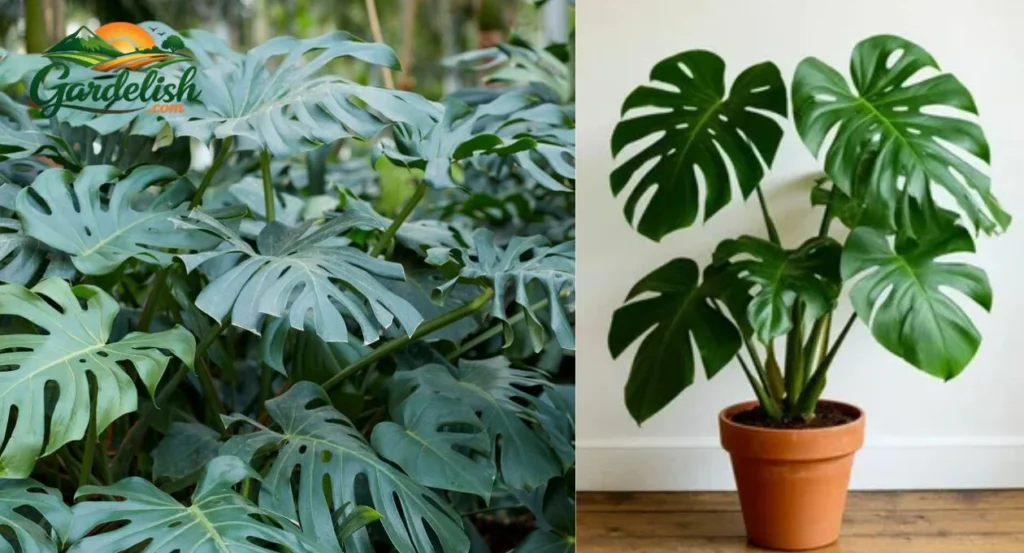
The monstera plant is one of the most loved indoor plants because of its large, glossy leaves and beautiful natural splits. It adds a fresh tropical look to any room and can easily become the main highlight of your home or office. Many people also call it the “Swiss cheese plant” because mature leaves develop unique holes and cuts.
The best thing about a monstera plant is that it is not too difficult to care for. With the right light, watering routine, soil, and support, this plant can grow beautifully indoors for many years. Whether you are a beginner or already love houseplants, this guide will help you understand how to keep your monstera plant healthy, green, and attractive.
What Is a Monstera Plant?
A monstera plant is a tropical houseplant known for its big heart-shaped leaves. It naturally grows in warm and humid areas, where it climbs trees and reaches toward bright filtered light. Indoors, it can grow in pots and still develop large leaves if it gets proper care.
The most popular type is Monstera deliciosa. It is famous for its dramatic leaf splits, also called fenestrations. These splits usually appear as the plant matures and receives enough light.
Why the Monstera Plant Is So Popular
The monstera plant has become a favorite choice for homes, offices, cafes, and modern interiors. It offers both beauty and easy maintenance.
Some reasons people love it include:
- It gives a tropical and natural look
- It grows well indoors
- It can become a statement plant
- It is suitable for beginners
- It improves the overall feel of indoor spaces
- It looks beautiful in corners, living rooms, and workspaces
A healthy monstera plant can make a room feel calm, fresh, and more welcoming.
Best Light for a Monstera Plant
Light is one of the most important parts of monstera plant care. This plant grows best in bright, indirect light.
Ideal Light Conditions
Place your monstera plant near a window where it receives plenty of natural light but not harsh direct sunlight. Direct afternoon sun can burn the leaves and create brown patches.
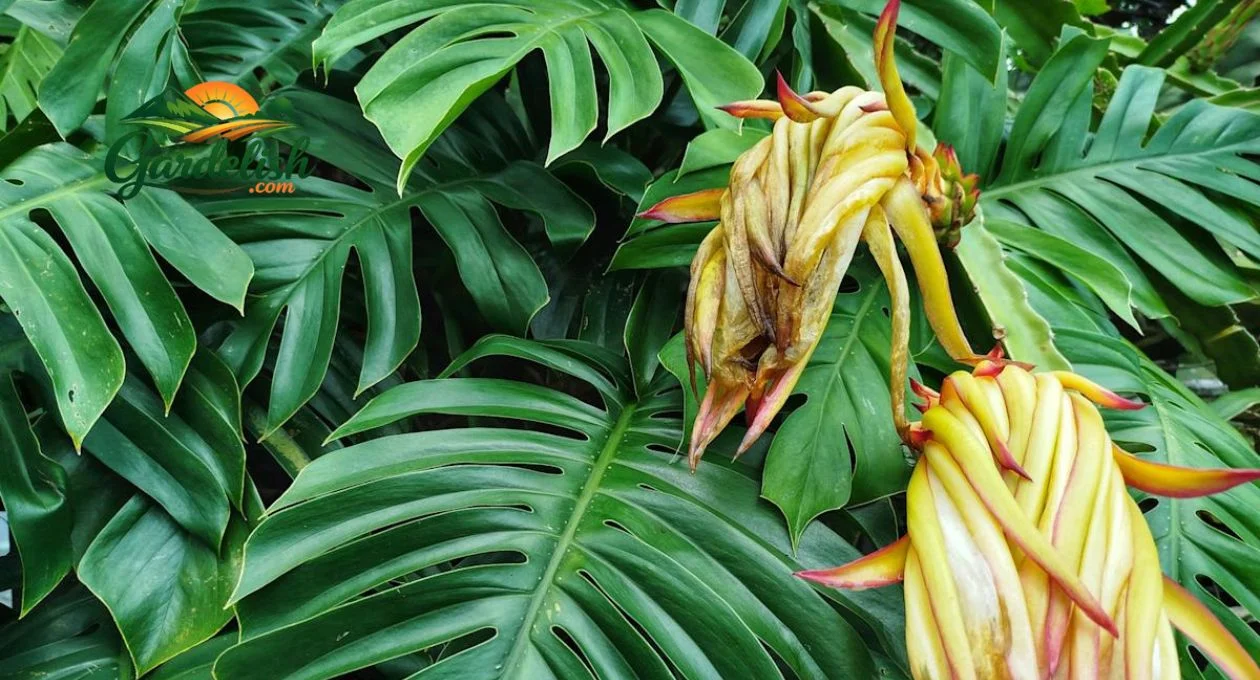
Good places include:
- Near an east-facing window
- A few feet away from a south-facing window
- Close to a bright window with sheer curtains
- A well-lit room with filtered sunlight
Signs Your Monstera Needs More Light
If your monstera plant is not getting enough light, it may grow slowly and produce smaller leaves. The leaves may also have fewer splits.
Common signs include:
- Long, weak stems
- Small new leaves
- No leaf holes or splits
- Leaning strongly toward the window
- Slow growth
If you notice these signs, move the plant to a brighter spot.
How Often Should You Water a Monstera Plant?
Watering is another key part of keeping a monstera plant healthy. The plant likes slightly moist soil, but it does not like sitting in water.
A good rule is to water when the top 1–2 inches of soil feel dry. You can check this by putting your finger into the soil.
Watering Tips
Follow these simple watering tips:
- Water deeply until water drains from the bottom
- Empty the saucer after watering
- Do not water again if the soil is still wet
- Reduce watering in winter
- Use a pot with drainage holes
Overwatering is one of the most common problems with monstera plants. It can cause yellow leaves and root rot.
Best Soil for Monstera Plant Growth
The monstera plant needs soil that holds some moisture but also drains well. Heavy soil can stay wet for too long and damage the roots.
A good soil mix should be light, airy, and well-draining.
Recommended Soil Mix
You can use:
- Indoor potting mix
- Perlite for better drainage
- Orchid bark for airflow
- Coco coir or peat moss for moisture balance
A loose soil mix helps the roots breathe and prevents water from collecting around them.
Temperature and Humidity Needs
Because the monstera plant is tropical, it enjoys warm temperatures and moderate to high humidity.
Best Temperature
Keep your monstera plant in a room between 18°C and 30°C. Avoid placing it near cold drafts, heaters, or air conditioners.
Sudden temperature changes can stress the plant and cause leaf damage.
Humidity Tips
Monstera plants can survive in normal home humidity, but they grow better when the air is slightly humid.
You can increase humidity by:
- Placing a humidifier nearby
- Grouping plants together
- Using a pebble tray with water
- Keeping the plant away from dry heating vents
If the leaf edges turn brown and crispy, dry air may be one reason.
How to Support a Monstera Plant
In nature, monstera plants climb trees. Indoors, they also benefit from support as they grow taller.
You can use:
- Moss pole
- Coir pole
- Bamboo stake
- Trellis
Supporting the plant helps it grow upright and develop larger leaves. Gently tie the stems to the support using soft plant ties. Avoid tying too tightly because this can damage the stems.
Fertilizing a Monstera Plant
A monstera plant grows actively during spring and summer. During this time, feeding it can support healthy growth.
Use a balanced liquid houseplant fertilizer once every 4–6 weeks during the growing season. Avoid over-fertilizing because too much fertilizer can burn the roots.
In winter, the plant usually grows more slowly, so you can reduce or stop feeding until spring.
Common Monstera Plant Problems
Even though monstera plants are easy to care for, they can still face a few issues.
Yellow Leaves
Yellow leaves are often caused by overwatering. Check the soil before watering and make sure the pot drains properly.
Brown Leaf Tips
Brown tips can happen due to low humidity, underwatering, or too much fertilizer. Improve humidity and check your watering routine.
No Leaf Splits
Young monstera plants may not have splits yet. If an older plant has no splits, it may need more bright indirect light.
Drooping Leaves
Drooping can be caused by underwatering, overwatering, or shock after moving the plant. Check the soil moisture first before taking action.
Practical Tips for a Healthy Monstera Plant
To keep your monstera plant looking beautiful, follow these simple tips:
- Wipe leaves regularly to remove dust
- Rotate the pot every few weeks for even growth
- Use clean scissors to remove damaged leaves
- Repot when roots become crowded
- Keep the plant away from pets and children, as it can be toxic if eaten
- Check for pests like spider mites and mealybugs
Regular care makes a big difference. A monstera plant does not need daily attention, but it does need consistent care.
When Should You Repot a Monstera Plant?
Most monstera plants need repotting every 1–2 years, depending on growth. If roots are coming out of the drainage holes or the plant dries out too quickly, it may need a bigger pot.
Choose a pot that is only slightly larger than the current one. A very large pot can hold too much moisture and increase the risk of root rot.
FAQs About Monstera Plant Care
Is the monstera plant good for beginners?
Yes, the monstera plant is a good choice for beginners. It is easy to care for if you provide bright indirect light, proper watering, and well-draining soil.
How much sunlight does a monstera plant need?
A monstera plant needs bright, indirect sunlight. Avoid strong direct sunlight because it can burn the leaves.
Why are my monstera plant leaves turning yellow?
Yellow leaves are usually caused by overwatering, poor drainage, or stress. Check the soil and make sure the pot has drainage holes.
How do I make my monstera plant grow bigger leaves?
Give your monstera plant bright indirect light, proper support, regular watering, and fertilizer during the growing season. A moss pole can also help encourage larger leaves.
Is the monstera plant safe for pets?
No, the monstera plant can be harmful if eaten by cats, dogs, or small children. Keep it in a safe place away from pets and kids.
Conclusion
The monstera plant is a beautiful, stylish, and rewarding houseplant that can bring a fresh tropical touch to any indoor space. It grows best with bright indirect light, well-draining soil, proper watering, and warm conditions. With simple care and regular attention, your monstera plant can grow large, healthy leaves and become a stunning part of your home décor.
If you want an indoor plant that looks impressive but does not require complicated care, the monstera plant is an excellent choice.
Papaya Shortage: Why Papayas Are Harder to Find and How Gardeners Can Grow Their Own