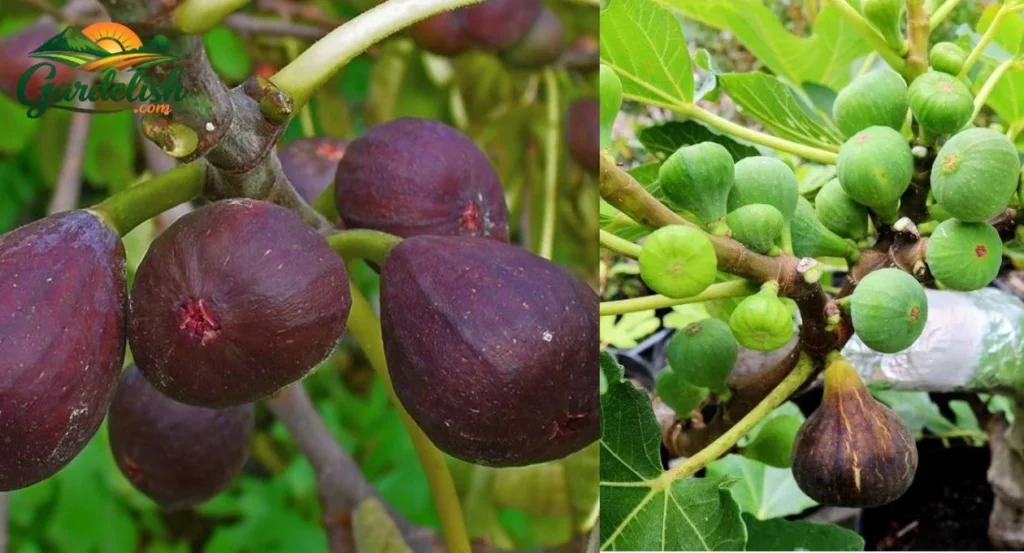
A fig tree not producing fruit is usually too young, overfed with nitrogen, short on sun, stressed by inconsistent water, pruned at the wrong time, or recovering from winter damage. In warm climates, figs can be wonderfully generous, but they are not quite as carefree as people claim. The most common pattern I see is a tree with big, glossy leaves and strong shoots, yet no figlets forming. That usually means the tree is putting its energy into growth instead of fruit. The fix starts with matching the symptom to the cause, then adjusting water, pruning, feeding, and winter protection.
Quick Answer: A fig tree usually stops fruiting because it is stressed, immature, or growing too vigorously
A fig tree not producing fruit is most often caused by young age, too much nitrogen fertilizer, irregular watering, insufficient sunlight, hard pruning, or cold-damaged fruiting wood. Most common figs grown by home gardeners do not need a second tree for pollination, so lack of another fig tree is rarely the problem. Water deeply but consistently, avoid high-nitrogen lawn fertilizer, give the tree at least 6 to 8 hours of direct sun, and prune lightly in late winter. In colder regions, protect stems from winter dieback so the tree has enough healthy wood to crop the following season.
The first thing to check is whether your fig tree is old enough to fruit
Young fig trees often look healthy long before they are ready to carry a real crop. A tree grown from a cutting may tease you with a few small figs in its early years, but a dependable harvest often takes longer. Some figs begin producing after two or three years, while others need several seasons to settle in, especially if they were moved, rootbound, winter-damaged, or planted in poor soil. Gardening Know How notes that figs may fruit around two years old, but some trees can take as long as six years to reach maturity.
What gardeners usually notice first is impatience, not a sick tree. The fig grows leaves, pushes long green shoots, and seems vigorous. That is normal establishment behavior.
What to do:
- Do not force a very young tree with heavy fertilizer.
- Keep soil evenly moist during hot spells.
- Mulch the root zone with compost, shredded leaves, straw, or wood chips.
- Prune only broken, dead, crossing, or poorly placed stems.
- Give the tree one more full growing season before making drastic changes.
A young fig needs a strong root system before it becomes a reliable fruiting plant.
Too much nitrogen makes figs grow leaves instead of fruit
A leafy fig with no figs is often being overfed. This happens most often when the tree is near a lawn that gets high-nitrogen fertilizer, or when a gardener keeps feeding it like a tomato plant. Nitrogen pushes soft green growth. That looks satisfying in spring, but it can delay fruiting and make the tree more vulnerable to winter injury. UC IPM warns that heavy nitrogen fertilization produces excessive branches and leaves while suppressing fruit production. Mississippi State University Extension also notes that overfertilization delays fruit production and increases susceptibility to winter injury.
A fig in reasonably fertile ground often needs little or no fertilizer. UC Master Gardeners note that if a fig grows less than about a foot in the previous year, feeding may be needed, but heavy feeding can produce leafy growth with no fruit.
How to fix a nitrogen-heavy fig:
- Stop fertilizing for one full season.
- Keep lawn fertilizer at least several feet away from the root zone.
- Remove grass around the tree and replace it with mulch.
- Do not apply manure-heavy compost directly against the trunk.
- If growth is weak, use a balanced, modest fertilizer in spring only, based on soil and growth.
The goal is steady growth, not explosive growth. A fig that grows moderately and ripens its wood is usually more productive than one that throws six feet of soft shoots.
Inconsistent watering can stop fruiting or make figs drop early
Fig trees tolerate dry spells better than many fruit trees, but that does not mean they fruit well under drought stress. They have shallow, wide-spreading roots, and fruit development suffers when soil swings from bone-dry to soaked. UC IPM lists too little or too much irrigation as a common cause of reduced fruiting and premature fig drop. LSU AgCenter also identifies stress, especially lack of water in high heat, as a major reason figs fail to form, ripen, or hold fruit.
Mississippi State Extension recommends about 1 inch of water per week during the growing season and notes that figs may shed leaves, drop immature fruit, or fail to ripen when soil moisture is lacking.
A practical watering routine:
- Push your finger 2 to 3 inches into the soil near the drip line.
- If it is dry at that depth, water slowly and deeply.
- Soak the root zone rather than sprinkling the leaves.
- Add 2 to 4 inches of organic mulch, keeping it away from the trunk.
- Water potted figs more often than in-ground figs, especially during hot, windy weather.
Do not keep figs in standing water. Wet, compacted soil can stress roots just as badly as drought.
Not enough sun means the tree may grow, but fruit will be poor
Figs need heat and sun to crop well. A tree in part shade may survive for years, but fruiting is usually weak. The leaves look handsome, the tree grows tall, and the gardener wonders why nothing happens. University of Georgia Extension recommends a site with at least eight hours of sunlight during the growing season, and UC IPM recommends full sun and well-drained soil for figs.
This is especially important in cooler regions. A south-facing wall, pale stone patio, brick wall, or sheltered courtyard can add the warmth figs need. In a hot-summer climate, full sun is usually easy. In cloudy, coastal, or short-season gardens, microclimate matters.
How to improve light and warmth:
- Remove or thin nearby shrubs shading the fig.
- Prune crowded interior growth lightly to let sun into the canopy.
- Move potted figs to the warmest sunny location.
- Avoid low frost pockets where cold air settles.
- In marginal climates, plant near a south-facing wall or fence.
A fig does not need pampering, but it does need a warm seat in the garden.
Wrong pruning can remove fruiting wood or delay the crop
Figs are forgiving, but careless pruning can cost you a harvest. The tricky part is that figs can carry two crops. Many trees produce an early breba crop on wood from the previous year, and a later main crop on current-season growth. UC Master Gardeners explain that breba figs form on last year’s wood, while the main crop forms on the current year’s wood and ripens in late summer or fall.
If you cut off too much one-year wood in winter or spring, you may remove much of the breba crop. If you prune too hard every year, the tree may respond with vigorous shoots instead of mature fruiting structure. Oregon State University Extension recommends retaining part of the one-year growth because that is where fruit forms. Clemson Extension advises that figs need little pruning beyond controlling size, opening the crown to sunlight and air, and removing dead wood.
A simple pruning method for better fruiting:
- Prune in late winter after the coldest weather has passed.
- Remove dead, damaged, diseased, crossing, or inward-growing branches.
- Shorten overly tall stems with reduction cuts to outward-facing side shoots.
- Avoid cutting every young shoot back hard.
- Keep the canopy open enough for light to reach ripening fruit.
- Wear gloves, because fig sap can irritate skin.
With figs, restraint is often more productive than enthusiasm.
Winter damage often explains a healthy fig with no crop
In USDA Zones 6 and 7, and sometimes even colder pockets of Zone 8, winter damage is one of the most overlooked reasons for a fig tree not producing fruit. The plant may die back to the ground, then regrow vigorously from the base. That new growth looks impressive by midsummer, but it may not have enough time to form and ripen a crop before frost.
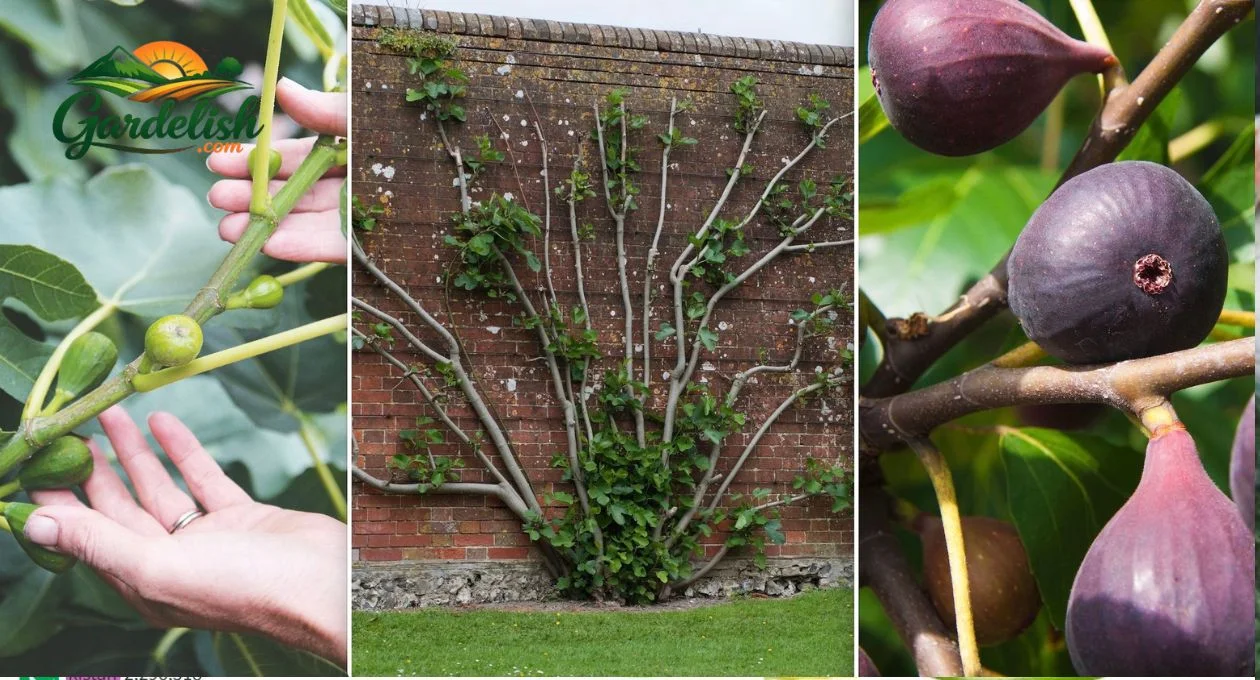
Rutgers notes that figs thrive where winter temperatures do not drop below 15°F, and young trees can be damaged by early fall frosts around 25°F to 27°F. UC IPM also notes that young trees can be injured or winter-killed at low temperatures, although fresh figs do not need the same heat as dried figs.
Cold-climate fixes:
- Grow cold-hardy varieties such as ‘Chicago Hardy’, ‘Brown Turkey’, or regionally recommended selections.
- Plant in a sheltered, sunny spot, not an exposed windy corner.
- Mulch deeply after the ground cools.
- Wrap young trees or bend flexible stems down and cover them in very cold regions.
- Grow figs in large containers if winter protection is easier that way.
- Avoid late-summer nitrogen, which encourages soft growth that freezes easily.
A fig that freezes back every year may survive indefinitely without becoming a reliable fruiting tree.
Most home figs do not need another tree for pollination
Many gardeners assume a fruitless fig must need a partner tree. Usually, it does not. Common figs, the type most often sold for home gardens, set fruit without cross-pollination. University of Georgia Extension specifically warns home gardeners not to grow California-type figs that require a fig wasp unavailable in many regions, and recommends common figs that set fruit without cross-pollination. Epic Gardening also notes that most fig species and cultivars grown by home gardeners are self-fertile.
Pollination becomes relevant when someone has a seedling fig, an unknown imported variety, or a type not suited to the local climate. If your tree was bought from a reputable local nursery as ‘Brown Turkey’, ‘Celeste’, ‘Chicago Hardy’, ‘LSU Purple’, or another common fig, pollination is probably not the issue.
Troubleshooting a fig tree not producing fruit is easier when you match the symptom
| What You Notice | Likely Cause | What To Do Now | How To Prevent It |
| Big leaves, long shoots, no figs | Too much nitrogen | Stop fertilizing, remove lawn competition, mulch | Feed only if growth is weak |
| Small figs form, then fall | Water stress, heat stress, young tree | Water deeply and evenly | Mulch and water during dry spells |
| Tree regrows from base each spring | Winter dieback | Protect stems, grow as a bush form | Choose hardy varieties and sheltered sites |
| No figs after heavy pruning | Fruiting wood removed | Prune lightly next winter | Keep some one-year wood |
| Tree is shaded most of day | Not enough sun | Move pot or reduce shade | Plant in full sun from the start |
| Potted fig grows but will not crop | Rootbound, irregular water, small pot | Repot, water consistently, feed lightly | Use a large pot with drainage |
| Fruit forms but never ripens | Short season, drought, low heat | Improve warmth and watering | Grow earlier-ripening varieties |
How to get a fig tree to produce fruit next season
Use this recovery plan if your fig tree looks healthy but is not cropping.
- Check the age and variety. If it is under three years old, focus on establishment. If the variety is unknown, identify whether it is a common fig suited to your region.
- Measure sun exposure. Watch the tree for a full day. Less than 6 hours of direct sun is a problem. Aim for 8 hours where possible.
- Stop high-nitrogen feeding. Skip lawn fertilizer, quick-release nitrogen, and heavy manure around figs that grow strongly but do not fruit.
- Water deeply during heat. Keep soil evenly moist during fruit formation and ripening. Do not let container figs dry to dust.
- Mulch the root zone. Mulch protects shallow roots, reduces weeds, and evens out soil moisture.
- Prune lightly. Remove dead and crowded wood, but do not shear the whole tree. Keep enough young wood for fruiting.
- Protect from frost. In cold areas, protect stems so the tree does not have to restart from the ground each spring.
- Track what happens. Note when figlets appear, whether they drop, and what the weather was like. That record is often more useful than guessing.
Seasonal care keeps fig trees productive
| Season | What To Do | Why It Matters |
| Late winter | Remove dead wood, thin crowded branches, protect from late cold | Preserves fruiting structure |
| Spring | Mulch, water new trees, feed only if growth was weak | Supports steady growth without excess nitrogen |
| Early summer | Watch for figlets, water during dry heat, keep weeds down | Prevents fruit drop |
| Late summer | Keep water consistent while figs swell and soften | Helps fruit ripen properly |
| Fall | Stop feeding, remove rotting fruit, prepare cold-climate protection | Helps wood harden before winter |
| Winter | Protect young or marginally hardy trees | Prevents dieback and lost crops |
Common mistakes that keep figs from fruiting
The most common mistake is treating a fig like a hungry annual vegetable. Figs usually resent being pushed too hard. The second mistake is pruning by habit rather than purpose. A fig does not need a hard annual haircut unless you are renovating or controlling size. The third mistake is underestimating containers. A potted fig dries faster, heats faster, chills faster, and exhausts nutrients faster than an in-ground tree.
I also see gardeners leave grass right up to the trunk. Grass is a fierce competitor for water and nutrients. Clear a wide ring, mulch it, and keep the trunk dry. That simple change often improves growth and fruiting more than fertilizer.
FAQs About a Fig Tree Not Producing Fruit
Why does my fig tree have lots of leaves but no fruit?
Lots of leaves and no fruit usually means the tree is too young, getting too much nitrogen, growing in too much shade, or recovering from hard pruning. If shoots are long, soft, and very green, stop feeding and check whether lawn fertilizer is reaching the roots. Give the tree full sun, steady moisture, and only light pruning.
How long does it take for a fig tree to bear fruit?
Most fig trees begin fruiting in about two to five years, depending on variety, climate, propagation method, and care. A tree grown from a cutting may fruit earlier, but a reliable harvest often takes longer. Winter dieback, transplant shock, a small container, or heavy pruning can delay cropping even when the tree looks healthy.
Do I need two fig trees to get fruit?
Most common fig varieties grown in home gardens are self-fruitful, so one tree can produce figs without another tree nearby. Pollination is usually not the reason a common fig fails to crop. The exception is an unsuitable fig type that requires a specific fig wasp, which is why regional nurseries and locally recommended varieties matter.
Should I fertilize a fig tree that is not fruiting?
Not automatically. If the fig is growing strongly but not fruiting, more fertilizer can make the problem worse. Stop high-nitrogen feeding and observe the tree’s growth. If annual growth is weak, leaves are pale, and soil is poor, use a modest balanced fertilizer in spring, then mulch well and water consistently.
Can pruning stop a fig tree from producing fruit?
Yes. Heavy pruning can remove breba crop wood and push the tree into leafy regrowth instead of fruiting. Prune figs lightly in late winter, mainly to remove dead, damaged, crossing, or crowded branches. Keep some one-year wood, open the canopy for sunlight, and avoid cutting every shoot back hard unless you are renovating the tree.
Why are my small figs falling off before ripening?
Small figs often drop because of drought, irregular watering, too much water, heat stress, young-tree stress, or disease. The first fix is steady soil moisture. Water deeply during hot dry weather, mulch the root zone, and make sure drainage is good. If the tree is defoliating or weak, inspect for pests, rust, or root problems.
Why does my potted fig tree not produce fruit?
A potted fig may fail to fruit if the container is too small, the soil dries out repeatedly, drainage is poor, or the tree receives too little sun. Use a large pot with drainage holes, water consistently in summer, feed lightly in spring, and move the plant to the warmest sunny spot. Repot when roots circle tightly.
Can a fig tree recover and fruit again?
Yes, most fruitless fig trees can recover if the underlying problem is corrected. A stressed tree may need one full season of better care before it crops well. Improve sunlight, stabilize watering, stop excess nitrogen, prune lightly, and protect it from winter dieback. Once the tree has mature wood and steady conditions, fruiting usually improves.
Conclusion: A fruitless fig usually needs better balance, not drastic treatment
A fig tree not producing fruit is rarely hopeless. Most of the time, the tree is too young, too shaded, too heavily fed, inconsistently watered, over-pruned, or losing fruiting wood to winter cold. Start with the obvious clues: age, sunlight, shoot growth, pruning history, and whether small figs form before dropping. Then correct one or two causes at a time instead of throwing every remedy at the tree. My strongest recommendation is simple: give figs full sun, deep but steady water, a mulched root zone, restrained pruning, and very little nitrogen unless growth is genuinely weak. Once a fig settles into that rhythm, it often becomes one of the most satisfying fruit trees in the garden.
Raspberry Canes Turning Brown: What It Means and How to Fix It