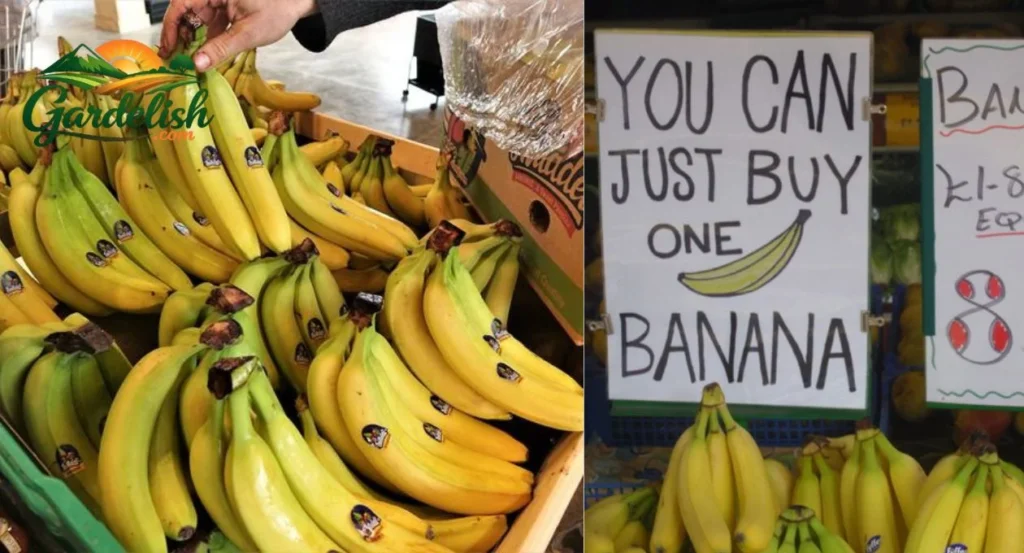
The ongoing banana shortage has left many households concerned about supply and price fluctuations. While bananas are a staple fruit in many diets, disruptions in global production and transportation can leave grocery shelves emptier than usual. For gardeners and fruit enthusiasts, the shortage presents an opportunity to grow your own bananas at home. This guide will cover everything from selecting the right banana variety to optimal care practices, helping you enjoy homegrown bananas even during a shortage.
Understanding the Banana Shortage
Banana shortages are often caused by a combination of climate issues, disease, and supply chain disruptions. Diseases like Panama disease (Fusarium wilt) affect plantations worldwide, while extreme weather events reduce yields. Shipping delays and increasing demand further intensify scarcity. Understanding these factors helps gardeners realize why cultivating bananas at home is a smart solution.
Choosing the Right Banana Variety
When growing bananas in your garden, selecting a variety suited to your climate is essential. Some popular types include:
- Cavendish: The most common supermarket variety; thrives in USDA zones 9–11.
- Dwarf Brazilian: Compact and ideal for container gardening; tolerates partial shade.
- Red Banana: Sweet, reddish fruit; requires warm, humid conditions.
- Lady Finger: Small and sweet; suitable for smaller gardens or greenhouses.
Consider your garden space, climate, and available sunlight when choosing a banana variety.
Soil Requirements for Healthy Banana Plants
Bananas thrive in nutrient-rich, well-draining soil. Ideal soil characteristics include:
- pH between 5.5 and 7.0
- High organic matter content
- Loamy texture with good drainage
Amend your soil with compost or well-rotted manure before planting to enhance fertility. Raised beds or containers are great options for gardeners with limited space or heavy clay soil.
Sunlight and Climate Needs
Bananas are tropical plants that require:
- Full sun exposure: At least 6–8 hours of direct sunlight daily.
- Warm temperatures: Ideal growth occurs between 75–95°F (24–35°C).
- Humidity: Moderate to high humidity is beneficial, especially for indoor or greenhouse cultivation.
In cooler climates, growing bananas in containers allows you to move them indoors during frost periods.
Planting Bananas in Your Garden
Plant bananas at the start of the growing season, spacing them 4–6 feet apart to allow room for growth. Key steps include:
- Dig a hole slightly larger than the root ball.
- Mix compost or organic fertilizer into the soil.
- Place the plant, ensuring roots are well-covered.
- Water thoroughly to settle the soil.
Bananas are heavy feeders, so consistent care is essential for a successful harvest.
Watering Schedule and Mulching
Banana plants require regular watering to maintain moisture, especially during hot, dry periods. Tips for optimal watering:
- Keep soil consistently moist but not waterlogged.
- Water deeply once or twice a week, depending on rainfall.
- Apply mulch around the base to retain moisture and suppress weeds.
Organic mulches like straw, leaves, or composted bark work best.
Fertilizing for Maximum Yield
Bananas are nutrient-hungry and benefit from frequent feeding:
- Use a balanced fertilizer high in potassium to promote fruit development.
- Apply fertilizer every 6–8 weeks during the growing season.
- Supplement with compost tea or organic matter to enhance soil fertility.
Consistent nutrition ensures strong growth and high-quality bananas.
Common Pests and Diseases
Despite being hardy, banana plants can fall victim to pests and diseases:
- Panama disease (Fusarium wilt): Soil-borne fungal disease causing wilting and plant death.
- Banana weevil: Insects that bore into the corm, weakening the plant.
- Nematodes: Microscopic worms that damage roots and reduce growth.
Prevention strategies include crop rotation, proper sanitation, and using disease-resistant varieties.
Indoor vs. Outdoor Banana Growing
Depending on your climate, you may choose to grow bananas indoors or outdoors:
- Outdoor planting: Ideal for USDA zones 9–11; requires full sun, wind protection, and frost-free conditions.
- Container gardening: Suitable for cooler climates; allows mobility during adverse weather.
Indoor banana plants need ample light, humidity, and space to thrive.
Harvesting Bananas
Bananas typically take 9–12 months to mature. Tips for harvesting:
- Wait until fruits are plump and slightly yellow.
- Cut the entire bunch, leaving the stem attached.
- Ripen bananas at room temperature if harvested slightly green.
Homegrown bananas often taste sweeter and fresher than store-bought varieties.
Climate Adaptation and Seasonal Care
Banana plants respond well to seasonal care:
- Frost protection: Wrap the trunk with mulch or move potted plants indoors.
- Wind protection: Use fences or strategic planting to shield from strong winds.
- Pruning: Remove dead leaves and old stems to improve airflow and reduce disease risk.
Adapting care to your local climate ensures healthy plants and consistent yields.
Companion Planting Tips
Bananas benefit from companion plants that improve soil and reduce pests:
- Legumes: Add nitrogen to the soil.
- Ginger and turmeric: Provide ground cover and repel pests.
- Marigolds: Deter nematodes and insects.
Thoughtful companion planting creates a balanced and productive garden ecosystem.
FAQs
Why is there a banana shortage?
Global supply is affected by disease, climate change, and shipping delays, which can reduce yields and availability.
Can bananas grow in cooler climates?
Yes, bananas can be grown in containers or greenhouses to protect them from cold and frost, making them suitable for cooler regions.
How often should I water banana plants?
Keep soil consistently moist, watering deeply once or twice a week. Frequency may increase during hot, dry periods.
What are common banana pests and how can I manage them?
Common pests include Panama disease, banana weevils, and nematodes. Use disease-resistant varieties, practice crop rotation, and maintain soil hygiene.
When and how should I harvest homegrown bananas?
Harvest when fruits are plump and slightly yellow. Cut the entire bunch, leaving the stem attached, and ripen indoors if needed.
What fertilizer is best for banana plants?
Use a balanced fertilizer high in potassium to promote fruit development, supplemented with organic compost or compost tea.
Can bananas be grown indoors?
Yes, with sufficient light, warmth, and humidity, bananas can thrive indoors in containers, especially in regions with cooler climates
Conclusion
The banana shortage may pose challenges for consumers, but it also presents a chance for gardeners to take control of their fruit supply. By selecting the right variety, preparing soil, and providing consistent care, you can successfully grow bananas at home. With proper watering, fertilization, pest management, and seasonal adjustments, homegrown bananas can thrive and supplement your diet during periods of shortage.
artichoke shortage: 7 Smart Ways Gardeners Can Grow Their Own Reliable Harvest