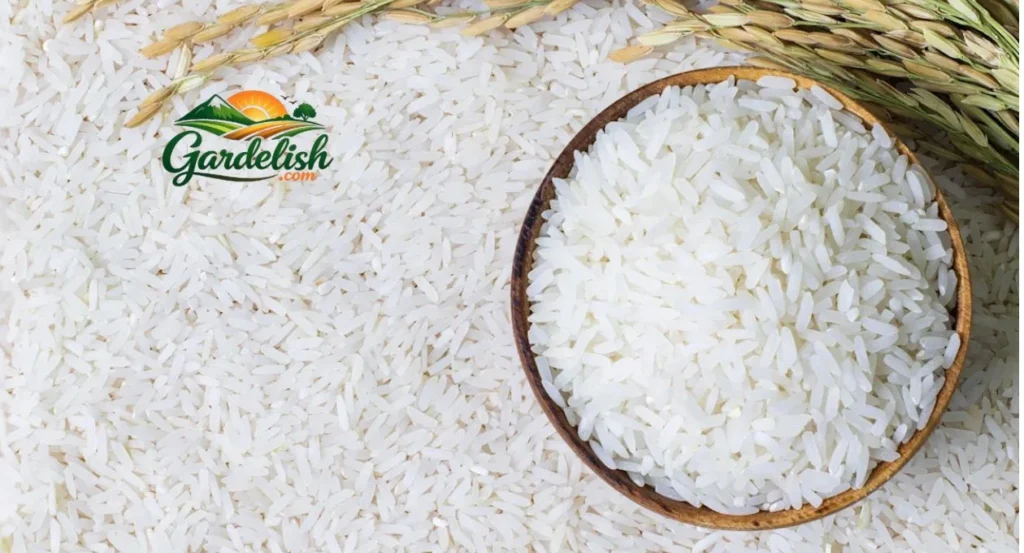
Rice is not a vegetable. Rice is a grain harvested from a grass plant known botanically as Oryza sativa. In gardening and agriculture, rice belongs to the cereal crop family, along with wheat, oats, barley, rye, millet, and corn.
The confusion is easy to understand. Rice grows from a plant, is harvested from fields, and often appears on the plate beside vegetables. But the part we eat is the seed of a grass, not a leaf, root, stem, bulb, flower, or fruit that we commonly call a vegetable.
For gardeners, this difference matters. Rice grows very differently from vegetables like lettuce, carrots, beans, peppers, or tomatoes. It needs warm weather, steady moisture, fertile soil, and a long growing season. So while rice is a plant-based food, it is not a vegetable crop.
Rice Is a Grain, Not a Vegetable
Rice is a cereal grain. A cereal grain is the edible seed of a grass-family plant. This makes rice more similar to wheat, corn, barley, oats, and sorghum than to common garden vegetables.
Vegetables usually come from different edible plant parts. For example:
- Carrots are roots
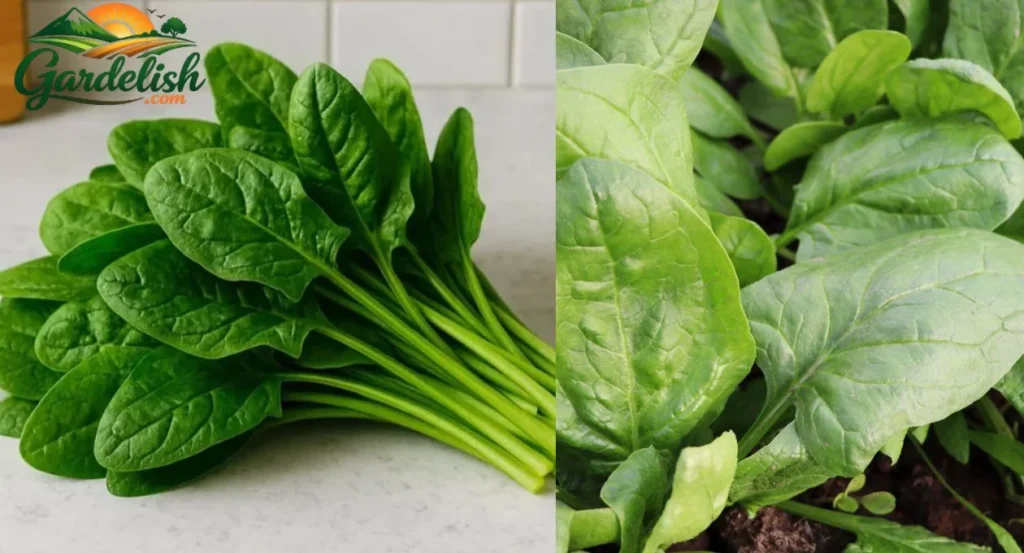
- Spinach is leaves
- Celery is stems
- Onions are bulbs
- Broccoli is flower buds
- Tomatoes are fruits used as vegetables in cooking
Rice does not fit these vegetable categories. It is the mature seed of a grass plant. That is why gardeners, farmers, botanists, and food growers classify rice as a grain.
What Rice Really Is in the Garden
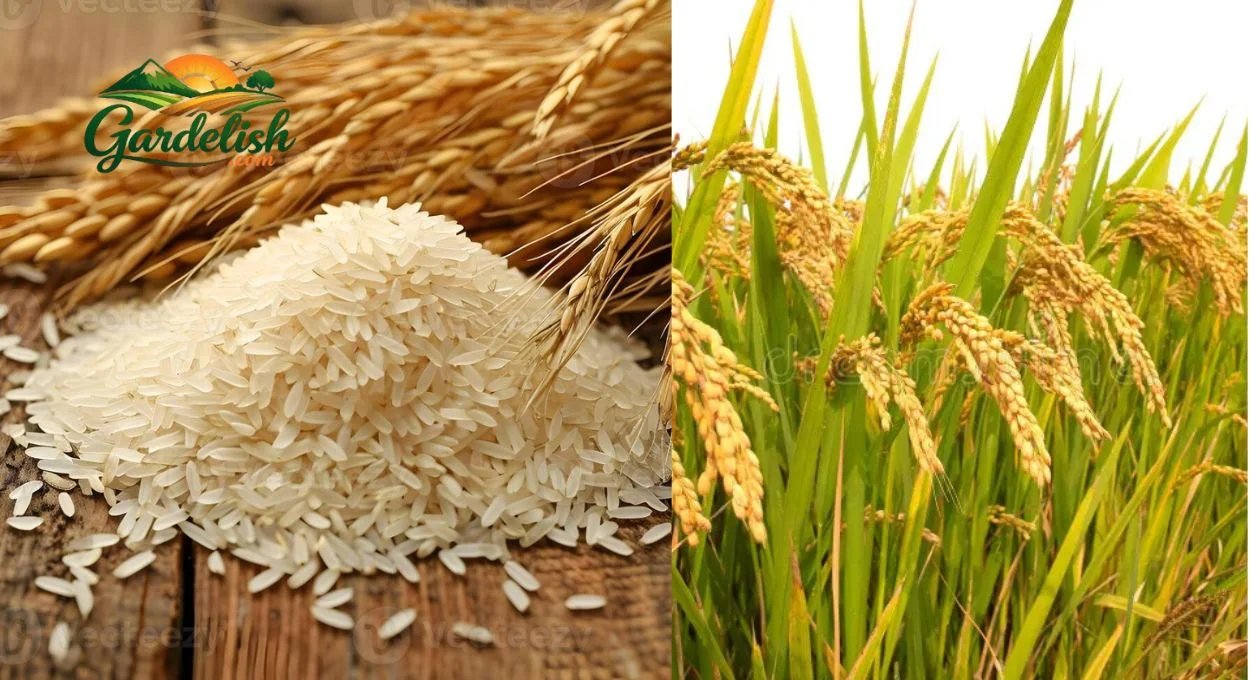
Rice comes from Oryza sativa, an annual grass that grows upright with narrow leaves, fibrous roots, and seed-producing panicles. These panicles hold the rice grains that are harvested when the plant matures.
In the garden, rice behaves more like an ornamental grass or cereal crop than a vegetable. It forms clumps, grows tall in warm conditions, and produces grain heads near the end of its life cycle.
Rice plants usually need:
- Full sun
- Warm temperatures
- Consistently wet soil
- Good fertility
- A long frost-free season
- Protection from weeds during early growth
Unlike fast crops such as radishes, lettuce, or baby spinach, rice takes time. It is not usually grown for a quick harvest. It needs patience, steady moisture, and enough warmth to complete its full growth cycle.
Is Rice a Vegetable or a Plant-Based Food?
A common reason people ask is rice a vegetable is because rice comes from a plant. But “plant-based” and “vegetable” do not mean the same thing.
Rice is plant-based because it grows from a plant. However, it is not a vegetable because the edible part is a grain seed. The same idea applies to foods like wheat flour, oats, cornmeal, and barley. They all come from plants, but they are classified as grains.
In simple terms:
Rice is plant-based, but it is not a vegetable. It is a grain.
This distinction is useful for gardeners because rice requires different growing methods than most vegetables. A vegetable bed designed for lettuce, herbs, peppers, or cucumbers may not automatically suit rice unless moisture and temperature needs are carefully managed.
How Rice Grows Compared With Garden Vegetables
Rice has a unique growing style compared with many common garden crops. Most vegetables grow well in raised beds, containers, or open garden soil with regular watering and good drainage. Rice prefers much wetter conditions.
Many vegetable plants dislike standing water. Tomatoes, peppers, beans, and cucumbers can suffer from root rot if the soil stays soggy for too long. Rice is different. It can grow in wet soil and is often grown in shallow flooded conditions, especially in traditional paddy systems.
This does not mean rice must always grow in deep water. Some types can be grown in upland conditions with moist soil, but rice still needs more consistent water than most vegetables.
A tomato plant may need deep watering a few times a week. Lettuce needs cool weather and even moisture. Carrots need loose, stone-free soil. Beans need warm soil and good drainage. Rice needs warmth, moisture, and time.
That is why rice is better understood as a specialty grain crop rather than a standard vegetable garden crop.
Can You Grow Rice at Home?
Yes, home gardeners can grow rice, but it is not as simple as growing basil, lettuce, or green beans. Rice is best suited to warm climates with a long growing season. Gardeners in warmer regions have the best chance of success, especially where summers are hot and frost arrives late.
Rice can be grown in:
- Large containers
- Tubs
- Half barrels
- Small lined beds
- Wet garden plots
- Experimental backyard paddies
For beginners, containers are often the easiest choice. A large tub or bucket allows you to control water levels without flooding the surrounding garden. This is useful for small spaces, patios, and learning projects.
Rice needs full sun, ideally 6 to 8 hours of direct sunlight per day. It also needs warm soil before planting. If planted too early in cold soil, seeds may germinate poorly or young plants may grow slowly.
In cooler climates, gardeners may need to start rice indoors and move it outside after the weather warms. Even then, the crop may not always produce a heavy harvest. For many home growers, rice is more of an educational crop than a major food source.
Soil, Water, and Nutrient Needs for Rice
Rice grows best in fertile soil that holds moisture well. A loam or clay-loam soil is usually better than sandy soil because it retains water longer. Sandy soil drains quickly, which makes rice harder to manage.
Before planting rice, improve the soil with compost or well-rotted organic matter. This helps support root growth, soil structure, and nutrient availability.
Rice needs important plant nutrients such as:
- Nitrogen for leafy growth
- Phosphorus for root development
- Potassium for plant strength
- Organic matter for soil health
Balanced fertility is important. Too little nutrition can lead to weak plants and poor grain production. Too much nitrogen late in the season can encourage leafy growth instead of strong grain formation.
Water is the most important part of rice care. The soil should stay consistently wet during active growth. In container growing, many gardeners keep a shallow layer of water above the soil once the seedlings are established.
As harvest time approaches, water is usually reduced so the plants can dry and the grains can mature properly.
Common Rice Growing Problems
Rice can face several growing problems, especially in home gardens where conditions are not always ideal.
Weeds are one of the biggest challenges. Young rice plants do not like competition. Weeds can steal nutrients, sunlight, and space. Keep the growing area clean during the early stages.
Birds may become a problem when grain heads begin to mature. They can feed on the developing rice grains. Garden netting can help protect small plantings.
Insects may also appear depending on the region. Grasshoppers, stem borers, and other pests can damage rice plants. Healthy plants, clean growing areas, and regular observation help reduce serious problems.
Disease can occur in humid or crowded conditions. Fungal issues are more likely when plants have poor airflow. Avoid overcrowding, use clean water, and remove weak or diseased plant material when needed.
Cold weather is another major issue. Rice is not frost-tolerant. A sudden cold spell can damage young plants or stop grain from maturing.
Good organic growing habits help prevent many problems:
- Start with healthy seed
- Use clean containers
- Provide full sun
- Avoid overcrowding
- Control weeds early
- Keep fertility balanced
- Maintain steady moisture
- Improve airflow around plants
These basic practices are useful not only for rice but also for many other edible garden crops.
Harvesting Rice in a Home Garden
Rice is ready to harvest when the seed heads turn golden, tan, or straw-colored and the grains feel firm. The leaves may also begin to yellow as the plant reaches maturity.
The harvesting process is simple in idea, but it takes time by hand.
First, cut the mature seed heads or whole stalks. Then bundle them and let them dry in a warm, airy place. Once fully dry, the grains can be separated from the seed heads.
After threshing, the rice still has a tough outer hull. This hull must be removed before the rice can be cooked and eaten. Commercial rice is processed with machines, but small home harvests can be hulled by hand with patience.
For most gardeners, growing rice is not about producing large amounts of food. It is more about learning how grains grow, understanding food plants, and trying something different from ordinary vegetables.
Rice vs. Vegetables: Why the Difference Matters
Knowing that rice is a grain rather than a vegetable helps gardeners plan correctly.
Vegetables and grains often need different growing conditions, spacing, water levels, and harvest methods. A vegetable garden may include leafy greens, root crops, fruiting crops, herbs, and legumes. Rice belongs in a different group because it is grown for dry seed.
This affects how you think about:
- Soil moisture
- Plant spacing
- Fertilizer timing
- Harvest stage
- Pest protection
- Seasonal planning
Rice needs a longer growing period than many vegetables. It also needs more water than most garden crops. If you treat rice like a normal vegetable, you may not get good results.
For gardeners who enjoy experimenting, rice can be a rewarding crop. It teaches patience and gives a better understanding of how staple foods are grown.
Good Companion and Garden Planning Ideas
Rice is not usually grown in a traditional companion planting system like tomatoes with basil or carrots with onions. Because rice needs wet soil, it does not pair well with many common vegetables that prefer good drainage.
However, gardeners can still plan around rice wisely.
Rice can be grown separately in containers, tubs, or a dedicated wet area. This keeps its water needs from affecting other crops. Around the rice-growing area, you can grow moisture-loving plants or keep the space open for airflow.
Avoid planting rice too close to vegetables that dislike wet roots, such as peppers, tomatoes, rosemary, lavender, or beans. These plants prefer better drainage and can suffer in soggy soil.
If you run a gardening blog, this section could naturally link to related guides about soil improvement, composting, raised beds, container gardening, organic fertilizers, and seasonal planting.
Final Gardening Answer: Is Rice a Vegetable?
So, is rice a vegetable? No. Rice is a cereal grain harvested from the seed of a grass plant called Oryza sativa. It is plant-based, but it is not a vegetable.
In the garden, rice should be treated as a warm-season grain crop. It needs full sun, wet soil, steady warmth, and enough time to mature. It grows differently from common vegetables and requires a different approach.
For beginner gardeners, rice can be a fascinating project. It may not replace your tomatoes, lettuce, beans, or herbs, but it can teach you a lot about how staple crops grow. If you have warm weather, a sunny spot, and a container that can hold wet soil, rice is worth trying as an educational and rewarding grain crop.
FAQs
Is rice a vegetable or a grain?
Rice is a grain. It is the edible seed of a grass plant, not a vegetable.
Why is rice not considered a vegetable?
Rice is not considered a vegetable because the part we eat is the seed of a grass plant. Vegetables usually come from roots, leaves, stems, bulbs, flowers, or fruits.
Can rice be grown in a home garden?
Yes, rice can be grown at home, especially in warm climates. It grows best in full sun, wet soil, and a long frost-free season.
Does rice need to grow in water?
Rice needs consistently wet soil, but it does not always need deep standing water. Many home gardeners grow rice in tubs or containers with shallow water.
Is rice related to wheat and corn?
Yes, rice is related to wheat and corn because all three are cereal grains from grass-family plants.
Conclusion
Rice is not a vegetable. It is a cereal grain harvested from the seed of a grass plant. For gardeners, this means rice needs different care than common vegetables, including warm weather, wet soil, full sun, and a long growing season. Understanding this helps you classify rice correctly and grow it with better results.