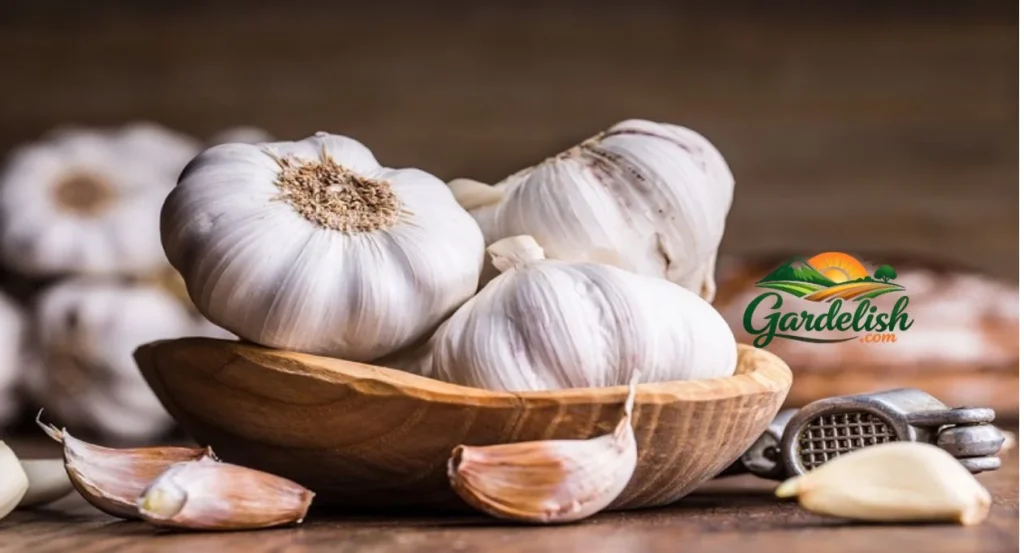
A garlic shortage can make seed garlic harder to find and push prices up, but it is also a reminder that garlic is one of the easiest crops to grow at home. If you plant it correctly, garlic can give you a reliable harvest and reduce your dependence on store-bought bulbs. The key is to choose a variety that suits your climate, plant it at the right time, and store it properly after harvest.
Why a Garlic Shortage Matters
When garlic is in short supply, the biggest problem for gardeners is often not eating garlic, but finding good planting stock. Seed garlic may sell out early, and the remaining bulbs may not be the best quality. That is why planning ahead matters.
Garlic is planted well before harvest, so you cannot wait until spring and expect the same results. Once you miss the planting window, you usually lose a season. That makes early preparation important for any gardener who wants a steady supply.
Best Garlic Types to Grow
Garlic usually falls into two main groups: hardneck and softneck.
Hardneck garlic is better for colder regions and often has a stronger flavor. It produces a flower stalk called a scape and usually gives fewer but larger cloves. Softneck garlic works better in milder climates and stores longer, which makes it a good choice if you want bulbs to last through the year.
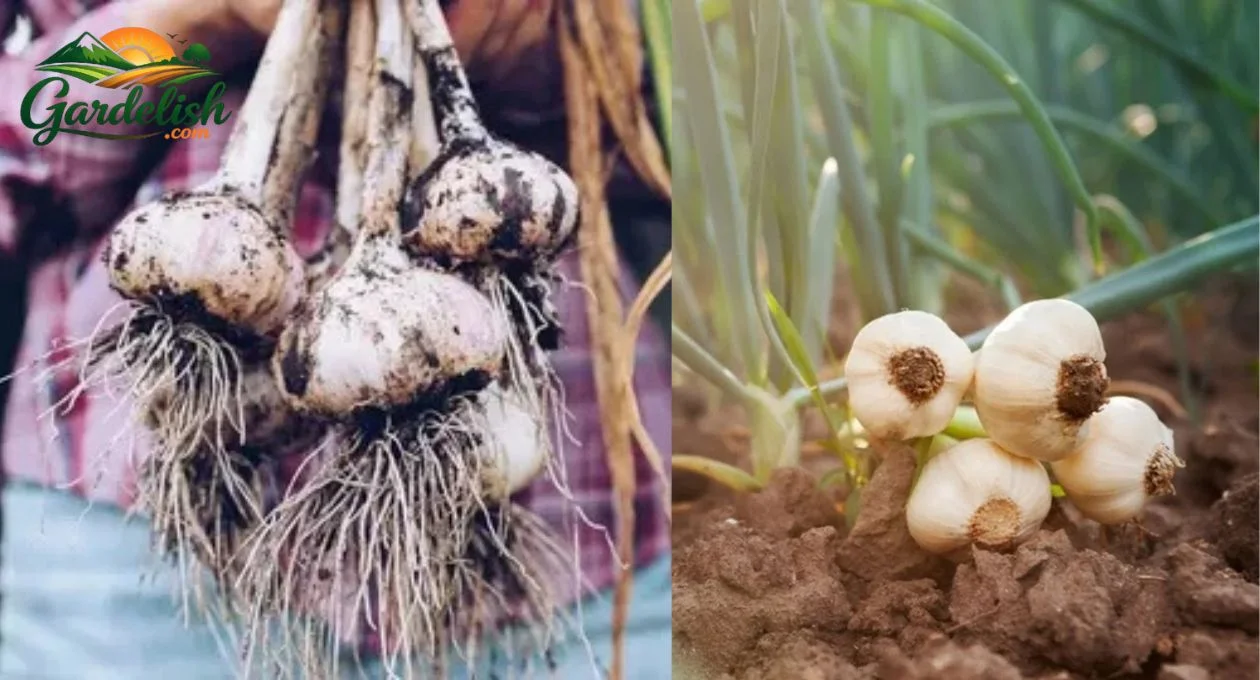
If you live in a cooler area, hardneck garlic is often the better choice. If your winters are mild, softneck garlic may perform more reliably.
How to Plant Garlic
Garlic is grown from individual cloves. Each clove can become a full bulb.
Plant the cloves with the pointed end up, about 2 inches deep, in loose, well-drained soil. Leave enough space between cloves so the bulbs can grow properly. Fall is usually the best planting time in many regions because the roots can establish before winter.
Garlic grows best in full sun. A bed with at least 6 hours of direct light each day usually gives better bulbs.
Soil and Water Needs
Garlic likes fertile soil that drains well. Compost is helpful because it improves soil structure and gives the crop a steady food source. Heavy clay soil can work if it is improved first, but garlic should never sit in soggy ground.
Water the plants regularly, especially in spring when bulbs are forming. Keep the soil moist but not wet. Too much water can cause rot, while too little water can reduce bulb size.
A light mulch of straw or shredded leaves can help hold moisture and keep weeds down.
Common Problems
Garlic can face fungal diseases, pests, and poor bulb development if growing conditions are not right. The most common problems come from overcrowded planting, poor drainage, and weak seed stock.
To reduce problems:
- use healthy cloves
- rotate crops
- avoid planting garlic in the same spot every year
- keep the bed weed-free
- harvest on time
Harvesting and Storage
Garlic is ready to harvest when the lower leaves begin to brown but several upper leaves are still green. Lift the bulbs gently so they do not get damaged.
After harvesting, cure the garlic in a dry, airy place away from direct sun. Once the bulbs are dry, store them in a cool, dark, well-ventilated area. Good curing is what helps garlic last for months.
FAQs
How do I grow garlic if seed garlic is sold out?
You can plant firm, healthy garlic bulbs from a reliable source as long as they are untreated and free from damage. True seed garlic is still the better choice because it is selected for planting quality and better growth results.
Is garlic hard to grow for beginners?
No, garlic is one of the easier crops for beginners. It only needs the right planting time, full sun, loose soil, and regular but not excessive watering.
Can I grow garlic in containers?
Yes, garlic grows well in containers if the pot is deep enough and has good drainage. Use quality potting mix, place the container in full sun, and water it consistently.
Why did my garlic stay small?
Small bulbs usually happen because of poor soil, too little sunlight, overcrowding, weak planting stock, or harvest timing that was too early. In some gardens, poor drainage can also reduce bulb size.
How long does homegrown garlic last after harvest?
That depends on the variety and how well it was cured. Softneck garlic usually stores longer, while hardneck garlic is often best used sooner after harvest.
Conclusion
A garlic shortage does not have to leave your garden unprepared. By planting the right variety, giving it sun, well-drained soil, and steady care, you can grow your own bulbs and keep a healthy supply at home. Garlic is simple, reliable, and very rewarding once you learn the basics.