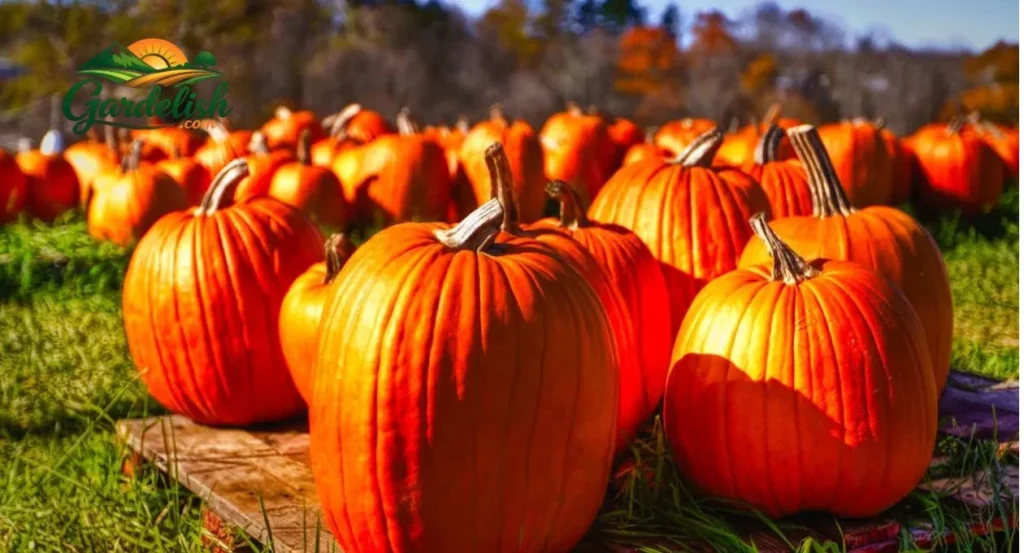
A pumpkin shortage can mean two very different things. In the market, it may describe fewer pumpkins reaching store shelves because of weather, disease, or supply-chain pressure. In the garden, it often means something simpler: vines are growing, but the plants are not setting enough fruit, the pumpkins stay small, or the harvest comes in later and lighter than expected.
For gardeners, the good news is that pumpkin shortages are often preventable. With the right soil, strong pollination, steady moisture, and a little seasonal planning, pumpkins can still produce generously even in a tough year. The key is to understand what pumpkins need from the start and where harvests usually fall short.
What a Pumpkin Shortage Really Means
In gardening terms, a pumpkin shortage is usually not about one single failure. It is the result of several small problems adding up: poor germination, weak vines, too much heat, not enough pollination, pest damage, or disease pressure later in the season.
Pumpkins are heavy feeders and long-season crops. They need warm soil, rich organic matter, enough space to spread, and consistent care from planting to harvest. When any of those pieces are missing, fruit size and fruit count often drop quickly.
For home growers, that means the real solution is not panic at harvest time. It is building better growing conditions months earlier so the vines can carry fruit all the way to maturity.
Why Pumpkin Yields Fall Short
Most pumpkin shortages in the garden can be traced to a few common causes. Some are weather-related, while others come down to soil and care.
| Common cause | What it does | What to watch for |
| Cool soil at planting | Slows germination and early growth | Seeds rot or sprout unevenly |
| Poor pollination | Fruit forms poorly or drops off | Lots of flowers, few pumpkins |
| Inconsistent watering | Causes stress and blossom drop | Wilting, cracked fruit, bitter growth |
| Low fertility | Weak vines, few female flowers | Pale leaves, slow growth |
| Pests and disease | Reduces leaf health and fruit set | Yellowing, spots, holes, mildew |
If your plants look busy but produce little, the issue is often pollination or stress. If the vines are weak from the beginning, the problem is more likely soil and fertility. A careful look at the plant usually tells the story.
Soil, Sun, and Water: The Foundation of a Strong Crop
Pumpkins perform best in fertile, well-drained soil with plenty of compost. A loose loam is ideal, but many gardeners can grow pumpkins successfully in amended garden beds, raised beds, or large mounds if the soil is improved before planting.
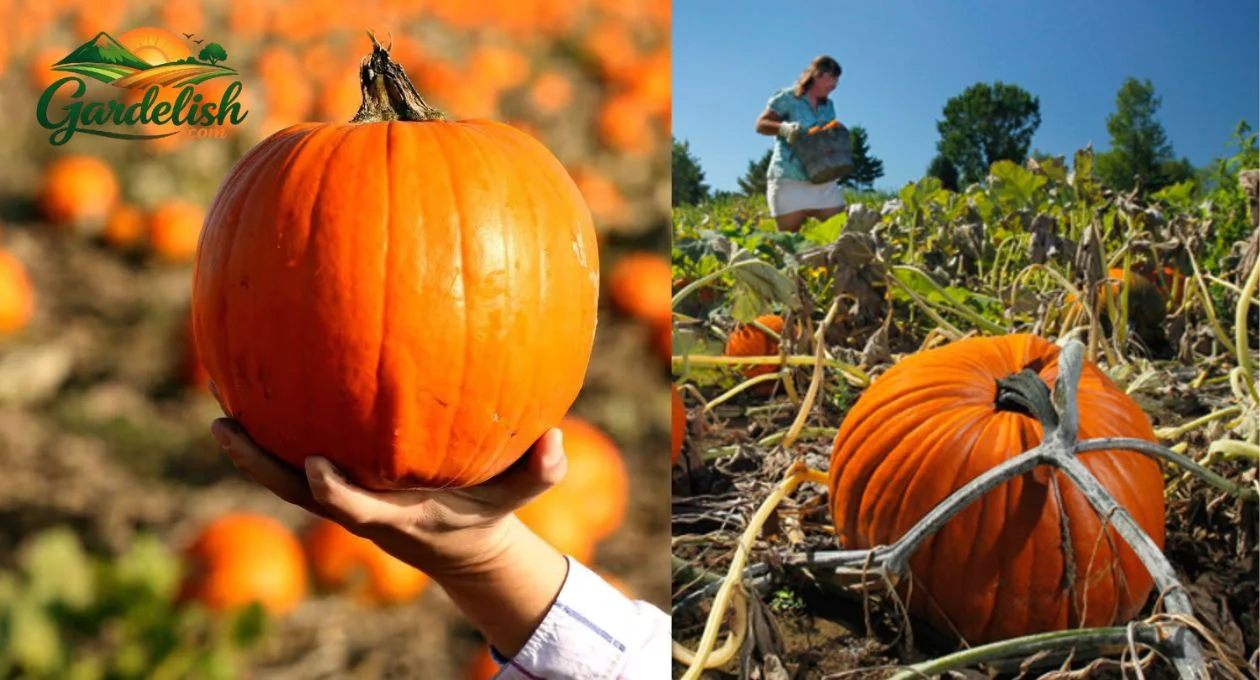
Pumpkins need full sun. That means at least six to eight hours of direct light every day. In shady spots, vines may still grow, but fruiting usually suffers. Less sun often means fewer female flowers, weaker growth, and a longer wait for ripe pumpkins.
Water matters just as much. Pumpkins do not like drought stress, especially during flowering and fruit fill. Deep watering is better than shallow splashing. Aim for steady moisture in the root zone, and avoid wetting the leaves too often, since that can encourage mildew.
A thick mulch layer helps hold moisture, keeps weeds down, and reduces temperature swings in the soil. Straw, shredded leaves, and untreated grass clippings all work well when applied lightly and kept away from the crown.
Pollination Is Often the Missing Piece
A surprising number of pumpkin shortage complaints come down to pollination, not plant failure. Pumpkins produce separate male and female flowers on the same vine, and the female flowers must receive pollen for fruit to develop properly.
Bees usually do this work, so anything that reduces pollinator activity can reduce your harvest. Cold mornings, wet weather, pesticide use, and a lack of nearby flowers can all lower bee visits.
How to improve pollination
Plant flowers that support pollinators nearby, such as calendula, borage, zinnias, and sunflowers. Avoid spraying insecticides during bloom, and try to keep the garden active for bees through the season.
If pollination is unreliable, hand-pollination can help. Early in the morning, use a small brush or a freshly opened male flower to transfer pollen to the center of the female flower. This simple step can make the difference between a disappointing patch and a solid crop.
Pests and Diseases That Reduce Harvests
Healthy-looking pumpkin plants can still lose yield quickly if pests and disease get ahead of them. Cucurbit crops attract a familiar list of troublemakers, and many of them attack at the worst possible time.
Common pests include squash bugs, cucumber beetles, aphids, and vine borers. These insects weaken stems, spread disease, and reduce the plant’s ability to support fruit. In some gardens, rabbits and deer can also damage young vines before they get established.
Diseases such as powdery mildew, downy mildew, and bacterial wilt can shorten the season and leave fruit underdeveloped. Once the foliage starts failing, the pumpkins no longer get the energy they need to finish properly.
Good garden hygiene helps a lot. Rotate cucurbit crops, remove infected leaves when practical, space plants for airflow, and water at the base instead of from above. If you grow pumpkins every year, consider reading related guides on composting, organic pest control, and raised bed soil improvement to strengthen the whole garden system.
Growing Pumpkins in Small Spaces or Containers
Not every gardener has a wide patch for sprawling vines, but that does not mean pumpkins are off the table. Smaller pumpkin varieties can be grown in large containers, grow bags, or compact beds, especially when space is managed carefully.
Choose bush or miniature varieties rather than giant types. A big jack-o’-lantern pumpkin can quickly overwhelm a container, while small-fruited varieties are more realistic for patios and small yards.
The container must be large enough to hold moisture and nutrients. Use high-quality potting mix blended with compost, and feed regularly through the season. Container pumpkins dry out faster than in-ground plants, so watering becomes even more important.
A trellis can help in some setups, but fruit support is essential if the pumpkins are hanging. A sling made from old fabric, mesh, or garden netting can prevent damage as the fruit grows.
Feeding, Mulching, and Seasonal Care
Pumpkins are hungry plants. If the soil is poor, the vines may run long but produce disappointing fruit. Before planting, work in compost or well-rotted manure to improve structure and nutrient supply. That gives the roots a strong start.
Once the plants begin vining, a balanced organic fertilizer can help. Too much nitrogen, however, can push leaf growth at the expense of flowers and fruit. That is one of the easiest mistakes to make. Strong vines look promising, but if all the energy goes into leaves, the crop may still feel like a pumpkin shortage at harvest time.
Mulch is one of the simplest tools in the garden. It conserves moisture, reduces soil splash, and helps keep fruit cleaner as it enlarges. For best results, keep the mulch several inches away from the stem base to avoid rot.
As the season moves forward, avoid unnecessary pruning. Pumpkin vines need leaf area to feed developing fruit. Remove only damaged or diseased foliage when needed, and let the plant keep as much healthy growth as possible.
When to Harvest and How to Store Pumpkins
Harvesting at the right time matters more than many gardeners realize. A pumpkin picked too early may look finished, but it will not store well and may never develop full color or flavor. A pumpkin left too long in wet weather may soften, crack, or rot.
Most pumpkins are ready when the rind is hard, the color is deep and even, and the stem begins to dry and cork over. Press your thumbnail into the skin; if it resists, the fruit is usually mature.
Handle pumpkins gently. Leave a few inches of stem attached, because a broken stem shortens storage life. Cure the pumpkins in a warm, dry place with airflow before long storage, then keep them in a cool, dry area.
Good storage can stretch a decent harvest much further. That is especially useful when a pumpkin shortage is seasonal rather than total. A well-stored crop gives you more time to use the fruit for decoration, cooking, or seed saving.
How to Prevent a Pumpkin Shortage Next Season
The best time to solve a pumpkin shortage is before planting day. Start with a site that gets full sun and has room for vines to spread. Prepare the soil with compost. Choose varieties suited to your space and climate. Plant only after frost risk has passed and the soil has warmed.
From there, keep the growing conditions steady. Water deeply, mulch well, feed with care, and watch for pollinators. Check leaves regularly for signs of mildew or insects, and act early rather than waiting until the vines weaken.
If you had a poor harvest this year, think in terms of one correction per season. One year, improve soil. The next year, focus on pollination. Another season, tighten up pest control. Pumpkins respond well to consistent, patient gardening.
Conclusion
A pumpkin shortage is frustrating, but it is rarely mysterious. In most gardens, it comes down to soil health, pollination, water consistency, or pest pressure. Once those basics are improved, pumpkins usually reward the effort with a fuller, more reliable harvest.
If you treat pumpkins as a long-season crop that needs warm soil, steady care, and enough pollinators, your next harvest has a much better chance of being strong, healthy, and plentiful.
FAQs
Why do pumpkin plants produce flowers but no fruit?
This usually happens because of poor pollination, heat stress, or weak plant health. Pumpkin plants need pollen moved from male flowers to female flowers before fruit can form.
What kind of soil do pumpkins need?
Pumpkins grow best in fertile, well-drained soil with plenty of compost mixed in. Loose, rich soil helps the roots spread and supports stronger fruit production.
Can pumpkins grow in containers?
Yes, but smaller pumpkin varieties work best in large containers. They need regular watering, good feeding, and full sun to perform well.
How much sun do pumpkins need?
Pumpkins need full sun, ideally six to eight hours or more each day. Less sunlight often leads to weaker vines and fewer pumpkins.
What is the most common reason for a poor pumpkin harvest?
Poor pollination is one of the most common reasons. If bees are not active or weather conditions are poor, flowers may not turn into fruit.