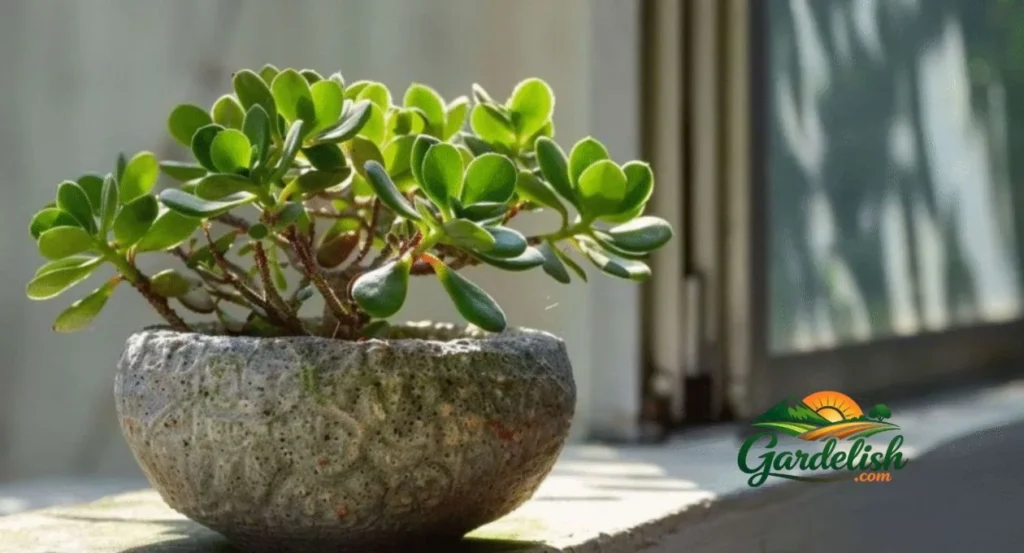
A jade plant turning purple is usually a sign of environmental stress, but it is not always bad news. In many cases, purple or reddish leaf edges appear when a jade plant receives strong sunlight, cooler temperatures, or slightly dry conditions. This color change is common in succulents because the plant produces protective pigments called anthocyanins.
The important thing is to check the full condition of the plant. If the leaves are firm, plump, and only lightly purple around the edges, your jade plant is probably healthy. But if the purple leaves are soft, wrinkled, blackened, mushy, or falling off, the plant may be struggling with watering problems, cold damage, root rot, or poor soil drainage.
This guide explains the real reasons jade plants turn purple and how to fix the problem without overcorrecting.
Why Is My Jade Plant Turning Purple?
The most common reason a jade plant turns purple is stress from strong light, cold temperatures, or lack of water. Jade plants, also known as Crassula ovata, are succulents. Their thick leaves store water, and they naturally react to changes in their environment.
Purple, red, or bronze tones often appear when the plant is trying to protect itself. This is similar to how some succulents develop deeper colors in bright sunlight. The color itself is not always harmful. In fact, many healthy jade plants grown in bright conditions show red or purple leaf margins.
However, purple leaves can also be an early warning sign. If the plant is also drooping, shrinking, becoming soft, or losing leaves, then the color change needs attention.
Is Purple Color on Jade Plant Leaves Normal?
Yes, purple color on jade plant leaves can be normal if the plant looks healthy overall. A jade plant with firm leaves, steady growth, and purple edges is usually responding to brighter light or cooler seasonal conditions.
Healthy purple coloring usually looks like:
- Light purple, red, or burgundy edges
- Firm and plump leaves
- No black spots or mushy areas
- Normal stem strength
- Slow but steady new growth
Unhealthy purple coloring usually comes with:
- Soft or mushy leaves
- Wrinkled or shriveled leaves
- Black or brown patches
- Sudden leaf drop
- Weak stems
- Wet soil that stays damp for many days
The leaf texture matters more than the color alone. A firm purple jade leaf is usually not a problem. A soft purple leaf often means the plant is under real stress.
Too Much Direct Sunlight Can Turn Jade Plants Purple
Strong sunlight is one of the biggest reasons jade plants develop purple or reddish tones. When a jade plant receives intense direct sun, especially after being kept indoors, it may produce more pigment to protect its leaves.
This often happens when:
- An indoor jade plant is suddenly moved outside
- The plant sits in hot afternoon sun
- A south-facing or west-facing window becomes too intense
- The plant is placed close to glass where heat builds up
A little color change from sunlight is normal. But sudden exposure can cause sunburn. Sunburn may appear as dry brown patches, pale scars, or crispy areas on the leaves.
The best approach is gradual adjustment. If you want to move a jade plant into brighter light, increase exposure slowly over one to two weeks. Start with morning sun or bright indirect light before giving it longer periods of direct sunlight.
For indoor jade plants, a bright window is usually ideal. If the leaves turn deep purple very quickly, move the plant a little farther from the window or protect it from harsh afternoon sun.
Cold Stress Can Cause Purple or Dark Leaves
Jade plants prefer warm, stable conditions. They do not like frost, cold drafts, or sudden temperature drops. When temperatures fall too low, jade leaves may turn purple, dark red, brown, or even black.
Cold stress is more serious than normal sunlight coloring. A jade plant exposed to cold may show:
- Purple or dark patches
- Limp leaves
- Soft, watery leaf tissue
- Blackened leaf tips
- Sudden leaf drop
Jade plants generally do best indoors at normal room temperature. Avoid placing them near drafty windows, outside doors, air conditioners, or unheated rooms in winter.
If your jade plant was left outdoors during a cold night, bring it inside immediately. Do not prune damaged leaves right away unless they are mushy or rotting. Give the plant a few days to show which parts are still healthy.
Underwatering Can Make Jade Leaves Purple and Wrinkled
Because jade plants are succulents, they can survive dry soil better than many houseplants. But they still need water. If the soil stays dry for too long, the leaves may begin to wrinkle, shrink, and take on red or purple tones.
Signs of underwatering include:
- Wrinkled leaves
- Thin or deflated leaves
- Purple or reddish stress color
- Dry soil pulling away from the pot edges
- Slower growth
To fix underwatering, water the plant deeply until excess water drains from the bottom of the pot. Then allow the soil to dry before watering again. Do not give small sips of water every day. Jade plants prefer a deep watering followed by a dry period.
A good rule is to check the soil with your finger. Water when the top few inches feel dry. In winter, jade plants need less water because growth slows down.
Overwatering and Root Rot Can Also Cause Discoloration
Overwatering is one of the most common jade plant problems. Although underwatering can cause purple stress color, overwatering is usually more dangerous. When jade roots sit in wet soil for too long, they can rot. Once the roots are damaged, the leaves may discolor, soften, or fall.
Signs of overwatering include:
- Soft, mushy leaves
- Yellowing leaves
- Purple or dull-looking foliage
- Leaf drop despite wet soil
- A sour smell from the soil
- Black or soft stems near the base
If you suspect overwatering, stop watering immediately. Check the pot drainage and soil condition. If the soil is dense, wet, and slow to dry, repot the jade plant into a fresh succulent mix.
Use a pot with drainage holes. Terracotta pots are helpful because they allow moisture to evaporate faster than plastic pots.
Poor Soil Drainage Makes Jade Plant Stress Worse
Jade plants need fast-draining soil. Regular garden soil or heavy indoor potting soil can hold too much moisture around the roots. This increases the risk of root rot and stress discoloration.
A good jade plant soil mix should feel light, gritty, and airy. You can use a ready-made cactus or succulent mix. You can also improve regular potting soil by adding perlite, pumice, coarse sand, or small gravel.
The goal is simple: water should pass through the pot easily instead of sitting around the roots.
Avoid compacted soil, pots without drainage holes, and decorative containers that trap water at the bottom. Even a healthy jade plant can start showing purple, yellow, or dull leaves if its roots cannot breathe.
Nutrient Stress May Affect Leaf Color
Jade plants do not need heavy feeding, but poor soil over a long period can weaken growth. Nutrient stress is not the most common reason for purple leaves, but it can contribute to dull color, slow growth, and weaker stems.
During spring and summer, you can feed jade plants lightly with a balanced fertilizer made for succulents or houseplants. Use it at half strength once every four to six weeks during active growth.
Avoid fertilizing in winter when the plant is resting. Also avoid overfertilizing, because too much fertilizer can damage roots and cause more stress.
If your jade plant has not been repotted for years and looks weak, fresh soil may help more than fertilizer.
How to Fix a Jade Plant Turning Purple
Before treating the plant, look at the symptoms carefully. Do not assume purple leaves always mean one problem.
Use this simple check:
If the leaves are firm and only the edges are purple, the plant is likely healthy. Keep care consistent and avoid sudden changes.
If the leaves are wrinkled and the soil is very dry, water deeply and adjust your watering routine.
If the leaves are soft and the soil is wet, check for overwatering and possible root rot.
If the leaves turned purple after a cold night, move the plant to a warmer place and protect it from drafts.
If the color changed after moving the plant into strong sun, reduce direct sun and increase light gradually.
Most jade plants recover well when the root system is healthy. The key is not to panic. Make one correction at a time and give the plant time to respond.
Best Care Tips to Keep Jade Plants Healthy
Jade plants are easy to grow when their basic needs are met. They prefer bright light, dry periods between watering, and well-draining soil.
For healthy growth:
- Keep the plant in bright indirect light or gentle direct morning sun.
- Water only when the soil has dried well.
- Use a pot with drainage holes.
- Plant in cactus or succulent soil.
- Protect from frost and cold drafts.
- Avoid frequent repotting unless the soil is poor or compacted.
- Remove dead or rotting leaves to prevent disease spread.
- Rotate the pot occasionally so all sides receive light.
A jade plant may still develop purple edges under strong light or cool seasonal conditions. That is not always something you need to fix. The real goal is a firm, healthy plant with stable growth.
When Should You Worry About Purple Jade Leaves?
You should worry if the purple color appears together with other stress signs. Color change alone is not enough to diagnose a serious problem.
Take action if you notice:
- Mushy leaves
- Black spots
- Rotten smell from soil
- Leaf drop
- Collapsing stems
- Wrinkled leaves that do not recover after watering
- Cold-damaged patches
These signs mean the plant needs closer attention. In most cases, the issue is watering, drainage, or temperature stress.
If only a few older leaves are affected, remove them once they dry or become damaged. If the whole plant is declining, inspect the roots and repot if necessary.
FAQs
Why is my jade plant turning purple?
A jade plant may turn purple because of strong sunlight, cool temperatures, underwatering, poor drainage, or general environmental stress. If the leaves are firm, the color is usually not serious.
Is a purple jade plant unhealthy?
Not always. A jade plant with firm purple-edged leaves can be perfectly healthy. But if the leaves are soft, wrinkled, black, or falling off, the plant may have a care problem.
Can too much sun make jade plants purple?
Yes. Strong direct sunlight can cause jade plants to produce red or purple pigments. This is common in succulents, but sudden intense sun can also cause sunburn.
Should I water my jade plant if it turns purple?
Only water if the soil is dry. If the soil is already wet, do not water again. Purple leaves can happen from both underwatering and overwatering, so always check the soil first.
Will purple jade leaves turn green again?
Sometimes they will, especially if the color was caused by temporary stress. If the purple color is from bright light and the leaves are healthy, it may remain as a natural tint.
Conclusion
A jade plant turning purple is often a normal response to sunlight, cooler temperatures, or mild dryness. If the leaves are firm and the plant is growing normally, there is usually no need to worry. The purple color may simply be your jade plant adapting to its environment.
The problem begins when purple leaves appear with soft texture, wrinkles, black spots, or leaf drop. In that case, check watering, drainage, soil quality, and temperature. With bright light, careful watering, and a fast-draining succulent mix, most jade plants stay healthy and attractive for years.
Blueberry Shortage: Causes and Gardening Solutions