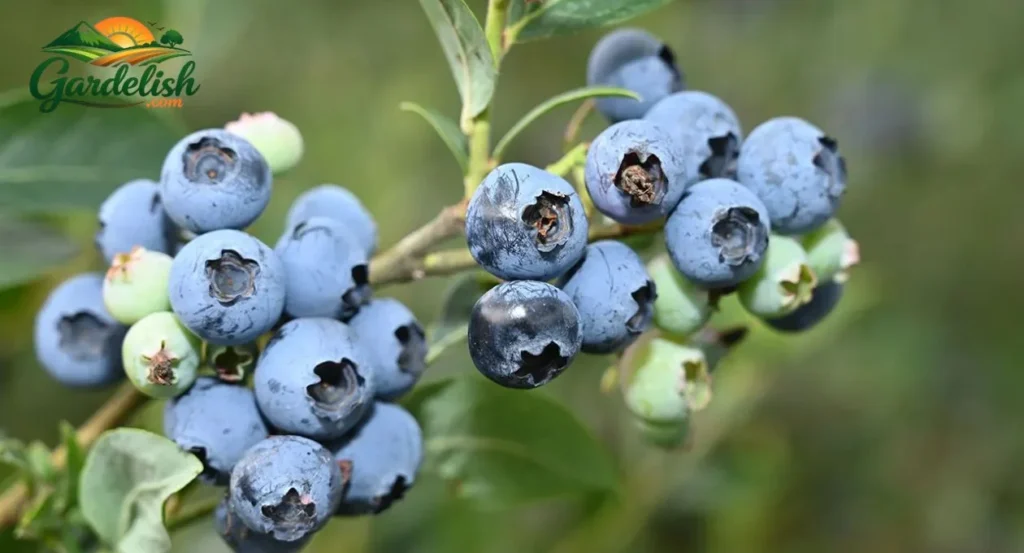
Blueberries are beloved for their flavor and nutrition, but recently, a blueberry shortage has affected availability in stores and gardens. This guide explains why the shortage occurs and how gardeners can adapt.
Causes of the Blueberry Shortage
Climate Challenges
Blueberries need a specific number of chill hours to bloom properly. Unseasonable frosts, erratic rainfall, and rising temperatures reduce fruit set and berry quality.
Pests and Diseases
Key threats include:
- Spotted wing drosophila: Lays eggs inside berries, causing rot.
- Blueberry maggot: Larvae damage fruit.
- Mummy berry disease: Fungal infection affecting buds and shoots.
Labor and Supply Issues
- Handpicking blueberries is labor-intensive; shortages delay harvest.
- Supply chain disruptions limit market availability.
Gardening Tips to Overcome Shortage
Soil and Sunlight
- Acidic soil (pH 4.5–5.5) with good drainage.
- Full sun (6–8 hours/day) for optimal fruiting.
Watering and Mulching
- Keep soil consistently moist; avoid waterlogging.
- Mulch with pine bark or needles to retain moisture and suppress weeds.
Seasonal Care
- Prune weak or old canes in late winter for better growth.
- Fertilize with acid-loving plant fertilizers; avoid excess nitrogen.
- Encourage pollination with flowers or bee hives.
Choosing Resilient Varieties
- Low-chill: ‘Jewel’, ‘Sharpblue’
- Disease-resistant: ‘Legacy’, ‘Bluecrop’
- Container-friendly: ‘Top Hat’, ‘Sunshine Blue’
Indoor vs Outdoor Cultivation
- Indoor: Controlled temperature, protection from pests, consistent production.
- Outdoor: Natural pollination, larger potential yield, less energy use.
Common Problems and Solutions
| Problem | Symptom | Solution |
| Frost | Wilted buds | Cover plants, prune damaged shoots |
| Spider mites | Yellow leaves | Apply insecticidal soap |
| Root rot | Stunted growth | Improve drainage, reduce watering |
| Poor fruit set | Small berries | Improve pollination, soil pH, fertilization |
Harvesting Tips
- Pick berries when fully blue.
- Handle gently to avoid bruising.
- Refrigerate immediately to extend shelf life.
Adaptation Strategies
- Order plants early.
- Plant multiple cultivars for risk-spreading.
- Use containers for low-chill varieties indoors.
- Maintain healthy soil with compost and mulch.
- Support pollinators and practice integrated pest management.
FAQs
What Causes the Blueberry Shortage?
The blueberry shortage is mainly due to climate change, pests, labor shortages, and supply chain disruptions that affect both growers and consumers.
Which Blueberry Varieties Are Best for Low-Chill Areas?
Varieties like ‘Sharpblue’ and ‘Jewel’ are ideal for warmer climates with fewer chill hours and still produce a reliable harvest.
How Can Gardeners Improve Blueberry Yield?
To boost yield, maintain acidic soil, provide full sun, ensure consistent watering, practice proper pruning, and support pollination with flowers or bee hives.
Can Blueberries Be Grown Indoors?
Yes. Container-grown blueberries allow gardeners to control temperature, humidity, and protection from pests, making indoor cultivation a practical solution for unpredictable climates.
How Can Pests and Diseases Be Prevented?
Use disease-resistant cultivars, monitor plants regularly, mulch to maintain soil health, encourage pollinators, and apply integrated pest management (IPM) techniques.
Conclusion
The blueberry shortage stems from climate change, pests, labor, and supply chain issues. By selecting resilient varieties, optimizing soil and sunlight, and practicing proactive care, gardeners can maintain healthy yields despite current challenges.