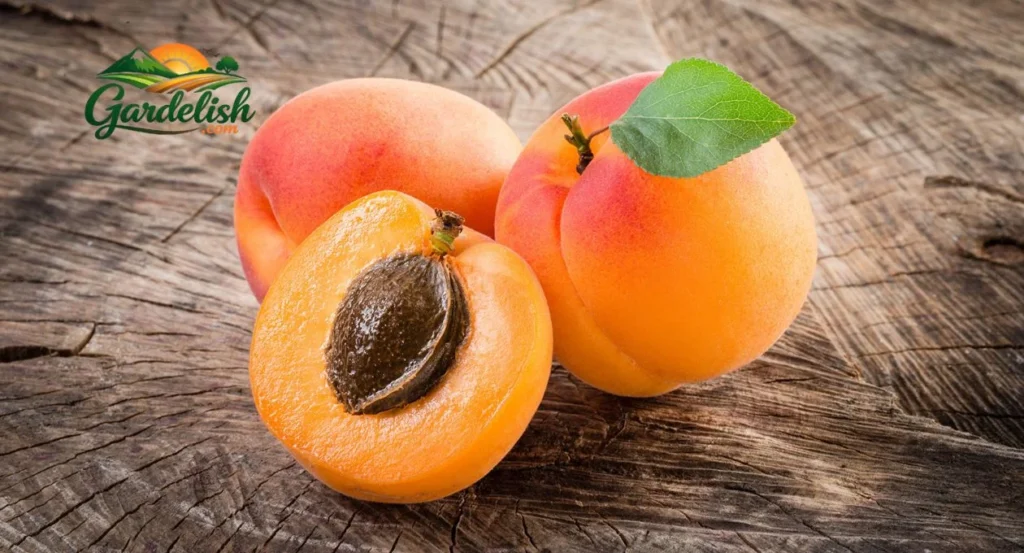
An apricot shortage usually happens when weather damages the crop before the fruit has a chance to develop. Apricot trees bloom early in spring, often before the danger of frost has passed, so one cold night can reduce an entire season’s harvest. In recent years, supply concerns have also been linked to frost damage in major apricot-growing regions, especially areas known for dried apricot production.
For gardeners, this topic is not only about supermarket prices or dried apricot availability. It also explains why a healthy apricot tree may flower beautifully but still produce little or no fruit. Frost, poor pollination, wet spring weather, drought stress, and disease can all affect the final crop.
The good news is that home growers can improve their chances. Apricots may never be as predictable as apples or pears, but the right site, variety, soil care, frost protection, and pollinator support can make a noticeable difference.
What Causes an Apricot Shortage?
An apricot shortage is usually caused by frost, drought, poor pollination, disease, or difficult seasonal weather that reduces fruit set. Apricot trees are especially vulnerable because they bloom early. If flower buds or open blossoms are damaged by spring frost, the tree may look healthy but produce very few apricots.
In commercial growing regions, the same problem happens on a much larger scale. A late frost can damage thousands of acres of trees. When that happens in an important apricot-producing area, both fresh and dried apricot supply can become tight.
For home gardeners, the most common signs are:
- An apricot tree blooms but does not set fruit
- Flowers turn brown or drop after a cold night
- Tiny fruitlets form but fall off early
- The tree grows leaves but produces no harvest
- Fruit is damaged by disease, pests, birds, or squirrels
Understanding the cause helps you respond correctly. A tree with frost-damaged flowers does not need more fertilizer. A tree with poor pollination does not need heavier pruning. A tree growing in wet soil does not need more water. Apricot growing is all about reading the season carefully.
Why the Apricot Shortage Is Happening
The main reason apricots become scarce is crop failure caused by weather. Apricots are one of the earlier-blooming stone fruits, which makes them beautiful in spring but risky for growers. A warm spell can encourage buds to swell and flowers to open. If cold weather returns, the exposed blossoms can be damaged.
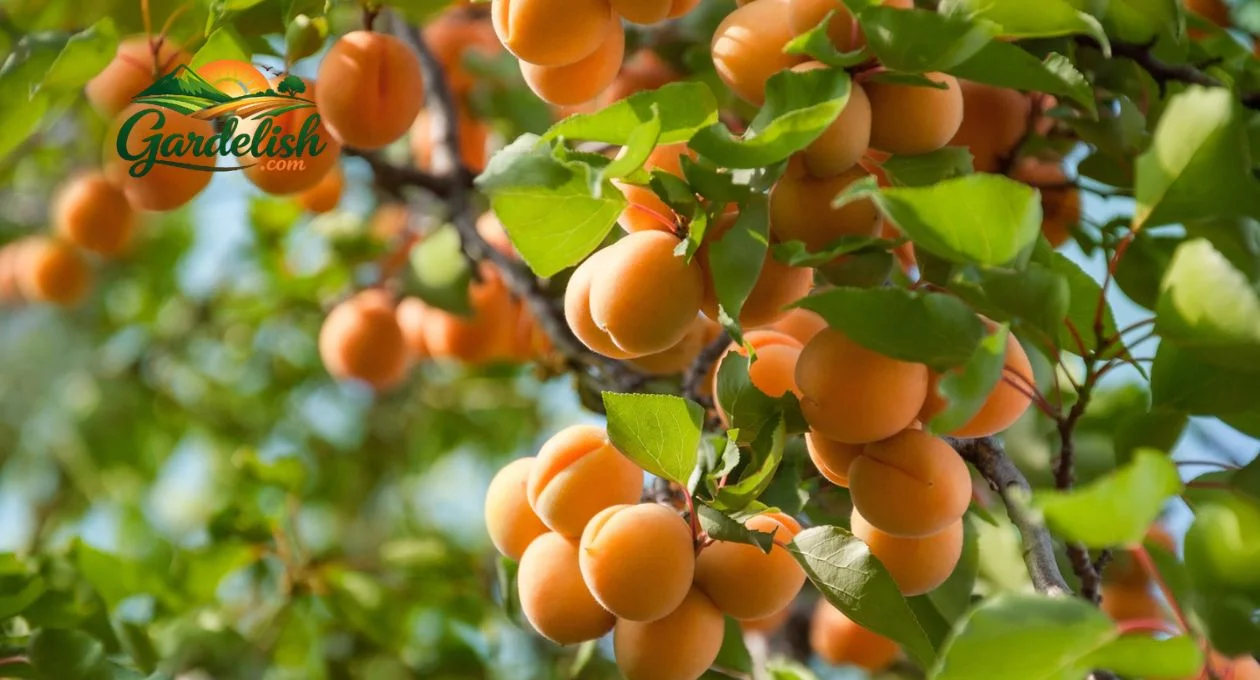
Recent shortage discussions have focused heavily on frost damage in major dried apricot regions. Turkey’s Malatya province is especially important in the dried apricot market, so poor weather there can affect global supply. When a key production area suffers frost damage, exporters, buyers, food manufacturers, and consumers can all feel the impact.
Several factors can create or worsen an apricot shortage:
- Late spring frost during bloom
- Drought stress during bud formation or fruit development
- Heavy rain during flowering
- Poor bee activity in cold or windy weather
- Hail damage on young fruit
- Fungal diseases in damp conditions
- Heat waves during fruit sizing
- Reduced production in major growing regions
- Higher farming, labor, drying, storage, and transport costs
This is why apricot supply can change quickly from one season to the next. A crop may look promising in late winter, but the final harvest depends heavily on what happens during bloom and early fruit set.
Home gardeners see the same thing in their own yards. One year, the branches may be full of golden fruit. The next year, the same tree may produce almost nothing. That does not always mean the tree is failing. Often, it means the weather interrupted the fruiting process.
Fresh Apricots vs Dried Apricots: Why the Shortage Feels Different
Fresh apricots and dried apricots do not always follow the same supply pattern.
Fresh apricots are highly seasonal and local. They are delicate, bruise easily, and do not store as long as apples or pears. This means local weather, harvest timing, transport conditions, and regional supply strongly affect what shoppers see in stores.
Dried apricots are different. They are more closely tied to large-scale production and export markets. If a major dried apricot region has a poor harvest, the effects can last longer because dried apricots are traded, stored, packaged, and shipped internationally.
This is why someone may notice:
- Fewer fresh apricots in local markets
- Higher dried apricot prices
- Smaller packages
- Less consistent fruit quality
- More imported alternatives
- More interest in growing apricot trees at home
For gardeners, this is where the shortage becomes practical. Growing your own apricots can reduce dependence on store supply, but it requires patience. An apricot tree is not an instant solution. Most trees need several years before producing a meaningful crop, and even mature trees may skip or reduce harvests in bad weather years.
Still, a well-placed apricot tree can be worth it. When it succeeds, the fruit is richer, softer, and more fragrant than most store-bought apricots.
Why Apricot Trees Bloom but Fail to Fruit
One of the most common home orchard problems is an apricot tree that flowers but does not produce fruit. This usually happens because the flowers were damaged or not properly pollinated.
Apricot blossoms contain the reproductive parts needed to form fruit. If frost damages the center of the flower, fruit cannot develop. Sometimes the petals still look attractive from a distance, but the inside of the flower has already turned brown or black.
Common reasons an apricot tree does not fruit include:
Late frost: This is the most common reason. Open flowers and young fruitlets are sensitive to freezing temperatures.
Poor pollination: Cold, rainy, or windy weather can stop bees and other pollinators from visiting flowers.
Young tree age: Apricot trees often need a few years to settle before carrying a reliable crop.
Too much nitrogen: Heavy feeding can produce leafy growth instead of fruiting wood.
Wrong variety for the climate: Some cultivars bloom too early for frost-prone areas.
Poor pruning: Removing too much fruiting wood can reduce the following crop.
Wet or compacted soil: Apricots dislike waterlogged roots and may become weak in poorly drained ground.
Disease pressure: Brown rot, bacterial canker, and other stone-fruit diseases can reduce flowers, shoots, and fruit.
A useful way to check frost damage is to inspect blossoms after a cold night. Healthy flower centers are usually pale green or cream. Damaged centers often turn brown or black. If most flowers are damaged, the tree may not produce much fruit that year, even if the leaves later look normal.
Best Growing Conditions for Apricot Trees
Apricot trees grow best in full sun, well-drained soil, and a site protected from frost pockets. They need warmth to ripen fruit, but they also need a stable spring environment where blossoms are not repeatedly damaged by late cold.
Most apricots are suited to USDA hardiness zones 5 to 8, although success depends on variety and local climate. A tree may survive winter in a cold region but still fail to crop if spring frosts regularly kill the blossoms.
The best site for an apricot tree has:
- 6–8 hours of direct sunlight
- Deep, well-drained loam or sandy loam
- Slightly elevated ground where cold air can drain away
- Good airflow around the canopy
- Protection from strong wind
- Soil that stays evenly moist but never soggy
Avoid planting apricots in low spots where cold air collects. These areas are called frost pockets, and they can be the difference between a good harvest and no harvest at all.
Soil drainage is just as important. Apricot roots do not like sitting in wet ground. Heavy clay soil can be improved with compost, organic matter, and careful planting on a raised mound. In very wet sites, it may be better to choose another fruit tree or grow a dwarf apricot in a large container.
Good internal linking opportunities here include articles about soil improvement, composting, raised beds, and choosing fruit trees for your climate.
Frost Protection for Apricot Trees
Frost protection is one of the most important parts of growing apricots. Because apricots bloom early, the crop is often at risk before many gardeners have started their main spring planting.
Small trees are easier to protect than large mature trees. If frost is forecast during bloom, cover the tree with frost cloth, horticultural fleece, or a breathable fabric. The cover should reach close to the ground so it traps some warmth from the soil. Remove it the next morning once temperatures rise.
Practical frost protection tips include:
- Watch local forecasts closely during bud swell and bloom
- Cover small trees before sunset on cold nights
- Avoid plastic touching flowers directly
- Water dry soil before a frost, because moist soil holds warmth better
- Keep grass short under the tree during spring
- Avoid heavy late-winter pruning that encourages early growth
- Choose later-blooming apricot varieties where available
Site choice matters more than any emergency method. A tree planted in a frost pocket will be difficult to protect every year. A tree planted on a gentle slope or in a site with good air drainage has a better natural chance.
One mistake gardeners make is planting apricots against a very warm south-facing wall in a frost-prone climate. The warmth may push the tree to bloom earlier, which can increase frost risk. In colder regions, a slightly cooler but more stable location may be better.
Pollination and Fruit Set
Many apricot varieties are self-fruitful, meaning they can set fruit with their own pollen. However, self-fruitful does not mean guaranteed fruit. Pollination still depends on healthy flowers, suitable weather, and insect activity.
Bees, hoverflies, mason bees, and other pollinators help move pollen between flowers. If bloom happens during cold, rainy, or windy weather, pollinators may stay inactive. The result can be poor fruit set even when the tree is covered in blossoms.
You can improve pollination by planting early spring flowers near your apricot tree. Good choices include crocus, calendula, borage, lungwort, native violets, and flowering herbs. These plants encourage pollinators to visit the garden when fruit trees are blooming.
Avoid spraying insecticides during bloom. Even organic sprays can harm pollinators if used carelessly. If pest control is needed, apply it after petal fall and follow local gardening guidance.
Some apricot cultivars crop better when another compatible variety grows nearby. If you have space, planting two apricot trees with overlapping bloom times can improve fruit set. In a small garden, check whether neighboring gardens have apricot, plum, or other compatible stone-fruit trees nearby.
Good internal linking opportunities here include companion planting, pollinator gardens, and organic pest control.
Watering, Soil Care, and Fertilizer Tips
Apricot trees need balanced moisture. They do not like drought stress, especially when young fruit is developing, but they also suffer in soggy soil. The goal is deep, occasional watering rather than frequent shallow watering.
Young apricot trees need more regular attention because their root systems are still developing. During hot or dry weather, water deeply enough to moisten the root zone. Mature trees can handle short dry periods better, but they still need moisture during fruit swell.
Mulching helps protect the root zone. Apply a 2–4 inch layer of organic mulch such as wood chips, shredded leaves, straw, or composted bark. Keep mulch several inches away from the trunk to prevent rot and pest problems.
Fertilizer should be used carefully. Too much nitrogen can produce lush green growth but fewer flowers and fruit. In many home gardens, compost or a balanced fruit-tree fertilizer in spring is enough.
Signs your tree may need support include:
- Pale leaves
- Weak annual growth
- Small fruit
- Poor flowering over several seasons
- Thin canopy despite good watering
Before adding fertilizer, check the basics first. Is the soil draining well? Is the tree getting enough sun? Is mulch piled against the trunk? Is the tree planted too deep? Many fruit-tree problems are caused by planting and soil conditions, not lack of fertilizer.
For organic gardening, compost, leaf mold, aged manure, and wood-chip mulch can gradually improve soil structure and microbial activity. Healthy soil supports healthy roots, and healthy roots support better fruiting.
Pruning, Pests, and Disease Prevention
Pruning helps apricot trees stay productive by improving light penetration and airflow. The goal is not to make the tree look perfect. The goal is to create a strong, open structure that supports fruiting wood and dries quickly after rain.
Apricots are often trained to an open-center shape. This means the middle of the tree is kept open, with main scaffold branches spreading outward like a vase. This structure allows sunlight to reach more branches and reduces damp, crowded growth.
Remove:
- Dead or broken branches
- Diseased wood
- Crossing branches
- Suckers from below the graft
- Crowded inward-growing shoots
- Weak water sprouts
- Branches touching the ground
Avoid severe pruning unless the tree truly needs renovation. Heavy pruning can push soft vegetative growth and reduce fruiting.
Disease prevention is also important. Apricots can suffer from brown rot, bacterial canker, leaf spot, aphids, scale insects, and fruit-boring pests. Wet spring weather often increases disease pressure.
Simple prevention methods include:
- Remove mummified fruit from the tree and ground
- Prune for airflow
- Avoid overhead watering
- Keep weeds and tall grass controlled near the trunk
- Clean pruning tools
- Do not overfeed with nitrogen
- Net fruit before birds and squirrels find it
- Monitor leaves, blossoms, and young fruit regularly
Brown rot is especially common in stone fruits. It can infect flowers, shoots, and ripening fruit. Removing infected fruit and improving airflow can reduce pressure, although some regions may require additional treatment based on local extension advice.
A useful internal link here would be a guide on organic fruit-tree pest control or seasonal orchard maintenance.
Should You Plant an Apricot Tree During a Shortage?
Yes, planting an apricot tree can be a good long-term choice, but it should be done with realistic expectations. A shortage may make homegrown apricots more appealing, but apricot trees need the right climate and care.
Before planting, ask:
- Does my area get late spring frosts?
- Do I have a sunny, well-drained site?
- Can I protect a young tree during bloom?
- Is there enough space for the mature tree?
- Do I need a second variety for better fruit set?
- Am I comfortable with some years having a light crop?
If your climate is difficult for apricots, consider later-blooming varieties or alternative fruit trees. Plums, peaches, cherries, figs, serviceberries, currants, or hardy plum hybrids may be more reliable in some regions.
For small gardens, dwarf apricots or patio apricot trees can work in large containers. Container trees still need full sun, excellent drainage, regular watering, and frost protection. They are easier to cover during cold nights, but they also dry out faster than trees planted in the ground.
The best approach is to think of apricots as a rewarding but slightly unpredictable fruit. When the season is right, they can produce exceptional fruit. When the weather turns against them, even a healthy tree may rest for a year.
Final Thoughts on the Apricot Shortage
The apricot shortage is closely tied to the same challenges gardeners face at home: early bloom, frost damage, poor pollination, drought stress, wet spring weather, and disease pressure. Apricots are not unreliable because they are weak trees. They are unpredictable because their flowers open at a risky time of year.
For shoppers, this can mean fewer fresh apricots, higher dried apricot prices, or inconsistent availability. For gardeners, it is a reminder to plant carefully, protect blossoms when possible, support pollinators, improve soil health, and choose varieties suited to the local climate.
A well-grown apricot tree may not produce heavily every year, but it can still be one of the most rewarding fruit trees in the garden. With patience and smart seasonal care, gardeners can reduce crop loss and enjoy better harvests when conditions are favorable.
SEO Meta Title:
Apricot Shortage: Causes and Growing Tips
Meta Description:
Learn why apricots are scarce, how frost affects harvests, and how gardeners can protect trees, improve pollination, and grow better crops.
FAQs
Why is there an apricot shortage?
An apricot shortage usually happens when frost, drought, poor pollination, disease, or difficult spring weather reduces the crop. Apricot trees bloom early, so a late frost can damage flowers before fruit has a chance to form.
Why are dried apricots more expensive during a shortage?
Dried apricots can become more expensive when major growing regions produce a smaller harvest. Since dried apricots depend on large-scale growing, drying, storage, and export systems, one poor crop season can affect supply and prices for months.
Why did my apricot tree flower but not produce fruit?
If your apricot tree flowered but produced no fruit, the most likely causes are frost damage, poor pollination, cold rain during bloom, or tree stress. When frost damages the center of the flower, the blossom may drop without forming fruit.
Do apricot trees need another tree for pollination?
Many apricot varieties are self-fruitful, but some produce better when another compatible apricot tree grows nearby. Even self-fruitful trees need good weather and active pollinators such as bees during bloom.
How can gardeners protect apricot blossoms from frost?
Gardeners can protect apricot blossoms by covering small trees with frost cloth, planting trees away from frost pockets, keeping soil evenly moist before cold nights, and choosing later-blooming varieties where available.
Sources Consulted:
FreshPlaza
Malatya Turgut Özal University / KAUGEM export updates
Penn State Extension
UC Agriculture and Natural Resources
Utah State University Extension
Homes & Gardens horticulture interview content
Jade Plant Turning Purple: Causes, Meaning, and Easy Care Fixes