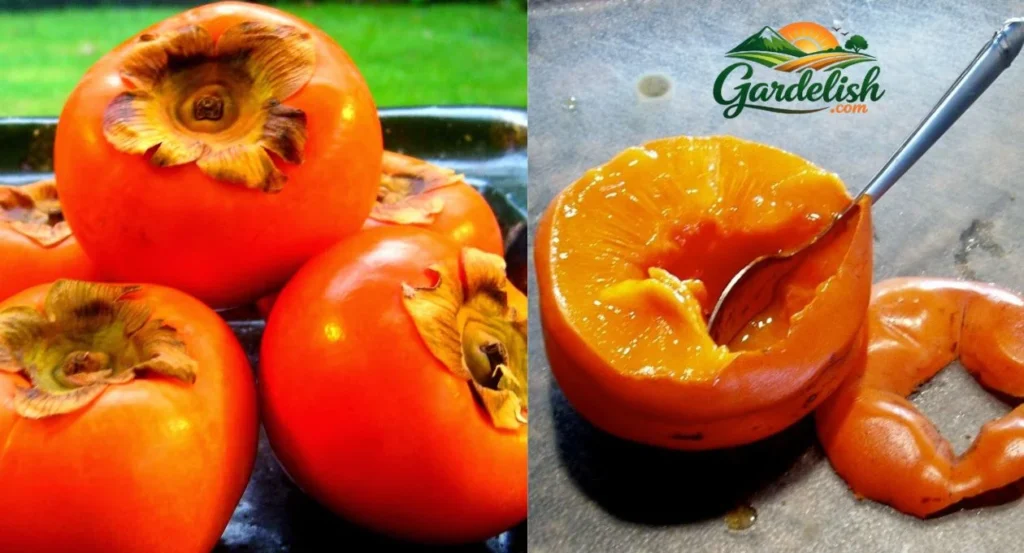
The fruit that looks like a tomato is most often a persimmon, especially the round, orange Fuyu persimmon. At first glance, it can look almost like a glossy heirloom tomato sitting on a fruit stand. The difference is in the texture, flavor, and plant family. Persimmons are sweet tree fruits from the genus Diospyros, while tomatoes are tender annuals in the nightshade family.
There is one more fruit worth knowing: the tamarillo, often called the tree tomato. It looks more like a small oval plum tomato and grows on a shrubby subtropical plant. For gardeners, knowing the difference matters because persimmons and tamarillos need very different growing conditions.
What Is the Fruit That Looks Like a Tomato?
The most common answer is the persimmon. A ripe persimmon is usually orange to reddish-orange, smooth-skinned, and shaped like a squat tomato. Some varieties are round and flat, while others are longer and acorn-shaped.
Persimmons do not taste like tomatoes. A good ripe persimmon tastes sweet, mellow, and almost honey-like. The flesh can be crisp like an apple in non-astringent varieties or soft and custardy in astringent types.
If the fruit is smaller, oval, and grows on a plant sometimes called a tree tomato, it may be a tamarillo. Tamarillos are tangier, more acidic, and closer to tomatoes in appearance, but they are still a separate fruit with their own growing needs.
Why Persimmons Look Like Tomatoes but Taste Different
Persimmons resemble tomatoes because of their smooth orange skin, round shape, and green leafy calyx at the top. That calyx can look similar to the green cap on a tomato, which is why many people mistake the fruit at first glance.
The similarity ends there. Persimmons grow on deciduous trees, not vines. They ripen in fall, often after the leaves begin to change color or drop. Tomatoes grow during warm summer weather and usually finish before frost.
The texture is also different. A firm Fuyu persimmon can be sliced like an apple. A ripe Hachiya persimmon becomes very soft and should be eaten when the flesh feels almost jelly-like. If eaten too early, astringent persimmons can make your mouth feel dry and puckered because of natural tannins.
Main Types of Tomato-Like Persimmons Gardeners Grow
The two persimmon types home gardeners ask about most are Asian persimmon and American persimmon.
Asian persimmon, usually Diospyros kaki, produces the large, market-style fruits many people recognize. Popular varieties include Fuyu and Hachiya. Fuyu is non-astringent, meaning it can be eaten while still firm. Hachiya is astringent and must fully soften before eating.
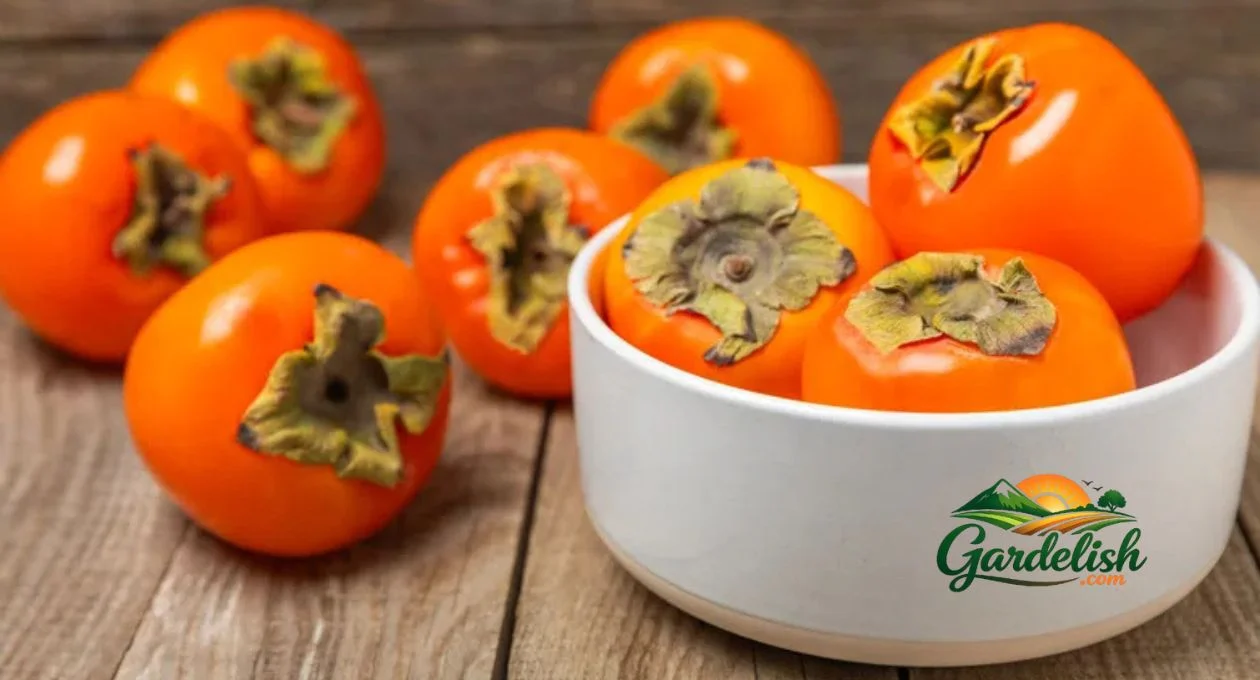
American persimmon, Diospyros virginiana, is usually smaller but very flavorful when fully ripe. It is also more cold-hardy than many Asian types, making it useful for gardeners in colder regions.
For beginners, Fuyu is often the easiest persimmon to enjoy because it can be harvested firm and eaten fresh. Gardeners in colder climates may prefer named American persimmon varieties selected for reliable ripening and better fruit quality.
Growing Conditions for Persimmon Trees
Persimmons grow best in a sunny garden position with room for air movement and root development. Full sun supports better flowering, stronger growth, and sweeter fruit.
Asian persimmons generally prefer mild to warm climates, while American persimmons tolerate colder winters. Before planting, check your USDA hardiness zone and choose a variety suited to your region.
A sheltered location is helpful, especially for young trees. Strong wind can damage branches, dry out soil, and stress newly planted trees. In hot climates, mulch around the root zone helps keep the soil cooler and more evenly moist.
Persimmons are not usually high-maintenance trees, but they do best when planted thoughtfully. Give them enough space from buildings, fences, and other fruit trees so they can develop a natural canopy.
Soil, Watering, and Mulching Tips
Persimmons prefer well-drained soil. Loamy soil with steady moisture is ideal, but many persimmon trees can adapt to a range of garden soils once established. The main problem to avoid is waterlogged ground, which can stress roots and encourage disease.
Before planting, improve poor soil with compost rather than heavy fertilizer. Compost helps soil structure, supports beneficial microbes, and improves moisture balance. If your garden soil is compacted clay, consider planting on a slight mound or in a raised bed area to improve drainage.
Water young persimmon trees deeply during the first growing season. Deep watering encourages roots to move downward instead of staying near the surface. Once established, persimmons are more tolerant of dry spells, but fruit quality is usually better when the tree does not suffer drought stress during summer.
Apply organic mulch, such as shredded leaves, bark, straw, or finished compost, around the base. Keep mulch a few inches away from the trunk to prevent rot and pest problems.
Can You Grow the Fruit That Looks Like a Tomato in Containers?
Yes, persimmons can be grown in containers, especially dwarf or naturally smaller varieties, but they need careful attention. A container-grown persimmon dries out faster than one planted in the ground, and the roots are more exposed to winter cold.
Use a large pot with drainage holes and a high-quality potting mix. Avoid dense garden soil in containers because it compacts and drains poorly. Place the container in full sun and water when the top few inches of mix begin to dry.
Container growing works best for gardeners with patios, small yards, or colder climates where the tree may need winter protection. In very cold areas, move the pot to a sheltered unheated garage or protected spot during harsh freezes.
Tamarillo is often better suited to container culture in cold climates because it is frost-sensitive and can be moved indoors before winter. It does need bright light, regular watering, and enough space because it grows quickly.
Pollination and Fruiting: What Beginners Should Know
Pollination depends on the species and variety. Some Asian persimmons are self-fruitful and can produce fruit without another tree nearby. Some American persimmons may need both male and female trees for good fruit production, depending on the variety.
When buying a persimmon tree, check the nursery label carefully. A named grafted variety is usually more predictable than a seed-grown tree. Seed-grown persimmons can take longer to fruit and may not produce the same quality as the parent fruit.
Healthy flowering also depends on sunlight, age, pruning, and weather. Late frost can damage flowers. Too much nitrogen fertilizer can push leafy growth at the expense of fruiting. A balanced organic fertilizer or compost application in spring is usually enough for many home gardens.
Harvesting and Ripeness: How to Avoid the Puckery Taste
The biggest mistake with persimmons is eating astringent varieties too early. A Hachiya-type persimmon should feel very soft before eating. If it is firm, it may look ripe but still taste unpleasantly dry and tannic.
Fuyu persimmons are easier for beginners because they can be eaten when firm and orange. They should feel heavy for their size and have a rich color. You can slice them into salads, eat them fresh, or use them in simple desserts.
American persimmons are usually best when fully soft. Some gardeners wait until fruit drops naturally, then collect it from clean mulch or a harvest cloth under the tree. This is one reason mulching helps, because ripe fruit can bruise easily.
Use clean pruners to clip fruit from the tree if the stem is tough. Pulling can damage small branches or tear the fruit skin.
Common Problems and Organic Care Tips
Persimmons are generally sturdy trees, but they can still face stress. Poor drainage, drought, late frost, and overfertilizing are more common problems than serious pest outbreaks.
Watch for leaf spots, scale insects, mealybugs, or general decline caused by poor growing conditions. Good spacing, proper pruning, and avoiding wet foliage can reduce disease pressure.
Pruning should be light and purposeful. Remove dead, damaged, crossing, or crowded branches. Young trees benefit from shaping, but heavy pruning can reduce fruiting wood. A simple open structure allows sunlight to reach the canopy and helps fruit ripen evenly.
For organic pest control, start with observation before spraying. Encourage beneficial insects, keep the area clean, remove fallen diseased fruit, and avoid excessive nitrogen. If pests become noticeable, use targeted low-impact options such as horticultural oil where appropriate.
Other Fruits That Look Like Tomatoes
Persimmon is the most common tomato-looking fruit, but it is not the only one. Tamarillo, or tree tomato, is another strong match. It is usually red, orange, or yellow and oval-shaped. It belongs to the nightshade family, like tomatoes, peppers, and eggplants.
Black sapote can also confuse people because unripe fruit may look like a green tomato. It is actually a tropical persimmon relative, sometimes called chocolate pudding fruit because of the dark, soft pulp when ripe.
Pepino dulce is another tomato-family fruit sometimes grown in warm climates or containers. It is usually cream-colored with purple streaks and tastes more like melon and cucumber than tomato.
For gardeners, the right choice depends on climate. Persimmons suit many temperate gardens. Tamarillos need warmth and frost protection. Black sapote is tropical and best suited to very mild climates or greenhouse growing.
Conclusion
The fruit that looks like a tomato is usually a persimmon, especially a round orange variety like Fuyu. It may look like a tomato, but it grows on a tree, ripens in fall, and tastes sweet rather than savory.
For home gardeners, persimmons are rewarding fruit trees when matched to the right climate, soil, and space. Choose a suitable variety, plant it in full sun, water deeply while young, mulch well, and harvest at the right stage of ripeness. If the fruit you saw was oval and called a tree tomato, it was probably tamarillo, a different plant that needs warmer, more protected growing conditions.
FAQs
1. What fruit looks like a tomato but is sweet?
A persimmon often looks like a tomato but tastes sweet when ripe. Fuyu persimmons are firm and crisp, while Hachiya persimmons become soft and custardy.
2. Is a persimmon related to a tomato?
No. Persimmons and tomatoes are not close relatives. Persimmons grow on trees in the Diospyros genus, while tomatoes belong to the nightshade family.
3. What is the tree tomato fruit called?
The tree tomato is commonly called tamarillo. Its botanical name is Solanum betaceum. It is related to tomatoes, peppers, and eggplants.
4. Can I grow persimmons in a small garden?
Yes, especially if you choose a compact or grafted variety. Persimmons need full sun, well-drained soil, and enough space for their canopy.
5. Why does my persimmon taste dry and bitter?
Astringent persimmons taste dry and bitter when eaten before they are fully ripe. Let Hachiya and many American persimmons soften completely before eating.
Cosmic Crisp Apple Lawsuit: What Gardeners Should Know Before Growing This Protected Apple