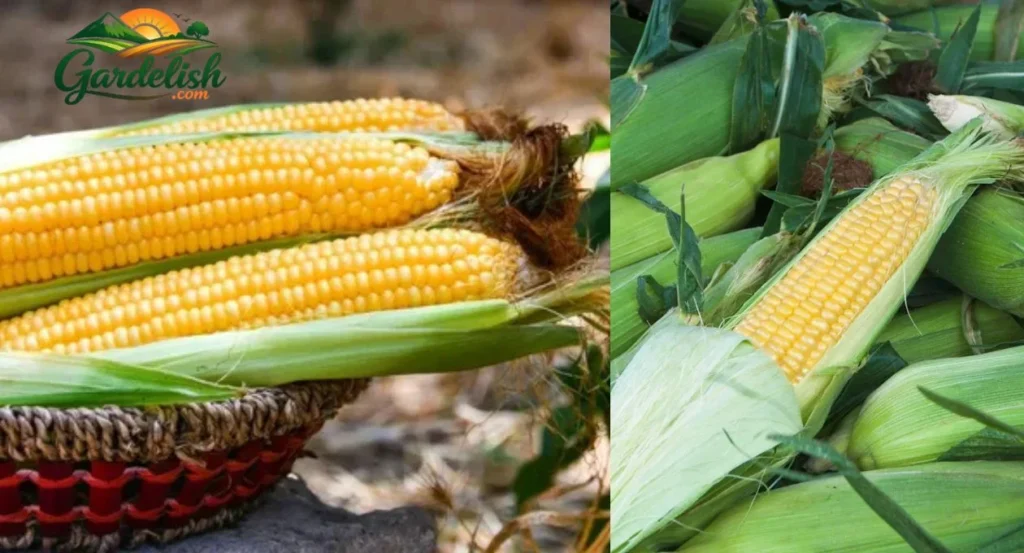
Sweet corn is one of the most popular vegetables grown in home gardens and consumed across North America. When a sweet corn shortage occurs, gardeners, farmers, and consumers all feel the effects. Limited availability can lead to higher prices, fewer fresh ears at local markets, and increased interest in growing corn at home.
The good news is that understanding the causes of a sweet corn shortage can help gardeners make better planting decisions and improve their harvests. Whether the shortage is caused by weather, disease, supply chain issues, or reduced crop yields, home gardeners can take practical steps to produce healthy sweet corn in their own gardens.
What Is a Sweet Corn Shortage?
A sweet corn shortage happens when demand exceeds available supply. This can occur locally, regionally, or across larger agricultural areas.
Unlike field corn, which is primarily grown for livestock feed and industrial uses, sweet corn is harvested while immature and eaten fresh, frozen, or canned. Because it has a short harvest window and requires favorable growing conditions, production can be vulnerable to environmental challenges.
For gardeners and consumers, a shortage often means:
- Higher prices at grocery stores
- Reduced availability at farmers markets
- Smaller harvests from commercial farms
- Increased interest in home-grown sweet corn
- Greater demand for locally produced vegetables
Common Causes of a Sweet Corn Shortage
Several factors can contribute to reduced sweet corn production.
Extreme Weather Conditions
Weather is often the biggest factor affecting sweet corn crops.
Heavy rainfall can flood fields and damage roots, while prolonged drought can stunt plant growth and reduce pollination success. Excessive heat during tasseling and silking can significantly lower kernel development.
Corn performs best when daytime temperatures remain moderate and soil moisture stays consistent throughout the growing season.
Poor Pollination
Sweet corn relies on wind pollination.
If temperatures become unusually hot, humidity levels fluctuate dramatically, or plants experience drought stress during pollination, ears may develop missing kernels or poor kernel fill.
This can substantially reduce yields for both commercial growers and home gardeners.
Pest and Disease Pressure
Several pests can affect sweet corn production, including:
- Corn earworms
- European corn borers
- Cutworms
- Armyworms
Common diseases include:
- Common rust
- Northern corn leaf blight
- Smut
- Stewart’s wilt
Severe infestations can reduce harvest quality and overall crop productivity.
Supply Chain and Labor Challenges
Even when crops grow successfully, transportation issues, labor shortages, and processing delays can limit the amount of sweet corn reaching consumers.
Fresh sweet corn has a relatively short shelf life, making efficient harvesting and distribution essential.
How Sweet Corn Shortages Affect Home Gardeners
A shortage often motivates more gardeners to grow their own corn.
While sweet corn requires more space than many vegetables, it can be highly productive when grown correctly. Garden-grown corn also offers exceptional flavor because sugars begin converting to starch shortly after harvest.
Growing your own crop provides greater control over quality, variety selection, and harvest timing.
Best Conditions for Growing Sweet Corn Successfully
Understanding corn’s growing requirements is the first step toward producing a strong harvest.
Sunlight Requirements
Sweet corn requires full sun.
Plants need at least six to eight hours of direct sunlight daily, although eight or more hours generally produces the best yields.
Shaded locations often result in weak stalks and reduced ear production.
Soil Conditions
Corn thrives in:
- Well-drained loamy soil
- Rich organic matter
- Soil pH between 6.0 and 6.8
- Consistent moisture levels
Before planting, many gardeners improve soil structure by adding compost or well-aged manure.
If you’re interested in improving overall garden productivity, related topics such as composting methods and soil improvement techniques are excellent internal linking opportunities.
USDA Hardiness Zones
Sweet corn can be grown successfully across a wide range of USDA hardiness zones, typically from Zone 3 through Zone 10.
Planting dates vary according to local frost-free periods and soil temperatures.
Seeds should generally be planted when soil temperatures reach at least 60°F (16°C).
Choosing the Right Sweet Corn Varieties
Selecting suitable varieties can help gardeners overcome challenges that contribute to shortages.
Popular sweet corn types include:
Standard Sweet Corn (su)
Traditional varieties offer classic corn flavor and are often easier to grow.
Examples include:
- Golden Bantam
- Silver Queen
Sugary Enhanced (se)
These varieties retain sweetness longer after harvest.
Examples include:
- Kandy Korn
- Bodacious
Supersweet (sh2)
Supersweet varieties contain higher sugar levels and extended storage quality.
Examples include:
- Honey Select
- Illini Xtra Sweet
Growing multiple varieties with different maturity dates can extend harvest periods and reduce the risk of losing an entire crop to unfavorable weather.
Planting Strategies to Increase Corn Production
One effective way to reduce dependence on market availability is to maximize home production.
Plant in Blocks Instead of Single Rows
Because corn relies on wind pollination, planting in blocks rather than long single rows improves pollination efficiency.
A minimum block size of four rows generally produces better ear development.
Succession Planting
Planting every two to three weeks creates multiple harvest periods throughout summer.
This approach spreads risk and helps maintain a steady supply of fresh corn.
Companion Planting
Several companion plants work well near sweet corn:
- Pole beans
- Pumpkins
- Squash
- Cucumbers
The traditional “Three Sisters” planting method combines corn, beans, and squash to maximize garden space and improve biodiversity.
Watering and Fertilizing for Better Yields
Sweet corn is a heavy feeder and requires consistent moisture.
Watering Tips
Corn generally needs about one inch of water per week.
During tasseling and ear development, moisture becomes especially important.
Deep watering is preferable to frequent shallow irrigation because it encourages stronger root growth.
Mulching around plants helps conserve soil moisture and suppress weeds.
Fertilizer Recommendations
Corn benefits from nitrogen-rich fertilizers.
Common organic options include:
- Compost
- Blood meal
- Fish emulsion
- Well-aged manure
Side-dressing plants with additional nitrogen when they reach knee height often improves growth and ear production.
Preventing Common Sweet Corn Problems
Healthy plants are more productive and less vulnerable during periods when overall corn supplies are limited.
Pest Prevention
Integrated pest management strategies include:
- Crop rotation
- Floating row covers
- Beneficial insects
- Regular garden inspections
Early detection often prevents serious infestations.
Disease Prevention
To reduce disease risks:
- Avoid overhead watering
- Maintain proper spacing
- Rotate crops annually
- Remove infected plant debris
Good airflow around plants helps prevent many fungal diseases.
Harvesting Sweet Corn at Peak Quality
Timing is crucial when harvesting sweet corn.
Most varieties are ready approximately 18 to 24 days after silks first appear.
Look for:
- Brown silks
- Full ear size
- Milky kernel juice when punctured
Harvest early in the morning whenever possible.
Freshly picked corn delivers the highest sugar content and best flavor.
Can Home Gardening Help During a Sweet Corn Shortage?
Yes. While home gardens cannot replace commercial agriculture, they can significantly reduce dependence on market supplies.
A well-maintained corn patch can provide dozens of ears during the growing season. Many gardeners find that growing even a small block of sweet corn offers better flavor and freshness than store-bought options.
Careful planning, healthy soil, proper watering, and good pollination practices can dramatically improve success rates.
Conclusion: Understanding and Responding to a Sweet Corn Shortage
A sweet corn shortage can result from weather extremes, pest pressure, pollination problems, or supply chain disruptions. While these factors may reduce commercial availability, home gardeners can often overcome many of these challenges through proper cultivation practices.
By selecting suitable varieties, improving soil health, planting in pollination-friendly blocks, and maintaining consistent watering, gardeners can enjoy reliable harvests even when sweet corn becomes harder to find. Growing your own crop not only helps offset shortages but also provides fresher, sweeter corn straight from the garden.
Do Deer Like Pumpkins? A Gardener’s Guide to Protecting Your Fall Harvest