The dragon fruit shortage is not simply a story about empty supermarket shelves. In most places, it means uneven supply, higher prices, inconsistent fruit quality, and seasonal gaps caused by weather stress, limited growing regions, pollination issues, and rising demand. For gardeners, it also raises a practical question: can growing dragon fruit at home help reduce dependence on imported fruit?
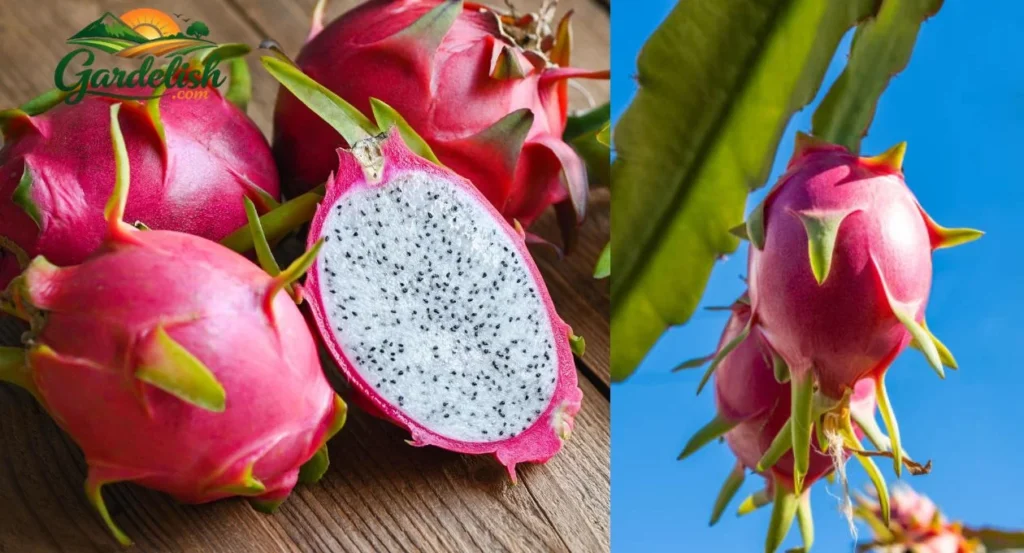
Dragon fruit, also called pitaya, is a climbing tropical cactus grown for its striking pink or yellow fruit and speckled flesh. It looks exotic, but the plant itself is surprisingly tough when given warmth, drainage, sunlight, and a strong support structure. Still, reliable fruiting is not automatic. A healthy-looking vine can produce few fruits if the weather, pruning, nutrients, or pollination are wrong.
That is why the shortage matters to gardeners. It shows how sensitive this crop can be, even though it belongs to the cactus family.
Quick Answer: Is There Really a Dragon Fruit Shortage?
Yes, but it is better described as a supply imbalance rather than a complete shortage. Dragon fruit is still available in many markets, but availability can vary by season, region, import route, and fruit quality.
In countries that depend heavily on imported dragon fruit, shoppers may notice higher prices or fewer fresh fruits during certain months. In growing regions, farmers may face irregular harvests because dragon fruit production depends on stable flowering cycles, good pollination, warm weather, and careful post-harvest handling.
For home gardeners, this means one thing clearly: if your climate is suitable, growing your own dragon fruit can be a smart long-term addition to the garden. It will not solve a global shortage, but it can give you fresher fruit and more control over quality.
Why the Dragon Fruit Shortage Happens
A dragon fruit shortage usually comes from several problems happening at once. The fruit is grown commercially in selected tropical and subtropical regions, and its supply chain is more delicate than many everyday fruits.
Unlike apples or potatoes, dragon fruit is highly perishable and depends on quick harvesting, careful packing, cold storage, and timely transport. When crops are delayed, damaged, or reduced in quality, less fruit reaches export markets.
At the garden level, the same weaknesses appear on a smaller scale. Poor flowering, weak trellising, root rot, too much shade, or lack of pollination can all reduce the harvest.
Climate stress disrupts flowering and fruit quality
Dragon fruit grows best in warm, mostly frost-free climates. It enjoys bright light and heat, but it does not appreciate extremes. Long periods of heavy rain can encourage fungal and bacterial problems, while intense sun in dry regions can scorch tender stems.
The plant’s flowering cycle is especially important. Dragon fruit flowers usually open at night, and fruit set depends on successful pollination during a short window. If unusual rain, heat, wind, or cool nights interrupt flowering, the final harvest may be smaller.
This is one reason climate instability can affect commercial supply. A farm may have plenty of vines, but if flowering is poor or fruit quality drops, the market still feels a shortage.
Pollination problems reduce fruit set
Many new growers are surprised to learn that dragon fruit is not always self-reliable. Some cultivars can set fruit with their own pollen, while others perform much better with cross-pollination from a different variety.
In natural settings, night-flying pollinators may visit the large flowers. In gardens, especially urban yards or indoor spaces, those pollinators may be absent. That is why hand pollination is often useful. A gardener can collect pollen from one flower and brush it onto the stigma of another flower at night or early morning.
This simple step can make the difference between a beautiful flower that falls off and a flower that develops into fruit. For anyone growing dragon fruit during a period of high market prices, learning hand pollination is one of the most practical skills to develop.
Limited production regions make supply fragile
A major reason dragon fruit supply feels unstable is that large-scale production is concentrated in specific regions with suitable climates and established export systems. When weather, labor, transport, or quality issues affect those areas, importing countries notice the impact quickly.
Dragon fruit farming is expanding in more countries, but new orchards do not become highly productive overnight. Plants need time to establish strong roots, climb their trellis, branch properly, and settle into a fruiting rhythm. Commercial growers also need packing systems, quality control, irrigation, and market access.
This is why demand can rise faster than supply. Smoothie bowls, fresh fruit platters, health-focused snacks, and social media-friendly food trends have made dragon fruit more visible, but farming expansion takes patience.
What Gardeners Can Learn From the Shortage
The biggest gardening lesson from the dragon fruit shortage is that fruit production depends on consistency. A dragon fruit vine needs the right balance of sun, drainage, airflow, nutrition, pruning, and pollination. When one part of that system fails, the harvest can suffer.
For backyard growers, this is good news because many of these factors are manageable. You cannot control global shipping delays, but you can improve your soil drainage, build a stronger trellis, hand-pollinate flowers, and protect your plant from cold.
This is also where related gardening topics fit naturally. If your garden soil holds water after rain, a soil improvement or raised bed guide would be useful before planting dragon fruit. If you garden organically, composting, mulching, and organic fertilizer planning can help build healthier vines over time.
How to Grow Dragon Fruit More Reliably at Home
Dragon fruit can be grown outdoors in warm climates and in large containers in cooler regions. The plant is a vining cactus, so it needs vertical support rather than ordinary garden spacing. A mature plant can become heavy, especially after branching, so weak stakes are not enough.
Most gardeners start with cuttings instead of seeds because cuttings produce faster and keep the characteristics of the parent plant. Seed-grown plants can be interesting, but they take longer and may not produce fruit identical to the original variety.
If your goal is fruit, choose named varieties where possible and plant more than one genetically different type to improve pollination.
Choose the right climate, sun, and soil
Dragon fruit is best suited to tropical and subtropical gardens, roughly the kind of climate where frost is rare. In cooler areas, container growing is usually safer because the plant can be moved indoors or into a greenhouse during cold weather.
Give the plant full sun to light shade. In very hot, dry climates, young plants may need temporary shade during the harshest part of the day. Too much shade, however, can reduce flowering and lead to weak growth.
Soil drainage is critical. Dragon fruit does not like sitting in soggy ground. A loose, well-drained soil enriched with compost or aged manure is ideal. If your soil is heavy clay, consider a raised mound, raised bed, or large container filled with a gritty, fast-draining mix.
Water, feed, and mulch with restraint
Although dragon fruit is a cactus, it is not a desert plant in the same way many people imagine. It needs moisture during active growth, flowering, and fruit development. The key is deep watering followed by good drainage, not constant wetness.
Overwatering is one of the easiest ways to weaken the plant. Wet roots can invite rot, especially during cool or cloudy weather. Let the upper soil dry slightly before watering again, and reduce watering during cooler inactive periods.
Feed young plants lightly but regularly during the growing season. Balanced organic fertilizers, compost, worm castings, and small amounts of well-rotted manure can support healthy growth. Once the plant matures, avoid pushing too much leafy growth with heavy nitrogen. A vine that grows wildly but never flowers may need better light, pruning, and more balanced nutrition.
Mulch helps conserve moisture and suppress weeds, but keep it away from the main stem. A small gap around the base reduces the risk of stem rot.
Prune, pollinate, and watch for pests
Pruning is not just cosmetic. Dragon fruit vines can become crowded, tangled, and shaded from within. Remove dead, diseased, weak, or overcrowded stems. Good airflow helps the plant dry faster after rain and lowers disease pressure.
Training is also important. Allow one or more strong main stems to climb the support, then encourage branching near the top. Once the plant forms a canopy, prune selectively to keep healthy stems and make harvesting easier.
For pollination, check flowers in the evening. If natural pollinators are unreliable, hand-pollinate with a small brush. Grow at least two compatible varieties if possible, because cross-pollination often improves fruit set and fruit size.
Common problems include mites, thrips, mealybugs, scale insects, ants, slugs, stem rot, and fungal spots. Most issues are easier to prevent than cure. Keep the plant open, avoid overwatering, remove fallen fruit, and inspect new growth regularly. Organic pest control methods, such as insecticidal soap or horticultural oil, may help with soft-bodied insects when used correctly.
Indoor and Container Growing During Short Supply
Container growing is a practical option for gardeners who want dragon fruit but live outside ideal outdoor zones. Use a large, heavy pot with drainage holes and a strong central support. A mature plant can become top-heavy, so lightweight containers are risky.
Place the plant where it receives strong light, such as a sunny patio, greenhouse, sunroom, or bright south-facing window. Indoors, flowering may be less reliable unless the plant gets enough light and warmth. Grow lights can help, but dragon fruit still needs space, airflow, and careful watering.
Container plants dry out faster in summer but are also easier to overwater in winter. Adjust watering by season, not by habit. When flowers appear indoors, hand pollination becomes even more important because natural pollinators are usually absent.
For gardeners frustrated by high store prices, container dragon fruit can be rewarding, but it requires patience. A cutting may grow quickly, yet fruiting depends on maturity, light, pruning, and pollination.
Conclusion: Dragon Fruit Shortage and the Future of Home Growing
The dragon fruit shortage is not a sign that this fruit is disappearing. It is a reminder that even popular crops can become vulnerable when demand rises quickly and production depends on specific climates, good pollination, careful handling, and reliable transport.
For consumers, prices and availability may continue to change by season. For gardeners, the shortage creates an opportunity to understand the plant more deeply and grow it with better care. With warm conditions, well-drained soil, a sturdy trellis, thoughtful pruning, balanced feeding, and hand pollination when needed, dragon fruit can become a productive and beautiful part of the home garden.
Growing your own pitaya will not replace commercial farms, but it can give you a fresher harvest, a stronger connection to the plant, and a practical way to enjoy dragon fruit even when market supply feels uncertain.
5 SEO-Friendly FAQs
1. Why is there a dragon fruit shortage?
The shortage is usually caused by a mix of climate stress, irregular flowering, pollination problems, limited growing regions, transport delays, and rising consumer demand.
2. Is dragon fruit hard to grow at home?
Dragon fruit is not difficult in warm climates, but it needs strong sunlight, well-drained soil, a sturdy trellis, careful watering, and proper pollination to fruit reliably.
3. Can dragon fruit grow in containers?
Yes. Dragon fruit can grow in large containers if the pot has excellent drainage, strong support, enough sunlight, and protection from cold weather.
4. Why does my dragon fruit flower but not produce fruit?
Poor fruit set is often caused by lack of pollination, self-incompatible varieties, weak plant maturity, weather stress, or flowers not being hand-pollinated at the right time.
5. What can gardeners do during a dragon fruit shortage?
Gardeners can grow dragon fruit from cuttings, plant more than one compatible variety, improve soil drainage, prune correctly, hand-pollinate flowers, and protect plants from climate stress.
Sweet Corn Shortage: Causes, Impact on Gardeners, and How to Grow More Corn Successfully