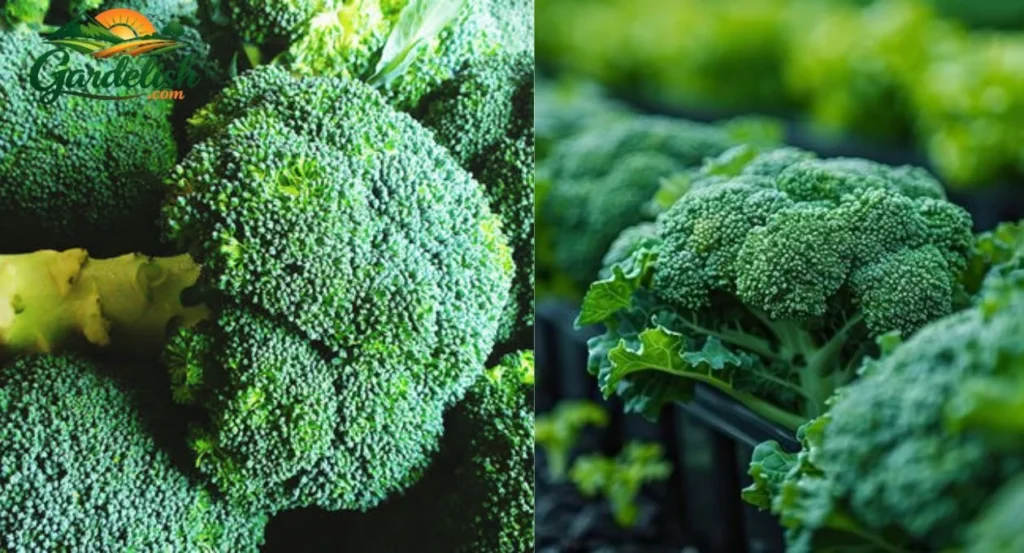
A broccoli shortage happens when fresh supply drops because of weather stress, lower crop yields, delayed harvests, transport pressure, or rising farming costs. In 2026, the issue is not that broccoli has disappeared everywhere. It is more accurate to say that supply has become tighter in some regions, which can lead to higher prices, smaller heads, uneven grocery availability, and more demand for frozen broccoli.
For gardeners, this topic is more than a grocery-store problem. Broccoli is a cool-season crop, and the same conditions that affect large farms also affect backyard gardens: heat, frost, drought, heavy rain, poor soil, pest pressure, and bad planting timing. Understanding the shortage helps home growers plan better and get a more reliable harvest.
Is There a Broccoli Shortage Right Now?
Yes, broccoli supply is tight in some markets, but the shortage is regional and seasonal rather than global or permanent. Some stores may still have fresh broccoli, while others may show higher prices, smaller crowns, or limited organic options.
Broccoli belongs to the brassica family, along with cauliflower, cabbage, kale, Brussels sprouts, collards, and bok choy. These crops grow best in cool, steady weather. When major growing areas face unusual heat, heavy rain, drought, or delayed planting, supply can drop quickly.
Fresh broccoli is also highly perishable. Unlike potatoes, onions, or winter squash, it cannot sit in storage for months. Once harvested, it needs quick cooling, careful handling, and refrigerated transport. This makes broccoli more sensitive to both farm problems and supply chain delays.
Why the Broccoli Shortage Is Happening
The broccoli shortage is not caused by one single issue. It usually happens when several growing and market pressures overlap.
Weather is the biggest factor. Broccoli grows best in mild conditions, but heatwaves can make plants bolt early. Bolting means the plant starts flowering before it forms a tight, usable head. When this happens, the crop loses quality and market value.
Heavy rain creates another problem. Waterlogged soil can damage roots, delay field work, and increase fungal diseases. Drought has the opposite effect, but it is just as harmful. Dry soil reduces head size, weakens plants, and increases stress during the most important growth stages.
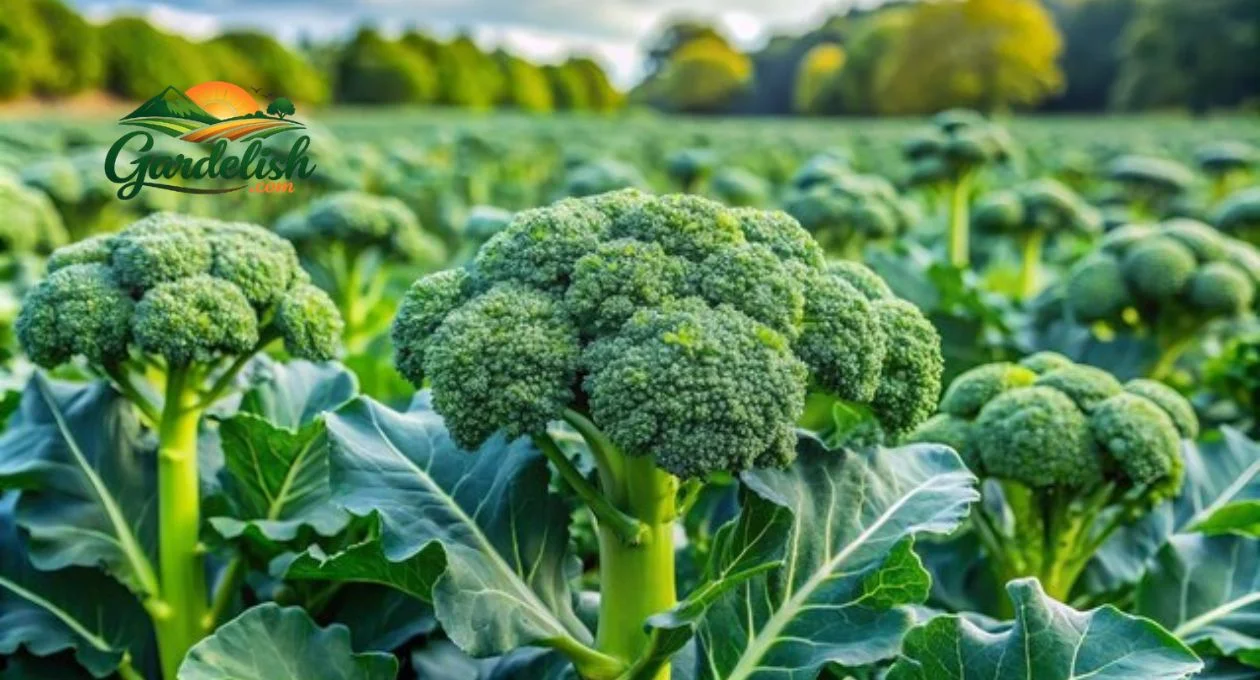
Rising production costs also matter. Broccoli farming depends on seed, fertilizer, water, labor, packaging, cooling, and transport. If these costs rise, some growers reduce acreage or shift to crops with better profit margins. That lowers total supply before the crop even reaches the market.
Why Are Broccoli Prices Rising?
Broccoli prices rise when supply becomes tight but demand stays steady. This is exactly what happens during a shortage. Families still buy vegetables, restaurants still need side dishes, and supermarkets still want full produce displays, but fewer fresh broccoli heads are available.
The price increase often starts at the farm and wholesale level. If yields are lower, buyers compete for less product. Then the cost moves through the supply chain: harvesting, cooling, packing, trucking, and retail handling.
Organic broccoli can become even more expensive because organic growers have fewer tools for managing pests and diseases. Their supply is also smaller, so a weather problem can affect availability more quickly.
Frozen broccoli may become a better value during this time. It is usually processed when supply is stronger, then stored for later use. If fresh broccoli is expensive or poor quality, frozen broccoli is often the most practical substitute for soups, casseroles, stir-fries, pasta, and rice dishes.
Where Is Broccoli Supply Most Affected?
Broccoli shortages do not affect every country or city equally. The impact depends on local growing seasons, imports, weather, and transport routes.
| Region | Why Supply Can Become Tight |
| United States | Weather stress in key vegetable-growing areas, especially during seasonal transitions |
| United Kingdom | Brassica supply gaps, mild winter timing, heavy rain, and the spring “hungry gap” |
| Australia | Flooding, drought, and extreme weather can damage broccoli crops |
| Import-dependent markets | Higher transport costs and limited fresh supply can increase prices |
| Local grocery markets | Smaller stores may feel shortages faster than large supermarket chains |
This is why one shopper may see expensive broccoli while another person in a different region finds normal prices. A broccoli shortage often appears uneven because fresh produce supply moves through regional growing and distribution systems.
Why Broccoli Is Sensitive to Weather
Broccoli, botanically known as Brassica oleracea var. italica, is a cool-season vegetable. It performs best when temperatures stay mild and soil moisture remains consistent. Warm weather at the wrong stage can cause loose heads, yellow buds, bitter flavor, and early flowering.
This matters for both farmers and home gardeners. In many USDA hardiness zones, broccoli is planted in early spring for a late spring harvest or in late summer for a fall harvest. In warmer climates, fall and winter planting often works better because plants mature in cooler weather.
Soil quality also affects how well broccoli handles stress. The crop prefers fertile loam soil with good drainage, steady moisture, and a slightly acidic to neutral pH around 6.0 to 7.0. Compost, aged manure, leaf mold, and organic mulch help improve soil structure and moisture retention.
A stressed broccoli plant often shows clear signs. Leaves may wilt, heads may stay small, buds may loosen, and the plant may flower too early. These are the same crop-quality problems that reduce commercial supply during difficult growing seasons.
Can Gardeners Grow Broccoli During a Shortage?
Yes, home gardeners can grow broccoli during a shortage, but timing is the key. Broccoli is not a true summer vegetable. It needs cool weather, rich soil, and steady watering to produce firm heads.
Beginners often get better results with transplants instead of seeds. Choose healthy seedlings with strong stems and deep green leaves. Avoid tall, weak, yellowing plants because they are already stressed.
For spring planting, set transplants outside before warm weather arrives. For fall planting, start early enough so plants can mature before hard freezes. In hot climates, fall broccoli is usually more reliable than spring broccoli.
Broccoli can also grow in containers. Use a pot at least 12 inches deep with drainage holes and rich potting mix. Container plants dry out faster than garden-bed plants, so water regularly and add mulch to protect the root zone.
Raised beds are another strong option. They improve drainage during wet weather and warm up faster in spring. If your garden soil is compacted clay, raised beds with compost can make broccoli much easier to grow.
Best Growing Conditions for Broccoli
Broccoli needs full sun, fertile soil, and even moisture. Give plants at least six hours of sunlight per day. In hot regions, light afternoon shade can reduce heat stress and delay bolting.
Before planting, mix compost into the soil. Broccoli is a heavy feeder, so it benefits from a balanced vegetable fertilizer or organic nitrogen sources such as fish emulsion, compost tea, blood meal, or well-rotted manure.
Water deeply instead of sprinkling lightly. The soil should stay evenly moist but not soggy. Drip irrigation or a soaker hose works well because it keeps leaves drier and reduces disease pressure.
Mulching is useful for broccoli because it keeps soil cooler, holds moisture, and reduces weeds. Straw, shredded leaves, grass clippings, or compost can work well around the base of the plants.
Watch for common brassica pests such as cabbage worms, aphids, flea beetles, and cutworms. For organic pest control, use floating row covers early in the season, check the undersides of leaves, handpick caterpillars, and encourage beneficial insects.
Harvest broccoli when the main head is firm and tight, before yellow flowers open. Cut the head with a sharp knife and leave the plant in the ground. Many varieties keep producing smaller side shoots for several weeks.
What to Use Instead of Broccoli
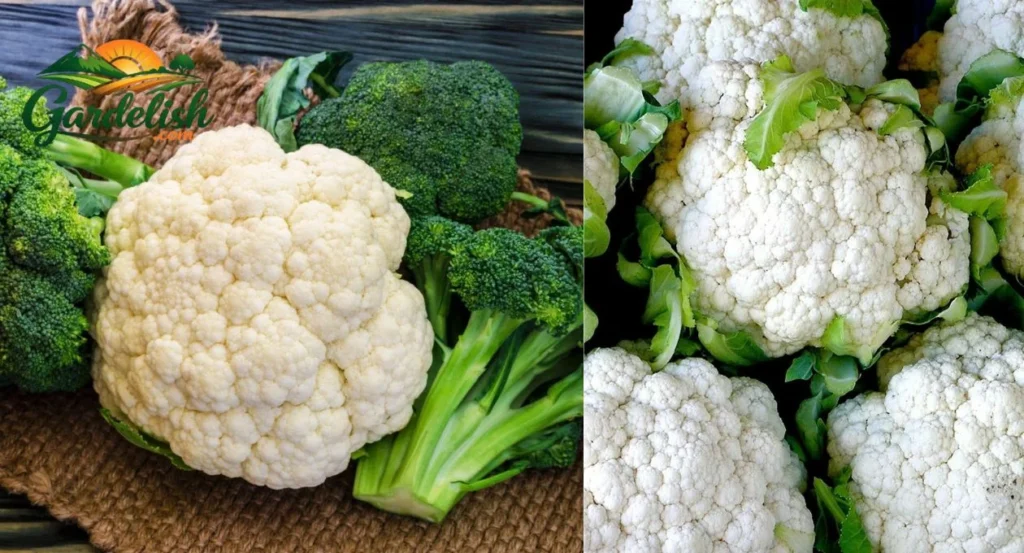
When fresh broccoli is expensive, shoppers and gardeners can stay flexible. Cauliflower is the closest substitute because it belongs to the same plant family and has a similar texture. It works well in roasting, steaming, soups, casseroles, and stir-fries.
Kale, cabbage, Brussels sprouts, bok choy, spinach, Swiss chard, and green beans are also useful alternatives. They do not taste exactly like broccoli, but they can fill the same role as a green vegetable in everyday meals.
Gardeners can reduce risk by growing more than one cool-season crop. A mixed brassica bed with broccoli, kale, cabbage, and cauliflower gives more reliable harvests than depending on one vegetable. If broccoli struggles in heat, kale or Swiss chard may still produce usable leaves.
This is also a strong place for internal links to related gardening guides, such as soil improvement, composting, raised beds, organic fertilizers, companion planting, seasonal planting calendars, and natural pest control.
How Long Will the Broccoli Shortage Last?
The length of a broccoli shortage depends on weather recovery, harvest timing, transport stability, and the next planting cycle. A short seasonal gap may last only a few weeks. A severe weather problem can affect supply and prices for longer.
Fresh broccoli supply usually improves when a new growing region begins harvesting. For example, if one region has heat-damaged crops, prices may stay high until another region enters production.
For gardeners, the best long-term response is planning. Plant broccoli in the right season, improve the soil before planting, protect young plants from pests, and grow backup vegetables. A small home garden cannot replace the entire grocery supply, but it can give you more control during price spikes.
Broccoli Shortage FAQs
Why is there a broccoli shortage?
A broccoli shortage happens when fresh supply drops because of weather stress, lower crop yields, delayed harvests, rising farming costs, or transport problems. Broccoli is a cool-season crop, so heatwaves, drought, heavy rain, and frost can quickly affect harvest quality and availability.
Is there a broccoli shortage in 2026?
Yes, some regions have experienced tighter broccoli supply and higher prices in 2026. The issue is not global everywhere, but certain markets may see limited fresh broccoli, smaller heads, higher prices, or reduced organic broccoli availability.
Why is broccoli so expensive right now?
Broccoli becomes expensive when supply is lower but demand remains steady. Fresh broccoli also needs quick harvesting, cooling, packing, and refrigerated transport. When weather reduces yields or transport costs rise, grocery prices usually increase.
How long will the broccoli shortage last?
The length of a broccoli shortage depends on weather recovery, harvest timing, and the next growing cycle. A short seasonal shortage may last a few weeks, while severe weather damage can keep supply tight for longer.
What can I use instead of broccoli?
Cauliflower is the closest substitute for broccoli because it belongs to the same brassica family and has a similar texture. Other good options include kale, cabbage, Brussels sprouts, bok choy, spinach, Swiss chard, green beans, and frozen broccoli.
Conclusion
The broccoli shortage shows how quickly weather, crop timing, rising costs, and transport pressure can affect fresh vegetable supply. Broccoli is a nutritious but sensitive cool-season crop, so heat, drought, heavy rain, frost, and poor soil conditions can reduce both commercial harvests and backyard yields.
For shoppers, the best response is flexibility. Use frozen broccoli, try cauliflower or kale, and buy seasonal vegetables when fresh broccoli prices rise. For gardeners, the solution is better timing and stronger growing practices. Plant broccoli in cool weather, improve soil with compost, water consistently, mulch well, rotate brassica crops, and protect plants from pests.
A broccoli shortage can be frustrating, but it also teaches an important gardening lesson: reliable harvests begin with healthy soil, the right season, and careful crop planning.
Shine Muscat: A Gardener’s Guide to Growing This Sweet Japanese Grape