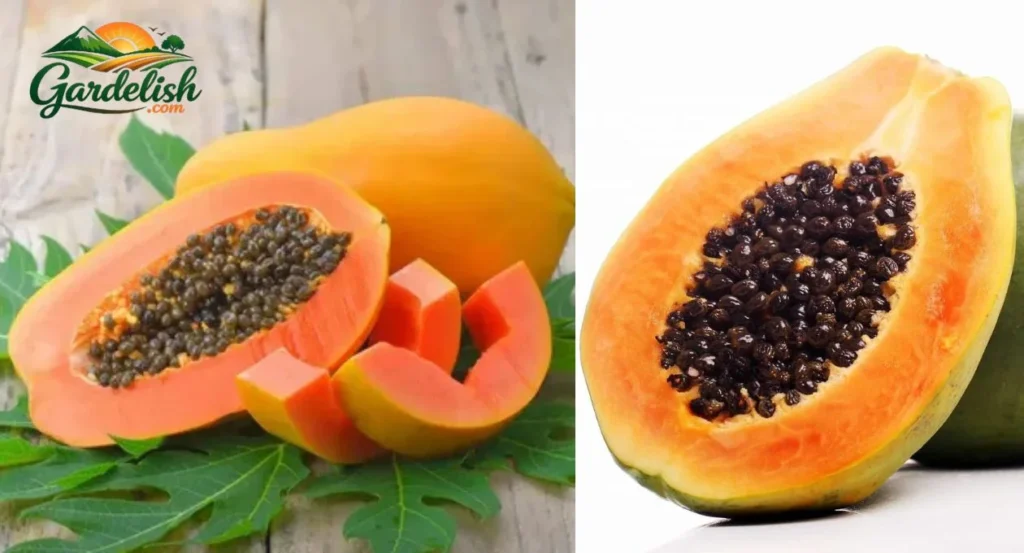
A papaya shortage usually happens when weather, disease, shipping delays, or poor harvest quality reduce the amount of good fruit reaching markets. Papayas are tropical, soft, and highly perishable, so even small problems in growing regions can quickly affect availability and price.
For gardeners, this shortage is also a useful reminder: papaya is one of the fastest-growing tropical fruit plants, but it needs the right conditions. Warm weather, full sun, well-drained soil, steady watering, and early pest control all make a big difference.
If papayas are expensive or hard to find in your area, growing your own may be possible—especially if you live in a warm climate or have space for a large container plant.
Why Is There a Papaya Shortage?
A papaya shortage is usually not caused by one single issue. In most cases, it is the result of several problems happening at the same time.
Papaya grows best in warm, frost-free regions. When farms face unusual cold, storms, drought, heavy rain, or flooding, plants may produce fewer fruits. Even when trees survive, fruit quality can suffer.
Disease is another major factor. Papaya plants can be affected by viral and fungal problems that reduce growth, damage fruit, or shorten the plant’s productive life. Since papaya is a soft fruit, any damage during harvest, packing, or shipping can also lead to waste before it reaches stores.
That is why shoppers may notice fewer ripe papayas, smaller fruit, higher prices, or fruit that looks bruised, underripe, or poor in quality.
What the Papaya Shortage Means for Home Gardeners
For home gardeners, a shortage does not only mean higher grocery prices. It shows how valuable local fruit growing can be.
Papaya, botanically known as Carica papaya, grows much faster than many fruit trees. In the right climate, it can become productive within a relatively short time. It is often called a tree, but it is actually a fast-growing herbaceous tropical plant with a soft trunk.
If you live in USDA zones 9B to 11, papaya can grow outdoors with proper care. In cooler areas, it can be grown in a large container, greenhouse, or sunroom, although fruiting may be less dependable.
This topic also connects naturally with internal articles on tropical fruit gardening, container gardening, soil improvement, composting, organic fertilizers, and climate-specific growing guides.
Best Conditions for Growing Papaya
Papaya needs warmth, sunlight, and drainage more than anything else. A healthy plant should be placed where it receives at least six hours of direct sun daily. In slightly cooler climates, choose the warmest spot in the garden, such as near a south-facing wall or protected patio.
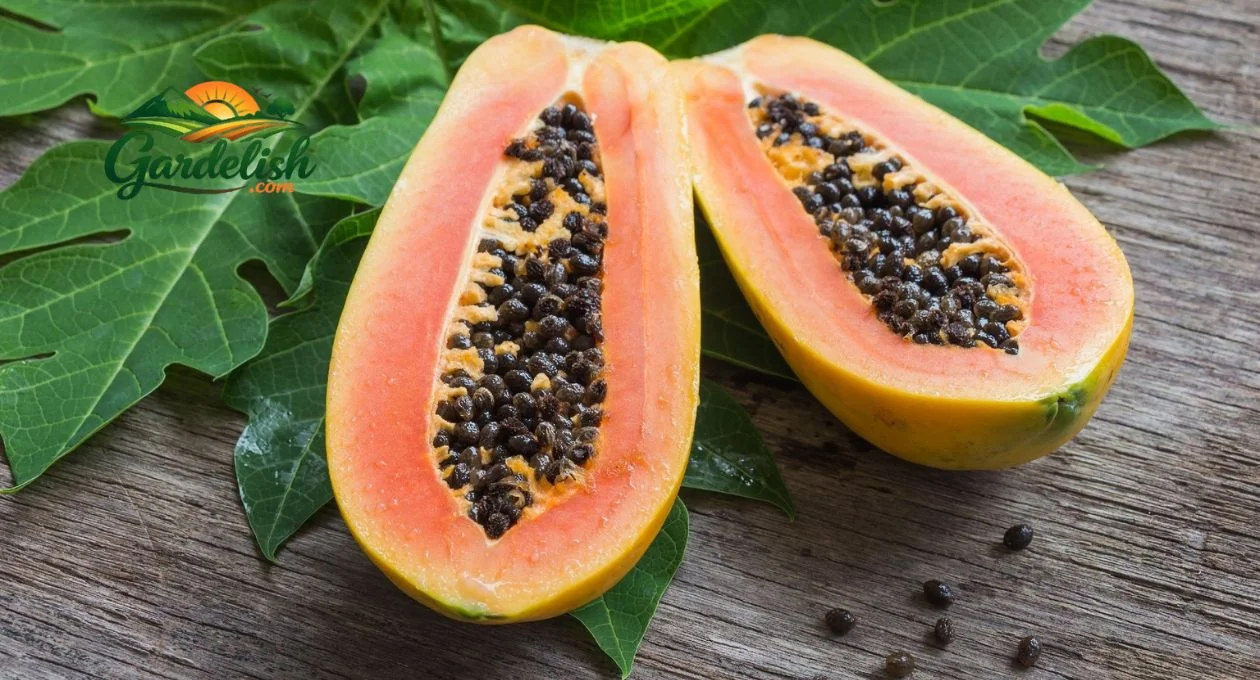
Soil should be loose, fertile, and well-drained. Sandy loam is ideal, but many gardeners can improve regular garden soil with compost and organic matter. Heavy clay soil is risky because papaya roots can rot if they stay wet for too long.
If your soil holds water after rain, plant papaya on a raised mound or in a raised bed. This keeps the root zone healthier and reduces the risk of root disease.
Wind protection is also helpful. Papaya leaves are large and can tear easily, while the soft trunk may suffer during strong storms.
How to Grow Papaya at Home
Papaya can be grown from seed or from nursery plants. Growing from seed is affordable, but results can vary. Nursery plants or known varieties are usually more reliable for gardeners who want fruit.
To start from seed, remove seeds from a ripe papaya, rinse them, and plant them in warm seed-starting mix. Keep the soil moist but not soggy. Warmth is important for germination, so seeds usually perform better in a warm indoor spot or greenhouse.
When seedlings are ready, transplant them carefully. Papaya roots do not like being disturbed, so avoid rough handling. Plant them in their final location while they are still young.
One important thing beginners should know is that papaya plants may be male, female, or hermaphrodite. Hermaphrodite plants are usually preferred because they can produce fruit more reliably without needing separate male and female plants nearby.
Watering and Fertilizer Tips
Papaya grows quickly, so it needs regular moisture and nutrients. The soil should stay evenly moist, especially during hot weather, but it should never remain waterlogged.
Deep watering is better than frequent shallow watering. In containers, papaya may need water more often because pots dry out faster. Always make sure the container has drainage holes.
Before planting, mix compost into the soil. During active growth, use a balanced organic fertilizer or fruit-tree fertilizer according to label instructions. Papaya often benefits from potassium, magnesium, and other micronutrients, especially when it begins flowering and fruiting.
Mulching is also useful. A layer of straw, shredded leaves, bark, or compost helps conserve moisture and protect the soil. Keep mulch a few inches away from the trunk to prevent rot.
Common Problems That Reduce Papaya Harvests
Many papaya plants fail because of stress. Poor drainage, cold weather, pests, and disease can all reduce fruit production.
Root rot is common in wet soil. The plant may look wilted even though the ground is damp. Leaves may yellow, and the trunk base may become weak. The best prevention is planting in well-drained soil from the beginning.
Papaya ringspot virus is one of the most serious papaya diseases. It can cause distorted leaves, poor growth, and damaged fruit. Aphids may spread the virus from plant to plant. Removing infected plants and controlling weeds can help reduce disease pressure.
Other common pests include mealybugs, whiteflies, spider mites, and aphids. Check the underside of leaves regularly. For light infestations, a strong spray of water, insecticidal soap, or carefully applied neem oil may help.
Fungal diseases can appear in humid weather, especially when plants are crowded. Good airflow, clean gardening tools, and avoiding overhead watering can reduce problems.
Can You Grow Papaya in Containers?
Yes, papaya can grow in containers, but the pot must be large. A small decorative pot will not support a healthy fruiting plant for long.
Use a container of at least 15 to 20 gallons with strong drainage. Fill it with a loose, rich potting mix that does not compact easily. Compost, perlite, and coarse organic material can help improve structure.
Container papayas need more attention than ground-grown plants. They dry out faster, run out of nutrients sooner, and are more sensitive to cold. In winter, move the plant indoors, into a greenhouse, or to a protected sunny space before temperatures drop too low.
Dwarf or compact papaya varieties are better for container growing. Fruiting indoors is possible but not guaranteed, especially without strong sunlight and warmth.
Harvesting Papaya at the Right Time
Papaya should usually be harvested when the skin begins to turn yellow but the fruit is still firm. If you leave it too long on the plant, birds, insects, rodents, or fruit rot may damage it.
After picking, let the fruit ripen at room temperature. A ripe papaya should feel slightly soft and have a sweet smell. Once ripe, it can be refrigerated for a short time.
Green papaya can also be used in salads and cooked dishes, while fully ripe papaya is best for fresh eating, smoothies, fruit bowls, and desserts.
During a papaya shortage, home gardeners can make better use of each fruit by harvesting carefully and using both green and ripe stages.
How Gardeners Can Reduce Dependence on Store-Bought Papaya
The best way to grow papaya successfully is to reduce plant stress from the start.
Choose a sunny, warm location. Improve the soil before planting. Water consistently. Use mulch. Feed lightly but regularly. Watch for pests early instead of waiting until the plant is badly affected.
Avoid overcrowding around papaya plants. Good airflow helps reduce fungal disease. Remove fallen fruit and diseased leaves from the garden. Do not leave rotting papayas under the plant because they can attract pests.
You can also plant beneficial flowers nearby to attract pollinators and helpful insects. Just avoid planting heavy-feeding crops too close to the trunk.
Conclusion: Papaya Shortage and the Value of Growing Your Own
A papaya shortage is usually linked to weather problems, disease, transport losses, and the fruit’s short shelf life. For shoppers, this can mean higher prices and fewer good-quality fruits. For gardeners, it is a chance to think about growing papaya at home.
If you have a warm climate, full sun, and well-drained soil, papaya can be a rewarding fruit plant. It grows quickly, looks tropical, and can produce fresh fruit with the right care.
Even if you cannot grow it outdoors year-round, container papaya is worth trying in warm patios, greenhouses, or protected sunny spaces. With healthy soil, steady watering, pest prevention, and patience, gardeners can turn a papaya shortage into a practical growing opportunity.
FAQs
1. What causes a papaya shortage?
A papaya shortage can happen because of bad weather, plant diseases, shipping delays, poor fruit quality, or reduced harvests in major growing areas.
2. Can I grow papaya at home?
Yes, papaya can be grown at home in warm, frost-free climates. In cooler areas, it can be grown in large containers, greenhouses, or sunny indoor spaces.
3. What climate is best for papaya?
Papaya grows best in tropical and subtropical climates with full sun, warm temperatures, and well-drained soil.
4. Why is my papaya plant not producing fruit?
Papaya may not fruit because of poor pollination, cold weather, nutrient stress, water stress, or because the plant is male.
5. Can papaya grow in pots?
Yes, papaya can grow in pots, but it needs a large container, strong sunlight, rich potting mix, steady watering, and protection from cold weather.
Broccoli Shortage 2026: Causes, Price Impact, and Growing Tips for Gardeners