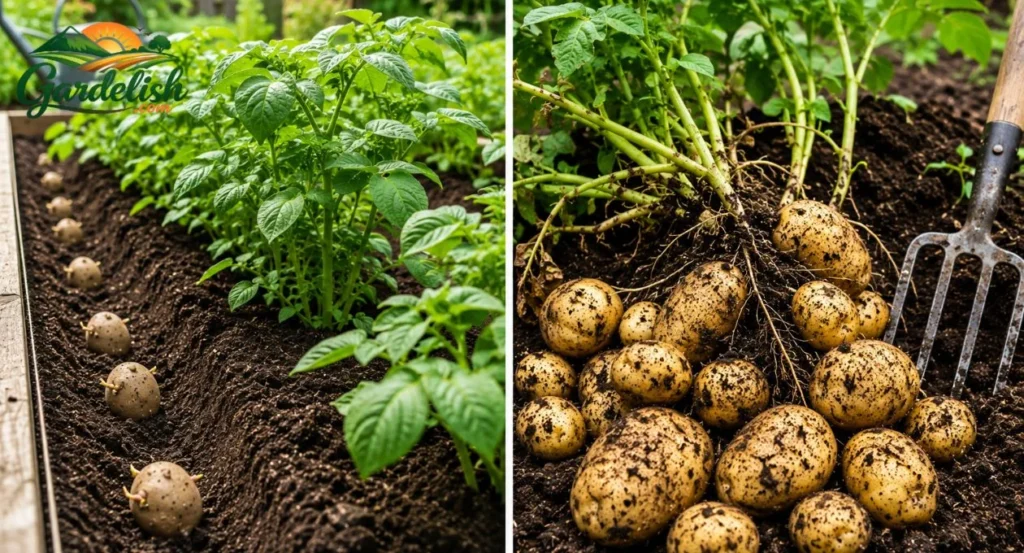
If you want to learn how to grow potatoes, the good news is that potatoes are one of the most rewarding vegetables for beginner gardeners. They do not need a perfect garden, they grow well in raised beds, containers, grow bags, and open ground, and they give you a satisfying harvest from a small amount of space.
Potatoes, botanically known as Solanum tuberosum, grow best in loose, fertile, well-drained soil with full sun and steady moisture. Start with certified seed potatoes, plant them in cool spring weather, keep the soil slightly moist, hill the stems as they grow, and harvest when the plants naturally yellow and die back. That is the simple version. The details below will help you avoid the common mistakes that lead to small tubers, disease, or disappointing yields.
Best Time and Conditions for Growing Potatoes
Potatoes are a cool-season crop. They grow best when the weather is mild, not extremely hot. In many USDA hardiness zones, gardeners plant potatoes in early spring, about two to four weeks before the last expected frost, as long as the soil is workable and not waterlogged.
The ideal soil temperature for planting is cool but not frozen. If the ground is heavy, wet, and sticky, wait a little longer. Potatoes sitting in cold, soggy soil can rot before they sprout.
In warmer climates, potatoes may grow better as a late winter or early spring crop. In very hot regions, some gardeners also plant a fall crop once summer heat begins to fade. The key is to avoid the hottest part of the season because high heat can reduce tuber formation and stress the plants.
Potatoes need at least six hours of direct sunlight daily. Full sun helps the plants produce strong foliage, which feeds the developing tubers underground.
Choosing Seed Potatoes Instead of Grocery Potatoes
For best results, use certified seed potatoes from a garden center or reputable supplier. These are small potatoes grown specifically for planting and inspected to reduce the risk of disease.
Grocery store potatoes may sprout, but they are not the best choice. Some are treated to delay sprouting, and they may carry diseases that can stay in your garden soil for years. If you are growing potatoes in containers, the risk is lower, but certified seed potatoes are still the safer and more reliable option.
Popular potato varieties include:
- Yukon Gold for buttery yellow flesh
- Red Norland for early red potatoes
- Kennebec for reliable all-purpose use
- Russet types for baking
- Fingerling potatoes for small, flavorful harvests
Early-season potatoes mature faster and are good for small gardens. Maincrop potatoes take longer but usually produce larger harvests for storage.
Preparing Soil for Strong Potato Growth
Potatoes form underground tubers, so soil texture matters. The best soil for potatoes is loose, crumbly, fertile, and well-draining. Heavy clay soil can restrict tuber growth and cause misshapen potatoes. Sandy loam or improved garden soil is ideal.
Before planting, loosen the soil deeply and mix in finished compost or aged organic matter. Compost improves soil structure, supports beneficial microbes, and helps retain moisture without making the bed soggy.
Avoid fresh manure because it can encourage scab, a common potato skin disease. If you want to use manure, apply it months before planting so it has time to break down properly.
Potatoes prefer slightly acidic soil, usually around pH 5.0 to 6.5. If your garden often has potato scab problems, avoid adding lime before planting potatoes. A basic soil test can help you understand pH, nutrient levels, and whether your bed needs improvement.
For internal linking, this section naturally connects to related articles on soil improvement, composting for beginners, raised bed gardening, and organic fertilizers.
How to Grow Potatoes Step by Step
Start by preparing your seed potatoes. Small seed potatoes can be planted whole. Larger ones can be cut into pieces, as long as each piece has at least one or two healthy “eyes,” which are the small buds where sprouts grow.
After cutting, let the pieces sit for a day or two in a dry, shaded place. This allows the cut surface to callus, reducing the chance of rot in the soil.
Plant seed potatoes about 3 to 5 inches deep, with the eyes facing upward. Space them around 10 to 12 inches apart in rows. Leave about 2 to 3 feet between rows so you have room to hill soil around the plants later.
Cover the seed potatoes with soil and water gently. Shoots usually appear within a couple of weeks, depending on soil temperature and variety.
What Is Hilling Potatoes?
Hilling means pulling soil, compost, straw, or mulch up around the base of the growing potato plants. This protects developing tubers from sunlight and gives the plant more covered stem area where tubers can form.
When the plants reach about 6 to 8 inches tall, mound soil around the stems, leaving the top leaves exposed. Repeat this once or twice as the plants grow.
Hilling is important because potatoes exposed to sunlight can turn green. Green potatoes may contain higher levels of solanine, a natural compound that can make them unsafe to eat in large amounts. Always discard green sections.
Watering, Mulching, and Fertilizing Potatoes
Potatoes need consistent moisture, especially when tubers are forming. Uneven watering can lead to cracks, hollow centers, or smaller harvests. Aim for soil that stays evenly moist but never waterlogged.
A deep watering once or twice a week is usually better than light daily sprinkling. In hot or windy weather, containers and grow bags dry out faster, so check them more often.
Mulching with straw, shredded leaves, or clean organic material helps conserve moisture, reduce weeds, and keep soil temperatures more stable. Mulch is especially useful in raised beds and dry climates.
For fertilizer, potatoes appreciate balanced nutrition but do not need excessive nitrogen. Too much nitrogen can produce lush leafy growth with fewer tubers. A vegetable fertilizer with moderate nitrogen and good potassium support is often suitable. Organic options include compost, well-balanced granular organic fertilizer, bone meal, kelp meal, or wood ash used carefully depending on soil needs.
Should You Prune Potato Plants?
Potatoes do not need regular pruning like tomatoes or fruit bushes. Healthy leaves are important because they create energy for the tubers. Remove only damaged, diseased, or badly pest-infested foliage. Let the plant grow naturally until it begins to yellow near maturity.
Growing Potatoes in Containers and Grow Bags
Container gardening is one of the easiest ways to grow potatoes if you have limited space. Large pots, buckets with drainage holes, fabric grow bags, and raised planters can all work.
Choose a container at least 10 to 15 gallons for a small crop. Bigger containers usually produce better results because potatoes need room for root and tuber development.
Add several inches of loose potting mix, place the seed potatoes on top, then cover them with more mix. As the shoots grow, keep adding soil or compost around the stems, just like hilling in the garden.
Containers dry out faster than ground soil, so watering is the main thing to watch. Use a quality potting mix, not heavy garden soil, because containers need excellent drainage and aeration.
Container potatoes are also easier to harvest. Instead of digging, you can tip the container out onto a tarp and collect the tubers by hand.
Common Potato Problems and Organic Solutions
Potatoes are not difficult, but they do have a few common issues. The best prevention is healthy soil, crop rotation, clean seed potatoes, and steady watering.
Potato Blight
Early blight and late blight can cause dark spots, yellowing leaves, and plant collapse. Good airflow, avoiding overhead watering, and removing infected foliage can help reduce disease pressure. Do not compost diseased potato leaves if blight is suspected.
Rotate potatoes and other nightshade crops, such as tomatoes, peppers, and eggplants, so they are not grown in the same soil year after year.
Potato Beetles and Aphids
Colorado potato beetles can chew leaves quickly. Hand-picking adults, removing orange egg clusters from leaf undersides, and encouraging beneficial insects can help in organic gardens.
Aphids may appear on tender growth. A strong spray of water, insecticidal soap, or natural predators such as lady beetles can reduce infestations.
Small or Poor Potato Harvests
Small harvests usually come from poor sunlight, compacted soil, inconsistent watering, planting too late in hot weather, or not hilling enough. Potatoes need time, leaf growth, and loose soil to size up properly.
For internal linking, this section fits well with articles on organic pest control, companion planting, crop rotation, and seasonal vegetable gardening.
Companion Plants for Potatoes
Good companion planting can support garden health, though it should not be treated as magic. Potatoes often grow well near beans, peas, cabbage family crops, lettuce, spinach, and herbs such as thyme or chamomile.
Avoid planting potatoes right beside tomatoes, peppers, or eggplants because they are all in the nightshade family and can share similar pests and diseases. Keeping these crops separated also supports better crop rotation.
Marigolds and alyssum can attract beneficial insects, while beans may help improve the garden ecosystem by supporting soil biology. In small gardens, focus more on spacing, sunlight, airflow, and soil health than trying to create a perfect companion planting chart.
When and How to Harvest Potatoes
You can harvest “new potatoes” once the plants begin flowering. These young potatoes have thin skins and a tender texture. Gently feel around the soil with your hand and take a few without pulling the whole plant.
For mature potatoes, wait until the foliage turns yellow, dries, and dies back naturally. Stop watering about a week before harvesting if the soil is not extremely dry. This helps the skins firm up.
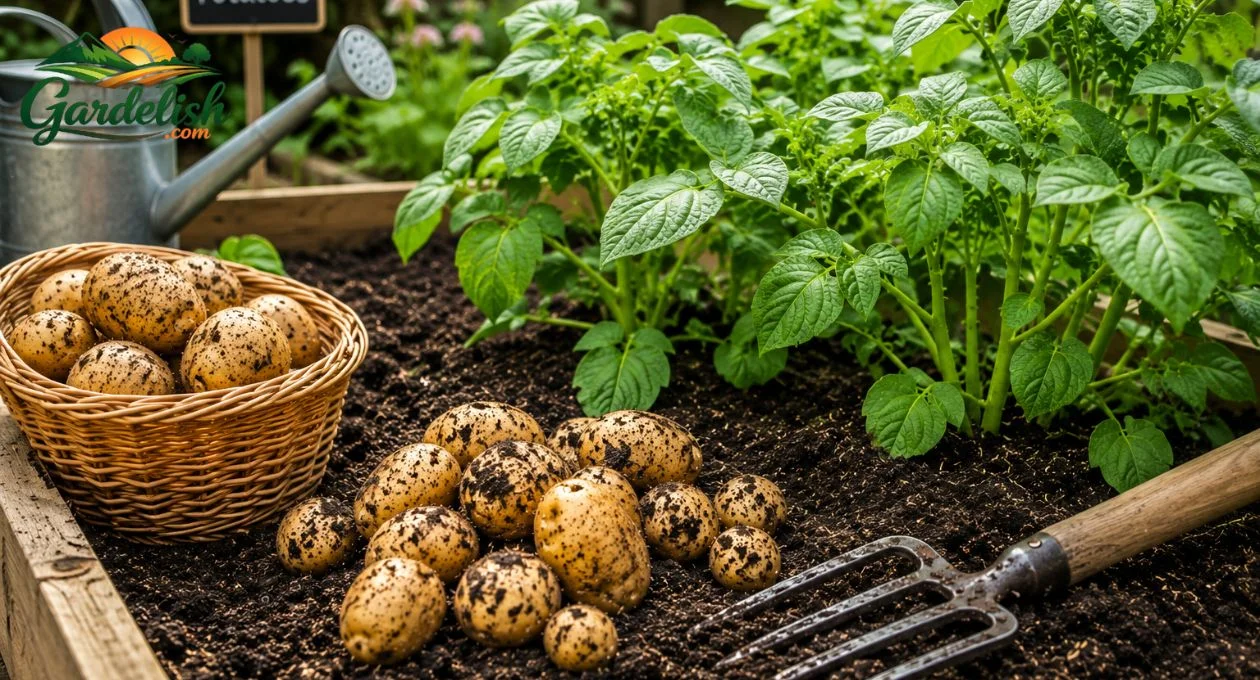
Dig carefully with a garden fork, starting away from the plant to avoid piercing the tubers. Let the potatoes dry in a shaded, airy place for a few hours. Do not leave them in direct sun, as sunlight can turn them green.
For storage potatoes, cure them for about one to two weeks in a cool, dark, well-ventilated area. After curing, store them somewhere dark, cool, and dry. Do not store potatoes with apples or other ethylene-producing fruit, as this can encourage sprouting.
Final Tips for Better Potato Harvests
The best way to learn how to grow potatoes is to start small and observe how the plants respond in your own soil and climate. Potatoes are forgiving, but they reward careful basics: certified seed potatoes, loose soil, full sun, even moisture, and regular hilling.
If you are a beginner, try one early variety in a grow bag and one row in a raised bed. You will quickly see which method works better for your space. Keep notes on planting dates, weather, variety, and harvest size. That simple habit will improve your results every season.
Potatoes may grow underground, but they are not mysterious. Give them cool weather, healthy soil, and steady care, and they will give you one of the most satisfying harvests in the vegetable garden.
SEO Meta Title:
Meta Description:
.
Frequently Asked Questions About Growing Potatoes
How long does it take to grow potatoes?
Most potato varieties take around 70 to 120 days to mature. Early potatoes are usually ready sooner, while maincrop potatoes need more time before harvesting.
Can I grow potatoes from store-bought potatoes?
Yes, you can grow potatoes from store-bought potatoes, but it is not recommended. They may be treated to stop sprouting or may carry diseases. For healthier plants, use certified seed potatoes.
How deep should I plant potatoes?
Plant seed potatoes about 3 to 5 inches deep in loose, well-draining soil. As the plants grow, add more soil around the stems through a process called hilling.
Do potatoes need full sun?
Yes, potatoes grow best in full sun. They need at least 6 hours of direct sunlight daily to develop strong foliage and healthy tubers.
Can potatoes be grown in containers?
Yes, potatoes grow very well in containers, grow bags, and large pots. Use a deep container with good drainage and keep adding soil as the plant grows.
Conclusion
Learning how to grow potatoes is simple when you focus on the basics: start with healthy seed potatoes, plant them in loose and fertile soil, give them enough sunlight, water consistently, and hill the plants as they grow. Potatoes are a beginner-friendly crop that can grow successfully in garden beds, raised beds, containers, and grow bags.
With the right care, you can enjoy fresh, homegrown potatoes from even a small garden space. Whether you want early new potatoes or a larger storage harvest, potatoes are one of the most rewarding vegetables to grow at home.
How to Propagate Snake Plant: Easy Methods for Healthy New Plants