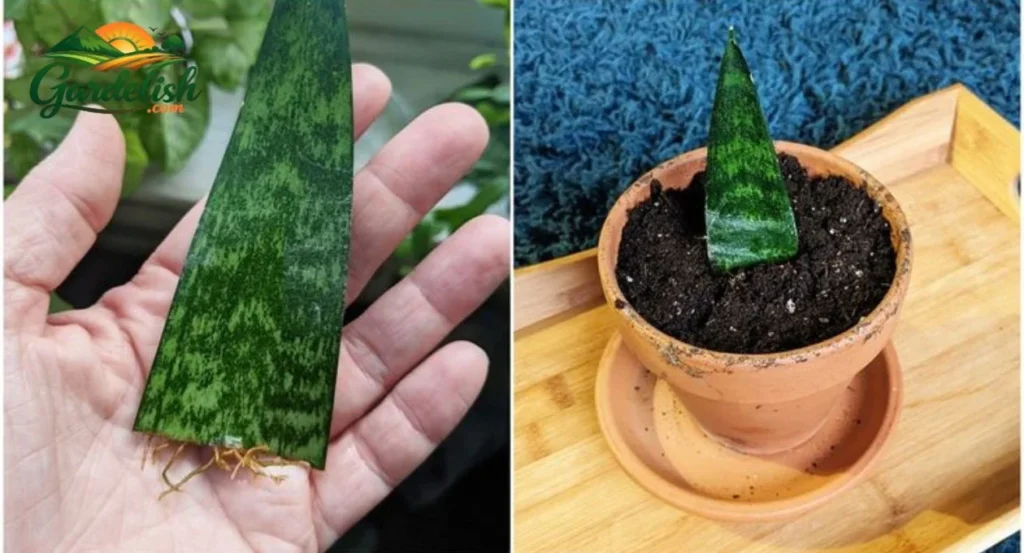
To propagate snake plant successfully, you can use division, leaf cuttings in soil, or leaf cuttings in water. Division is the fastest and most reliable method, especially for mature plants with crowded rhizomes. Leaf cuttings are slower but useful when you want several new plants from one healthy leaf.
Snake plant, botanically known as Dracaena trifasciata and formerly classified as Sansevieria trifasciata, is one of the easiest houseplants to multiply. Its thick, upright leaves store moisture, its underground rhizomes naturally produce offsets, and it tolerates the dry indoor conditions that many tropical plants dislike.
The only real secret is patience. Snake plant propagation is simple, but it is not always quick. Some cuttings root within weeks, while others take longer depending on warmth, light, soil mix, and the health of the parent plant.
Quick Answer: What Is the Best Way to Propagate Snake Plant?
The best way to propagate snake plant is by division. This method gives you a new plant with roots already attached, so it establishes much faster than a leaf cutting. It is also the safest method for variegated snake plants, because division keeps the same leaf color and markings as the parent plant.
Leaf cuttings are still worth trying, especially with plain green varieties. You can root them in water or directly in soil, but variegated cultivars may produce green-only pups when grown from leaf cuttings.
When Is the Best Time to Propagate Snake Plant?
The best time to propagate snake plant is spring through early summer, when the plant is naturally entering active growth. Warm temperatures help roots form more quickly, and the plant recovers better after being cut, divided, or repotted.
You can propagate indoors at other times of year, but winter propagation is usually slower. Snake plants often pause growth during cooler months, especially if they are kept in low light or watered less frequently. For the strongest results, choose a warm room with bright, indirect light.
Outdoor growers in USDA hardiness zones 10–12 may grow snake plants outside year-round, but they should still avoid dividing or cutting during cold snaps, heavy rain periods, or extreme heat stress.
What You Need Before You Start
You do not need specialist equipment to propagate snake plant, but clean tools and the right potting mix make a big difference.
Use a sharp, clean knife or pruning shears, small pots with drainage holes, and a free-draining soil mix. A cactus or succulent mix works well, especially if amended with perlite, pumice, or coarse sand. Snake plants dislike soggy soil, so avoid heavy garden soil or dense indoor potting compost that stays wet for too long.
A little cinnamon powder or a basic organic fungicide can be useful for cut surfaces, though it is not always necessary. More important is allowing fresh cuttings to callus before planting. This dry healing period helps reduce the chance of rot.
This is also a good place to internally link to related guides on indoor plant care, choosing the best potting mix, composting, soil improvement, or organic fertilizers for houseplants.
How to Propagate Snake Plant by Division
Division is the most beginner-friendly method because you are separating an already-formed part of the plant. Mature snake plants grow from thick underground rhizomes. Over time, these rhizomes push up new shoots, also called pups or offsets.
Start by removing the plant from its pot. Loosen the soil gently around the roots and look for natural sections where leaves and roots are connected. Each division should have at least a few healthy leaves and some roots attached.
Use your hands to separate loose sections. If the rhizomes are tightly connected, cut them with a clean knife. Let any cut surfaces dry for a few hours before repotting. Then place each division into a small container filled with well-draining soil.
Water lightly after planting, just enough to settle the soil around the roots. Do not soak the pot. Keep the new division in bright, indirect light and allow the soil to dry before watering again.
This method is ideal for crowded plants, root-bound containers, and variegated varieties such as ‘Laurentii’ or ‘Bantel’s Sensation’.
How to Propagate Snake Plant from Leaf Cuttings in Soil
Soil propagation is a simple method if you want to grow several small snake plants from one leaf. Choose a healthy, mature leaf with no soft spots, pest damage, or yellowing.
Cut the leaf near the base, then divide it into sections around 3–4 inches long. Keep track of which end was the bottom. Snake plant cuttings are directional, meaning the bottom end must go into the soil. If planted upside down, the cutting is unlikely to root properly.
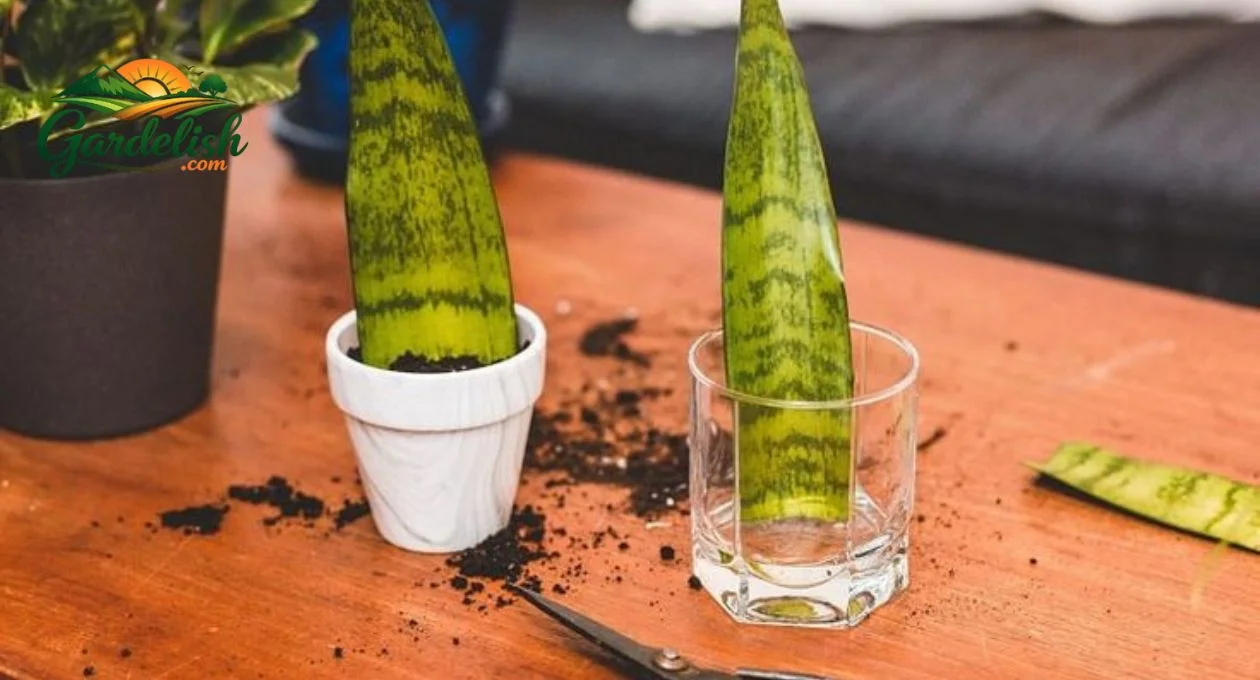
Let the cut pieces dry for one or two days until the ends feel slightly sealed. Then insert the bottom end into a small pot of dry or barely moist succulent mix. Firm the soil lightly so the cutting stands upright.
Place the pot in bright, indirect light. Water sparingly. The soil should not remain wet because the cutting has no roots yet and can rot if overwatered. New roots form first, and small pups appear later. This can take time, so do not pull the cutting out repeatedly to check progress.
Soil propagation is less decorative than water propagation, but it often transitions more smoothly because the roots form directly in the growing medium.
How to Propagate Snake Plant in Water
Water propagation is popular because you can watch the roots develop. It is also useful for beginners who like visual confirmation that the cutting is alive.
Cut a healthy snake plant leaf into sections or use one whole leaf. Let the cut end dry for a day, then place the bottom end in a jar with clean water. Only the lower portion should sit below the waterline. Keep the jar in bright, indirect light, away from harsh direct sun.
Change the water every few days or whenever it looks cloudy. Once roots are several inches long and small shoots begin to appear, move the cutting into a pot with well-draining soil.
The transition from water to soil should be gentle. Water-grown roots are more delicate than soil-grown roots, so keep the potting mix lightly moist at first, then gradually return to the normal snake plant watering routine.
Water propagation is attractive and easy to monitor, but it is not the fastest method. It also carries some risk of rot if the water is not changed regularly.
Aftercare for Newly Propagated Snake Plants
New snake plants need stable conditions more than extra attention. Place them in bright, indirect light, such as near an east-facing window or a few feet from a bright south- or west-facing window. They can tolerate low light, but rooting and new growth are slower.
Water carefully. Snake plants store water in their thick leaves and rhizomes, so they prefer drying out between waterings. For fresh divisions, water lightly after potting and then wait until the soil is mostly dry. For leaf cuttings, be even more cautious because excess moisture can cause the base to soften.
Do not fertilize immediately. Wait until the plant shows signs of new growth, then use a diluted balanced houseplant fertilizer during spring or summer. Too much fertilizer can stress young roots.
Mulching is usually unnecessary for indoor containers, but outdoor snake plants in warm climates may benefit from a very light mineral mulch, such as gravel, to reduce soil splash and improve drainage around the crown.
Common Snake Plant Propagation Problems
The most common problem is rot. If a cutting turns mushy, smells unpleasant, or collapses at the base, it has likely stayed too wet. Discard the damaged section and try again with a fresh cutting, cleaner tools, and drier soil.
Another common issue is slow rooting. This usually happens in cool rooms, low light, or during winter. Snake plants are naturally slow growers, so a cutting that looks firm and green is often still viable even if it has not produced visible pups yet.
Variegation loss can also surprise beginners. If you propagate variegated snake plants from leaf cuttings, the new pups may grow plain green. To preserve the original pattern, use division instead of leaf cuttings.
Watch for pests such as mealybugs, spider mites, and scale insects, especially on indoor plants with poor airflow. Wipe leaves regularly and isolate any affected plant before pests spread to nearby houseplants.
Indoor vs Outdoor Propagation
Most gardeners propagate snake plant indoors because it is commonly grown as a houseplant. Indoor propagation gives better control over temperature, light, and moisture. It also protects cuttings from heavy rain, cold soil, and sudden weather changes.
Outdoor propagation is possible in warm, frost-free climates. In USDA zones 10–12, snake plants can grow in containers, shaded patios, or protected garden beds with excellent drainage. Avoid full, harsh afternoon sun, which can scorch the leaves, especially after division.
In cooler climates, outdoor-grown snake plants should be treated as container plants and brought inside before frost. Cold, wet soil is one of the quickest ways to damage roots and rhizomes.
Conclusion
Learning how to propagate snake plant is an easy way to expand your indoor plant collection without buying new plants. For the quickest and most reliable results, propagate snake plant by division, especially if you want to preserve variegated leaves. Leaf cuttings in soil or water also work well, but they require more patience and careful watering.
With clean tools, a well-draining potting mix, bright indirect light, and a light hand with water, snake plant propagation is a simple project even for beginners.
FAQs
1. Can you propagate snake plant from a single leaf?
Yes, you can propagate snake plant from a single healthy leaf. Cut it into sections and place the bottom end in soil or water. Roots will develop over time, followed by small plantlets.
2. What is the fastest way to propagate snake plant?
The fastest method is division. When you separate a mature plant with roots already attached, it establishes quickly and starts growing almost immediately.
3. Can snake plant cuttings grow in water permanently?
Snake plant cuttings can survive in water for a long time, but they do better when eventually transferred to soil. Soil provides better long-term nutrients and stability.
4. Why is my snake plant cutting not rooting?
Common reasons include low temperature, overwatering, poor light, or an unhealthy cutting. Keep it warm, bright, and avoid soaking the soil or water.
5. Do variegated snake plants stay variegated from cuttings?
Not always. Leaf cuttings may produce plain green plants. To preserve variegation, division is the most reliable propagation method.
Turnip Shortage 2026: Is There Really a Shortage?