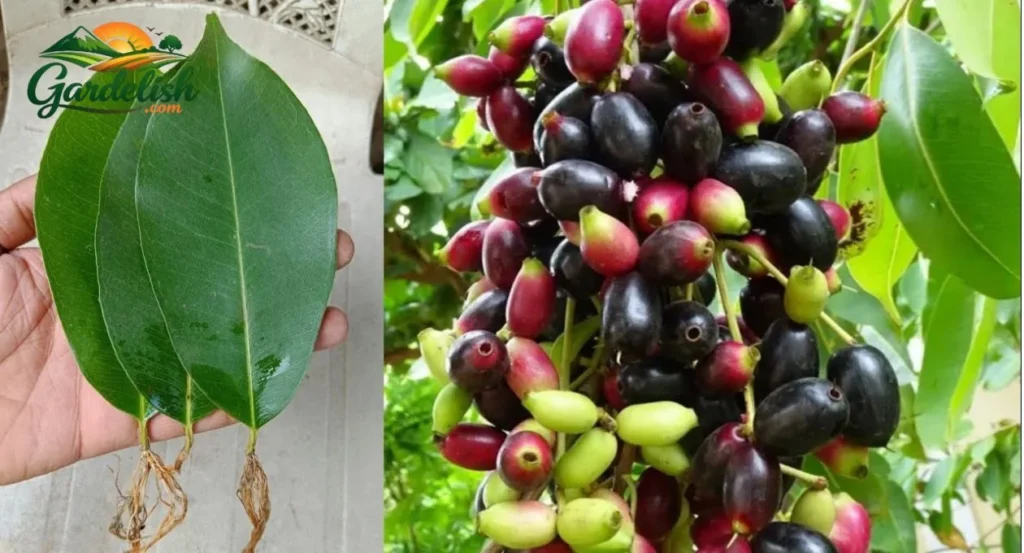
Java plum, commonly known as jamun, is one of those fruits people wait for all year. Its deep purple color, tangy-sweet taste, and cooling summer appeal make it a seasonal favorite in many parts of South Asia. But in recent years, many buyers, vendors, and small food businesses have noticed a common problem: the Java plum shortage.
The Java plum shortage is not usually caused by one single issue. It is the result of short harvesting seasons, unpredictable weather, poor storage, limited commercial farming, and rising demand. Since the fruit is delicate and spoils quickly, even small disruptions can reduce supply in local markets.
Understanding why the Java plum shortage happens can help consumers, farmers, sellers, and food businesses make better decisions during the season.
What Is Java Plum?
Java plum is a tropical fruit that grows on the Syzygium cumini tree. It is known by different names, including jamun, jambolan, black plum, and Indian blackberry.
The fruit is valued for its:
- Unique sweet and sour flavor
- Deep purple skin and juicy pulp
- Traditional use in drinks, chutneys, vinegar, and herbal products
- Seasonal freshness
- High demand during hot weather
Because Java plum is available for only a short period, demand often rises quickly when the fruit enters the market. This creates pressure on supply and contributes to the Java plum shortage.
Why Is There a Java Plum Shortage?
1. Java Plum Has a Very Short Season
One of the biggest reasons for the Java plum shortage is its limited harvest window. Unlike fruits that are available for many months, Java plum usually appears for only a few weeks during the summer season.
Once the harvest period ends, fresh Java plum almost disappears from markets. This short season creates a sudden rush among buyers, especially in cities where demand is high.
For consumers, this means prices can rise quickly. For sellers, it means they must move stock fast before the fruit spoils.
2. The Fruit Spoils Quickly
Java plum is highly perishable. It can soften, bruise, ferment, or lose freshness within a short time if it is not handled properly.
Common post-harvest problems include:
- Bruising during picking and transport
- Overripe fruit reaching the market
- Poor packaging
- Lack of cold storage
- Delays between farms and retailers
This means a large part of the harvest may never reach buyers in good condition. Even when farmers produce enough fruit, losses after harvesting can make the Java plum shortage feel worse in the market.
3. Weather Problems Affect Flowering and Fruit Setting
Java plum trees are affected by seasonal weather patterns. Extreme heat, unexpected rain, strong winds, or poor flowering conditions can reduce the number of fruits produced.
Bad weather can cause:
- Flower drop
- Poor pollination
- Smaller fruit size
- Early fruit fall
- Lower overall yield
Since Java plum depends heavily on natural seasonal cycles, unstable weather can reduce supply and increase market uncertainty.
4. Limited Commercial Farming
In many areas, Java plum is not grown in large, organized orchards like mango, banana, or citrus. Instead, trees may be scattered in villages, farms, roadsides, gardens, or older properties.
This creates supply problems because scattered production is harder to manage. Farmers may not have enough labor, harvesting tools, storage facilities, or direct market access.
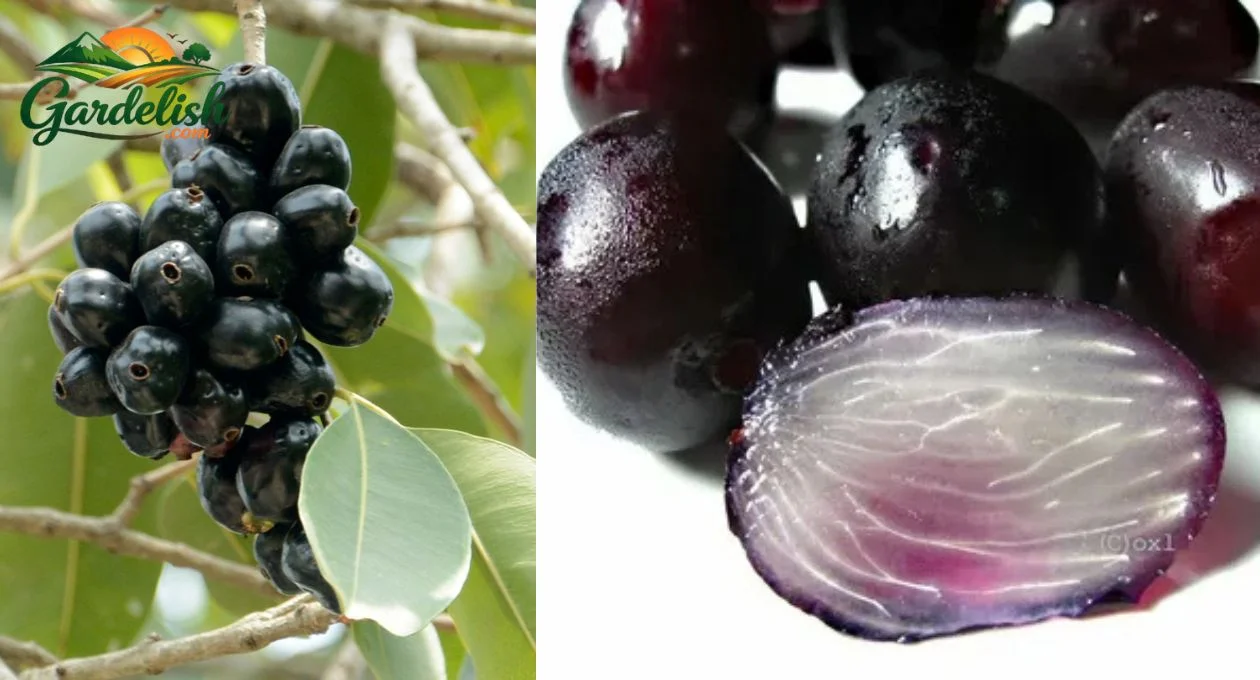
When commercial farming is limited, the market depends on irregular local supply. That makes the Java plum shortage more likely during years of poor yield.
5. Rising Demand for Fresh and Processed Products
Java plum is no longer just a roadside seasonal fruit. Demand has increased from:
- Health-conscious consumers
- Juice and smoothie brands
- Herbal product makers
- Restaurants and cafes
- Sellers of jams, vinegar, powders, and syrups
As more businesses use Java plum in processed products, fresh fruit supply becomes more competitive. When demand grows faster than production, prices rise and shortages become more visible.
How the Java Plum Shortage Affects Consumers
The Java plum shortage affects consumers in several ways. The most obvious impact is price. When supply is low and demand is high, vendors charge more for fresh fruit.
Consumers may also notice:
- Smaller quantities available in markets
- Lower fruit quality
- More overripe or damaged fruit
- Shorter buying windows
- Increased prices for Java plum juice, powder, and vinegar
For families that buy Java plum every season, the shortage can make the fruit feel like a luxury instead of an affordable summer treat.
How the Shortage Affects Farmers and Vendors
The Java plum shortage does not always mean farmers earn more. In fact, many farmers and vendors face losses because the fruit spoils so quickly.
Farmers may struggle with:
- Weather-related crop loss
- Labor shortages during harvesting
- Lack of cold storage
- Poor transport systems
- Low prices when fruit must be sold quickly
Vendors also face risk. If they buy too much stock and fail to sell it the same day, the fruit can lose value fast. This makes Java plum a high-risk seasonal product.
Practical Tips for Consumers
If you want to buy Java plum during a shortage, timing and storage matter.
Buy Early in the Season
Visit markets as soon as Java plum appears. Early-season supply is often fresher, and prices may be more reasonable before demand peaks.
Choose Fresh Fruit Carefully
Look for Java plums that are:
- Firm but not hard
- Deep purple or blackish in color
- Free from cracks and mold
- Not leaking juice
- Not overly soft
Avoid fruit with a fermented smell, excessive bruising, or sticky liquid at the bottom of the basket.
Store It Properly
To keep Java plum fresh for longer:
- Do not wash it before storing
- Keep it in a breathable container
- Refrigerate it if possible
- Wash only before eating
- Use within one to two days for best taste
Try Processed Options
When fresh fruit is unavailable, consider Java plum powder, vinegar, juice concentrate, jam, or frozen pulp. These options can help you enjoy the flavor outside the short season.
Practical Tips for Farmers and Sellers
The Java plum shortage can be reduced with better handling and planning.
Improve Harvesting Practices
Farmers should harvest fruit carefully to reduce bruising. Using baskets, soft liners, and gentle sorting can help preserve quality.
Use Better Packaging
Open crates, padded containers, and shallow baskets can reduce pressure damage. Deep sacks or rough handling can crush the fruit and reduce market value.
Build Local Cold Storage Links
Even basic cooling can extend freshness. Farmers and vendors can work with local cold storage providers, wholesalers, or cooperatives to reduce spoilage.
Create Value-Added Products
Instead of selling all fruit fresh, farmers can process part of the harvest into:
- Java plum pulp
- Squash or syrup
- Vinegar
- Jam
- Dried powder
- Frozen fruit
This reduces waste and creates income beyond the fresh fruit season.
Can the Java Plum Shortage Be Solved?
The Java plum shortage can be reduced, but it may not disappear completely. Since the fruit is seasonal and delicate, some level of limited availability is natural.
However, supply can improve through:
- Better orchard planning
- Improved fruit varieties
- Cold-chain systems
- Farmer training
- Efficient transport
- Better market coordination
- More investment in processing
If growers, sellers, and buyers work together, Java plum can become more available, affordable, and profitable.
Future Outlook for Java Plum
The future of Java plum depends on better farming and post-harvest systems. Demand is likely to remain strong because consumers enjoy the fruit and processed Java plum products are becoming more popular.
The biggest opportunity is reducing waste. If more fruit reaches markets in good condition, the Java plum shortage will feel less severe. Farmers can earn better prices, vendors can reduce losses, and consumers can enjoy better-quality fruit.
With better storage, packaging, and planned cultivation, Java plum can move from being an unpredictable seasonal fruit to a stronger market crop.
FAQs About Java Plum Shortage
Why is there a Java plum shortage?
The Java plum shortage happens because the fruit has a short season, spoils quickly, and is often affected by weather, poor storage, and limited organized farming.
Is Java plum available all year?
No. Fresh Java plum is usually available only during a short seasonal window. Outside the season, buyers may find processed products such as juice, powder, vinegar, or frozen pulp.
Why is Java plum so expensive during the season?
Prices rise when demand is high and supply is limited. Transport losses, spoilage, and poor weather can also increase market prices.
How can I keep Java plum fresh for longer?
Store it in the refrigerator, avoid washing before storage, keep it in a breathable container, and use it as soon as possible.
Can farmers reduce Java plum losses?
Yes. Careful harvesting, better packaging, cold storage, quick transport, and value-added processing can help reduce losses and improve income.
Conclusion
The Java plum shortage is caused by a mix of natural, farming, and market-related challenges. The fruit has a short season, spoils quickly, and is often grown without large-scale commercial planning. Weather changes and rising demand make the problem even more noticeable.
For consumers, the best approach is to buy early, choose fresh fruit carefully, and store it properly. For farmers and sellers, better handling, packaging, cold storage, and processing can reduce waste and improve supply.
Java plum will likely remain a seasonal fruit, but smarter farming and better supply chains can make it more available, more affordable, and more profitable for everyone involved.
Devils Apple: Identification, Uses, Risks, and Safe Handling Tips