Introduction
Walk into a grocery store today and you might notice something subtle but important—some vegetables are not as stable in price or availability as they used to be. One of the most talked-about issues in the global food system is the pea shortage.
The pea shortage is not just a small agricultural issue anymore. It reflects deeper problems in farming, climate conditions, supply chains, and rising global demand for plant-based foods. Peas are widely used in households, restaurants, and food manufacturing, making any disruption in supply noticeable across markets.
In this article, we’ll break down what the pea shortage is, why it is happening, its real-world impact, and what solutions can help stabilize supply in the future.
What Is a Pea Shortage?
A pea shortage occurs when the demand for peas is higher than the available supply in the market. This can affect:
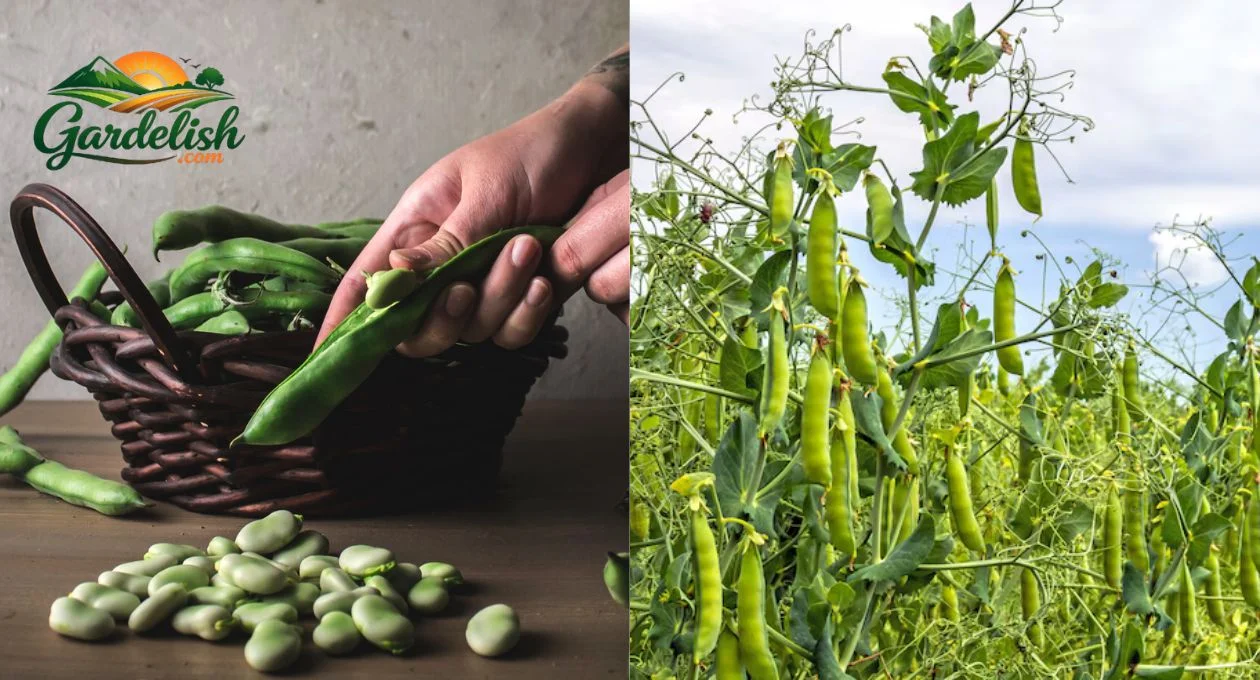
- Fresh green peas
- Frozen peas
- Canned peas
- Dried peas used in food processing and animal feed
When a pea shortage happens, it usually leads to:
- Higher prices in supermarkets
- Reduced availability of pea-based products
- Pressure on food manufacturers and suppliers
Because peas are a staple ingredient in many diets and food industries, even small disruptions can create noticeable effects.
Main Causes of the Pea Shortage
1. Climate Change and Unpredictable Weather
One of the biggest reasons behind the pea shortage is climate instability. Pea crops are highly sensitive to weather conditions.
Common issues include:
- Heatwaves during growth stages
- Frost during flowering periods
- Irregular rainfall patterns
- Long drought seasons
Even small changes in temperature or rainfall can significantly reduce yield.
2. Reduced Agricultural Land
Farmland is shrinking in many parts of the world due to:
- Urban expansion
- Industrial development
- Shift toward more profitable cash crops
Farmers often choose crops that bring higher income, which reduces overall pea production.
3. Pest and Disease Problems
Pea crops are vulnerable to several agricultural threats, such as:
- Aphids
- Fungal infections
- Root rot
- Powdery mildew
These pests and diseases can destroy large portions of harvests, contributing to supply shortages.
4. Supply Chain Disruptions
Even when peas are successfully grown, getting them to markets is another challenge.
Key issues include:
- Transport delays
- High fuel costs
- Cold storage limitations
- Labor shortages
These problems increase costs and reduce supply efficiency.
5. Rising Global Demand
Demand for peas has increased significantly due to:
- Plant-based protein products
- Vegan and vegetarian diets
- Processed foods and ready meals
Peas are now a key ingredient in protein powders and meat alternatives, increasing pressure on supply.
Economic Impact of the Pea Shortage
Rising Prices for Consumers
One of the most visible effects of the pea shortage is price inflation. Consumers may notice:
- More expensive frozen vegetables
- Higher prices in packaged meals
- Reduced discounts or bulk options
Pressure on Food Manufacturers
Food companies rely heavily on peas for:
- Soups
- Frozen meals
- Snacks
- Plant-based protein products
When supply drops, companies often:
- Increase prices
- Change recipes
- Reduce production volumes
Impact on Farmers
Farmers experience mixed effects:
- Higher prices during low supply periods
- But higher risk due to crop failure
- Unstable income depending on weather conditions
Small farmers are often the most affected.
Environmental and Agricultural Impact
Soil Health Concerns
Peas are beneficial for soil because they help fix nitrogen naturally. Reduced pea farming may lead to:
- Increased fertilizer use
- Higher farming costs
- Long-term soil quality issues
Increased Farming Pressure
To meet demand, farmers may expand cultivation into less suitable land, which can lead to:
- Soil degradation
- Water scarcity
- Lower long-term productivity
How to Reduce the Pea Shortage
1. Modern Farming Techniques
Improving farming methods can significantly increase yield:
- Drip irrigation systems
- Precision agriculture tools
- Smart soil monitoring
2. Climate-Resistant Crops
Agricultural research is focusing on developing:
- Heat-resistant pea varieties
- Disease-resistant seeds
- Faster-growing crops
3. Better Storage and Supply Systems
Improving infrastructure helps reduce waste:
- Cold storage facilities
- Efficient transportation networks
- Reduced post-harvest losses
4. Crop Diversification
Farmers can reduce risk by growing multiple crops instead of relying on one. This improves:
- Income stability
- Soil health
- Market balance
5. Strengthening Local Production
Countries can reduce dependency on imports by encouraging local farming, which helps stabilize prices and supply.
Future Outlook: Will the Pea Shortage Continue?
The future of the pea shortage depends on how quickly agriculture adapts to modern challenges.
In the short term:
- Price fluctuations may continue
- Weather-related shortages may occur
In the long term:
- Technology can improve yield
- Climate-resistant farming can stabilize supply
- Demand for plant-based foods will keep pressure on production
Overall, peas will remain an important global crop, but supply stability will depend on innovation and sustainable farming.
FAQs
1. What causes the pea shortage?
The main causes include climate change, rising demand, pests, and supply chain issues.
2. Why are pea prices increasing?
Prices rise when demand is higher than supply, especially in food processing industries.
3. Is the pea shortage permanent?
No, it is usually temporary, but long-term risks exist if climate and production issues continue.
4. Which regions are most affected?
Import-dependent countries and regions with unstable agricultural output are most affected.
5. How can the pea shortage be solved?
Through better farming techniques, improved storage, and development of resilient crop varieties.
Conclusion
The pea shortage is a clear sign of how global food systems are affected by climate change, rising demand, and supply chain challenges. While the issue is complex, it is not permanent.
With modern farming techniques, improved infrastructure, and smarter agricultural planning, the world can stabilize pea production and reduce future shortages.
Peas may seem small, but they play a big role in global nutrition—and ensuring their steady supply is essential for both food security and economic stability.
Ground Cherries: How to Grow, Harvest, and Enjoy Them