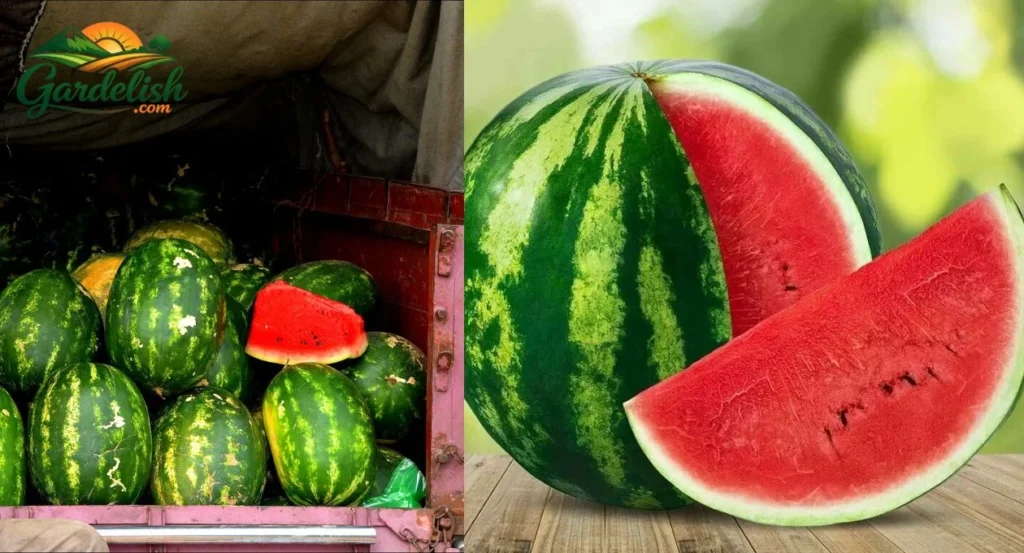
Watermelon is one of the most refreshing fruits, especially during summer. It is sweet, juicy, affordable, and loved by families, restaurants, fruit sellers, and grocery stores. But when a watermelon shortage happens, shoppers quickly notice the change. Prices rise, good-quality fruit becomes harder to find, and retailers may struggle to keep enough stock.
A watermelon shortage does not always mean there are no watermelons at all. In most cases, it means supply is lower than demand in a certain area, season, or market. This can happen because of bad weather, higher farming costs, transportation delays, labor problems, or changes in planting decisions.
In this guide, we will explain what causes a watermelon shortage, how it affects prices, what consumers can do, and how farmers and retailers can prepare for future supply problems.
What Is a Watermelon Shortage?
A watermelon shortage happens when the available supply of watermelons is not enough to meet consumer demand. This shortage can be local, regional, national, or even global.
For example, one city may face limited watermelon supply because nearby farms had a poor harvest. In another case, a country may experience higher prices because imports are delayed or transportation costs increase.
A shortage can be:
- Seasonal: caused by normal growing and harvest cycles
- Weather-related: caused by drought, floods, storms, or extreme heat
- Economic: caused by rising costs of seeds, fertilizer, fuel, and labor
- Logistical: caused by transport delays, storage issues, or supply chain problems
Understanding the reason behind a watermelon shortage helps consumers, farmers, and businesses respond better.
Main Causes of Watermelon Shortage
Extreme Weather and Climate Problems
Watermelon is a warm-season crop, but it still needs the right balance of heat, water, and soil conditions. Too much heat can stress the plants. Too little water can reduce fruit size and quality. Too much rain can cause disease, cracking, and poor field conditions.
Common weather problems include:
- Drought and water restrictions
- Heatwaves during flowering or fruit development
- Heavy rain and flooding
- Unexpected cold snaps
- Storm damage before harvest
When weather reduces the crop yield, fewer watermelons reach the market. This can quickly create a watermelon shortage, especially during peak demand periods.
Rising Farming Costs
Farmers face higher costs every year. Seeds, fertilizer, irrigation, fuel, packaging, land rent, and labor all affect the final price of watermelons.
If production becomes too expensive, some growers may plant fewer acres. Others may switch to crops that are easier to manage or more profitable. When fewer farmers grow watermelons, the total supply can drop.
This is one reason a watermelon shortage may not only be a weather issue. It can also be an economic issue.
Labor Shortages During Harvest
Watermelons are heavy, delicate, and labor-intensive. They must be harvested carefully to avoid damage. If farms cannot find enough workers at the right time, ripe watermelons may stay in the field too long.
Labor shortages can lead to:
- Delayed harvesting
- Lower-quality fruit
- Higher labor costs
- Reduced market supply
Even when the crop grows well, a lack of workers can still cause a shortage in stores.
Transportation and Supply Chain Delays
Watermelons must move quickly from farms to markets because freshness matters. Any delay in trucking, fuel supply, cold storage, or distribution can affect availability.
Transportation challenges may include:
- High fuel prices
- Truck driver shortages
- Border delays for imports
- Limited refrigerated storage
- Long-distance shipping problems
A watermelon shortage can happen not because farms failed, but because the fruit could not reach consumers on time.
How Watermelon Shortage Affects Prices
When supply drops and demand stays strong, prices usually rise. This is basic supply and demand.
During a watermelon shortage, consumers may notice:
- Higher prices per pound or per fruit
- Smaller watermelons at the same price
- Fewer seedless watermelon options
- Lower-quality fruit in some stores
- Less availability during weekends and holidays
Retailers may also raise prices because wholesale costs increase. Restaurants, juice shops, and fruit vendors may either increase menu prices or reduce watermelon-based items.
Impact on Consumers
A watermelon shortage affects everyday shoppers in simple but noticeable ways. Families may buy less watermelon than usual. Some consumers may switch to other fruits such as cantaloupe, honeydew, pineapple, or oranges.
To save money during a shortage, consumers can:
- Compare prices at local markets and grocery stores
- Buy watermelon when it is in peak season
- Choose whole watermelons instead of pre-cut packs
- Check smaller local vendors, not only big stores
- Store cut watermelon properly to reduce waste
- Consider alternative fruits when prices are too high
A smart buying strategy can help reduce the impact of high prices.
Impact on Farmers and Retailers
For Farmers
Farmers may earn more per watermelon during a shortage, but that does not always mean higher profit. If the shortage is caused by crop loss, farmers may have fewer fruits to sell. Higher input costs can also reduce profit margins.
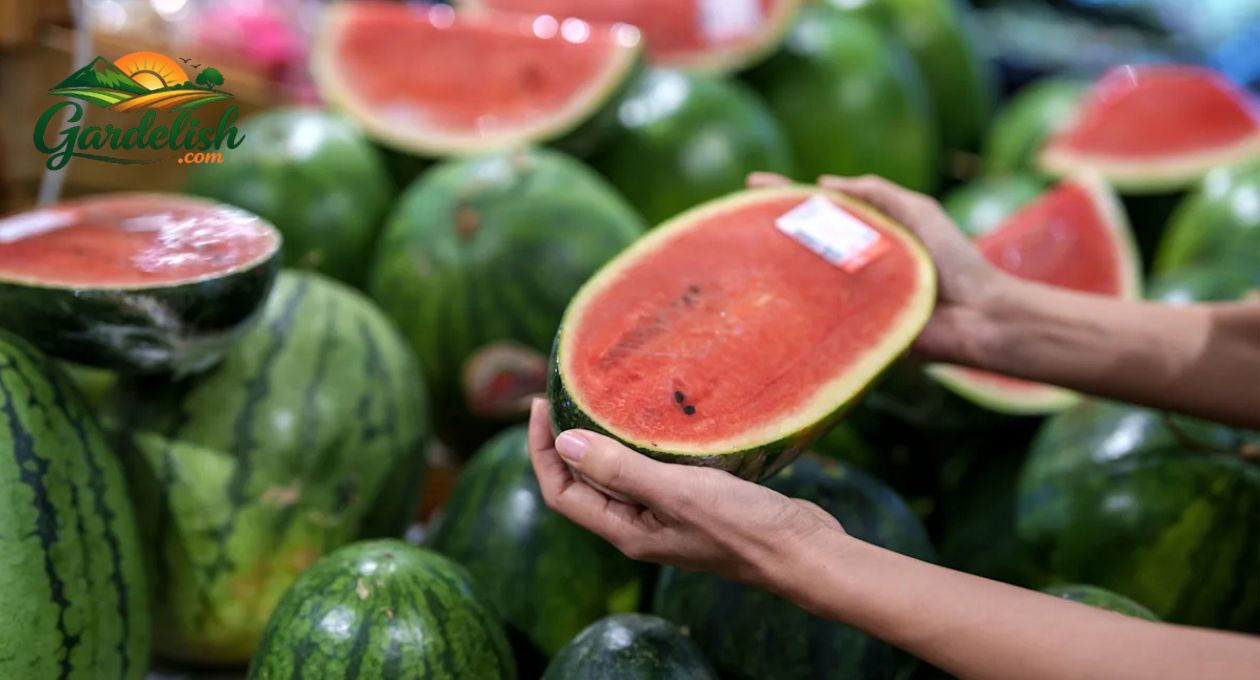
Farmers can reduce shortage risks by:
- Using efficient irrigation systems
- Choosing disease-resistant and heat-tolerant varieties
- Monitoring soil moisture regularly
- Improving drainage in flood-prone fields
- Planning planting dates carefully
- Working with multiple buyers and distributors
For Retailers
Retailers must manage customer expectations during a watermelon shortage. If supply is limited, stores may need to adjust pricing, limit promotions, or offer alternative fruits.
Retailers can prepare by:
- Working with multiple suppliers
- Buying from different growing regions
- Tracking seasonal supply trends
- Reducing waste through better storage
- Communicating honestly with customers
Good planning helps retailers avoid empty shelves and sudden price shocks.
Is Watermelon Shortage a Global Problem?
A watermelon shortage can be local or global. Most shortages are regional and temporary. For example, one growing area may face drought, while another region has a normal harvest.
However, global supply can be affected when several major growing regions face problems at the same time. Climate change, fuel prices, trade delays, and rising farm costs can make shortages more common or more expensive.
The good news is that watermelon is grown in many countries. This helps reduce the risk of a complete global shortage. But local price spikes and supply gaps can still happen.
How to Choose Good Watermelon During a Shortage
When supply is limited, quality can vary. Use these simple tips to pick a better watermelon:
- Look for a creamy yellow field spot
- Choose a watermelon that feels heavy for its size
- Avoid fruits with soft spots or deep cuts
- Tap it and listen for a deep, hollow sound
- Check for a firm, symmetrical shape
- Avoid overly shiny skin, which may mean it is underripe
Buying carefully helps you get better value, especially when prices are high.
Can Watermelon Shortages Be Prevented?
Watermelon shortages cannot always be prevented because weather is unpredictable. However, the impact can be reduced with better farming practices, stronger supply chains, and smarter planning.
Helpful solutions include:
- Improved irrigation and water-saving systems
- Climate-resilient seed varieties
- Better crop disease monitoring
- More local and regional sourcing
- Improved transportation networks
- Better storage and handling after harvest
Consumers can also help by buying seasonally and reducing food waste.
Future Outlook for Watermelon Supply
The future of watermelon supply depends on weather, farming costs, technology, and market demand. Short-term shortages may continue in some regions, especially during extreme weather events or peak summer demand.
However, farmers are also becoming more prepared. Many are using better irrigation, improved seeds, soil monitoring tools, and more efficient growing methods. These steps can help reduce the risk of future watermelon shortage problems.
For consumers, the best approach is to stay flexible. Prices may rise during certain periods, but availability often improves when the main harvest season arrives or when imports increase.
FAQs About Watermelon Shortage
1. What causes a watermelon shortage?
A watermelon shortage is usually caused by extreme weather, drought, flooding, rising farming costs, labor shortages, transportation delays, or reduced planting by farmers.
2. Why do watermelon prices go up during a shortage?
Prices rise because fewer watermelons are available while demand remains high. When supply is limited, wholesalers and retailers often charge more.
3. Is a watermelon shortage seasonal?
Yes, many watermelon shortages are seasonal. Watermelon supply changes throughout the year depending on harvest timing, weather, and import availability.
4. What can consumers do during a watermelon shortage?
Consumers can compare prices, buy in season, choose whole watermelons instead of pre-cut fruit, reduce waste, and consider alternative fruits when prices are too high.
5. Will watermelon shortages continue in the future?
Some shortages may continue, especially in areas affected by extreme weather or high farming costs. However, better farming methods and stronger supply chains can help reduce future risks.
Conclusion
A watermelon shortage can happen for many reasons, including weather problems, rising farming costs, labor issues, and transportation delays. While most shortages are temporary, they can still affect prices, availability, farmers, retailers, and consumers.
The best way to handle a watermelon shortage is to understand the causes, buy wisely, reduce waste, and support better farming and supply chain practices. With improved irrigation, stronger planning, and climate-smart agriculture, the impact of future shortages can be reduced.
Pea Shortage: Causes, Impact, and What It Means for the Future