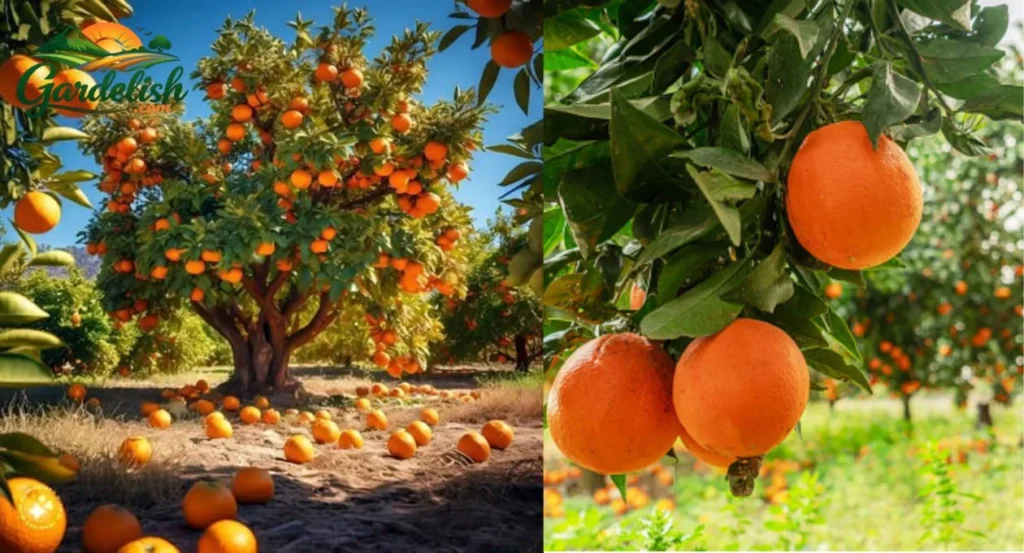
An orange tree dropping fruit is usually responding to stress, crop overload, or normal fruit thinning. If the fruit is tiny—pea-sized to marble-sized—some drop is expected after bloom because the tree keeps only what its leaves and roots can support. If larger, older oranges are falling, look first at inconsistent watering, sudden heat, frost, poor nutrition, heavy pruning, wind, or pest and disease pressure. Citrus can be dramatic, but a steady care routine usually stops the worst of the drop before the next crop cycle.
Quick Answer: Most orange fruit drop is normal when fruit is small, but stress causes larger fruit to fall
Orange trees naturally shed many small fruits soon after flowering, especially when the tree has set more fruit than it can mature. This early drop often looks alarming, but it is the tree balancing fruit load with available foliage, water, and carbohydrates. Excessive drop of larger oranges is more concerning and is commonly linked to drought stress, heat, freezing weather, inadequate nutrition, improper pruning, wind, or pests and diseases. Start by checking soil moisture, recent weather, and the age and size of the fruit on the ground.
Most fruit drop happens because the tree is self-thinning or stressed
The first question I ask gardeners is simple: how big is the fruit when it falls? That answer usually tells more than the leaves do.
Small citrus fruit drop is often normal. Orange trees bloom heavily, then quietly sort out what they can afford to keep. A healthy tree may carry thousands of blossoms but mature only a fraction of them. The shed fruit usually gathers under the canopy, often still green and firm.
Larger fruit drop is different. When oranges are golf-ball size or bigger and start falling in numbers, the tree is usually reacting to something: one dry spell, one heat wave, one hard pruning job, or roots that have been too wet for too long. I’ve seen otherwise beautiful backyard orange trees dump fruit after a single missed irrigation during hot weather. The canopy still looks fine, but the crop tells the truth first.
| What You See | Most Likely Meaning | What To Check First |
| Tiny fruitlets falling after bloom | Normal self-thinning | Tree age, bloom size, recent heat |
| Marble-sized fruit dropping heavily | Stress during fruit set | Watering consistency, heat, wind |
| Larger green oranges falling | Cultural or weather stress | Drought, pruning, fertilizer, frost |
| Fruit drops with rot or soft spots | Disease issue | Brown rot, Botrytis, wet soil |
| Small, lopsided, bitter fruit dropping | Possible citrus greening/HLB in affected regions | Blotchy leaves, psyllids, local extension advice |
Citrus normally drops small fruit shortly after bloom and may continue while fruit is still small; UC IPM notes that small fruit drop is generally unavoidable, while older fruit drop is more often tied to cultural, environmental, or pest problems.
Water stress is the first thing to fix when oranges are dropping
In real gardens, watering is the most common trigger. Not always “too little” water—often it is inconsistent water. Citrus roots dislike extremes. A tree that dries hard, then gets soaked, then dries again may respond by shedding fruit.
For in-ground orange trees, water deeply rather than sprinkling lightly. Citrus has a relatively shallow root zone, but established trees still need moisture spread through the feeder-root area, not just at the trunk. UC IPM recommends about 4 to 6 inches of water per month in summer for citrus, divided according to soil type and climate; in hot summer regions, irrigation may be needed roughly every 7 to 10 days.
How to correct watering-related fruit drop
- Check the soil 4 to 6 inches deep. Do not judge by the surface. Dry mulch can hide moist soil, and damp topsoil can hide dry roots.
- Water the whole root zone. Soak under the canopy and slightly beyond the drip line, not right against the trunk.
- Keep the pattern steady. Avoid letting the tree wilt, then flooding it.
- Mulch correctly. Use 2 to 4 inches of organic mulch, but keep it several inches away from the trunk.
- Improve drainage if soil stays wet. Persistent soggy soil can weaken roots and invite root and crown rot problems.
What usually fails is daily shallow watering. It keeps the surface damp, encourages weak surface roots, and still leaves the deeper feeder-root area thirsty during heat.
Heat, frost, and wind can make an orange tree drop fruit suddenly
Weather-related fruit drop often appears a few days after the stress, not always on the same day. That delay confuses gardeners.
A sudden hot spell during fruit set can cause small oranges to yellow and drop. Hot, dry wind is especially rough because the leaves lose moisture faster than the roots can replace it. Frost or freezing weather can also make citrus drop fruit, especially older fruit that was close to maturity. UC IPM lists high temperatures, sudden temperature changes, wind, and freezing weather among causes of excessive drop in larger citrus fruit.
Orange trees are subtropical plants and perform best where freezing temperatures are uncommon; UF/IFAS notes that citrus culture depends strongly on climate, site selection, nutrition, irrigation, and cold protection. In practical terms, most sweet oranges are happiest in warm climates similar to USDA Zones 9–11, with local variety choice making a big difference.
What helps during weather stress
| Season / Weather | What To Do |
| Spring fruit set | Keep soil evenly moist; avoid heavy pruning |
| Early summer heat | Deep-water before heat waves; maintain mulch |
| Hot, dry wind | Use temporary wind protection for young trees |
| Fall temperature swings | Avoid late nitrogen pushes that force tender growth |
| Winter frost | Cover young or small trees before frost; water soil beforehand if dry |
For Southern Hemisphere gardeners, shift the seasonal timing by about six months.
Poor nutrition can cause fruit drop, but overfeeding can make it worse
Citrus trees are hungry, but they are not helped by panic fertilizing after fruit starts falling. I’ve watched gardeners throw a heavy dose of fertilizer at a stressed tree, only to see yellowing leaves and more fruit drop a week later. Roots under stress do not respond well to sudden salt-heavy feeding.
Established orange trees need regular nutrition, especially nitrogen, along with micronutrients such as zinc, manganese, iron, and magnesium when soils are deficient. UF/IFAS recommends citrus fertilization as part of regular maintenance and notes that fertilizer should be spread under the canopy and not mounded against the trunk. UC IPM also advises proper nutrition, especially adequate but not excessive nitrogen, to help reduce fruit drop.
A practical fertilizer approach
- Feed before the tree is desperate. Begin as growth starts in spring, according to your local extension schedule.
- Use a citrus fertilizer. It should include nitrogen and micronutrients, not just a generic bloom booster.
- Apply evenly under the canopy. Feeder roots are out where rain falls from the branch tips.
- Water after fertilizing. Dry fertilizer sitting in dry soil can burn roots.
- Stop late feeding in cold-winter areas. Tender late growth is more vulnerable to frost.
Pale leaves with green veins often point toward micronutrient issues, but do not guess forever. A soil test is cheaper than years of wrong fertilizer.
Heavy pruning can make oranges fall because the tree loses leaf power
Orange trees do not need the kind of annual hard pruning that peaches or grapes need. Their leaves are the engine that feeds the fruit. Remove too much canopy and the tree may no longer have enough leaf area to support the crop.
UC IPM specifically warns that excessive pruning reduces foliage, which reduces the amount of fruit the tree can support. UF/IFAS also notes that mature citrus usually does not need canopy pruning for production except after disease or freeze damage, and unnecessary pruning can reduce fruit production.
Good citrus pruning is restrained. Remove dead wood, crossing branches, rootstock suckers, and damaged growth. Avoid opening the canopy so much that large limbs suddenly bake in direct sun.
Pests and diseases can cause fruit drop when other symptoms appear too
If the tree is dropping fruit and the fallen oranges are rotten, scarred, sticky, misshapen, or bitter, look beyond watering.
Brown rot and Botrytis can cause fruit to fall, usually with visible decay by the time the fruit drops. Citrus greening, also called Huanglongbing or HLB, can also lead to premature fruit drop, but it usually comes with other symptoms first. UC IPM describes HLB symptoms as asymmetrical yellow mottling on leaves, small lopsided fruit, bitter juice, and fruit that drops easily; the disease is spread by Asian citrus psyllid and has no known cure.
Troubleshooting orange fruit drop by symptoms
| Symptoms | Possible Causes | Solutions | Prevention |
| Tiny fruit falls after bloom; tree looks healthy | Natural self-thinning | Do nothing drastic; keep care steady | Maintain water and nutrition before bloom |
| Larger green oranges fall after hot weather | Heat or drought stress | Deep-water, mulch, reduce competing weeds | Irrigate before heat waves |
| Fruit falls after heavy pruning | Canopy loss | Stop pruning; support regrowth | Prune lightly after harvest or around bloom timing |
| Fruit drops with soft brown areas | Fungal disease, wet conditions | Remove fallen fruit; improve airflow and drainage | Avoid wetting fruit and trunk; clean debris |
| Sticky leaves, sooty mold, insects on new growth | Aphids, scale, psyllids, whiteflies | Identify pest; use least-toxic labeled controls | Inspect spring and fall flush |
| Lopsided bitter fruit, blotchy yellow leaves | Possible HLB/greening in affected areas | Contact local extension or plant health authority | Buy local certified trees; do not move citrus cuttings |
Do not compost diseased fruit or suspect plant material. Bag it, especially in regions with citrus quarantines or known HLB pressure.
Fix fruit drop by stabilizing the tree before trying to force more fruit
Once an orange tree starts dropping fruit, the goal is not to “make it hold everything.” The goal is to remove the stress so the tree can keep what it is capable of maturing.
What to do this week
- Pick up fallen fruit. This reduces pests, disease spores, and rodents.
- Check soil moisture deeply. Adjust irrigation before adding fertilizer.
- Inspect new growth. Look for aphids, scale, psyllids, mites, distorted leaves, and sticky honeydew.
- Look at fallen fruit. Note size, rot, scars, yellowing, or misshapen growth.
- Pause heavy pruning. Only remove dead, diseased, or broken wood.
- Feed lightly only if the tree is actively growing. Use a labeled citrus fertilizer and follow the rate.
- Protect from the next stress event. Mulch before heat, cover before frost, and water before dry wind.
The experienced gardener’s rule is simple: steady care beats dramatic rescue.
Container orange trees drop fruit when light, humidity, or roots are unstable
Potted orange trees are more likely to drop fruit than in-ground trees because the root zone changes quickly. A container can dry out in one hot afternoon, then stay soggy for days after a heavy watering. Indoors, low winter humidity and weak light make things worse.
Gardeners usually notice flower drop first, then tiny fruitlets dropping one by one. A young dwarf orange in a pot may bloom beautifully but fail to carry fruit because it lacks enough leaf area, root space, or light.
For potted orange trees:
- Use a fast-draining citrus or cactus-style mix.
- Water when the top few inches are dry, but before the root ball becomes bone-dry.
- Make sure water drains freely from the pot.
- Give the tree as much direct sun as possible outdoors.
- Indoors, use strong supplemental light and keep it away from heating vents.
- Avoid letting a small young tree carry a heavy crop.
A two-year-old tree covered in flowers is not a failure when it drops fruit. It is often just too young to raise a crop and build roots at the same time.
Prevent future fruit drop with steady seasonal care
The best prevention starts months before the oranges fall.
| Time | Orange Tree Task |
| Late winter / early spring | Remove dead wood, check irrigation, begin regional fertilizer schedule |
| Bloom | Avoid harsh pruning and drought stress |
| Fruit set | Keep moisture steady; expect some natural fruit drop |
| Early summer | Mulch, deep-water, inspect pests on new flush |
| Midsummer heat | Water before extreme heat; avoid fertilizer burn |
| Fall | Reduce late feeding in frost-prone areas; monitor pests |
| Winter | Protect from frost; avoid soggy soil in containers |
Healthy citrus can still drop fruit. The aim is not zero fallen oranges. The aim is a strong canopy, steady soil moisture, balanced feeding, and a tree that carries a realistic crop to harvest.
FAQs: Orange fruit drop is usually solvable when you diagnose the timing
Why is my orange tree dropping tiny green fruit?
Tiny green fruit drop is usually natural self-thinning. Orange trees often set more fruit than they can mature, then shed the excess soon after bloom. Keep watering consistent and avoid sudden fertilizer or pruning changes. If the tree looks healthy and still has fruit remaining, this drop is usually not a serious problem.
Why is my orange tree dropping larger unripe oranges?
Larger unripe oranges usually fall because of stress. Common triggers include drought, irregular watering, heat waves, frost, strong wind, inadequate nutrition, heavy pruning, or pest and disease pressure. Check soil moisture first, then inspect the fruit and leaves. Rotten, misshapen, or bitter fruit points toward disease or pest issues rather than simple self-thinning.
Can overwatering make an orange tree drop fruit?
Yes. Overwatering can weaken citrus roots and make the tree less able to support fruit. Constantly wet soil also increases the risk of root and crown rot. If leaves yellow, soil smells sour, or the pot stays wet for many days, reduce watering and improve drainage before adding fertilizer.
Should I fertilize an orange tree that is dropping fruit?
Fertilize only if the tree is actively growing and soil moisture is stable. A stressed, dry, or waterlogged tree can react badly to heavy feeding. Use a citrus fertilizer at the labeled rate and water it in well. Long-term, regular feeding works better than emergency fertilizer after fruit has already started falling.
Does heat cause orange fruit drop?
Yes. Sudden hot weather, especially during bloom or early fruit set, can cause oranges to drop. Heat stress is worse when soil is dry or wind is strong. Deep-water before expected heat, keep mulch over the root zone, and avoid pruning during hot spells. Young and container trees are especially vulnerable.
Is citrus greening the reason my orange tree is dropping fruit?
Citrus greening is possible in affected regions, but fruit drop alone does not confirm it. Look for blotchy yellow leaves that are uneven on each side of the midrib, small lopsided fruit, bitter juice, twig dieback, and Asian citrus psyllids on new growth. Contact your local extension office if symptoms match.
How do I stop my orange tree from dropping fruit next year?
Start prevention before bloom. Water deeply and consistently, fertilize on a citrus schedule, mulch properly, avoid heavy pruning, protect from frost, and inspect new growth for pests. During fruit set, do not let the tree dry out. A healthy canopy with plenty of leaves is the best insurance against excessive fruit drop.
Conclusion: Save the crop by reducing stress, not forcing the tree
An orange tree dropping fruit is not always in trouble. Small fruit drop after bloom is a normal part of citrus growth, especially on young trees or trees carrying a heavy bloom. The warning sign is excessive drop of larger fruit, particularly after drought, heat, frost, pruning, poor feeding, soggy soil, or pest pressure. Start with the basics: steady deep watering, proper mulch, balanced citrus fertilizer, light pruning, and regular pest checks. The most productive orange trees are not pushed hard; they are kept stable. Give the tree consistent care through the season, and it will usually hold a better crop next time.
Lemon Tree Dropping Fruit? Here’s Why It Happens and How to Stop It