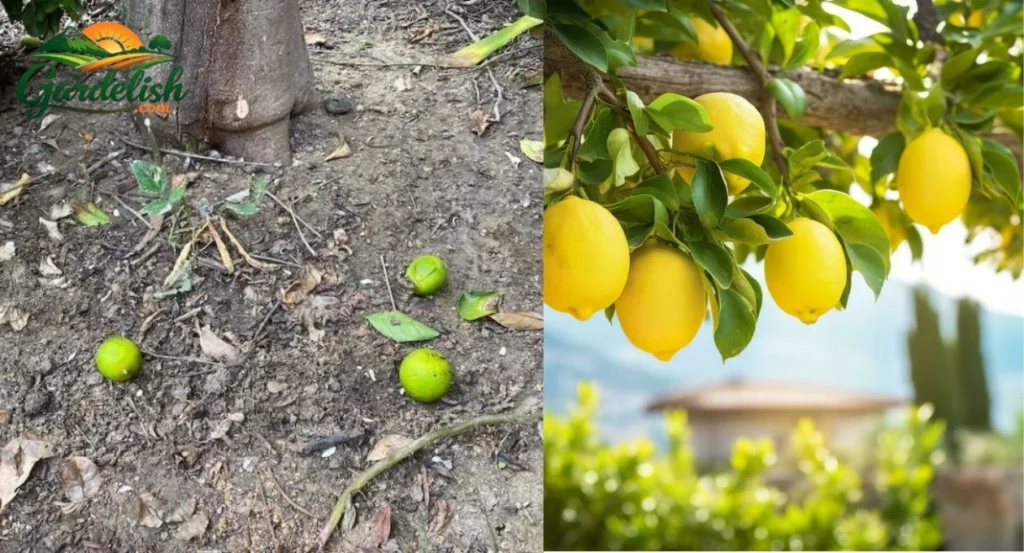
A lemon tree dropping fruit is usually not a disaster. Citrus trees naturally shed flowers and tiny lemons when they have set more fruit than their leaves and roots can support. The problem starts when larger lemons fall, fruit drop happens repeatedly, or the tree also shows yellow leaves, wilting, pests, or dry soil. In most home gardens, the fix is not complicated: steady watering, good drainage, enough sun, light citrus feeding, and protection from sudden heat, cold, or wind. The key is knowing whether your tree is thinning itself—or asking for help.
Quick Answer: Lemon trees drop fruit when they are overloaded, stressed, or poorly cared for
Lemon trees commonly drop some flowers and baby fruit after blooming; this is natural self-thinning. Excessive fruit drop is usually caused by inconsistent watering, drought stress, overwatering, sudden temperature changes, poor pollination, heavy pruning, nutrient imbalance, pests, or disease. Small fruit drop is often normal, but larger fruit falling before ripening usually points to stress. Start by checking soil moisture, drainage, recent weather, fertilizer use, and leaf health before making drastic changes.
Small baby lemons falling off is usually normal, especially after bloom
The first thing to check is fruit size. If the lemons are pea-sized, marble-sized, or smaller than about ½ inch across, the tree may simply be balancing its crop load. Citrus trees often set far more blossoms and tiny fruits than they can mature. I see this most often on young Meyer lemons and potted lemons that bloom heavily after being moved outdoors in spring.
UC IPM notes that citrus commonly drops many small fruits shortly after blossoms fall, and small-fruit drop may continue for about a month or until the fruit is around ½ inch or slightly larger. That is why a healthy-looking lemon tree can flower beautifully, form dozens of baby lemons, then drop most of them.
A mature tree with a dense canopy can support more fruit. A young tree, a recently repotted tree, or a tree with sparse leaves will shed more. That is not failure. It is the tree protecting itself.
| What you notice | Usually normal? | What to do |
| Flowers drop before forming fruit | Often | Improve pollination and avoid temperature stress |
| Tiny green lemons fall after bloom | Usually | Keep care steady; do not panic-feed |
| Most fruit drops on a young tree | Common | Let the tree grow stronger before carrying a heavy crop |
| Golf-ball-sized or larger lemons fall | Not usually | Check water, heat, roots, pruning, pests, and disease |
| Fruit drops with yellow leaves or wilt | Not normal | Diagnose stress immediately |
Excessive fruit drop usually means the tree is stressed
When a lemon tree drops fruit heavily, the tree is often reacting to a sudden change. Citrus likes consistency. It does not appreciate going bone-dry, sitting in soggy soil, being moved from shade to harsh sun overnight, getting blasted by wind, or being pruned hard right after flowering.
UC IPM lists drought stress, freezing weather, inadequate nutrition, heavy or improper pruning, wind, high temperatures, and sudden temperature changes as causes of excessive drop in older citrus fruit. In real gardens, the pattern is usually easy to spot: a heatwave arrives, the pot dries faster than usual, and three days later the baby lemons start hitting the patio.
The most common causes are:
| Cause | Clue on the tree | Best first fix |
| Underwatering | Dry pot, curled leaves, fruit shriveling | Deep soak, then water consistently |
| Overwatering | Wet soil, yellow leaves, sour smell, leaf drop | Let soil dry slightly; improve drainage |
| Heat stress | Fruit drop after hot, dry wind | Mulch, shade cloth during extreme heat, deeper watering |
| Cold shock or frost | Brown flowers, mushy buds, sudden drop | Protect during cold nights |
| Too much pruning | Sparse canopy, sunburned branches | Stop pruning; rebuild leaf cover |
| Weak feeding | Pale leaves, poor growth, repeated fruit drop | Use citrus fertilizer on schedule |
| Poor pollination indoors | Flowers fall, little fruit forms | Hand-pollinate with a dry brush |
| Pests or disease | Sticky leaves, distorted growth, rotting fruit | Identify and treat the cause |
Fix water stress first because lemons hate both drought and soggy roots
Watering is the first place I check when a gardener tells me their lemon tree is dropping fruit. Lemon trees are not delicate, but they are unforgiving about extremes. A thirsty lemon will drop fruit to survive. A waterlogged lemon cannot breathe through its roots and may also drop leaves, flowers, and fruit.
For in-ground trees, water deeply rather than sprinkling the surface. For potted lemons, water until it runs from the drainage holes, then wait until the top inch or two of potting mix feels dry before watering again. UF/IFAS recommends watering container citrus only when the top inch or two of soil is dry, then watering thoroughly.
How to correct watering in 5 steps
- Check the soil before watering. Push a finger 2 inches into the soil or use a moisture meter. Do not judge by the surface alone.
- Water deeply. Shallow watering encourages shallow roots and quick drought stress.
- Improve drainage. Pots must have open drainage holes. In-ground trees hate compacted, waterlogged clay.
- Mulch correctly. Add wood chips or bark over the root zone, but keep mulch a few inches away from the trunk.
- Adjust with weather. Hot, windy weeks require more water; cool cloudy weeks require less.
UF/IFAS warns that timer-based lawn sprinklers can overwater lemon trees and contribute to decline or root rot. This is a common backyard mistake: the lawn looks fine, but the citrus roots are staying wet for too long.
Feed steadily, but do not force fruit with heavy fertilizer
A lemon tree dropping fruit is not always hungry. Many gardeners reach for fertilizer too quickly, and that can make matters worse. Too much nitrogen can push lush leafy growth at the expense of fruiting, while too little nutrition can leave the tree unable to support a crop.
Lemons are fairly demanding feeders compared with some fruit trees. UF/IFAS recommends regular citrus fertilization and notes that over-fertilization can encourage luxuriant growth at the expense of fruit production. The sweet spot is steady, moderate feeding with a citrus fertilizer that includes micronutrients such as magnesium, iron, manganese, and zinc.
For potted lemons, nutrients wash out with frequent watering. I prefer a slow-release citrus fertilizer in spring, followed by light liquid feeding during active growth if the tree is producing heavily. Avoid random high-nitrogen lawn fertilizer near lemon trees.
| Season | Feeding approach |
| Spring | Begin citrus fertilizer as new growth starts |
| Summer | Continue light, regular feeding during active growth |
| Fall | Reduce feeding in cooler climates so soft growth does not meet frost |
| Winter | Feed little or not at all unless the tree is actively growing in warmth and strong light |
Yellow leaves with green veins may suggest iron deficiency, especially in alkaline soils. UF/IFAS notes that lemons may develop iron deficiency symptoms in high-pH soils and may need appropriate iron applications.
Protect blossoms and young lemons from sudden heat, cold, and wind
Weather swings are one of the most overlooked reasons for lemon tree fruit drop. A tree can look perfect one week and shed fruit the next after a hot, dry wind or a chilly night. Blossoms and newly set fruit are especially sensitive.
Cold injury often shows up as brown, mushy flowers or young fruit that blacken and fall. Heat stress looks different: leaves may curl, the soil dries fast, and fruitlets drop while still green. Container lemons suffer more because pots heat up and dry out much faster than garden soil.
To reduce weather-related fruit drop:
- Move potted lemons into morning sun and afternoon protection during extreme heat.
- Use frost cloth before cold nights, not after damage appears.
- Water deeply before a heatwave, but do not leave the tree sitting in water.
- Shield young trees from strong wind.
- Avoid repotting, pruning, or moving the tree during flowering unless necessary.
Lemons are subtropical citrus and are best grown outdoors where freezing temperatures are not routine; in cooler regions, containers make it easier to move plants under protection. UF/IFAS notes that container citrus can be moved for freeze protection.
Potted lemon trees drop fruit more often because their roots have less room
A potted lemon tree can absolutely produce fruit, but containers magnify every care mistake. The pot dries faster, nutrients leach faster, roots heat and cool faster, and the tree may be moved between indoor and outdoor conditions. That is why indoor Meyer lemons often bloom heavily, set fruit, then drop most of it.
Maryland Extension notes that potted citrus often sets more fruit than it can support and that a surprising amount of fruit drop can be normal. It also recommends hand-pollinating indoor citrus flowers with a small dry paintbrush.
For container lemons, check these four things:
| Container issue | Why fruit drops | Fix |
| Pot too small | Roots dry quickly and cannot support fruit | Repot one size up after flowering |
| Pot too large | Mix stays wet too long | Use a snug pot with fast drainage |
| Low light indoors | Tree lacks energy for fruit | Give strongest sun or use grow lights |
| No pollinators indoors | Flowers fail to set properly | Hand-pollinate fresh flowers |
Do not drag a lemon tree from a dim room into full afternoon sun in one day. Acclimate it gradually over 7–14 days. Sunburned leaves mean less photosynthesis, and fewer healthy leaves mean fewer lemons the tree can carry.
Use this troubleshooting chart to diagnose lemon fruit drop quickly
| Symptom | Possible causes | Solution | Prevention |
| Tiny lemons drop but leaves look healthy | Natural thinning, young tree, heavy bloom | Keep care steady; remove excess fruit on weak branches | Build canopy before expecting a large crop |
| Fruit drops after a dry spell | Drought stress | Deep water slowly; mulch root zone | Check soil twice weekly in hot weather |
| Fruit drops and leaves yellow | Overwatering, poor drainage, nutrient issue | Let soil dry slightly; inspect roots; feed appropriately | Use free-draining soil and avoid lawn sprinklers |
| Flowers fall indoors | Poor pollination, low light, dry indoor air | Hand-pollinate; move to brighter light | Put tree outdoors in warm weather when possible |
| Larger lemons drop before ripe | Water stress, heat, cold, pruning, pests, disease | Inspect fruit, leaves, soil, and recent weather | Keep care consistent during fruit development |
| Fruit rots then falls | Brown rot or other disease | Remove fallen fruit; avoid wetting canopy | Improve airflow and water soil, not foliage |
| Sticky leaves, ants, distorted growth | Aphids, scale, mealybugs, other sap pests | Wash leaves; use horticultural oil or insecticidal soap as labeled | Inspect undersides of leaves weekly |
Prevent lemon fruit drop with a simple seasonal routine
The best prevention is boring consistency. Lemon trees reward gardeners who keep the root zone evenly managed, feed modestly, and avoid dramatic changes during flowering and fruit set.
| Season | What to do |
| Spring | Resume feeding, check drainage, hand-pollinate indoor blooms, protect from late frost |
| Early summer | Watch for natural fruit drop, water deeply, mulch, inspect pests |
| Mid to late summer | Increase watering during heat, provide afternoon protection for potted trees |
| Fall | Reduce fertilizer in cool regions, harvest ripe fruit, prepare frost protection |
| Winter | Keep container lemons bright and cool, avoid overwatering, watch for spider mites and scale |
One of the best practical habits is cleaning up fallen lemons. Dropped fruit attracts pests and can harbor disease. I also like to thin obviously weak clusters on young potted trees. Leaving one or two fruits on a small branch is better than asking a thin, newly purchased tree to ripen fifteen lemons and then watching it shed all of them.
Avoid these common mistakes when your lemon tree is dropping fruit
Do not prune heavily after fruit set. Citrus needs leaves to make the carbohydrates that support fruit. UC IPM explains that excessive pruning reduces foliage and reduces the amount of fruit a tree can support. Remove dead, damaged, crossing, or rootstock suckers, but save major shaping for a better time.
Do not fertilize every time fruit falls. Diagnose first. A tree that is too wet, too dry, too cold, or too shaded will not hold fruit just because more fertilizer is added.
Do not let a very young tree carry a full crop. It is often better to sacrifice early fruit and build roots, branches, and foliage. A stronger tree will repay you later.
Do not ignore pests. Aphids, scale, mealybugs, mites, and citrus psyllids weaken trees and can contribute to fruiting problems. UF/IFAS recommends regular scouting for pests such as leaf miner, aphids, and citrus psyllid in home citrus.
FAQs About Lemon Tree Dropping Fruit
Why is my lemon tree dropping tiny green lemons?
Tiny green lemons often fall because the tree has set more fruit than it can support. This is common after flowering, especially on young, potted, or recently stressed trees. Keep watering consistent, avoid sudden moves or pruning, and do not overfertilize. If the leaves look healthy and the drop slows, the tree is probably self-thinning.
How do I stop my lemon tree from dropping fruit?
Start with water and drainage. Water deeply when the top soil begins to dry, but never let roots sit in soggy soil. Then check sunlight, recent heat or cold, fertilizer, pests, and pruning. Most lemon fruit drop improves when the tree has steady moisture, full sun, moderate citrus feeding, and protection from weather extremes.
Is it normal for Meyer lemon trees to drop fruit?
Yes, Meyer lemons commonly drop flowers and baby fruit, especially in containers. Indoor trees may also drop fruit because of low light, dry air, or poor pollination. Hand-pollinate flowers with a small dry paintbrush, give the tree the brightest light available, and keep watering even during bloom and fruit set.
Why are my lemons falling off before they ripen?
Larger lemons falling before ripening are less likely to be normal thinning. The usual causes are drought stress, overwatering, sudden heat, cold damage, wind, nutrient problems, heavy pruning, pests, or fruit disease. Inspect the fallen lemons. Shriveling suggests water stress; rotting suggests disease; clean green fruit often points to environmental shock.
Can overwatering make a lemon tree drop fruit?
Yes. Overwatering deprives roots of oxygen and can lead to root rot, yellow leaves, leaf drop, and fruit drop. Potted lemons are especially vulnerable if the container lacks drainage or the potting mix stays wet. Let the top inch or two of mix dry before watering again, then water thoroughly.
Should I remove fruit from a young lemon tree?
Usually, yes—at least some of it. A young lemon tree needs energy for roots, trunk strength, and leafy growth. If a small tree is covered with baby lemons, thin the crop so it keeps only a few fruits. This prevents exhaustion and helps the tree become productive sooner in the long run.
Does lack of fertilizer cause lemons to fall off?
It can, but it is not the only cause. Lemons need regular nutrition, especially in containers, but excessive fertilizer can also reduce fruiting quality. Use a citrus fertilizer with micronutrients during active growth, follow label rates, and avoid heavy nitrogen feeding when the tree is already stressed.
Final Expert Recommendation
A lemon tree dropping fruit is not always a warning sign. Small baby lemons often fall because the tree is naturally thinning its crop. The real concern is heavy, repeated drop or larger lemons falling before ripening. In that case, look first at water, drainage, heat, cold, light, pruning, nutrition, and pests. Most home lemon trees recover when care becomes steady and the gardener stops reacting with quick fixes. Give the tree full sun, deep but not excessive watering, moderate citrus fertilizer, protection from weather extremes, and time to build a leafy canopy. A calm, consistent routine is the best way to help a lemon tree hold fruit.
Why Are My Apples Splitting? Causes, Fixes, and How to Prevent Cracked Fruit