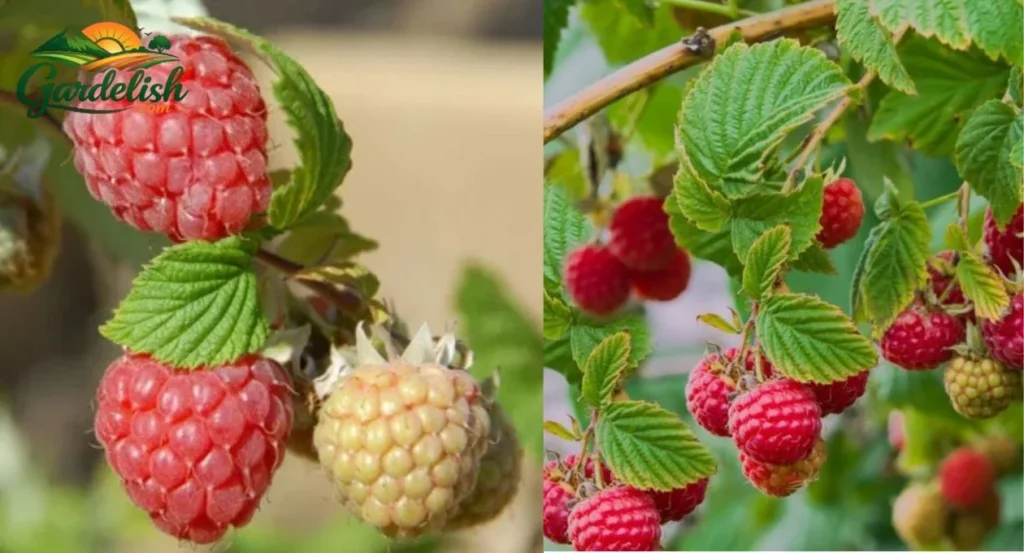
Raspberry canes turning brown are not always a disaster. In many gardens, the brown canes are simply old floricanes that have finished fruiting and are ready to be removed. The problem starts when new canes turn brown, leaves wilt suddenly, the cane base darkens, or purple-brown patches spread along the stems. That is when you need to check for cane blight, spur blight, anthracnose, root rot, drought stress, or pruning damage. The fastest way to solve it is to identify which canes are old, which are new, and whether the browning is normal woody growth or a symptom of decline.
Quick Answer
Raspberry canes usually turn brown for one of two reasons: normal aging after fruiting or stress from disease, poor drainage, drought, pests, or injury. Old floricanes naturally become woody, brown, and unproductive after harvest, then should be cut to the ground. New primocanes turning brown are more concerning, especially if you see sunken spots, purple patches, brittle bases, wilting leaves, or reddish-brown roots. Improve airflow, avoid overhead watering, prune correctly, and remove diseased canes during dry weather or dormancy.
Brown raspberry canes are often normal after fruiting
The first thing I check in a raspberry patch is whether the brown cane has already fruited. Raspberries grow on a two-cane rhythm: primocanes are first-year canes, while floricanes are second-year canes that fruit and are then removed. University of Minnesota Extension notes that floricanes produce fruit for one year, while new primocanes grow alongside them for the next crop.
A normal old floricane looks woody, dull brown, and tired by the end of harvest. Its leaves may yellow or dry, and the cane may look bare compared with the fresh green shoots nearby. That is not a disease by itself. It is just the cane finishing its job.
The common beginner mistake is cutting out every brown cane too early without checking whether it is a spent floricane or a cane needed for next year. On summer-bearing raspberries, remove only the canes that have fruited. Keep the strong new primocanes because they are next year’s crop.
New canes turning brown usually signal stress or disease
When a current-season green cane starts browning before it has matured naturally, slow down and inspect the whole plant. Look at the base, the leaves, the cane surface, and the soil.
| What you see | Most likely cause | What to do first |
| Old brown cane after harvest | Normal spent floricane | Cut to ground level after fruiting |
| Purple-brown patches near buds | Spur blight | Improve airflow and remove infected canes |
| Dark cankers around wounds | Cane blight | Avoid extra pruning wounds and remove badly affected canes |
| Small sunken pale pits with purple edges | Anthracnose | Thin the patch and remove diseased growth |
| Whole plant wilting in wet soil | Root rot or poor drainage | Reduce watering and improve drainage |
| Brown leaf edges, canes mostly sound | Drought, fertilizer burn, herbicide drift, nutrient issue, or disease | Review watering, feeding, nearby spraying, and soil conditions |
| Tips wilt and collapse | Cane borer or physical injury | Cut below damaged section and inspect the cane |
Cornell’s berry diagnostic guidance notes that browning along raspberry leaf edges can come from several causes, including herbicide injury, overfertilization, nutrient deficiency, drought, and disease, and that symptoms alone can be hard to separate. That is why I never diagnose raspberries from leaf color only. The cane tells the better story.
Cane disease is likely when brown patches, cankers, or wilting appear
The three big cane diseases to know are cane blight, spur blight, and anthracnose. All three are worse in damp, crowded raspberry patches because fungal spores spread readily in wet conditions and by splashing water. UMN Extension recommends narrow rows, open canopies, and removing floricanes and infected primocanes after harvest to reduce disease pressure.
Cane blight often starts where the cane was wounded by pruning, rubbing, trellis wire, harvest damage, or insects. You may notice reddish-brown streaks or dark cankers that spread up and down the cane. If the canker girdles the stem, the whole cane or side shoots can wilt and die. RHS describes raspberry cane blight as a serious fungal disease that causes extensive cane dieback, dark brown cane bases, splitting bark, brown tissue under the bark, and brittle canes that snap easily.
Spur blight usually shows up around leaf nodes, the points where leaves attach to the cane. Watch for chocolate-brown to purple patches on young canes in late summer. Later, those areas may turn silvery-gray with tiny black fruiting bodies. RHS notes that spur blight weakens canes and kills buds, so the following spring the cane may look oddly bare or unproductive.
Anthracnose is easier to spot if you look closely. It makes small sunken pits, often pale tan or gray in the middle with purplish edges. These marks tend to appear between the nodes rather than right at the leaf joints. UMN Extension notes that anthracnose can be especially severe on black raspberries and can weaken canes enough to increase winter injury.
Root problems are likely when the whole raspberry plant collapses
If several canes brown and wilt from the ground up, especially after wet weather, inspect drainage before blaming the leaves. Raspberries hate standing water. They need full sun, good air movement, and well-drained soil; standing water raises disease risk and can kill roots by reducing oxygen.
Phytophthora root rot is one of the more serious wet-soil problems. Symptoms can include dark, water-soaked lesions at the cane base, reddish-brown roots instead of healthy white roots, dry leaves, and collapsing canes because the infection damages the plant’s vascular tissue. UMN Extension also warns not to rely on organic fungicides for Phytophthora control, since they have not been found effective for this disease.
In practice, I suspect root trouble when the patch stays soggy after rain, the weakest canes are in the lowest part of the bed, and the plant wilts even though the soil is moist. Drought-stressed raspberries usually perk up after deep watering. Root-rotted raspberries often do not.
Fix brown raspberry canes by pruning only the right wood
Use clean, sharp bypass pruners and work on a dry day. Wet pruning spreads problems and slows healing.
- Identify old fruiting canes. These are the woody brown canes that already carried berries. Cut them at ground level.
- Keep healthy primocanes. Save strong green or healthy young canes for the next crop unless they show clear disease.
- Remove badly diseased canes. Cut infected, dead, brittle, or cankered canes at the base. Do not leave tall stubs.
- Disinfect tools when disease is present. Wisconsin Horticulture recommends sharp tools and disinfecting after each cut with 70% alcohol or 10% bleach, noting that alcohol is less corrosive.
- Dispose of diseased material. Do not compost infected raspberry canes. Bag them, bury them, burn them where allowed, or use municipal brush disposal.
- Thin for airflow. Keep rows narrow enough that light reaches the base and leaves dry quickly after rain.
One important caution: do not keep making fresh pruning wounds through the growing season if cane blight is active. Wisconsin Horticulture advises labeling symptomatic canes and pruning them during dormancy because wounds can give the cane blight fungus an easy entry point. If a cane is dead, broken, or spreading disease, remove it in dry weather, but avoid unnecessary tip pruning in damp conditions.
Prevent brown canes by keeping the row narrow, dry, and well fed
Most raspberry cane problems begin in a patch that is too crowded, too wet, too lush, or too neglected after harvest. The best prevention is not complicated, but it has to be consistent.
| Prevention habit | Why it works |
| Use drip irrigation | Keeps foliage and canes drier than overhead watering |
| Mulch lightly | Protects roots and steadies soil moisture |
| Avoid soggy beds | Reduces root rot and cane stress |
| Thin crowded growth | Improves sunlight and air movement |
| Remove spent floricanes | Reduces overwintering disease sources |
| Avoid excess nitrogen | Prevents soft, easily wounded growth |
| Trellis canes | Reduces rubbing, breakage, and cane wounds |
| Weed regularly | Improves airflow around the lower canes |
UMN Extension recommends drip irrigation when possible, watering early if sprinklers are unavoidable, and keeping raspberry rows about 18 inches wide so plants dry quickly after rain or dew. The Pacific Northwest Pest Management Handbook also recommends removing infected canes, pruning near the ground, reducing long periods of plant wetness, and switching to drip or trickle irrigation where possible.
Seasonal timing matters: check canes at the right moment
Raspberry canes look different through the year, so timing affects diagnosis.
| Season | What to check | Best task |
| Late winter | Dead, brittle, diseased, or weak canes | Dormant pruning and cleanup |
| Spring | Bud break, winter injury, bare sections | Remove winter-killed wood |
| Early summer | Wilting tips, cane wounds, water stress | Correct irrigation and check pests |
| Late summer | Purple patches, cankers, anthracnose pits | Mark suspicious primocanes |
| After harvest | Spent floricanes | Cut old fruiting canes to the ground |
| Fall | Airflow, mulch, weeds, drainage | Prepare patch for winter |
Late summer and early fall are especially useful because disease symptoms are easier to see on primocanes before they become fully brown and woody. UMN Extension notes that diseased dead canes in spring are often mistaken for winter injury, and that true winter injury usually dies back to snow level while disease may kill canes to the ground or to the infected portion.
Common mistakes that make brown canes worse
The first mistake is leaving old floricanes in the row. They clutter the patch, shade new canes, and can carry disease into the next season.
The second is watering from overhead every evening. Wet leaves and canes overnight create exactly the damp conditions that cane diseases enjoy.
The third is feeding raspberries like leafy vegetables. Too much nitrogen pushes soft growth that breaks, rubs, and wounds easily. Wisconsin Horticulture notes that overfertilized raspberry plants can produce succulent growth that is more prone to breakage and insect feeding.
The fourth is assuming every brown cane needs spraying. Most home raspberry problems improve more from pruning, sanitation, airflow, mulch, drainage, and correct watering than from reaching for a fungicide after symptoms are advanced.
FAQs About Raspberry Canes Turning Brown
Should I cut off brown raspberry canes?
Cut off brown raspberry canes if they are old floricanes that already produced fruit, dead canes, or clearly diseased canes. Do not remove healthy new primocanes just because they are beginning to look woody late in the season. On summer-bearing raspberries, old fruiting canes are usually removed after harvest. On fall-bearing types, pruning depends on whether you want one fall crop or two smaller crops.
Are brown raspberry canes dead?
Not always. A second-year floricane naturally becomes brown and woody, and it may still fruit before it dies. A dead cane is usually brittle, leafless, gray-brown inside, and unresponsive at the buds. Scrape a tiny section with your fingernail. Living cane tissue usually has some green or moist tissue beneath the bark, while dead tissue is dry and brown.
Why are my new raspberry canes turning brown in summer?
New canes turning brown in summer usually point to stress, disease, or injury. Check for purple patches around nodes, dark cankers at wounds, sunken pits, wilting tips, dry soil, soggy soil, or herbicide drift. Heat and drought can brown leaf edges, while cane blight and spur blight often leave more distinct stem markings. The pattern matters more than the color alone.
Can raspberries recover from cane blight?
A raspberry planting can often recover from mild cane blight if you reduce wounds, improve airflow, remove infected canes correctly, and keep the row clean for more than one season. Badly infected individual canes will not recover. The goal is to protect healthy primocanes so they become productive floricanes next year. Severe recurring infection may require replanting in a better-drained, sunnier site.
Does overwatering make raspberry canes turn brown?
Yes, overwatering can contribute to brown canes, especially where drainage is poor. Raspberries need consistent moisture, but they do not tolerate saturated soil. Wet roots can become oxygen-starved and vulnerable to root diseases such as Phytophthora. If the soil stays wet for days after rain or irrigation, raise the bed, improve drainage, reduce watering frequency, and avoid heavy mulch piled against cane bases.
Why are the leaves brown but the canes still look healthy?
Brown leaves with otherwise healthy canes often point to drought stress, fertilizer burn, nutrient imbalance, herbicide drift, hot wind, or leaf disease. Look at the leaf pattern. Brown edges usually suggest water, salt, fertilizer, or chemical stress, while spots may suggest disease. Keep the soil evenly moist, avoid overfeeding, and check whether any lawn or weed sprays were used nearby.
Should I spray fungicide on brown raspberry canes?
Spraying is rarely the first or best fix for home gardeners. Once canes are visibly dead or cankered, pruning and sanitation are more useful. Fungicides are preventive, not magic repair tools, and recommendations vary by region, crop type, and disease. Contact your local extension service before spraying edible crops, and always follow label directions, harvest intervals, and safety instructions.
Conclusion
Raspberry canes turning brown can be completely normal, but only when the brown canes are old floricanes that have already fruited. New canes browning early, wilting, snapping, or showing purple patches, sunken pits, or dark bases need closer inspection. The best fix is practical: prune spent and diseased canes correctly, keep the row open, water at soil level, avoid soggy ground, and clean up after harvest. A healthy raspberry patch is not perfectly tidy all season, but it should have strong new primocanes, good airflow, and no lingering dead wood. When in doubt, mark the suspicious canes, inspect them in late summer, and prune decisively during dry weather or dormancy.
Blackberry Leaves Turning Yellow: Causes, Fixes, and Prevention