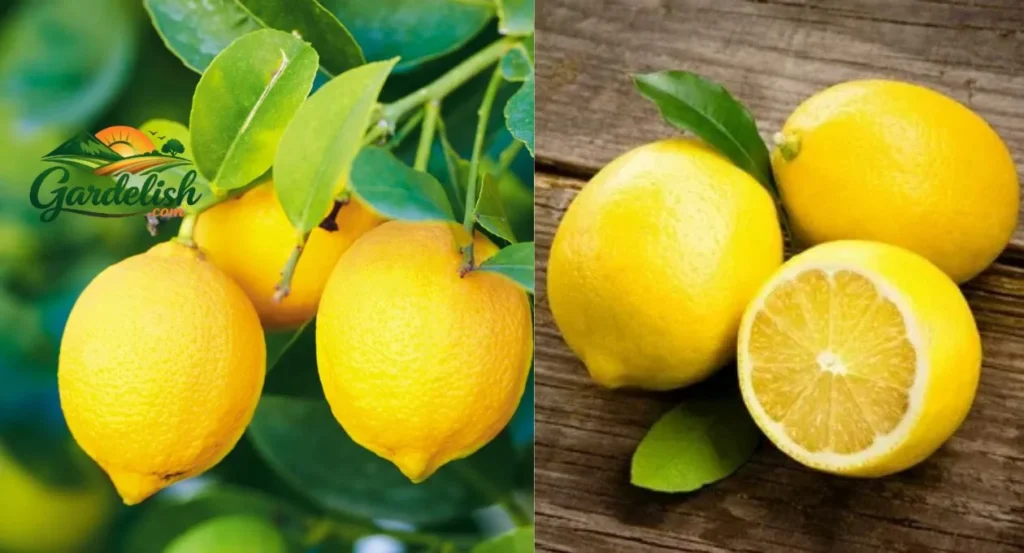
A lemon shortage happens when lemon supply drops below demand, usually because of weather damage, crop disease, reduced harvests, export disruption, or higher seasonal demand. For everyday buyers, it means higher prices and fewer fresh lemons in shops. For gardeners, it is also a reminder that growing even one healthy lemon tree at home can make the kitchen feel more resilient.
Lemons are not just a garnish. They are used in cooking, drinks, preserves, cleaning, herbal remedies, salad dressings, desserts, marinades, and restaurant kitchens. When supply tightens, the effect is felt quickly. The good news is that gardeners can do something practical: understand why shortages happen, use lemons more wisely, and grow suitable citrus varieties in the ground or in containers.
Lemon Shortage: What It Means for Gardeners
For consumers, a lemon shortage usually looks like higher prices, smaller fruit, poorer availability, or inconsistent quality. For gardeners, it raises a different question: can I grow my own lemons?
In many cases, yes. Gardeners in warm climates can grow lemon trees outdoors, while those in cooler regions can grow dwarf lemon trees in pots and move them indoors before frost. One tree will not replace a commercial orchard, but it can provide fresh fruit, fragrant flowers, glossy evergreen foliage, and a useful backup supply for the kitchen.
The most important point is realistic expectation. A young lemon tree may take a few years to fruit well. A container tree needs careful watering, feeding, sunlight, and winter protection. But once established, a healthy lemon tree can be one of the most rewarding edible plants in a home garden.
Why Lemon Shortages Happen
A lemon shortage rarely has one simple cause. It usually develops when several problems overlap.
Extreme heat can cause fruit drop, sunburn, and smaller fruit. Drought can reduce fruit size and juice content. Heavy rain can damage roots, increase fungal disease pressure, and delay harvesting. Unexpected frost can injure flowers, young fruit, and tender shoots.
Pests and diseases also affect production. Citrus greening, also called Huanglongbing or HLB, is especially serious because infected trees become weak, produce poor-quality fruit, and eventually decline. Other problems, such as citrus canker, scale insects, aphids, mites, and root diseases, can also reduce yields when not managed properly.
Supply chains matter too. Lemons often travel long distances from commercial growing regions to markets. If transport costs rise, export volumes fall, or harvest labor becomes limited, lemons can become more expensive even when some fruit is still available.
How Weather and Climate Stress Affect Lemon Trees
Lemon trees prefer warmth, sun, and steady moisture, but they do not handle extremes well. A productive tree needs a stable growing rhythm: healthy spring flowers, good pollination, steady fruit development, and enough water during swelling and ripening.
Heatwaves can stress the canopy and roots. If the tree cannot move enough water from soil to leaves, it may drop flowers or small fruit. Dry winds can make this worse, especially in sandy soils or shallow containers.
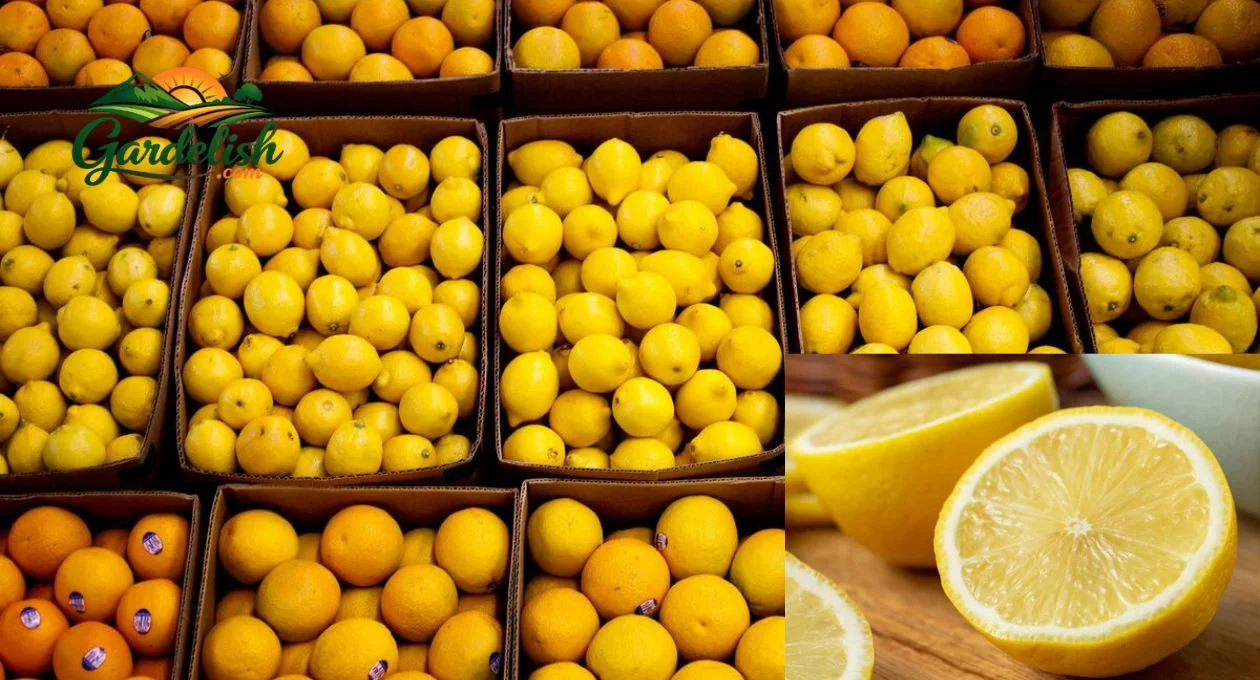
Cold is another major issue. Lemon trees are less cold-hardy than some other citrus types. Frost can damage leaves, blossoms, young stems, and fruit. Mature trees may recover from light cold damage, but repeated frost can reduce the next crop.
For home gardeners, this means location matters. A lemon tree planted near a warm wall, protected courtyard, sunny patio, or south-facing position usually performs better than one exposed to cold wind and low-lying frost pockets.
Can Growing Lemons at Home Help?
Growing lemons at home will not solve a global shortage, but it can help households reduce dependence on supermarket lemons.
A single productive tree can supply enough fruit for tea, cooking, salad dressings, marinades, and occasional preserving. Even when harvests are modest, homegrown lemons offer freshness that store-bought fruit often cannot match.
The best approach is to grow lemons as part of a wider edible garden. Herbs such as lemon thyme, lemon balm, lemongrass, lemon verbena, and lemon basil can support citrus flavor in the kitchen. They will not replace lemon juice, but they can reduce how often you need fresh lemons for fragrance and seasoning.
This topic also connects naturally with internal articles on container gardening, organic fertilizers, soil improvement, composting, seasonal planting guides, and pest control.
Best Lemon Varieties for Home Gardeners
Choosing the right variety makes a big difference.
Meyer lemon is often the best option for beginners. It stays smaller than many standard lemon trees, adapts well to containers, and produces fragrant flowers with juicy, mildly sweet fruit. It is especially useful for patios, balconies, greenhouses, and indoor winter protection.
Eureka lemon is a classic grocery-store-style lemon with bright acidity and a long fruiting habit in warm climates. It suits gardeners who want a familiar lemon flavor and have enough light and warmth.
Lisbon lemon is vigorous, productive, and often more tolerant of cooler conditions than some lemon varieties. It needs more space, so it is better for larger gardens or big containers.
For small spaces, look for dwarf or semi-dwarf grafted trees. Avoid growing lemons from seed if your main goal is fruit. Seed-grown trees can take many years to produce and may not match the parent fruit.
How to Grow Lemon Trees in Containers
Container gardening is the most practical solution for many people facing high lemon prices. It works well for renters, balcony gardeners, and anyone outside warm citrus-growing regions.
Choose a pot with several drainage holes. A container that is slightly larger than the root ball is better than an oversized pot, because too much unused wet soil can encourage root rot. Terracotta is useful in humid climates because it breathes, while plastic pots may be easier to move.
Use a free-draining citrus potting mix. A good blend should hold moisture but still allow oxygen around the roots. Compost, bark fines, perlite, coarse sand, and quality potting soil can all play a role in improving drainage and structure.
Place the tree where it receives at least 6 to 8 hours of direct sunlight. Indoors, use the brightest window available. If the plant stretches, drops leaves, or refuses to flower, low light may be the real problem.
Watering, Feeding, and Soil Care
Lemon trees like consistent moisture, not soggy soil. Water deeply until excess water drains from the bottom of the pot, then let the top inch or two of soil dry before watering again.
In summer, outdoor container lemons may need frequent watering. In winter, indoor trees usually need much less. The safest habit is to check soil moisture with your finger rather than watering on a fixed schedule.
Feeding is also important. Citrus trees need nitrogen for leafy growth, along with magnesium, iron, zinc, manganese, and other micronutrients for strong color and fruiting. A citrus fertilizer or organic slow-release fertilizer can support steady growth during spring and summer.
Stop heavy feeding in early autumn, especially in cooler climates. Late feeding can push soft new growth that is more vulnerable to cold damage.
Mulching helps outdoor lemon trees conserve moisture and improve soil life. Use composted bark, leaf mold, straw, or compost, but keep mulch a few inches away from the trunk.
Common Lemon Tree Problems That Reduce Harvest
If your lemon tree is healthy but not producing, look first at light, age, watering, and feeding.
A young tree may simply need more time. A tree in shade may grow leaves but produce few flowers. A tree that dries out during flowering may drop blossoms. A tree sitting in wet soil may develop root stress and yellow leaves.
Common pests include scale insects, aphids, spider mites, mealybugs, and citrus leafminer. Sticky leaves often suggest sap-feeding insects. Fine webbing may point to spider mites, especially indoors during dry winter months.
Organic management starts with observation. Inspect the undersides of leaves, prune out badly infested shoots, rinse pests away with water, and use horticultural oil or insecticidal soap when appropriate. Avoid spraying during extreme heat or when bees are actively visiting flowers.
Smart Ways to Use Lemons When Prices Rise
When lemons become expensive, careful use matters.
Use the zest before juicing if the peel is clean and suitable for cooking. Freeze lemon juice in ice cube trays for sauces, drinks, soups, and marinades. Preserve lemons in salt for savory dishes. Dry thin slices for tea blends and decorations.
You can also stretch lemon flavor with herbs. Lemon thyme works beautifully with roasted vegetables and fish. Lemon balm is useful in tea. Lemongrass adds citrus fragrance to soups and curries. Lemon verbena gives desserts and herbal infusions a bright aroma.
Gardeners can also plan for seasonal harvesting. Instead of picking every lemon at once, harvest as needed when fruit is fully colored and heavy for its size.
Future Outlook for Lemon Supply
Lemon availability will likely continue to shift with weather patterns, disease pressure, water availability, and international trade. Some seasons may recover quickly, while others may bring higher prices or smaller fruit.
For home gardeners, the best response is not panic. It is preparation. Plant suitable varieties, improve soil drainage, learn proper watering, protect trees from frost, and monitor pests before they become serious.
A lemon tree is a long-term garden investment. With good care, it can provide fruit, flowers, shade, fragrance, and a sense of independence when market supply becomes unreliable.
Frequently Asked Questions About Lemon Shortage
What Does a Lemon Shortage Mean?
A lemon shortage means the available supply of lemons is lower than market demand. This can lead to higher prices, limited stock in grocery stores, smaller fruit, or reduced quality in fresh produce sections.
Why Is There a Lemon Shortage?
A lemon shortage can happen because of extreme weather, drought, frost, heavy rainfall, citrus diseases, pest pressure, reduced harvests, transport delays, or higher seasonal demand. In many cases, several of these problems happen at the same time.
How Does a Lemon Shortage Affect Home Gardeners?
A lemon shortage encourages many home gardeners to grow their own lemon trees. Gardeners in warm climates can grow lemons outdoors, while those in colder areas can grow dwarf lemon trees in containers and move them indoors during winter.
What Is the Best Lemon Tree to Grow at Home?
Meyer lemon is one of the best lemon trees for home gardeners because it stays compact, grows well in containers, and produces fragrant flowers with juicy fruit. Eureka and Lisbon lemons are also good choices for warmer outdoor gardens.
Can Lemon Trees Grow in Containers?
Yes, lemon trees can grow very well in containers if they receive enough sunlight, well-drained soil, regular watering, and proper citrus fertilizer. Container growing is especially useful for patios, balconies, small gardens, and colder climates where trees need winter protection.
Why Is My Lemon Tree Not Producing Fruit?
A lemon tree may not produce fruit if it is too young, not getting enough sunlight, receiving irregular watering, lacking nutrients, or suffering from cold stress. Indoor lemon trees may also need hand pollination because natural pollinators are usually absent.
How Can I Reduce the Impact of a Lemon Shortage at Home?
You can reduce the impact by growing a lemon tree, using lemon zest before juicing, freezing lemon juice, preserving lemons in salt, and growing lemon-flavored herbs such as lemon thyme, lemon balm, lemongrass, and lemon verbena.
Will Lemon Prices Stay High?
Lemon prices may stay high when supply is limited and demand remains strong. Prices usually depend on harvest size, weather recovery, disease pressure, transport costs, and seasonal demand in local and international markets.
Conclusion
A lemon shortage is caused by more than market demand. Weather stress, frost, drought, citrus disease, pest pressure, and supply chain issues can all reduce availability and raise prices. For gardeners, the most practical answer is to grow suitable lemon varieties, especially dwarf trees in containers, and care for them with full sun, well-drained soil, steady watering, citrus fertilizer, and frost protection. A home lemon tree may not replace commercial supply, but it can make your garden and kitchen more resilient.
Can Dogs Eat Loquats? Safe Garden Advice for Pet Owners