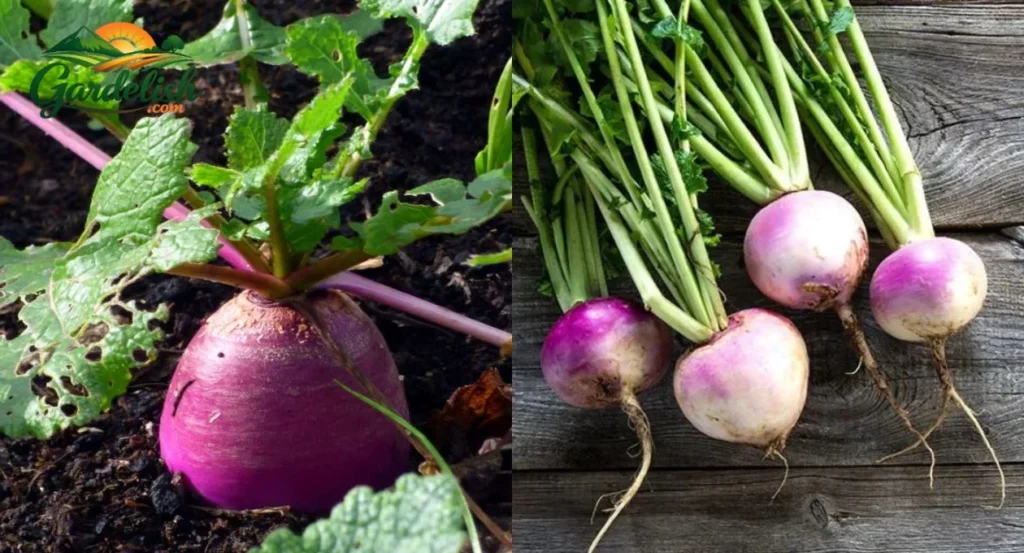
A turnip shortage happens when the supply of turnips becomes lower than normal demand in stores, wholesale markets, farms, or food supply chains. In 2026, there is no clear evidence of a confirmed global turnip shortage. However, some local markets may still face short-term supply problems because of weather, harvest timing, transport delays, storage limits, pest pressure, or farmers choosing to grow other crops.
For consumers, this can mean higher prices, fewer turnips on shelves, or lower-quality produce in certain seasons. For farmers and retailers, a local turnip shortage can create planning problems, supply gaps, and pressure on costs. The real issue is not always a worldwide shortage. In many cases, it is a regional or seasonal supply disruption that feels like a shortage to shoppers.
What Is a Turnip Shortage?
A turnip shortage means there are not enough turnips available to meet normal demand. This can happen in one city, one region, one country, or across several markets at the same time.
Turnips are root vegetables used in home cooking, soups, stews, roasted dishes, salads, pickles, and animal feed in some farming systems. Because they are simple, affordable, and easy to store compared with many fresh vegetables, people may not notice their importance until supply becomes limited.
A shortage may be caused by problems at the farm level, such as poor weather or crop disease. It may also happen after harvest if transport, storage, or distribution systems are disrupted. Sometimes turnips are still being grown normally, but they do not reach stores on time. That can create the appearance of a shortage even when total production has not collapsed.
Is There a Turnip Shortage in 2026?
There is no confirmed global turnip shortage in 2026. Turnips are still being grown and sold in many markets. However, local shortages can happen depending on region, season, and supply conditions.
A shopper may see fewer turnips in one supermarket and assume there is a major shortage. In reality, the cause may be local. A delayed harvest, bad weather in one growing region, poor storage, or transport problems can reduce availability for a short time.
It is also important to understand that the word “turnip” is used differently in different places. In some markets, people use “turnip” to describe rutabaga or wax turnip. This can make shortage discussions confusing because one product may be limited while the other remains available.
So the best answer is this: there is no strong sign of a worldwide turnip shortage, but regional turnip supply gaps can happen in 2026.
Turnip Shortage vs Seasonal Supply Gap
Not every empty shelf means there is a true shortage. Sometimes it is only a seasonal supply gap.
| Factor | Seasonal Supply Gap | Real Turnip Shortage |
| Duration | Usually short-term | Can last longer |
| Area affected | Local or regional | Wider market impact |
| Main cause | Harvest timing, weather, transport delay | Crop failure, high demand, major supply disruption |
| Price impact | Mild to moderate | Stronger price increase |
| Consumer impact | Fewer options for a short time | Limited availability across many stores |
| Business impact | Temporary stock adjustment | Menu, retail, and supply-chain disruption |
A seasonal gap is normal in agriculture. A true shortage is more serious because it affects supply over a wider area or for a longer period.
Main Causes of Turnip Shortages
Several factors can lead to a turnip shortage. In most cases, shortages are caused by more than one issue at the same time.
1. Bad Weather
Turnips grow best in cool and moist conditions. When the weather becomes too hot, too dry, too wet, or too unpredictable, crop quality can suffer.
Drought can reduce root development. Heavy rainfall can lead to waterlogged soil, rot, and fungal problems. Early frost can damage crops before harvest. Sudden temperature changes can also affect growth and quality.
Weather-related problems are one of the most common reasons for temporary vegetable shortages.
2. Water Stress
Turnips need steady moisture to grow properly. If the soil becomes too dry, roots may become small, woody, cracked, or bitter. If the soil receives too much water, the crop may suffer from disease or poor root quality.
Water stress does not always destroy the crop completely. Sometimes it only reduces the number of marketable turnips. This still affects supply because retailers usually want vegetables that meet size, freshness, and quality standards.
3. Pest and Disease Problems
Turnips can be affected by pests such as flea beetles, aphids, root maggots, and other insects that attack leaves or roots. Diseases such as powdery mildew, damping off, bacterial soft rot, and leaf spot can also reduce yields.
A pest outbreak can spread quickly if not managed early. Even when some turnips survive, the quality may be too poor for grocery stores or food processors.
4. Lower Planting by Farmers
Farmers may plant fewer turnips if other crops offer better profit. If fertilizer, fuel, labor, land rent, or transport costs rise, growers may choose crops with stronger market demand or better margins.
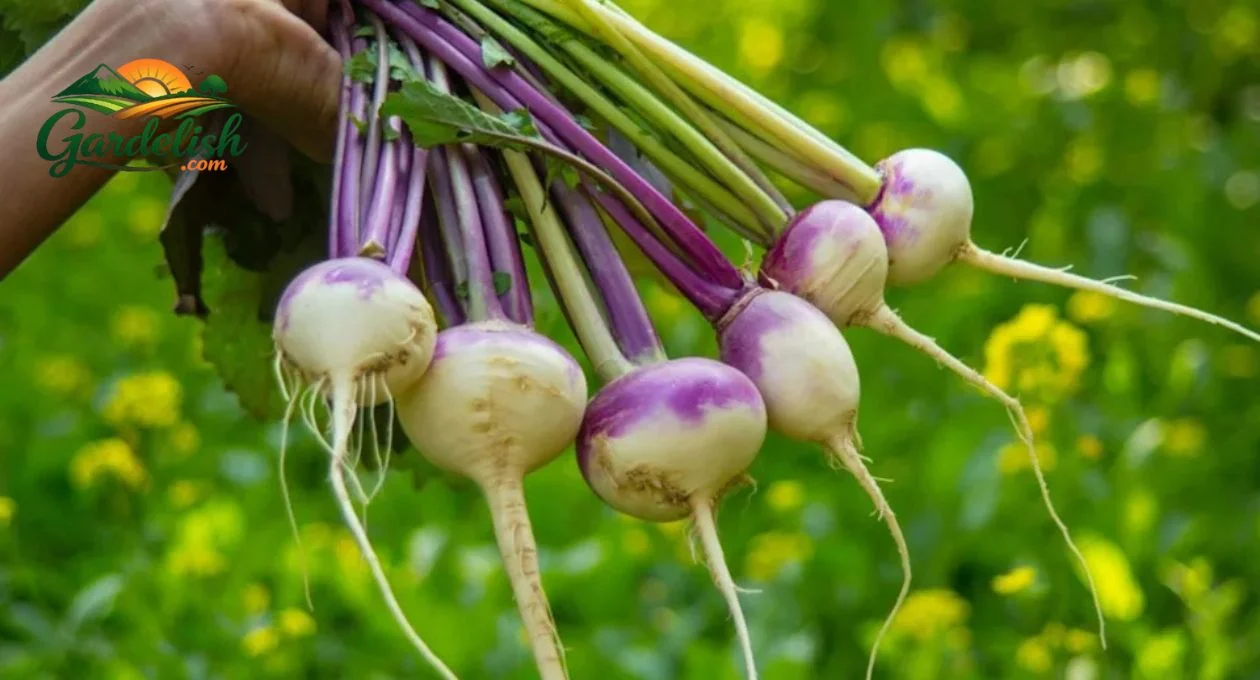
This can reduce the planted area for turnips. When fewer acres are planted, total supply becomes more vulnerable. A smaller crop can be enough in a normal season, but if bad weather or pest pressure hits, the market may quickly feel the shortage.
5. Rising Farming Costs
Turnip production depends on seeds, labor, fuel, fertilizer, irrigation, harvesting, packaging, storage, and transport. When these costs increase, farmers may reduce production or raise prices.
Even if enough turnips are grown, higher production costs can still make them more expensive for consumers. This is why some people may describe the issue as a shortage when the real problem is price inflation.
6. Storage and Transport Problems
Turnips can be stored better than many delicate vegetables, but they still need proper handling. Poor storage conditions can cause spoilage, softening, mold, or quality loss.
Transport problems can also create local shortages. If fuel prices rise, trucks are delayed, roads are affected by weather, or distribution centers face labor shortages, turnips may not reach stores on time.
In this situation, farms may still have supply, but consumers may not see it on shelves.
7. Higher Demand
Demand for turnips may rise during colder months because people use them in soups, stews, roasted dishes, and traditional meals. In some regions, turnips are also used as livestock feed.
If demand rises faster than supply, prices can increase. This is especially likely when seasonal demand combines with weak harvests or transport delays.
How a Turnip Shortage Affects Prices
When supply falls and demand remains steady, turnip prices usually rise. This can happen at wholesale markets first and then appear in supermarkets, grocery stores, and local markets.
Consumers may notice:
- Higher prices per pound or kilogram
- Smaller turnips sold at regular prices
- Fewer fresh turnips available
- More expensive substitutes
- Lower-quality produce staying on shelves longer
A turnip shortage can also affect other vegetables. If shoppers cannot find turnips, they may buy potatoes, carrots, rutabaga, parsnips, radishes, or cabbage instead. This extra demand can push prices higher for those vegetables too.
Who Is Most Affected by a Turnip Shortage?
A turnip shortage does not affect only shoppers. It can create pressure across the food system.
Consumers feel the impact through higher prices and limited availability. Low-income households may be affected more because turnips are often used as an affordable vegetable.
Farmers can face both losses and opportunities. Growers with a successful crop may receive better prices, but those affected by weather, pests, or disease may suffer financial losses.
Grocery stores may struggle to maintain steady stock. They may need to source turnips from other regions, which can increase transport costs.
Restaurants and food processors may need to change recipes or menus if turnips are part of regular dishes.
Livestock farmers may also be affected in regions where turnips are used as animal feed. If turnips become expensive or unavailable, farmers may need to buy alternative feed.
Regional Turnip Supply Outlook
Turnip supply can vary widely by region. A shortage in one country does not always mean there is a global problem.
United States
In the United States, turnip availability is usually seasonal and regional. Local supply may be affected by weather, planting decisions, and distribution patterns. Some stores may carry turnips consistently, while others may only stock them during cooler months.
United Kingdom
The UK has had wider vegetable shortage discussions in recent years, especially around fresh produce affected by weather and imports. Turnips may become part of these conversations because they are a local root vegetable, but that does not mean they are always in shortage.
Canada
In Canada, turnips and rutabagas are often connected in market discussions. Stored root vegetables can help maintain supply during colder months, but local availability still depends on harvest quality, storage conditions, and regional demand.
Europe
European supply can be affected by weather, fuel costs, energy prices, labor availability, and farm input costs. Root vegetables are generally more resilient than some delicate crops, but they are not immune to climate pressure.
Asia-Pacific
Turnips are grown and consumed in several Asian markets. Supply depends on local production, seasonal growing conditions, water availability, and regional food demand.
Are Turnips and Rutabagas the Same?
Turnips and rutabagas are related, but they are not exactly the same.
Turnips are usually smaller, white or purple-topped, and have a sharper taste. Rutabagas are often larger, yellow-fleshed, and slightly sweeter. In some regions, rutabaga is called swede, neep, or wax turnip.
This matters because shortage reports can become confusing. A market update may refer to wax turnip, while shoppers may think it means regular white turnips. Before assuming there is a turnip shortage, it is useful to check which vegetable is actually being discussed.
Best Substitutes During a Turnip Shortage
If turnips are not available in your area, several vegetables can work as substitutes.
| Substitute | Best Use |
| Rutabaga | Stews, roasting, mashing |
| Potatoes | Soups, roasting, side dishes |
| Carrots | Soups, stews, roasting |
| Parsnips | Roasting and winter dishes |
| Radishes | Raw salads or quick cooking |
| Cabbage | Soups and cooked dishes |
| Sweet potatoes | Roasting and mashing |
The best substitute depends on the recipe. For stews, rutabaga and potatoes work well. For roasted dishes, carrots, parsnips, and sweet potatoes can replace turnips. For salads, radishes may be a better option.
What Consumers Can Do During a Local Shortage
If turnips are hard to find in your area, there are simple ways to manage the situation.
Buy seasonal vegetables instead of depending on one item. Check farmers’ markets, local produce shops, and different grocery stores. Sometimes smaller markets have better access to nearby farms.
Use substitutes like rutabaga, potatoes, carrots, parsnips, or cabbage. These vegetables can work in many of the same dishes.
Avoid panic buying. Buying more than needed can make a local shortage worse for other shoppers.
Store turnips properly if you find them. Remove the greens before storage and keep the roots in a cool place or refrigerator. Good storage helps reduce waste.
What Farmers Can Do to Reduce Shortage Risk
Farmers cannot control every market condition, but they can reduce shortage risks through better planning.
Crop rotation can help reduce pest and disease pressure. Good soil management can improve root quality and yield. Proper irrigation can reduce cracking, bitterness, and poor root development.
Farmers may also benefit from using disease-resistant varieties, monitoring pest activity early, and improving post-harvest handling. Better storage can reduce losses after harvest and help stabilize supply.
For larger farming systems, market planning also matters. If farmers can forecast demand more accurately, they can avoid both overproduction and underproduction.
What Retailers and Food Businesses Can Do
Retailers can reduce supply problems by working with more than one supplier. Depending on a single source makes stores more vulnerable when weather or transport problems affect that region.
Cold storage, better inventory planning, and flexible sourcing can help keep turnips available during seasonal gaps.
Restaurants and food processors can prepare backup recipes. If turnips become expensive or limited, they can use rutabaga, potatoes, carrots, or parsnips without completely changing their menus.
Future Outlook for Turnip Supply
The future of turnip supply depends on weather, farming costs, consumer demand, and how well farms adapt to changing conditions.
There is no strong reason to expect a major global turnip crisis in 2026. However, local shortages may become more common when extreme weather, high input costs, and supply-chain problems happen together.
Turnips are a relatively resilient crop, but they still need good soil, steady moisture, proper timing, and careful pest control. Better farming practices, improved storage, and stronger local supply chains can reduce future shortage risks.
For consumers, the most realistic expectation is not a global shortage, but occasional local price increases or short-term availability problems.
FAQs About Turnip Shortage
Is there a turnip shortage in 2026?
There is no confirmed global turnip shortage in 2026. Some local markets may experience temporary supply gaps because of weather, transport delays, storage issues, or seasonal demand.
Why are turnips hard to find in some stores?
Turnips may be hard to find because of local harvest timing, poor weather, limited demand in that store, distribution delays, or retailers choosing to stock other vegetables.
What causes a turnip shortage?
The most common causes include bad weather, water stress, pests, crop disease, lower planting by farmers, high farming costs, storage problems, and transport delays.
Do turnip shortages increase prices?
Yes. If supply becomes limited and demand stays the same, prices usually rise. The increase may be mild in a local seasonal gap or stronger during a wider shortage.
Is a turnip shortage the same as a rutabaga shortage?
No. Turnips and rutabagas are related but different vegetables. However, some regions use names like wax turnip or swede for rutabaga, which can make shortage reports confusing.
How long does a turnip shortage last?
A local turnip shortage may last a few days or weeks if it is caused by transport or harvest timing. A more serious crop-related shortage may last through a season.
What can I use instead of turnips?
Good turnip substitutes include rutabaga, potatoes, carrots, parsnips, radishes, cabbage, and sweet potatoes. The best choice depends on the recipe.
Can climate change affect turnip supply?
Yes. Turnips grow best in cool, steady conditions. Extreme heat, drought, heavy rain, frost, and unpredictable seasons can affect yield and quality.
Are turnips used for animal feed?
Yes, in some regions turnips are used as livestock feed. If turnip supply drops, livestock farmers may need to use other feed sources.
Should consumers worry about a turnip shortage?
Most consumers do not need to worry about a major global shortage. It is better to watch local prices, buy seasonal produce, and use substitutes when turnips are temporarily unavailable.
Conclusion
A turnip shortage can happen when supply falls below normal demand, but there is no clear evidence of a confirmed global turnip shortage in 2026. What many shoppers experience is more likely to be a local or seasonal supply gap caused by weather, harvest timing, storage issues, transport delays, or market demand.
Turnips may look like a simple root vegetable, but their availability depends on farming conditions, water, soil, pest control, storage, and distribution. When any part of that system is disrupted, prices can rise and shelves can look empty.
The best way to understand the issue is to avoid panic and look at the local market. If turnips are limited in one area, substitutes like rutabaga, potatoes, carrots, parsnips, and cabbage can help. For farmers and retailers, better planning, crop rotation, storage, and diversified sourcing can reduce future shortage risks.
In short, the 2026 turnip shortage story is not a global food crisis. It is a reminder that even common vegetables depend on a stable and well-managed supply chain.
Papaya Shortage: Why Papayas Are Harder to Find and How Gardeners Can Grow Their Own