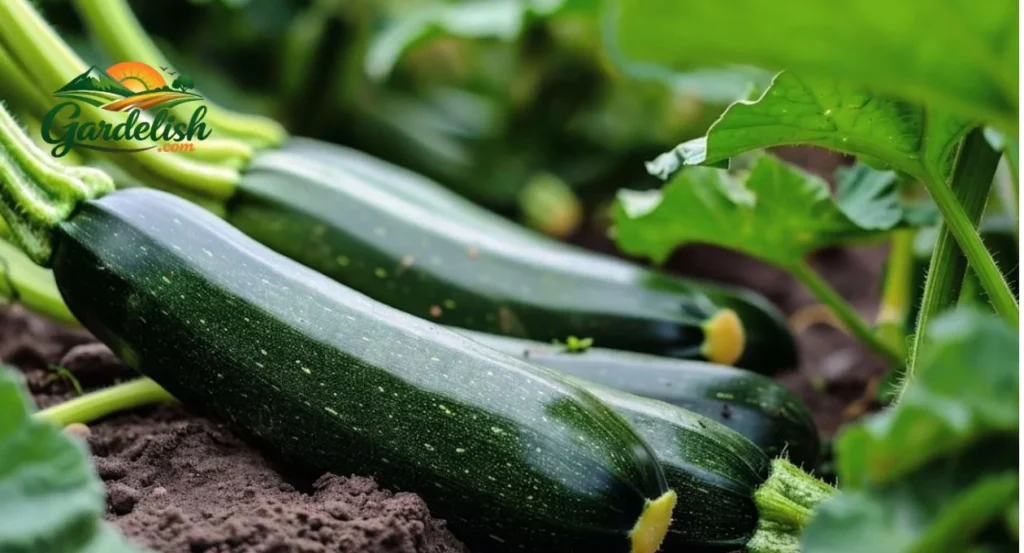
A zucchini shortage in the home garden usually means one of three things: the plant is not being pollinated well, the weather is stressing the plant, or the growing conditions are not strong enough to support steady fruit production. Zucchini is often described as an easy crop, but anyone who has grown it for a few seasons knows it can be surprisingly fussy at the exact moment you expect baskets of fruit.
Zucchini, botanically known as Cucurbita pepo, grows fast, flowers heavily, and needs consistent sun, moisture, nutrients, and pollinator activity. When one of those pieces falls out of balance, the plant may look healthy but produce very little. You may see flowers dropping, tiny fruits turning yellow, leaves covered in powdery mildew, or vines that suddenly collapse in midsummer.
The good news is that most causes of poor zucchini production are fixable. Once you understand what the plant is telling you, you can often bring it back into steady growth within the same season.
What a Zucchini Shortage Usually Means in the Garden
For home gardeners, a zucchini shortage is rarely about the seed packet or the variety alone. More often, it is a sign that the plant is under stress or not completing the fruiting process properly.
Healthy zucchini plants need:
- 6–8 hours of direct sun daily
- Loose, fertile, well-drained soil
- Regular watering at the root zone
- Plenty of pollinator visits
- Warm but not extreme temperatures
- Protection from pests and fungal diseases
Zucchini is a warm-season vegetable, usually grown after the danger of frost has passed. In many USDA hardiness zones, gardeners plant it in late spring and harvest through summer. In warmer regions, a fall crop is also possible.
A shortage can show up in several ways. Some plants produce many male flowers but few female flowers. Others form small fruits that stop growing and rot at the end. Some plants start strongly, then fade during heatwaves or disease pressure. Each symptom points to a different issue.
Before adding more fertilizer or pulling the plant out, look closely at the flowers, leaves, stems, and soil. Zucchini plants are expressive. They usually give clear signs before they stop producing.
The Most Common Reason: Poor Pollination
Poor pollination is one of the biggest reasons gardeners face a zucchini shortage. Zucchini plants produce separate male and female flowers. Male flowers grow on thin stems. Female flowers have a small swelling behind the bloom, which becomes the fruit after successful pollination.
If pollen does not move from the male flower to the female flower, the fruit will not develop properly. It may begin to grow, then turn yellow, shrivel, or fall off.
This often happens when:
- There are not enough bees or other pollinators nearby
- Rainy weather keeps pollinators away
- Heat causes flowers to open and fade quickly
- The garden has too few flowering companion plants
- Pesticide use has reduced beneficial insects
Zucchini flowers usually open in the morning. That is the best time to check pollination. If you see open flowers but few bees, hand-pollination can help.
To hand-pollinate zucchini, pick a fresh male flower, remove the petals, and gently brush the pollen-covered center onto the center of an open female flower. You can also use a small paintbrush. It takes less than a minute, and it can make a big difference when pollinators are scarce.
For long-term improvement, plant pollinator-friendly companions near zucchini. Good options include nasturtiums, marigolds, borage, calendula, dill, basil, and zinnias. These plants attract bees and beneficial insects while also making the vegetable garden more resilient.
Weather Stress Can Stop Zucchini From Producing
Zucchini enjoys warmth, but it does not love weather extremes. Sudden cold nights, long heatwaves, dry winds, and heavy rain can all interrupt flowering and fruit development.
In cool spring weather, zucchini plants may grow slowly and produce mostly male flowers at first. That is normal. Female flowers often appear once the plant matures and temperatures become more stable.
In hot summer weather, the opposite problem can happen. High temperatures can reduce pollen quality, cause flowers to drop, and stress the plant so badly that it slows fruit production. Gardeners in hot climates often notice a midsummer pause, especially when daytime heat stays intense and nights remain warm.
Heavy rain creates another problem. Wet conditions can limit pollinator activity and encourage fungal diseases such as powdery mildew and downy mildew. Waterlogged soil may also weaken roots.
To reduce weather stress:
- Use straw, shredded leaves, or compost mulch to cool the soil
- Water deeply during dry spells
- Avoid overhead watering late in the day
- Use shade cloth during extreme heat
- Plant zucchini after soil has warmed properly
- Choose varieties suited to your local climate
In regions with very hot summers, zucchini often performs better as an early summer or fall crop. A second planting in late summer can sometimes produce better results than forcing tired plants through extreme heat.
Soil and Fertility Problems Behind a Poor Harvest
Zucchini is a heavy feeder. It grows large leaves, thick stems, and fast-developing fruit, so it needs rich soil with steady nutrients. Poor soil can lead to weak flowering, pale leaves, small fruit, and low yields.
The ideal soil for zucchini is loose, fertile, and well-drained, with plenty of organic matter. Compost is one of the best amendments because it improves soil texture, moisture retention, microbial activity, and slow nutrient release.
Before planting, work compost or well-rotted manure into the bed. In raised beds, refresh the soil each season because zucchini pulls a lot of nutrition from a small growing area.
Nitrogen, phosphorus, and potassium all matter, but balance is important. Too much nitrogen can create huge green leaves with fewer fruits. Too little fertility can leave the plant weak and unproductive.
A good approach is:
- Add compost before planting
- Use a balanced organic fertilizer at planting time
- Side-dress with compost or fertilizer when flowers appear
- Avoid overfeeding with high-nitrogen lawn-type fertilizers
- Keep soil evenly moist so roots can take up nutrients
If your zucchini leaves are pale or growth is slow, the plant may need feeding. If leaves are dark green and massive but fruit is limited, pollination or excess nitrogen may be the issue instead.
For related internal linking, this section naturally connects to articles on soil improvement, composting, organic fertilizers, and raised bed gardening.
Watering Mistakes That Reduce Zucchini Production
Zucchini plants have broad leaves and thirsty roots. In hot weather, they can wilt dramatically in the afternoon. Some wilting is normal during heat, but regular drought stress can reduce flowering and cause fruits to develop poorly.
Inconsistent watering is especially hard on zucchini. If the soil swings between very dry and very wet, fruits may become misshapen, growth may stall, and the plant becomes more vulnerable to disease.
Water deeply at the base of the plant rather than sprinkling the leaves. Deep watering encourages stronger roots and keeps foliage drier, which helps reduce fungal problems.
A practical watering routine:
- Check soil moisture with your finger before watering
- Water when the top 1–2 inches feel dry
- Soak the root zone deeply rather than watering lightly
- Mulch around plants to reduce evaporation
- Water early in the morning when possible
Container-grown zucchini dries out faster than zucchini in garden soil. A large pot can still need frequent watering in hot weather. Use a container with drainage holes and a high-quality potting mix enriched with compost.
Avoid letting zucchini sit in soggy soil. Roots need oxygen. If the plant is yellowing, wilting despite wet soil, or growing slowly, drainage may be part of the problem.
Pests and Diseases That Create a Zucchini Shortage
Sometimes a zucchini shortage begins with a plant that looks healthy, then suddenly weakens. Pests and diseases are common reasons.
The most frustrating pest for many gardeners is the squash vine borer. Its larvae tunnel inside the stem, cutting off the plant’s ability to move water. A plant may look fine one day and collapse the next. Check the base of the stem for small holes, sawdust-like frass, or splitting.
Cucumber beetles can also damage zucchini by feeding on leaves and spreading bacterial wilt. Squash bugs suck sap from leaves and stems, causing wilting and decline. Aphids may gather under leaves and weaken young plants.
Common diseases include powdery mildew, downy mildew, bacterial wilt, and blossom-end rot-like fruit issues connected to stress and water imbalance.
Organic prevention helps more than late rescue:
- Inspect leaves and stems weekly
- Remove squash bug eggs from leaf undersides
- Use row covers early, then remove them when flowers open
- Keep vines spaced for airflow
- Avoid wetting foliage repeatedly
- Remove badly diseased leaves
- Rotate crops each year when possible
Powdery mildew often appears as white, dusty patches on leaves. It usually becomes worse in humid conditions or crowded plantings. Removing affected leaves, improving airflow, and watering at soil level can slow its spread.
For internal links, this part fits well with guides on organic pest control, companion planting, powdery mildew prevention, and vegetable garden disease management.
Container and Raised Bed Zucchini Need Extra Attention
Zucchini can grow well in containers and raised beds, but it needs enough space. A small pot is one of the fastest ways to create a disappointing harvest.
For container gardening, choose a large pot, ideally at least 5 gallons for compact bush varieties, though bigger is usually better. The container must drain well and hold enough potting mix to support steady moisture.
Compact varieties are better for patios, balconies, and small gardens. Look for bush-type zucchini rather than long vining types. Even compact plants still need sunlight, feeding, and regular watering.
Raised beds are excellent for zucchini because they warm quickly in spring and drain well. The risk is that raised bed soil can dry faster in summer. Mulch becomes especially useful here.
Small-space growing tips:
- Choose bush or patio zucchini varieties
- Give each plant enough room for airflow
- Use compost-rich soil
- Feed lightly but consistently
- Water containers more often in heat
- Avoid crowding zucchini with other large crops
Do not plant zucchini too close to cucumbers, pumpkins, or winter squash in a tight bed. They all belong to the cucurbit family and compete heavily for space, nutrients, and pollinators.
How to Prevent a Zucchini Shortage Before It Starts
The best way to avoid a zucchini shortage is to set the plant up properly before it begins flowering. Once a zucchini plant is stressed, it can recover, but prevention is easier.
Start with fresh seeds or healthy transplants. Zucchini germinates quickly in warm soil, so direct sowing often works well. Wait until the soil has warmed and nights are consistently mild.
Choose a sunny location with good airflow. Zucchini leaves can become huge, and crowded plants trap humidity. That creates perfect conditions for mildew.
Before planting, enrich the soil with compost. After planting, mulch once the seedlings are established. This protects roots, reduces weeds, and keeps soil moisture more consistent.
A strong prevention checklist:
- Plant after frost danger has passed
- Choose disease-resistant varieties when available
- Prepare soil with compost
- Space plants properly
- Add pollinator-friendly flowers nearby
- Mulch after soil warms
- Water deeply and consistently
- Monitor pests before damage becomes severe
Succession planting can also help. Instead of relying on one plant all season, sow a second zucchini plant a few weeks later. If the first plant declines from pests or mildew, the younger plant can continue the harvest.
What to Do When Zucchini Flowers but No Fruit Forms
A zucchini plant full of flowers but no fruit is usually dealing with one of two things: it is still in the early male-flower stage, or female flowers are not being pollinated.
Early in the season, zucchini plants often produce male flowers first. This is normal and does not mean the plant is failing. Male flowers attract pollinators and prepare the plant for fruiting.
Look for female flowers. They have a tiny zucchini-shaped swelling behind the bloom. If female flowers are present but fruits are yellowing and dropping, pollination is the likely issue.
Try this simple process:
- Check flowers early in the morning.
- Identify male and female flowers.
- Hand-pollinate open female flowers.
- Watch the tiny fruit over the next few days.
- Improve pollinator habitat around the bed.
If no female flowers appear after the plant is mature, review sunlight, fertilizer, heat, and plant stress. Too much nitrogen, too little sun, or extreme temperatures can delay female flower production.
Harvesting Habits That Keep Zucchini Productive
Zucchini plants produce best when fruits are harvested young and regularly. Leaving oversized zucchini on the plant signals that the plant has completed its reproductive job. As a result, it may slow down flower and fruit production.
Pick zucchini when it is tender, glossy, and easy to slice with a fingernail. Many gardeners prefer harvesting when fruits are 6–8 inches long, depending on the variety.
Use a clean knife or pruners rather than pulling the fruit by hand. Tugging can damage stems or break vines.
Regular harvesting encourages:
- More flower production
- Better fruit texture
- Smaller seeds
- Improved plant energy
- Longer harvest windows
If you miss one and find a giant zucchini hiding under the leaves, remove it. Oversized fruits are still useful for baking or grating, but they are not ideal for keeping the plant productive.
Conclusion:
A zucchini shortage in the garden is usually not a mystery once you look at the plant closely. Poor pollination, extreme weather, weak soil, inconsistent watering, pests, disease, and delayed harvesting can all reduce production.
The best fix is a complete growing approach: plant zucchini in warm, fertile soil, give it full sun, water deeply, attract pollinators, mulch the root zone, and inspect plants often. When female flowers appear, make sure they are being pollinated. When fruit begins to grow, harvest it regularly.
Zucchini is generous when its basic needs are met. With a little observation and timely care, one struggling plant can often turn into a productive part of the summer garden again.
FAQs
1. Why is there a zucchini shortage in my garden?
A zucchini shortage usually happens because of poor pollination, heat stress, weak soil, irregular watering, pests, or disease. Check flowers, leaves, stems, and soil moisture to identify the cause.
2. Why does my zucchini flower but not produce fruit?
This usually means female flowers are not being pollinated. Zucchini plants produce male and female flowers separately, and pollen must move from male flowers to female flowers for fruit to develop.
3. How do I hand-pollinate zucchini plants?
Pick a fresh male flower, remove the petals, and gently rub the pollen-covered center onto the center of an open female flower. Do this in the morning when flowers are fresh.
4. Can too much fertilizer cause fewer zucchini?
Yes. Too much nitrogen can create large leafy plants with fewer fruits. Use compost and a balanced fertilizer instead of feeding heavily with high-nitrogen products.
5. How can I keep zucchini producing all summer?
Harvest fruits while they are young, water consistently, mulch the soil, attract pollinators, remove diseased leaves, and watch for pests such as squash bugs and vine borers.
Pear Shaped Fruits: A Gardener’s Guide to Growing, Choosing, and Understanding Them