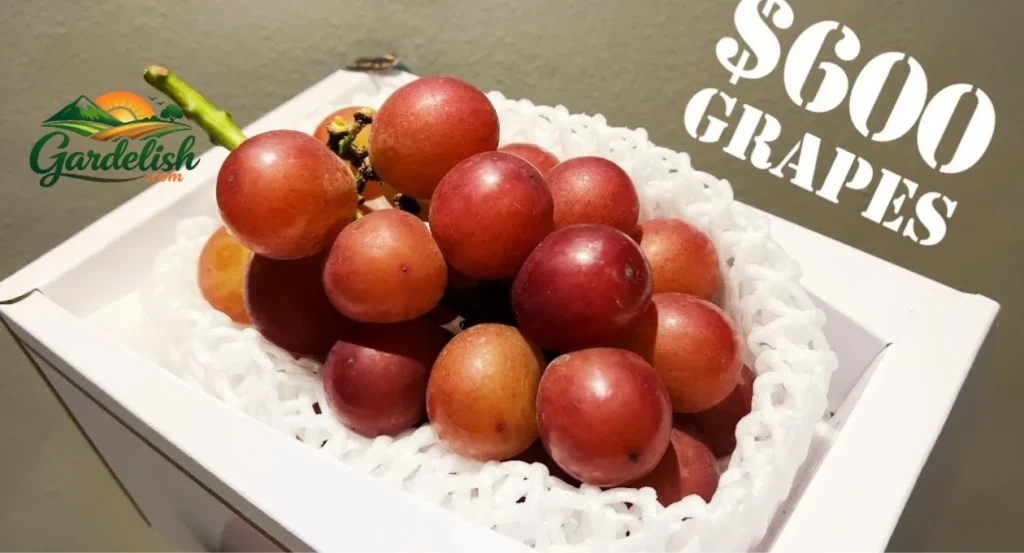
Grapes are expensive because they are not simple fruit to produce well. A good bunch of table grapes takes years of plant establishment, careful pruning, strong trellis support, steady irrigation, disease prevention, skilled harvesting, fast cooling, and careful transport. Unlike many garden fruits, grapes are delicate once picked and unforgiving during the growing season.
For home gardeners, the price of grapes makes more sense once you grow even one healthy grapevine. Grapes look effortless in a supermarket punnet, but behind that clean bunch is a long season of work. The vines need the right climate, the right soil, regular canopy management, pest control, and protection from splitting, mildew, birds, wasps, heat stress, and poor pollination.
Why Are Grapes So Expensive Compared With Other Fruits?
Grapes often cost more than apples, oranges, or bananas because they are more fragile and more labor-intensive. Many fruits can be harvested by machine or handled roughly during packing. Table grapes cannot. They bruise, split, dry out, and lose their fresh look quickly.
Commercial grapes are usually hand-picked in bunches. Workers must cut the clusters, inspect them, remove damaged berries, pack them gently, and move them into cooling quickly. This is especially true for seedless table grapes, which shoppers expect to look clean, firm, sweet, and nearly perfect.
From a gardening point of view, grapes also demand long-term planning. A vine does not become productive overnight. A young grapevine may need two to three years before it produces a useful crop. During that time, growers are still paying for soil preparation, trellis systems, irrigation, pruning, fertilizing, training, and pest control.
That long waiting period adds to the cost before the first full harvest even arrives.
Grapes Are Expensive Because the Plant Takes Years to Establish
Grapes come from the genus Vitis. Common table grapes are often linked to Vitis vinifera, while many cold-hardy or regional grapes include Vitis labrusca, hybrid varieties, and muscadines such as Vitis rotundifolia.
No matter the type, grapevines need time.
A first-year grapevine usually focuses on root growth and trunk development. A second-year vine may produce a few clusters, but many gardeners remove those early fruits so the plant builds strength. The third year is often when a vine starts giving a more meaningful harvest, though full production can take longer.
That slow start matters commercially. A grower invests in land, vines, posts, wires, irrigation lines, labor, pruning, and plant protection long before the vineyard becomes profitable.
In a home garden, this is why grape growing rewards patience. You are not just planting fruit. You are building a small permanent crop system.
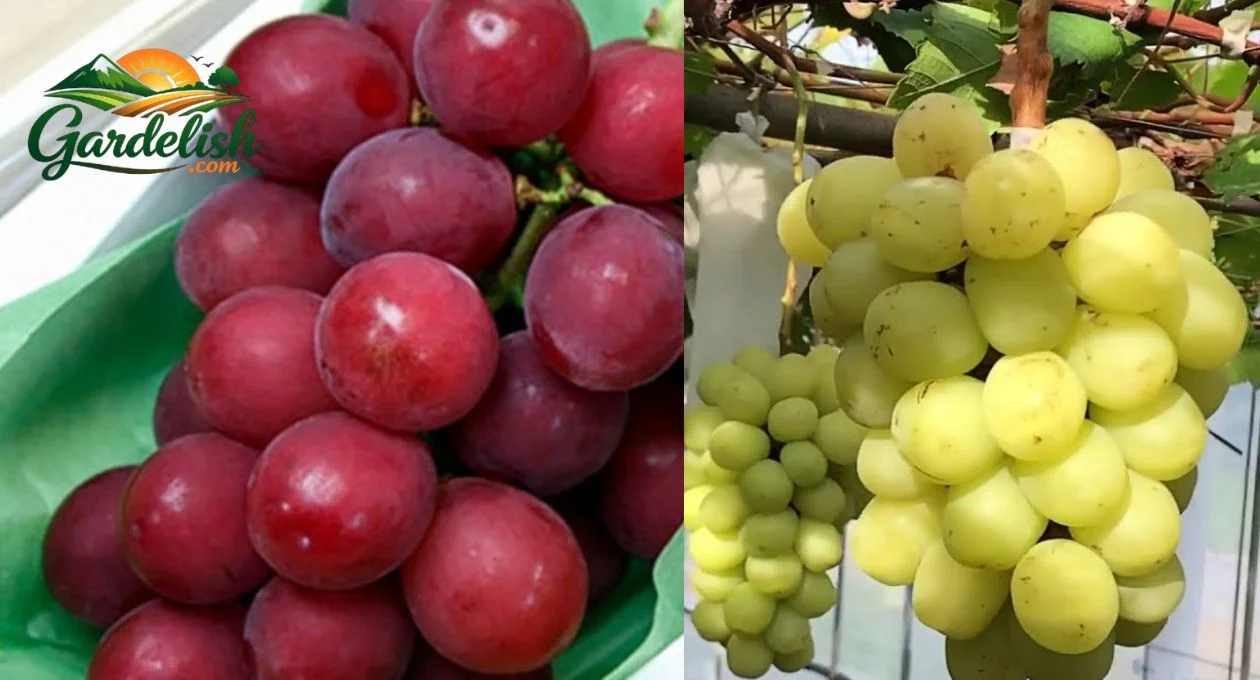
The Trellis System Adds Real Cost
A grapevine needs structure. Without a proper trellis, the canes tangle, airflow drops, fruit quality suffers, and fungal diseases become harder to control.
Commercial vineyards use strong posts, wire systems, anchors, clips, irrigation lines, and training methods. These systems must hold heavy vines and fruit through wind, rain, heat, and harvest activity. Even in a backyard, a grape arbor or trellis needs to be sturdy enough to last for years.
Common training systems include:
- Cordon training
- Guyot pruning
- Vertical shoot positioning
- High-wire systems
- Pergola or arbor training
The exact system depends on grape variety, climate, and growing goal. Table grapes usually need careful canopy management so clusters receive enough light without getting sunburned.
This is one reason grapes cost more than many people expect. The fruit is not only grown on a plant. It is grown on a managed structure that requires installation, repair, and seasonal attention.
Pruning and Canopy Management Require Skill
Grapes fruit on specific types of wood, so pruning directly affects the harvest. Poor pruning can leave too much growth, too little fruit, weak airflow, or clusters that never ripen properly.
In winter, growers remove much of the previous season’s growth. This looks severe to beginners, but it is normal. Grapevines are vigorous. If they are not pruned hard, they become leafy and crowded.
During spring and summer, growers may also manage the canopy by:
- Removing excess shoots
- Tying canes to wires
- Thinning fruit clusters
- Removing leaves around bunches
- Improving airflow
- Reducing shade
- Preventing disease pressure
This work is time-consuming. It is also difficult to automate for high-quality table grapes.
For gardeners, pruning is one of the most important grape-growing skills. A healthy vine with poor pruning can produce disappointing fruit. A well-pruned vine often gives better sweetness, better cluster shape, and fewer disease problems.
This labor is built into the price of grapes.
Weather, Climate, and Soil Make Grape Growing Risky
Grapes need warmth, sunlight, and a long enough growing season to ripen well. Many varieties grow best in full sun with at least six to eight hours of direct light each day. They prefer well-drained soil, not soggy ground.
Most grape varieties dislike wet feet. Heavy clay soil can cause root stress unless improved with organic matter, compost, raised beds, or better drainage. Sandy loam and well-drained loam are often easier for grape roots.
Climate also matters. Some grapes perform well in USDA hardiness zones 5 to 9, depending on variety. Muscadines prefer warmer regions, often thriving in zones 7 to 10. Cold-hardy hybrids can handle colder winters, but they still need enough summer heat to ripen fruit.
Weather can damage grapes at several stages:
- Late frost can kill young buds
- Heavy rain can cause fruit splitting
- High humidity increases fungal disease
- Heat waves can sunburn exposed berries
- Drought can reduce berry size
- Hail can destroy clusters in minutes
Commercial growers carry this risk every season. When a poor season reduces supply, grapes can become more expensive.
Home gardeners face the same reality on a smaller scale. A beautiful grapevine in May can still struggle by harvest time if the summer turns wet, humid, or extremely hot.
Disease and Pest Control Increase the Cost of Good Grapes
Grapes are vulnerable to several common problems. Powdery mildew, downy mildew, black rot, botrytis bunch rot, and anthracnose can all affect grape leaves, stems, or fruit. In humid climates, disease prevention is one of the hardest parts of grape growing.
Good airflow, proper pruning, drip irrigation, mulching, and sanitation help reduce disease pressure. Gardeners should remove fallen leaves, avoid overhead watering, and keep the canopy open.
Pests also add pressure. Birds love ripe grapes. Wasps and yellowjackets often attack sweet clusters. Japanese beetles may skeletonize leaves. Aphids, mites, leafhoppers, and grape berry moths can also cause problems in some regions.
Organic gardeners often use netting, traps, neem oil, horticultural oils, beneficial insect habitat, and careful cleanup. Commercial growers need larger systems and regular monitoring.
All of this affects cost. Clean, sweet, attractive grapes are not accidental. They come from repeated inspection and timely intervention.
A useful internal link here would be to a guide on organic pest control for fruit gardens, especially if your site covers natural gardening methods.
Harvesting Grapes Is Slow and Delicate
Grapes do not continue to ripen much after picking. That means they must be harvested when they are ready, not simply when it is convenient.
Growers judge ripeness by sweetness, color, berry firmness, seed development in seeded varieties, and flavor. In vineyards, sugar levels may be checked with a refractometer. In a home garden, taste is often the simplest test.
Harvesting is delicate because one damaged berry can affect the appearance of the whole bunch. Table grapes are sold on freshness, color, bloom, and firmness. The natural whitish coating on grapes, called bloom, helps protect the berries and signals freshness. Rough handling rubs it off.
This is why harvesting grapes takes careful hands. Clusters must be clipped, not pulled. Damaged, moldy, or split berries are often removed. Bunches are packed so they do not crush each other.
That level of handling is expensive, especially in regions where agricultural labor costs are high.
Cooling, Storage, and Transport Add More Cost
Once grapes are picked, the clock starts. Grapes need fast cooling to preserve freshness. They are often moved into cold storage quickly after harvest. This cold chain continues through packing, shipping, distribution, retail storage, and display.
If grapes warm up too much, they lose firmness and shelf life. If humidity is poorly managed, stems dry out and berries shrivel. If packaging is too tight, fruit can bruise or decay.
This matters because many grapes travel long distances. Depending on the season, grapes in stores may come from domestic vineyards or imported growing regions. Transport, refrigeration, packaging, fuel, and handling all add to the final price.
Gardeners notice the difference immediately when harvesting from their own vine. Freshly picked grapes eaten in the garden have no transport cost, no storage delay, and no packaging. The flavor can be wonderful, especially when the variety suits the local climate.
Seedless Grapes Are Convenient, but They Are Not Simple to Produce
Many shoppers prefer seedless grapes, and that demand affects price. Seedless grape varieties are bred for convenience, texture, sweetness, shelf life, and appearance.
Commercial production of seedless grapes can involve careful variety selection, controlled vineyard management, cluster thinning, and sometimes growth regulator use to improve berry size and cluster quality. The work is not casual.
In a backyard, seedless grapes can grow well, but they still need the same fundamentals: sun, drainage, pruning, watering, and disease management. Some seedless varieties are better suited to specific climates than others.
For beginners, it is wise to choose a grape variety based on local growing conditions rather than supermarket appearance. A disease-resistant variety that ripens well in your region is often more rewarding than a famous variety that struggles in your climate.
Good internal linking opportunities here include guides on choosing fruit varieties for your USDA zone, beginner fruit gardening, and soil improvement for perennial crops.
Can You Grow Grapes at Home to Save Money?
Yes, you can grow grapes at home, but it is not instant savings. A grapevine is a long-term investment. You may spend money first on plants, compost, mulch, trellis materials, pruning tools, irrigation, and bird netting.
Over several years, though, a healthy vine can produce generous harvests. One mature grapevine can give a satisfying crop for fresh eating, juice, jelly, raisins, or sharing with family. The exact yield depends on variety, vine age, pruning, climate, and care.
For best results, start with the right site:
- Choose full sun
- Use well-drained soil
- Avoid frost pockets
- Give the vine strong support
- Water deeply during dry periods
- Mulch to conserve moisture
- Prune every winter
- Keep the canopy open
- Protect ripening fruit from birds
In cooler climates, choose cold-hardy grapes. In humid climates, prioritize disease-resistant cultivars. In warm southern regions, muscadines may be a better choice than traditional bunch grapes.
If your garden has heavy clay soil, improve drainage before planting. Compost can help soil structure, but grapes still dislike saturated roots. A raised bed or slight mound can be useful where water sits after rain.
Are Expensive Grapes Always Better?
Not always. Higher-priced grapes may be fresher, sweeter, larger, organic, imported out of season, or grown under stricter quality standards. But price does not guarantee flavor.
Flavor depends on variety, ripeness, storage time, and handling. A locally grown grape picked at full maturity can taste better than an expensive imported grape that spent weeks in storage and transport.
For gardeners, this is one of the joys of growing grapes. You can choose varieties for flavor, not only shelf life. Concord-type grapes, muscadines, and regional hybrids may have stronger character than many standard supermarket grapes.
The tradeoff is care. Homegrown grapes may not look as uniform as store grapes. Some bunches may be smaller. Some berries may have seeds. But the flavor can be richer, and the experience of harvesting from your own vine is hard to beat.
Conclusion
So, why are grapes so expensive? The answer is a mix of plant biology, skilled labor, climate risk, trellis systems, pruning, pest control, careful harvesting, cold storage, and transport. Grapes look simple in the grocery store, but they are one of the more demanding fruits to grow, handle, and deliver in perfect condition.
For gardeners, that price tells a useful story. A productive grapevine takes patience, structure, sunlight, pruning, and seasonal care. Once established, though, it can reward you for many years with fresh fruit that tastes far better than most store-bought bunches.
FAQs
Why are grapes so expensive in grocery stores?
Grapes are expensive because they require hand harvesting, careful packing, cold storage, and fast transport. They are fragile fruits that can split, bruise, dry out, or develop mold if handled poorly.
Are seedless grapes more expensive to grow?
Seedless grapes can cost more because they need careful variety selection, pruning, cluster management, and quality control. Shoppers expect them to be sweet, firm, uniform, and easy to eat.
Is it cheaper to grow grapes at home?
Growing grapes at home can save money over time, but not immediately. You need a healthy vine, strong trellis, pruning tools, mulch, irrigation, and pest protection before you see a full harvest.
What makes grapes hard to grow?
Grapes need full sun, good drainage, annual pruning, disease prevention, and protection from birds, wasps, mildew, and weather stress. Humid climates can make grape growing especially challenging.
How long does a grapevine take to produce fruit?
Most grapevines begin producing useful fruit after two to three years. Full production often takes longer, depending on the variety, climate, pruning method, and overall plant health.