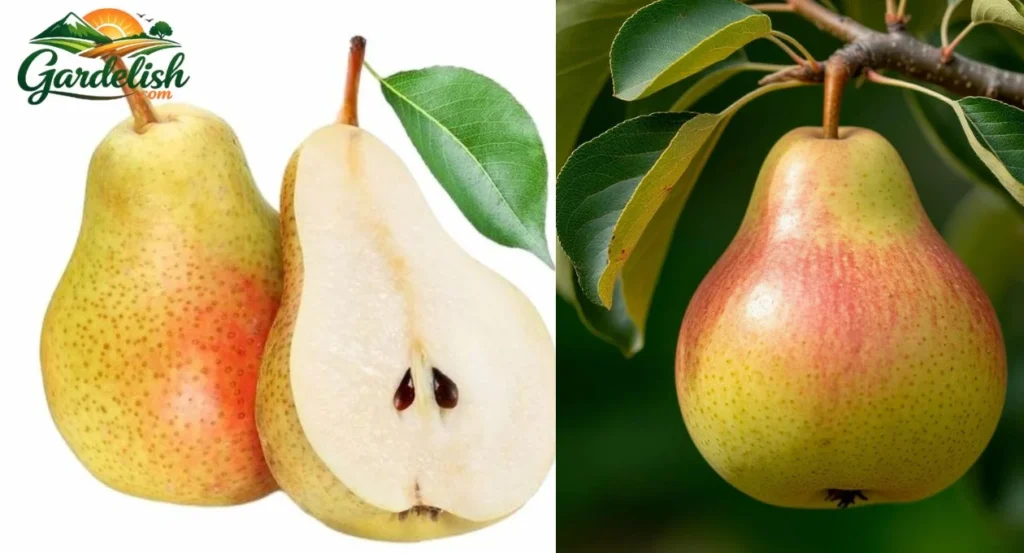
Pear shaped fruits are fruits with a rounded lower body, narrower neck, and soft taper toward the stem end, similar to the classic shape of a pear. While pears are the most obvious example, many gardeners are surprised to learn that several fruits and vegetables can develop this same elegant form, including certain tomatoes, figs, avocados, guavas, squash, and even some specialty melons.
For gardeners, fruit shape is more than appearance. A pear-like form can tell you something about variety, genetics, pollination, water consistency, seed development, and sometimes even growing stress. Some pear shaped fruits are naturally bred that way. Others become pear-shaped because of uneven pollination, irregular watering, or environmental pressure during fruit development.
This guide explains the most common pear shaped fruits, how to grow them successfully, what their shape means in the garden, and how to care for plants that produce them.
What Are Pear Shaped Fruits?
Pear shaped fruits are fruits that have a fuller base and a narrower top or neck. The shape can be perfectly smooth, like a Bartlett pear, or slightly irregular, like some heirloom tomatoes and figs.
In gardening terms, the shape usually comes from three main causes: genetics, pollination, and growing conditions. A fruit variety may be naturally pear-shaped because that is part of its inherited structure. In other cases, a fruit may grow unevenly when seeds do not develop evenly inside it, especially after poor pollination.
This is common in fruiting crops such as tomatoes, cucumbers, squash, pears, and apples. If one side of the developing fruit receives better pollination than the other, the well-pollinated side grows more strongly. The result may be a lopsided, tapered, or pear-like form.
That does not always mean the fruit is bad. Many oddly shaped garden fruits are perfectly edible. The key is knowing whether the shape is normal for that variety or a sign of stress.
Common Pear Shaped Fruits You Can Grow
Many edible plants produce fruits with a natural pear-like shape. Some are orchard fruits, while others grow easily in vegetable gardens, containers, or warm-climate landscapes.
The most familiar example is the pear itself. European pears such as Bartlett, Bosc, and Anjou often show the classic pear shape, although some varieties are rounder. Asian pears, by contrast, are usually apple-like and less tapered.
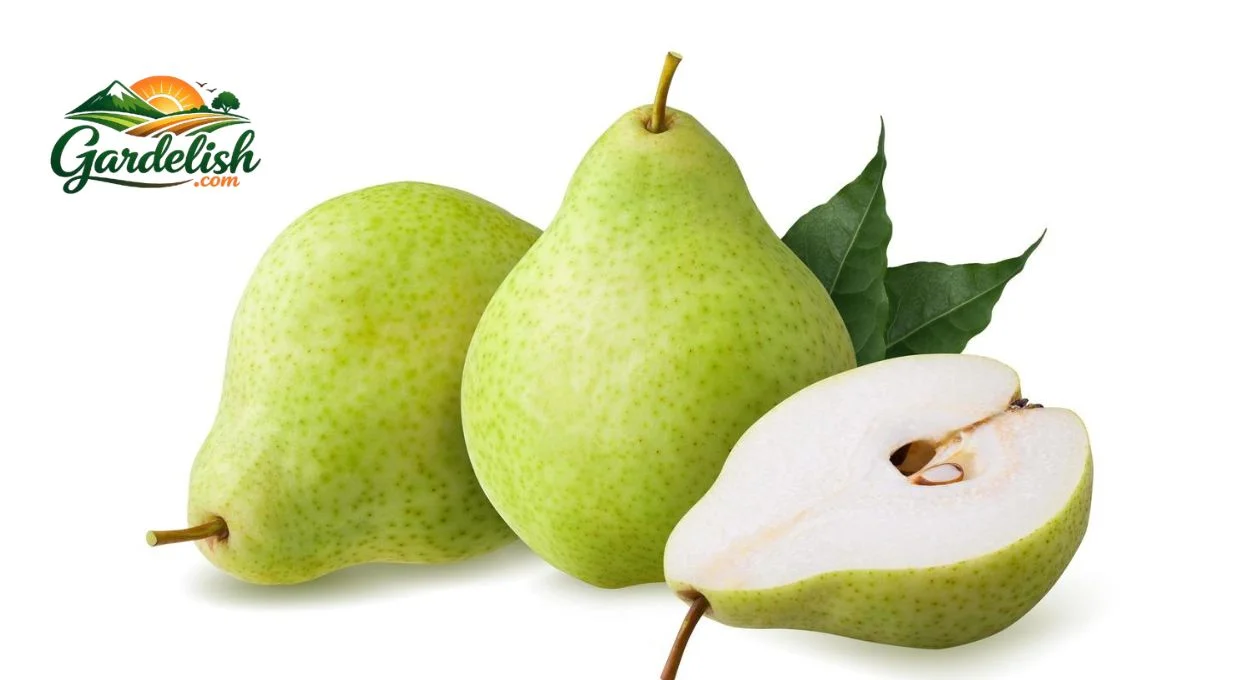
Pear-shaped tomatoes are also popular among home gardeners. Varieties such as Yellow Pear Tomato and Red Pear Tomato produce small, sweet fruits with a narrow neck and rounded bottom. These are excellent for salads, snacking, and colorful garden beds.
Figs can also appear pear-shaped, especially varieties with a swollen base and short stem neck. Common fig varieties such as Brown Turkey and Kadota may show this form depending on climate and ripeness.
Avocados are another well-known pear shaped fruit. Hass avocados are usually oval, but varieties such as Fuerte, Bacon, and some green-skin types can develop a more noticeable pear form. In warm climates, avocado trees can be grown outdoors in USDA zones 9–11.
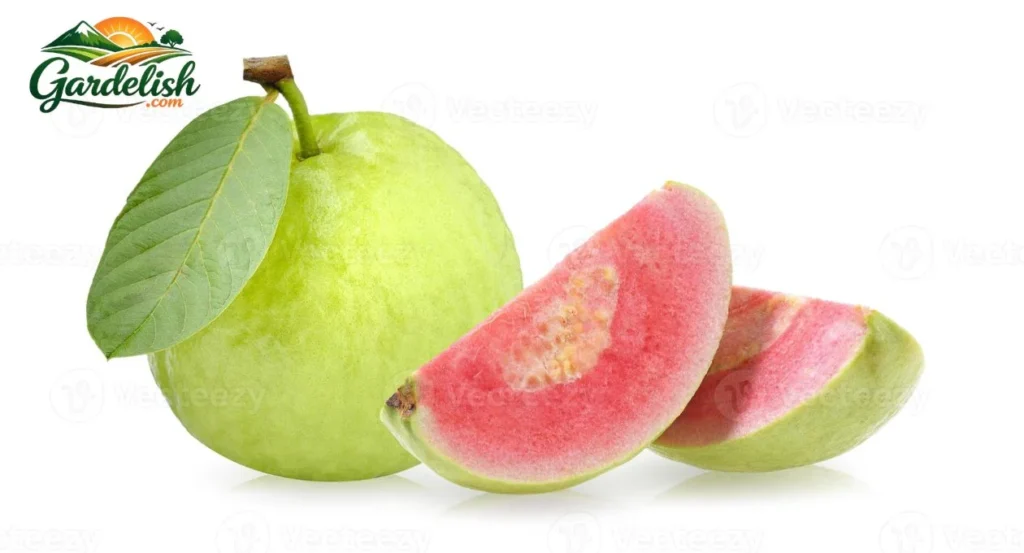
Guavas, especially tropical guava varieties, may appear rounded, oval, or pear-shaped. They grow best in frost-free regions but can be managed in containers in cooler climates if protected indoors during winter.
Some gourds, pumpkins, and winter squash also develop pear-shaped bodies. Butternut squash is a clear example, with a narrow neck and bulbous seed cavity at the base. Although botanically considered a fruit, gardeners usually treat it as a vegetable crop.
Why Some Fruits Grow in a Pear Shape
Fruit shape begins with the flower. After pollination, the ovary of the flower begins to swell and develop into fruit. The final form depends on the plant’s genetics, the arrangement of seeds inside the fruit, and the conditions during early growth.
Genetics is the strongest factor. A Yellow Pear tomato will not become round like a cherry tomato because its variety is naturally shaped by its genetic traits. The same applies to Bosc pears and butternut squash.
Pollination also plays an important role. In pears, apples, cucumbers, and squash, poor pollination may cause uneven fruit development. If only part of the flower is properly fertilized, one section may swell while another remains narrow. This can create a distorted pear-like shape.
Water and temperature can also influence fruit form. When plants go through dry spells followed by heavy watering, fruit may expand unevenly. Heat stress can reduce pollen quality, especially in tomatoes and squash, leading to misshapen or tapered fruit.
Soil fertility matters too. Plants short on potassium, calcium, or balanced organic matter may struggle to develop fruit evenly. Overfeeding with nitrogen can also create lush leaves but weaker fruiting performance.
Best Growing Conditions for Pear Shaped Fruits
The best conditions depend on the plant, but most fruiting crops need good sunlight, steady moisture, fertile soil, and strong pollination support.
Most pear shaped fruits grow best in full sun. Tomatoes, squash, pears, figs, guavas, and avocados all need plenty of light for flowering, fruit set, and sugar development. A minimum of 6 hours of direct sunlight is useful, while 8 hours is better for heavy-fruiting plants.
Soil should be well-draining but moisture-retentive. Sandy soil dries too fast unless improved with compost. Heavy clay soil may hold too much water and restrict roots. A loamy soil with organic matter is ideal for most garden fruiting plants.
For container gardening, use a high-quality potting mix instead of garden soil. Pear-shaped tomatoes, dwarf figs, patio avocados, and young guavas can all be grown in pots when the container is large enough and has drainage holes.
Consistent watering is especially important during fruit development. Irregular moisture can cause splitting, blossom end rot, bitter fruit, or uneven growth. Mulching with straw, shredded leaves, compost, or bark helps keep soil moisture stable and protects shallow roots from heat.
Pear Shaped Tomatoes: A Favorite for Home Gardens
Pear-shaped tomatoes are among the easiest and most charming fruits to grow in a home garden. Yellow Pear Tomato is especially popular because it produces clusters of small, mild, sweet tomatoes over a long season.
These tomatoes are usually indeterminate, meaning the vines keep growing and producing until frost or severe heat stops them. They need staking, caging, or trellising to keep the plants upright and prevent fruit from touching the soil.
Plant pear tomatoes after the danger of frost has passed and the soil has warmed. They prefer fertile, well-drained soil with compost worked into the planting area. A tomato cage or vertical support should be added early, before the plant becomes heavy.
Water deeply at the base rather than sprinkling the leaves. Wet foliage can encourage fungal diseases such as early blight, septoria leaf spot, and powdery mildew. A layer of mulch around the plant helps reduce soil splash and keeps roots evenly moist.
Pear tomatoes are ready to harvest when they reach full color and feel slightly firm but not hard. Pick regularly to encourage more flowering and fruit production.
Growing Pears: The Classic Pear Shaped Fruit
Pears are long-lived orchard trees that reward patient gardeners. European pears such as Bartlett, Bosc, Comice, and Anjou grow best in temperate climates with a winter chilling period. Depending on variety, many pear trees perform well in USDA hardiness zones 4–8.
Most pear trees need cross-pollination. That means you usually need two compatible pear varieties blooming at the same time. Some varieties are partly self-fertile, but fruit production is often better when another pear tree is nearby.
Plant pear trees in full sun and well-drained soil. Avoid low spots where cold air settles, as late spring frost can damage blossoms. Young trees need regular watering during establishment, especially during dry summers.
Pruning is important for tree health and fruit quality. Pear trees are often trained with a central leader structure, where one main trunk supports well-spaced side branches. Remove dead, crossing, or crowded branches during dormancy.
Thin young fruit when clusters are heavy. Leaving too many pears on the tree can reduce fruit size and strain branches. Thinning also improves airflow and helps the remaining fruit develop better flavor.
Pears are usually harvested before they fully ripen on the tree. Many European pears ripen best indoors after picking. If left too long on the tree, they can become gritty or soft at the core.
Soil, Fertilizer, and Watering Tips
Healthy fruit starts with healthy soil. Whether you are growing pear tomatoes, fruit trees, figs, or squash, soil improvement is one of the best long-term investments in the garden.
Compost is the most useful amendment for most gardeners. It improves drainage in clay soil, increases moisture retention in sandy soil, and supports beneficial soil microbes. Add compost before planting annual crops and use it as a light topdressing around established perennials.
For tomatoes and squash, use a balanced organic fertilizer at planting, then switch to a fruiting fertilizer once flowers appear. Too much nitrogen can produce leafy plants with fewer fruits.
For pear trees, avoid heavy fertilizing unless growth is weak. A mature pear tree with healthy annual shoot growth may not need much fertilizer. Overfeeding can make trees more attractive to pests and delay fruit production.
Calcium is important for fruit structure, especially in tomatoes and peppers. Blossom end rot is often linked to inconsistent watering that prevents calcium from moving properly through the plant. Keeping soil moisture steady is usually more effective than simply adding calcium.
Water deeply and less frequently rather than giving shallow daily sprinkles. Deep watering encourages stronger roots. Drip irrigation or soaker hoses are useful because they deliver water directly to the root zone without wetting leaves.
Pollination and Fruit Shape: What Gardeners Should Know
Pollination has a direct effect on fruit size, shape, and quality. In many plants, every seed inside the fruit comes from successful fertilization. The better the pollination, the more evenly the fruit develops.
Pear trees depend heavily on bees and other pollinators. If spring weather is cold, rainy, or windy during bloom, bees may be less active. This can reduce fruit set or cause misshapen fruit.
Squash and cucumbers are also sensitive to pollination problems. A squash that starts to swell at one end but remains narrow or shriveled at the other often did not receive complete pollination.
Tomatoes are self-pollinating, but they still need movement to release pollen inside the flower. Wind, buzzing insects, or gentle tapping of the plant can help. In greenhouses or still indoor spaces, poor air movement can reduce fruit set.
To support pollinators, plant flowers near fruiting crops. Calendula, borage, lavender, dill, basil, marigolds, alyssum, and native wildflowers can attract bees, hoverflies, and beneficial insects. Avoid spraying insecticides during bloom, especially when pollinators are active.
A garden with strong pollinator activity usually has better fruit shape, higher yield, and healthier biodiversity.
Common Problems with Pear Shaped Fruits
Not every pear-like fruit shape is a problem. However, sudden changes in fruit shape may point to stress.
Misshapen fruit often comes from poor pollination. This is common during cold springs, extreme heat, heavy rain, or when pollinator numbers are low. If the fruit is otherwise healthy, it is usually still edible.
Cracking can happen when dry soil is followed by heavy watering or rain. Tomatoes are especially prone to this. Mulch and consistent irrigation help reduce the problem.
Blossom end rot appears as a dark, sunken patch at the bottom of tomatoes, peppers, and squash. It is usually related to moisture stress and calcium movement inside the plant.
Fungal diseases can affect leaves and fruit, especially in humid climates. Good spacing, pruning for airflow, crop rotation, and watering at soil level all reduce disease pressure.
Pests vary by crop. Pear trees may face codling moth, aphids, pear psylla, and scale insects. Tomatoes may attract hornworms, whiteflies, and aphids. Squash plants may suffer from squash bugs, vine borers, and cucumber beetles.
Organic pest control starts with observation. Check the undersides of leaves, remove damaged fruit, encourage beneficial insects, and use row covers early in the season where appropriate.
Harvesting and Using Pear Shaped Fruits
Harvest timing depends on the fruit type. Pears, tomatoes, figs, avocados, and squash all ripen differently.
Pear tomatoes should be picked when fully colored and slightly firm. If they are left too long, they may split or become overly soft. Regular picking keeps the plant productive.
Pears are usually harvested mature but firm. Lift the pear gently; if it separates easily from the branch, it is often ready. Let it ripen at room temperature until the neck softens slightly under gentle pressure.
Figs should be picked when soft, drooping, and fully colored. Unlike pears, figs do not continue ripening well after harvest. Pick them when they are ready to eat.
Avocados mature on the tree but ripen after picking. A mature avocado will soften indoors over several days. Ripening time depends on variety and temperature.
Butternut squash and other pear-shaped winter squash are harvested when the skin hardens and the stem begins to dry. Cure them in a warm, dry place before storage.
In the kitchen, pear shaped fruits offer plenty of variety. Pears work in fresh salads, desserts, preserves, and baked dishes. Pear tomatoes are excellent in salads and sauces. Figs pair well with cheese, honey, and herbs. Butternut squash is ideal for soups, roasting, and winter meals.
Can You Grow Pear Shaped Fruits in Containers?
Yes, several pear shaped fruits can grow well in containers if you choose the right varieties and provide enough space. Pear tomatoes are the easiest option for beginners. They grow quickly, produce heavily, and adapt well to large pots.
Use a container that holds at least 5 gallons for tomatoes, though larger is better. Add a sturdy cage or trellis, because pear tomato plants can become tall and sprawling.
Dwarf figs are also good container plants. They need a large pot, full sun, and winter protection in colder climates. In USDA zones below their outdoor range, container figs can be moved into a garage, greenhouse, or sheltered area during dormancy.
Dwarf or patio avocado trees can be grown in containers in warm climates or indoors near a bright window, but fruiting indoors is difficult. They need excellent drainage, warmth, and strong light.
Container pear trees are possible when grown on dwarf rootstock, but they require careful watering, winter chill, pruning, and a compatible pollination partner. They are more demanding than tomatoes or figs.
Container plants dry out faster than plants in the ground. Check moisture often during hot weather, and feed lightly but regularly during active growth.
Best Beginner Tips for Growing Healthy Pear Shaped Fruits
Start with a fruit that suits your climate. A pear tree is a long-term investment for cool and temperate gardens. Pear tomatoes are better for beginners who want quick results in one season. Figs and guavas suit warmer regions. Butternut squash needs space and a long growing season.
Choose disease-resistant varieties when possible. This makes gardening easier, especially in humid areas where fungal problems spread quickly.
Give plants enough room. Crowded plants may look productive early on, but poor airflow increases disease risk and reduces fruit quality.
Mulch after the soil warms. Mulch keeps moisture steady, reduces weeds, and protects soil life. For vegetable beds, straw, shredded leaves, or compost are practical choices.
Water at the roots, not over the leaves. This one habit prevents many common garden problems.
Watch flowers closely. If plants flower but do not set fruit, pollination may be the issue. Add pollinator-friendly flowers nearby, avoid unnecessary pesticide use, and hand-pollinate squash if needed.
Keep records. Note planting dates, varieties, harvest times, pest problems, and weather patterns. Over time, these notes become one of the most useful tools in your garden.
Conclusion:
Pear shaped fruits bring character, flavor, and variety to the garden. Some, like pears and Yellow Pear tomatoes, are naturally shaped that way. Others may develop a pear-like form because of pollination, watering patterns, or growing stress.
For gardeners, the shape is a useful clue. It can help you understand the variety you are growing, the health of your soil, the activity of pollinators, and the consistency of your care. With full sun, steady watering, fertile soil, good airflow, and pollinator support, most pear shaped fruits can grow beautifully in home gardens.
Whether you plant a pear tree, a container of pear tomatoes, a dwarf fig, or a row of butternut squash, these fruits add both visual charm and practical harvest value to the garden.
FAQs
What are pear shaped fruits?
Pear shaped fruits are fruits that have a wider, rounded base and a narrower neck near the stem. Pears are the most common example, but some tomatoes, figs, avocados, guavas, and squash can also grow in a pear-like shape.
Which fruits naturally grow in a pear shape?
Common pear shaped fruits include European pears, Yellow Pear tomatoes, Red Pear tomatoes, some figs, avocados, guavas, and butternut squash. The exact shape depends on the variety, growing conditions, and pollination.
Why do some fruits become pear-shaped?
Some fruits are naturally pear-shaped because of genetics. Others may develop an uneven pear-like shape because of poor pollination, inconsistent watering, heat stress, or uneven seed development inside the fruit.
Are misshapen pear shaped fruits safe to eat?
Yes, most misshapen fruits are safe to eat as long as they are not moldy, rotten, diseased, or badly damaged by pests. Shape alone does not mean the fruit is unsafe.
Can pear shaped fruits grow in containers?
Yes, several pear shaped fruits can grow in containers. Pear tomatoes are especially easy to grow in pots. Dwarf figs, patio avocados, and some compact fruit trees can also grow in containers with enough sunlight, drainage, and regular watering.
Okra Shortage: Why It Happens and How Gardeners Can Grow Through It