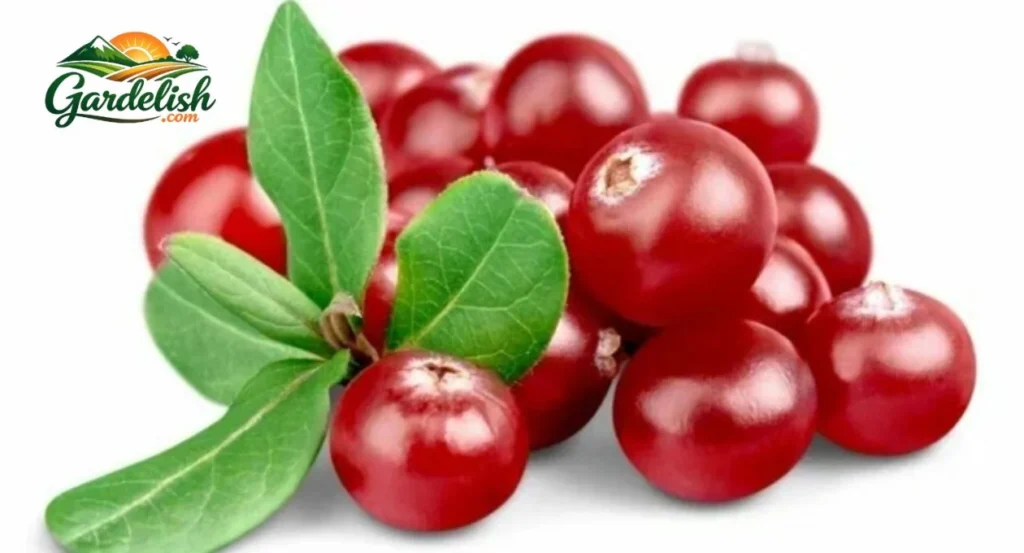
A cranberry shortage usually happens when weather stress, lower harvest yields, pest pressure, disease, water problems, or strong seasonal demand reduce the amount of cranberries available in stores. It does not always mean cranberries are completely unavailable. More often, shoppers notice higher prices, smaller fresh cranberry displays, or limited stock during the holiday season.
For gardeners, this topic is useful because cranberries are highly dependent on soil acidity, water balance, temperature, and harvest timing. When growing conditions become unstable, both commercial growers and home gardeners can see weaker fruit production.
Recent USDA outlook data also shows why the topic matters. The U.S. cranberry crop for 2025 was forecast at 8.13 million barrels, down 9% from 2024, with Massachusetts expected to fall 22% from the previous year because of dry growing conditions.
What Causes a Cranberry Shortage?
A cranberry shortage usually comes from several problems happening at the same time. Cranberries are not a simple crop. They need acidic soil, steady moisture, cool seasonal conditions, healthy vines, and careful harvest management.
The most common causes include:
- late spring frost
- drought during berry development
- excessive rain and poor drainage
- fungal disease and fruit rot
- pest damage
- weak pollination
- labor or harvest delays
- strong demand during Thanksgiving and Christmas
Because cranberries are strongly connected with autumn and winter meals, even a moderate harvest decline can feel more noticeable in stores.
Weather Is the Biggest Reason Cranberry Supply Drops
Weather is usually the main reason behind cranberry supply problems. Cranberry vines flower in spring and develop fruit through summer. If a late frost damages the flowers, fewer berries form. If drought arrives during fruit development, berries may stay small, ripen poorly, or fall before harvest.
Too much rain can also cause trouble. Cranberries need moisture, but wet and humid conditions can increase fungal diseases. This is why cranberry growers carefully manage irrigation, drainage, and airflow around the vines.
For home gardeners, the lesson is simple: cranberries need consistent moisture, but they do not grow well in stale, waterlogged soil.
Climate Stress Is Making Cranberry Growing Less Predictable
Cranberries are cool-climate fruiting vines. They perform best when winters are cold enough for dormancy and summers are not extremely stressful. Warmer winters, sudden spring frosts, drought periods, and unusual rainfall can disturb the normal growing cycle.

According to USDA data, Wisconsin remains the top cranberry-producing state, while Massachusetts, Oregon, and New Jersey can be more affected by drought and regional weather stress in certain years.
For gardeners, climate stress means cranberry plants may need:
- better mulch protection
- more careful watering
- protection from heat waves
- soil moisture monitoring
- improved drainage
- regular plant health checks
Pests and Diseases Can Reduce the Harvest
A cranberry shortage can also happen when pests or diseases damage the crop. Commercial growers monitor cranberry beds closely because problems can spread quickly across dense vines.
Common cranberry problems include:
- cranberry fruitworm
- leaf spot
- fruit rot
- fungal infections
- weak vines from poor soil conditions
Home gardeners should inspect plants often during warm and humid weather. Remove diseased leaves, avoid overhead watering when possible, and keep weeds under control.
Organic prevention is often better than late treatment. Healthy acidic soil, good airflow, clean beds, and balanced watering can reduce many common problems.
Why Cranberry Prices Rise During a Shortage
When supply drops but demand stays high, cranberry prices can rise. This is especially common near Thanksgiving, Christmas, and winter baking season, when more people buy fresh, frozen, dried, or processed cranberries.
A smaller harvest can affect:
- fresh cranberry bags
- frozen cranberries
- cranberry juice
- dried cranberries
- cranberry sauce
- bakery and holiday food products
Fresh cranberries are seasonal, so shortage pressure is usually strongest during peak autumn and winter demand.
Does a Cranberry Shortage Affect Home Gardeners?
Yes, but not in the same way it affects shoppers. Home gardeners may notice higher plant prices, fewer cranberry starter plants, or more interest in growing fruit at home.
A shortage can also make gardeners think more seriously about food security and growing fruit crops that store well. Cranberries are useful because they can be frozen, dried, cooked into sauces, or used in winter recipes.
However, cranberries are not the easiest beginner fruit. They need acidic soil, full sun, steady moisture, and patience.
Can You Grow Cranberries at Home?
Yes, cranberries can be grown at home if you can provide the right conditions. They usually grow best in cool climates and are often suited to USDA hardiness zones 2–7, depending on the variety.
Cranberry plants need:
- acidic soil with pH around 4.0–5.5
- full sun
- steady moisture
- good drainage
- organic matter
- weed control
Cranberries do not grow underwater all year. The flooded bog images people see are mostly related to commercial harvesting and winter protection.
Best Soil and Watering Tips for Cranberries
Soil is the most important part of cranberry growing. Regular garden soil is often too alkaline. Cranberries prefer acidic, loose, moisture-retentive soil.
A good cranberry bed may include peat moss, sand, and acidic organic matter.
Helpful tips:
- Test soil pH before planting.
- Avoid lime near cranberry beds.
- Use pine needles or acidic mulch.
- Keep soil moist but not soggy.
- Improve drainage if water sits too long.
- Use drip irrigation or gentle watering.
If your soil is naturally alkaline, a raised bed or large container is usually easier than planting directly in the ground.
How Gardeners Can Protect Cranberries From Poor Harvests
Home gardeners cannot control the weather, but they can reduce plant stress.
To improve cranberry production:
- Plant in full sun.
- Keep soil acidic.
- Water consistently.
- Mulch before hot weather.
- Remove weeds early.
- Check for pests weekly.
- Protect flowers from late frost.
- Avoid too much nitrogen fertilizer.
- Improve drainage around the bed.
Cranberries may take two to three years to produce a strong harvest, so they are better for patient gardeners than quick results.
Are Cranberries Still Worth Growing?
Yes, cranberries are worth growing if you enjoy small fruit gardening and can provide the right conditions. They are attractive evergreen vines, useful in edible landscaping, and productive once established.
They are best for gardeners who enjoy careful plant care. If you want an easier acid-loving berry crop, blueberries may be a better first choice. But if you enjoy unique fruit plants, cranberries can be a rewarding addition to the garden.
FAQs
Why is there a cranberry shortage?
A cranberry shortage usually happens because of poor weather, frost damage, drought, pest pressure, disease, lower harvest yields, or strong seasonal demand.
Are cranberries hard to grow at home?
Cranberries are not the easiest fruit, but they can grow well if you provide acidic soil, full sun, steady moisture, and good weed control.
Do cranberries grow in water?
No. Cranberries grow in soil. Commercial fields are often flooded for harvesting and winter protection, not because the plants grow underwater all year.
What soil do cranberries need?
Cranberries need acidic soil with a pH around 4.0–5.5. They also need organic matter, moisture retention, and good drainage.
Will cranberry prices stay high?
Prices depend on crop size, weather, demand, storage supply, and harvest conditions. If the next harvest is stronger, prices may become more stable.
Conclusion
A cranberry shortage is usually caused by a mix of weather problems, climate stress, disease, pest pressure, harvest challenges, and strong seasonal demand. For shoppers, this can mean higher prices or limited availability. For gardeners, it is a reminder that cranberries depend on healthy acidic soil, steady moisture, and balanced growing conditions.
Growing cranberries at home will not solve a national supply issue, but it can give gardeners more control over their own seasonal harvest. With full sun, acidic soil, careful watering, and patient care, cranberries can become a useful and interesting fruit crop in the home garden.
Apricot Shortage: Why Apricots Are Scarce and How Gardeners Can Grow a Better Harvest