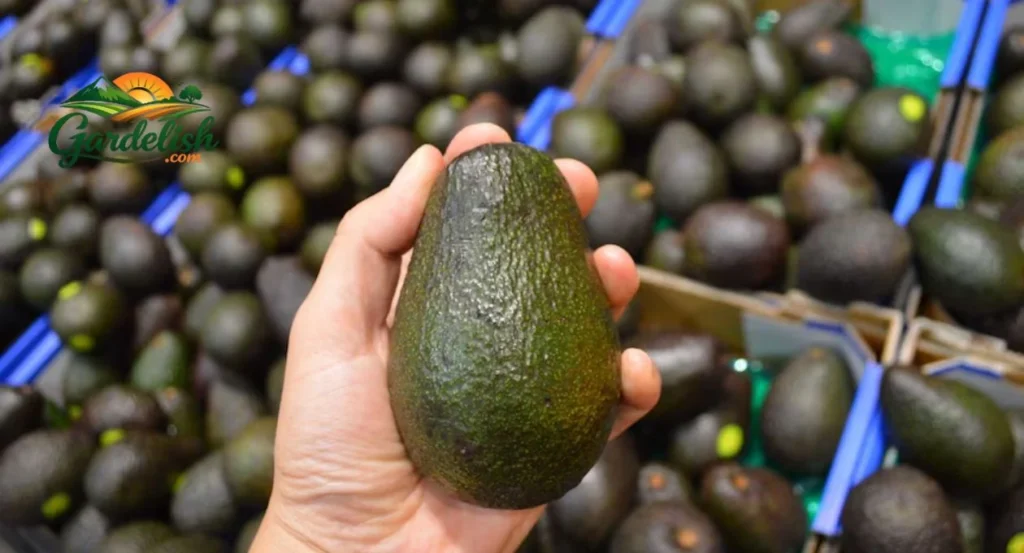
Avocados have become a staple in kitchens around the world, but in recent years, consumers and gardeners alike have noticed periodic supply disruptions, rising prices, and empty grocery store displays. An avocado shortage is usually caused by a combination of weather extremes, disease pressure, transportation challenges, and increasing global demand. While home gardeners cannot solve commercial supply issues, growing avocado trees successfully can help reduce dependence on market fluctuations and provide a rewarding long-term harvest.
For gardeners, understanding why shortages happen also offers valuable insights into avocado cultivation, tree health, climate requirements, and sustainable fruit production.
Understanding the Causes of an Avocado Shortage
An avocado shortage rarely results from a single factor. Most supply problems stem from several interconnected challenges affecting commercial orchards.
Extreme Weather Events
Avocado trees are sensitive to environmental stress. Prolonged drought, excessive rainfall, heat waves, and unexpected frosts can significantly reduce yields.
Many major avocado-producing regions experience periodic weather-related setbacks. Extended drought conditions can reduce fruit size and production, while excessive moisture may increase root diseases and fruit drop.
Increasing Global Demand
Avocados have gained popularity because of their culinary versatility and nutritional value. Demand continues to grow faster than production in many regions.
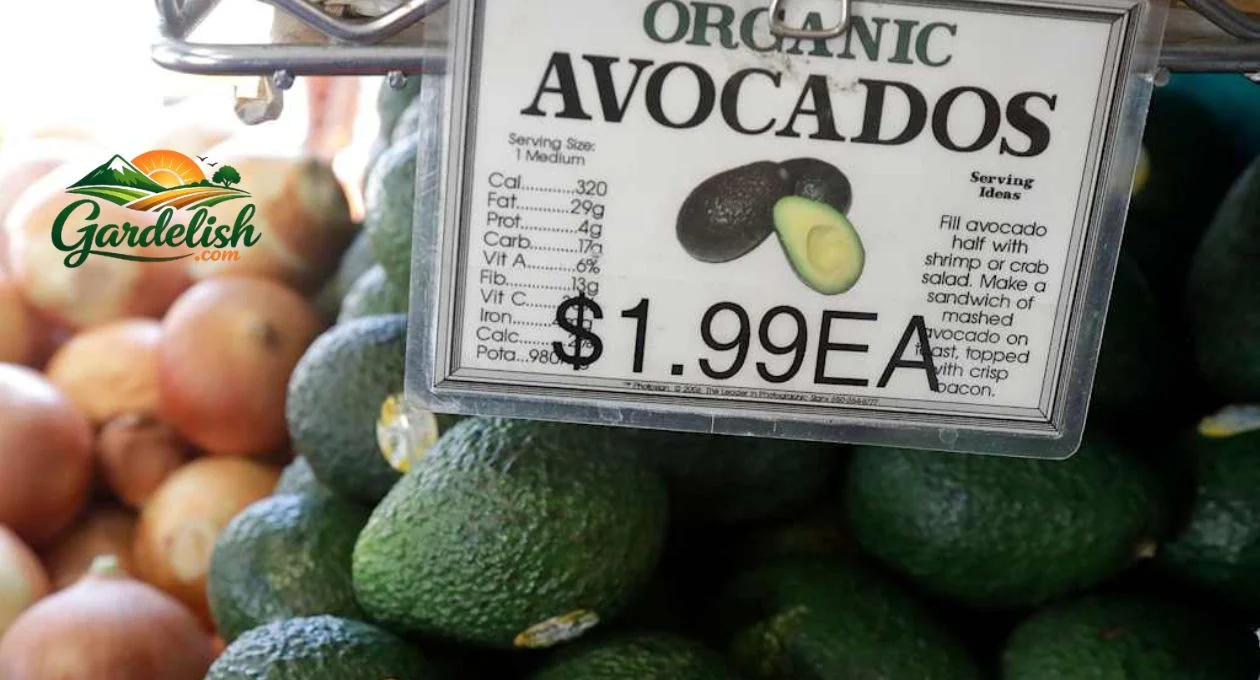
When harvest volumes remain stable but consumer demand rises sharply, shortages and price increases often follow.
Pest and Disease Pressure
Commercial orchards face ongoing challenges from pests and diseases that affect tree vigor and fruit quality.
Common issues include:
- Root rot caused by Phytophthora cinnamomi
- Scale insects
- Mites
- Thrips
- Fungal infections during wet seasons
These problems can reduce harvest volumes and contribute to supply shortages.
Transportation and Supply Chain Challenges
Fresh avocados require careful handling from orchard to market. Labor shortages, shipping delays, fuel costs, and trade disruptions can all affect availability.
Even when orchards produce healthy crops, logistical issues may create temporary shortages in certain regions.
How Avocado Trees Grow and Produce Fruit
Understanding avocado production helps gardeners appreciate why supply shortages can occur.
The avocado tree (Persea americana) is a subtropical evergreen native to Central America. Mature trees can reach 20 to 40 feet tall, depending on the variety and growing conditions.
Unlike many fruit crops, avocados often require several years before producing meaningful harvests.
Typical timelines include:
- Grafted trees: 3–5 years to fruit
- Seed-grown trees: 7–15 years or more
- Peak production: Often after 8–10 years
Because new orchards take years to become productive, growers cannot quickly increase supply during periods of high demand.
Can Home Gardeners Help Reduce Dependence on Market Shortages?
The answer is yes—if you live in a suitable climate and have patience.
Growing your own avocado tree won’t eliminate global shortages, but it can provide a reliable source of fresh fruit over time.
Home-grown avocados offer several benefits:
- Fresh harvests at peak ripeness
- Reduced dependence on fluctuating prices
- Greater control over growing practices
- Long-term food production from a single tree
For gardeners in warm climates, planting an avocado tree can be a worthwhile investment.
Best Growing Conditions for Avocado Trees
Successful avocado cultivation starts with proper site selection.
Climate Requirements
Avocados perform best in USDA Hardiness Zones 9–11.
Ideal growing conditions include:
- Mild winters
- Frost-free locations
- Temperatures between 60°F and 85°F
- Good air circulation
- Protection from strong winds
Gardeners in colder regions often grow dwarf varieties in large containers that can be moved indoors during winter.
Sunlight Needs
Avocado trees require full sun for maximum growth and fruit production.
Provide:
- At least 6–8 hours of direct sunlight daily
- Open planting locations
- Minimal competition from large shade trees
Insufficient sunlight often leads to poor flowering and reduced fruit set.
Soil Requirements
Healthy roots are critical for avocado production.
Ideal soil conditions include:
- Well-drained sandy loam
- Slightly acidic to neutral pH (6.0–7.0)
- High organic matter content
- Good drainage
Heavy clay soils frequently contribute to root diseases and declining tree health.
Gardeners dealing with compacted soils may benefit from learning more about soil improvement techniques, raised beds, and organic composting methods.
How Drought Contributes to Avocado Supply Problems
Water availability is one of the most significant factors affecting avocado production.
Commercial orchards require consistent moisture throughout the growing season. During drought periods, growers often face difficult decisions about irrigation allocation.
Water stress can cause:
- Smaller fruit size
- Reduced flowering
- Premature fruit drop
- Slower tree growth
- Lower overall yields
Home gardeners can minimize drought stress by applying organic mulch around the root zone and using efficient drip irrigation systems.
A 2–4 inch layer of mulch helps conserve moisture while improving soil structure over time.
Choosing the Right Avocado Variety for Home Gardens
Different avocado cultivars perform better in specific climates.
Hass Avocado
The Hass avocado is the most widely grown variety worldwide.
Advantages include:
- Excellent flavor
- Reliable productivity
- Good storage quality
Many commercial shortages directly affect Hass avocados because of their market dominance.
Fuerte Avocado
Fuerte avocado is known for:
- Smooth, creamy texture
- Cold tolerance
- Consistent production in mild climates
Reed Avocado
Reed avocado produces:
- Large round fruits
- Rich flavor
- Excellent backyard performance
Selecting locally adapted varieties often improves long-term success.
Pollination and Fruit Set: A Common Garden Challenge
Many gardeners are surprised to learn that avocado flowers have a unique pollination system.
Avocados are generally categorized as:
Type A Flowering Varieties
Examples include:
- Hass
- Pinkerton
- Gwen
Type B Flowering Varieties
Examples include:
- Fuerte
- Bacon
- Zutano
Planting both flowering types nearby may improve pollination and increase fruit production, although many backyard trees still produce well on their own.
Pollinator-friendly gardening practices can also encourage beneficial insect activity.
Common Problems That Reduce Avocado Production
Many of the same challenges affecting commercial orchards can impact backyard growers.
Root Rot
Root rot remains one of the most serious avocado diseases.
Symptoms include:
- Yellowing leaves
- Branch dieback
- Poor growth
- Sudden decline
Prevention focuses on excellent drainage and avoiding overwatering.
Sunburn
Young trees are vulnerable to trunk and branch sunburn.
Protect trees with:
- White tree guards
- Diluted white interior latex paint
- Strategic canopy management
Nutrient Deficiencies
Avocados commonly show deficiencies in:
- Nitrogen
- Zinc
- Iron
Regular soil testing provides the most reliable guide for fertilizer applications.
Fruit Drop
Some fruit drop is normal.
Excessive fruit loss may result from:
- Water stress
- Heat stress
- Poor pollination
- Nutrient imbalance
Maintaining consistent growing conditions helps minimize losses.
Container-Grown Avocados: An Alternative During Supply Concerns
Not everyone has space for a full-sized orchard tree.
Fortunately, dwarf avocado varieties perform surprisingly well in containers.
For container success:
- Use pots at least 20–25 gallons
- Choose high-quality potting mixes
- Ensure excellent drainage
- Water deeply but infrequently
- Fertilize during active growth
Container-grown avocados may not produce commercial-scale harvests, but they can provide fresh fruit for home use.
Indoor gardeners often combine avocado cultivation with other edible container crops such as citrus, herbs, and dwarf fruit trees.
Sustainable Gardening Lessons from the Avocado Shortage
The avocado shortage highlights broader gardening and food-production principles.
Diversification improves resilience.
Rather than relying on a single crop, experienced gardeners often grow:
- Citrus
- Figs
- Pomegranates
- Stone fruits
- Berry plants
- Herbs and vegetables
Diverse home gardens are better equipped to withstand climate variability, pest outbreaks, and market fluctuations.
The situation also reinforces the importance of:
- Water conservation
- Organic mulching
- Healthy soil management
- Integrated pest management
- Climate-adapted plant selection
These practices support both backyard gardening and larger agricultural systems.
What to Expect in the Future
Avocado demand is expected to remain strong, and periodic shortages may continue when production struggles to keep pace.
Climate change, drought frequency, and increasing global consumption will likely influence future supply patterns.
For gardeners interested in long-term food production, planting avocado trees today can be a practical response to future market uncertainty.
While avocado trees require patience, proper care often rewards growers with decades of harvests.
Conclusion
An avocado shortage is typically driven by weather extremes, water limitations, disease pressure, supply chain disruptions, and growing consumer demand. For gardeners, these shortages highlight the importance of sustainable growing practices, healthy soil, efficient irrigation, and climate-appropriate plant selection. Whether you grow a full-sized backyard tree or a dwarf avocado in a container, cultivating your own fruit can provide greater resilience and a deeper appreciation for the challenges involved in avocado production.
Frequently Asked Questions
1. Why is there an avocado shortage?
Avocado shortages are usually caused by weather events, drought, disease outbreaks, transportation disruptions, and increased consumer demand.
2. Can I grow avocados at home to avoid high prices?
Yes. Gardeners in suitable climates can grow avocado trees at home, reducing dependence on fluctuating market availability and prices.
3. What climate is best for avocado trees?
Avocado trees grow best in USDA Zones 9–11, where winters are mild and frost is infrequent.
4. How long does it take an avocado tree to produce fruit?
Grafted trees generally begin producing fruit within 3–5 years, while seed-grown trees may take 7–15 years or longer.
5. What is the most common disease affecting avocado trees?
Root rot caused by Phytophthora cinnamomi is one of the most serious diseases affecting avocado production worldwide.
Cranberry Shortage: Why It Happens and What Gardeners Should Know