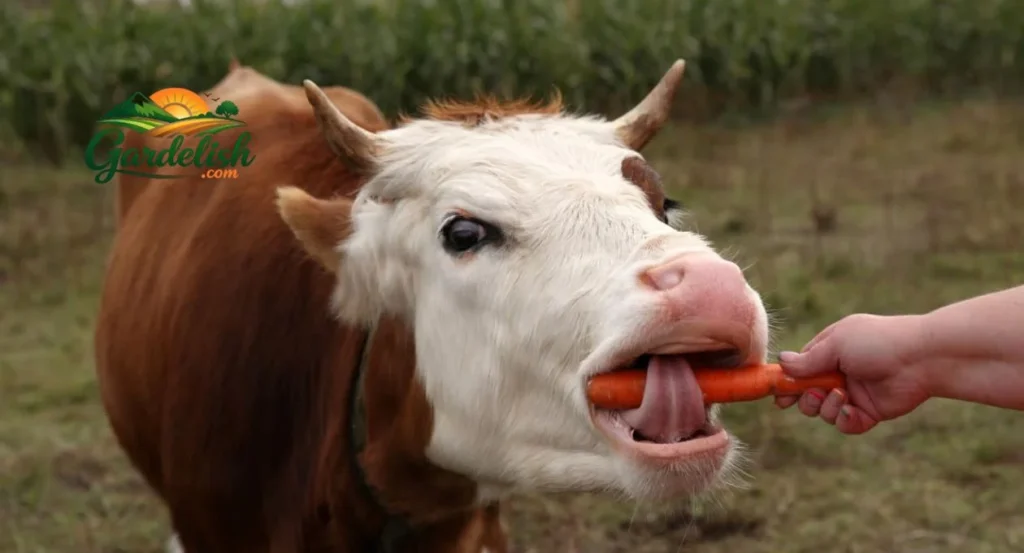
Yes, cows can eat carrots. Carrots are generally safe for cattle when they are clean, fresh, chopped into manageable pieces, and fed in moderation. They should be treated as a supplement or occasional treat, not as a replacement for grass, hay, silage, pasture, or a balanced cattle ration.
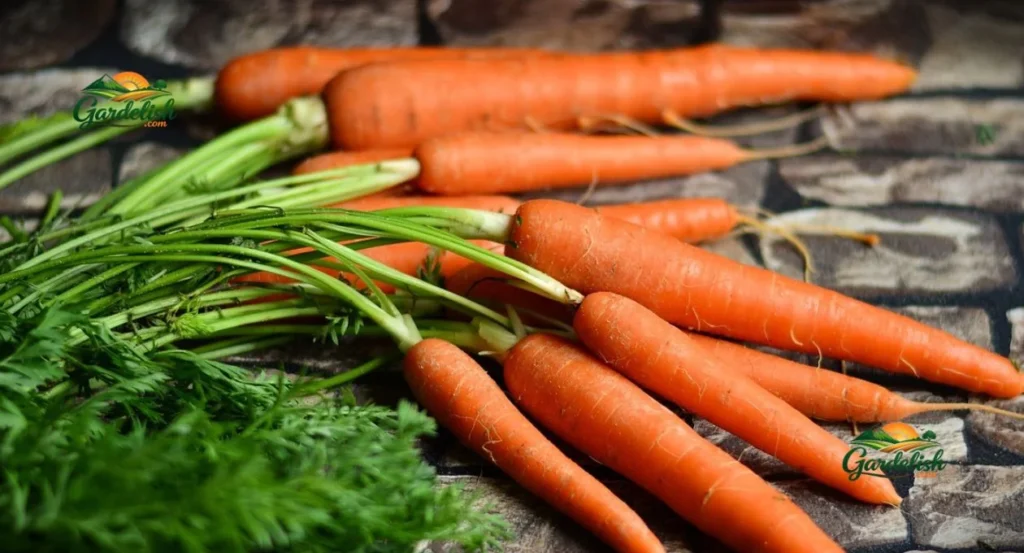
For homesteaders, small farmers, and backyard livestock keepers, carrots can be a useful way to add variety to a cow’s diet. They offer moisture, fiber, natural sugars, and beta-carotene, which the body can convert into vitamin A. The key is not whether cows can eat carrots, but how often, how much, and how they are prepared.
Can Cows Eat Carrots Safely?
Cows can safely eat carrots as part of a varied diet. Most healthy adult cattle will chew and digest carrots without trouble when the carrots are introduced slowly.
Carrots are not toxic to cows. They are also not rich enough in protein, minerals, or energy to replace a proper cattle diet. A cow’s main food should still come from forage such as pasture grass, hay, haylage, or silage, depending on the season and farming system.
Think of carrots in the same way a gardener might think of compost tea for plants: helpful in the right amount, but not the whole growing plan. They can support dietary variety, but they are not a complete feeding program.
Why Carrots Can Be a Good Treat for Cows
Carrots contain several useful nutrients. Their bright orange color comes from beta-carotene, a plant pigment linked with vitamin A activity. Vitamin A is important for normal growth, vision, immune function, and reproduction in cattle.
Carrots also provide fiber, which helps support normal digestion. Their high moisture content can make them appealing, especially when pasture is dry or stored feed feels less fresh.
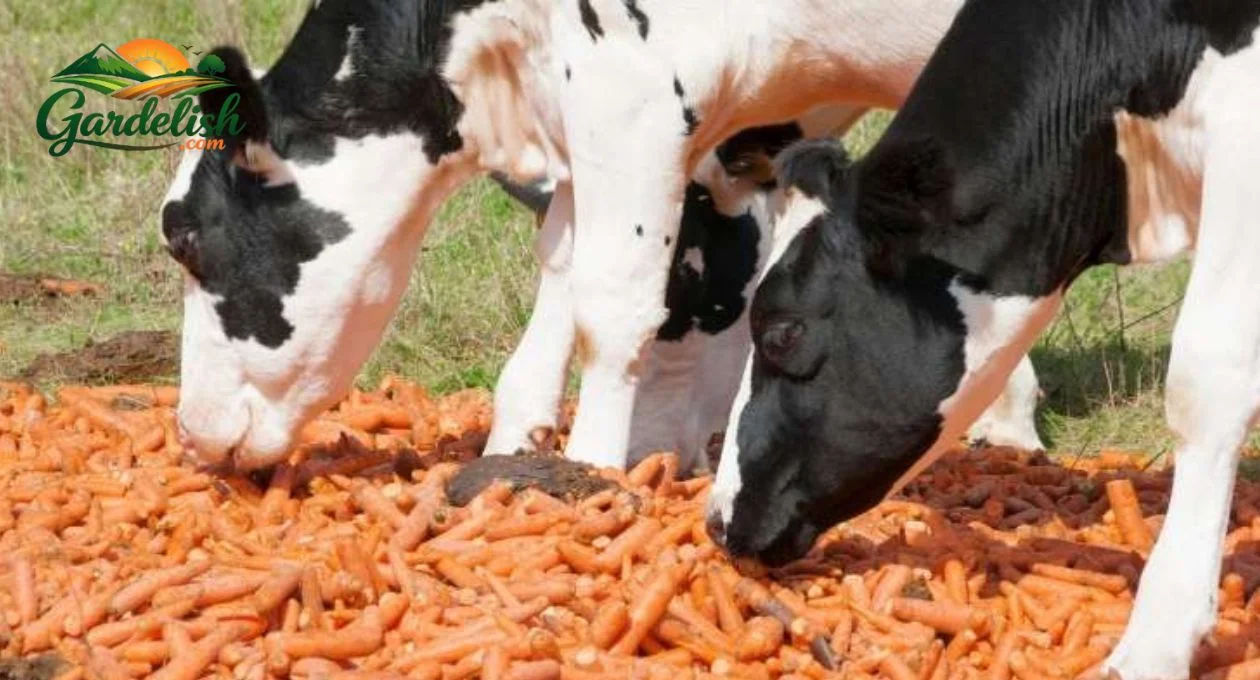
Another benefit is palatability. Many cows enjoy the sweet taste and crunchy texture of carrots. For a small herd, this can make carrots useful as a handling treat, a feed-mixing addition, or a way to reduce garden waste safely.
Nutritional Value of Carrots for Cattle
Carrots are mostly water, with smaller amounts of fiber, natural sugar, minerals, and vitamins. They are not a high-protein feed and should not be used as a major energy source.
Their main value comes from:
- Beta-carotene
- Moisture
- Digestible fiber
- Natural sugars
- Mild feed variety
In practical terms, carrots are better viewed as a fresh vegetable supplement than as a serious production feed. A dairy cow, beef cow, or growing calf still needs a proper ration built around forage, minerals, and enough energy and protein for its stage of life.
How to Feed Carrots to Cows Safely
Wash carrots before feeding them. Soil, pesticide residue, mold, or spoiled patches can create avoidable problems. If the carrots come from your garden, remove heavy dirt the same way you would before storing root crops.
Large carrots should be cut into smaller pieces. Whole carrots can be a choking risk, especially if a cow tries to swallow them quickly. Chopping, slicing, or mixing carrots into regular feed makes them easier and safer to eat.
Introduce carrots slowly. Start with a small amount and watch how the cow responds. A sudden large change in diet can disturb normal rumen activity, especially in cattle that are not used to fresh vegetables.
How Many Carrots Can Cows Eat?
There is no single perfect number for every cow because size, age, breed, production stage, and total diet all matter. As a simple rule, carrots should make up only a small part of the daily diet.
For most adult cows, a few chopped carrots as a treat is usually reasonable. Large buckets of carrots every day are not a good idea unless a livestock nutritionist has balanced them into the ration.
Too many carrots may add excess sugar and moisture, which can loosen manure or upset digestion. If you notice soft stool, reduced appetite, bloating, or unusual behavior, stop feeding carrots and review the diet.
Can Calves Eat Carrots?
Calves can eat carrots only after they have started eating solid feed properly. Very young calves should rely on milk or milk replacer first, then calf starter and suitable forage as they develop.
For older calves, carrots must be chopped very finely or grated. Calves are smaller, less experienced eaters, and more vulnerable to choking. Introduce carrots slowly and keep the portion small.
Never use carrots to replace a calf starter, milk feeding schedule, clean water, or good-quality forage.
Can Dairy Cows Eat Carrots?
Yes, dairy cows can eat carrots in moderation. Carrots may add variety and useful nutrients, but they will not magically increase milk production or transform milk quality.
Milk production depends on the whole ration: forage quality, energy balance, protein level, minerals, water intake, cow comfort, and health. Carrots can fit into that picture, but only as a small supporting feed.
For a family milk cow, chopped carrots can be a pleasant treat after milking or mixed into feed. For a commercial dairy herd, any larger feeding change should be discussed with a qualified nutritionist.
Can Cows Eat Carrot Tops?
Cows can eat carrot tops if they are fresh, clean, and free from mold or chemical contamination. The leafy tops contain fiber and plant nutrients, but they should still be fed in moderation.
Carrot greens are best used as part of a mixed fresh-feed treat rather than offered in large piles. As with garden weeds, vegetable trimmings, or cover crop leftovers, quality matters. Avoid wilted, slimy, moldy, or sprayed greens.
Risks of Feeding Carrots to Cows
The biggest risks are not from carrots themselves, but from poor feeding habits.
The main concerns include choking, overfeeding, spoiled produce, sudden diet change, and replacing essential forage. Cows need a stable rumen environment. Too much of any unfamiliar food can create digestive stress.
Avoid feeding rotten carrots. Moldy or decaying vegetables can cause health issues and should never be treated as “free feed.” If you would not compost it carefully or handle it safely in the garden, do not put it in the feed trough.
Also avoid feeding carrots with plastic bags, rubber bands, labels, or storage debris. These materials can be dangerous if swallowed.
Other Garden Vegetables Cows Can Eat
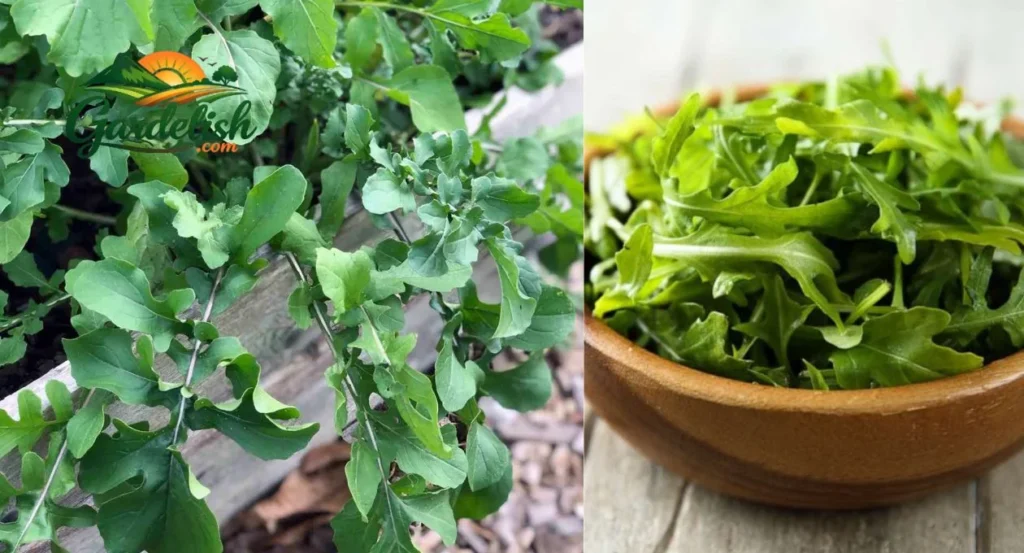
If you grow vegetables and keep cattle, you may have other safe leftovers from the garden. Cows can often eat small amounts of pumpkins, beets, turnips, squash, sweet potatoes, and some leafy greens.
The same rules apply: fresh, clean, chopped, and moderate.
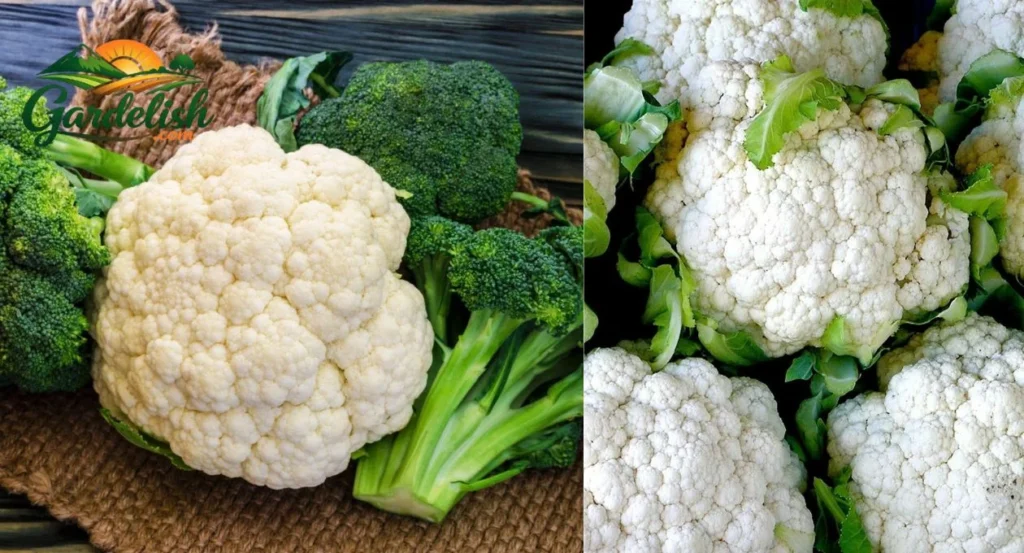
Avoid feeding unknown garden plants, toxic ornamentals, moldy produce, or large amounts of brassicas without guidance. Some crops can cause digestive problems when overfed. If you are using vegetable waste regularly, it is better to create a simple feeding plan rather than guessing.
Good related internal links for a gardening or homesteading site could include:
- How to compost vegetable scraps
- Best cover crops for small farms
- How to improve soil with organic matter
- Safe garden weeds for livestock
- Raised bed gardening for homesteaders
Final Thoughts on Can Cows Eat Carrots
Can cows eat carrots? Yes, they can. Carrots are a safe, nutritious, and enjoyable treat for cows when they are fresh, clean, chopped, and fed in sensible amounts.
They should not replace hay, pasture, silage, minerals, or a balanced ration. The safest approach is simple: introduce carrots slowly, feed small portions, avoid spoiled produce, and watch the cow’s digestion.
For gardeners and small farmers, carrots can be a practical way to use surplus harvests while giving cattle a healthy treat. Used wisely, they add variety without disturbing the foundation of good cattle nutrition.
FAQs
1. Can cows eat carrots every day?
Yes, cows can eat carrots daily in small amounts, but they should not become a major part of the diet. Carrots are best used as a treat alongside hay, grass, silage, or a balanced ration.
2. Can cows eat raw carrots?
Yes, raw carrots are safe for cows. Wash them well and cut large carrots into smaller pieces to reduce choking risk.
3. Can cows eat cooked carrots?
Cows can eat cooked carrots, but raw carrots are usually more practical. Avoid cooked carrots with salt, butter, oil, seasoning, or spoiled leftovers.
4. Can too many carrots hurt cows?
Yes, too many carrots can upset digestion because they add extra sugar, moisture, and dietary change. Feed them moderately and introduce them slowly.
5. Can cows eat carrot tops?
Yes, cows can eat fresh carrot tops in moderation. Do not feed moldy, slimy, chemically sprayed, or rotten greens.
Conclusion
Can cows eat carrots? Yes, carrots are safe for cows when fed fresh, clean, chopped, and in moderation. They provide useful nutrients and variety, but they should always support—not replace—a proper cattle diet based on forage, minerals, and balanced nutrition
Mint Shortage: Why It Happens and How to Keep Mint Growing at Home