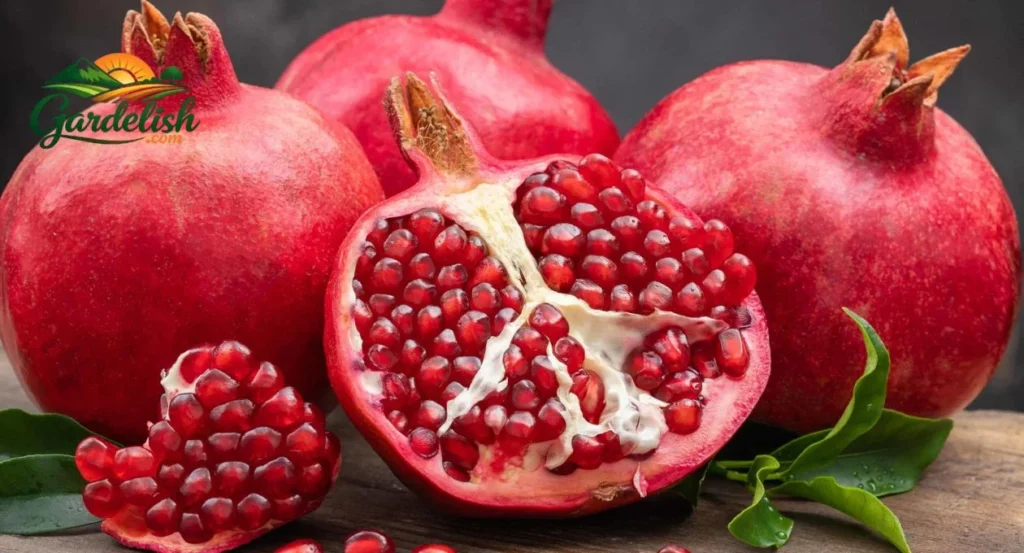
A pomegranate shortage happens when fewer high-quality fruits reach markets while demand stays steady or increases. In gardening terms, this shortage often begins long before the fruit appears in stores. Heat stress, drought, irregular rainfall, fruit cracking, pest pressure, disease, poor storage, transport delays, and rising demand can all reduce the amount of marketable pomegranates available.
For home gardeners, the shortage is also a practical reminder: pomegranates are tough plants, but reliable fruit production still depends on the right climate, steady watering, full sun, good drainage, pruning, and seasonal care.
Pomegranate, botanically known as Punica granatum, is a small fruit-bearing tree cultivated in regions such as the Mediterranean, Southeast Asia, and the southwestern United States. It is naturally suited to warm, dry climates, but fruit quality can quickly decline when the growing season becomes too wet, too dry, or unusually hot.
Quick Answer: Why Is There a Pomegranate Shortage?
The pomegranate shortage is mainly caused by weather-related crop losses, lower market-quality fruit, water stress, fruit cracking, pest and disease pressure, transport issues, and growing consumer demand. In some regions, production may be normal, while other areas face tight supply because of drought, heavy rain, heatwaves, or import challenges.
For gardeners, the best response is to grow pomegranates in full sun, improve soil drainage, water consistently during fruit development, mulch the root zone, prune for airflow, and choose varieties suitable for the local climate.
Is There Really a Pomegranate Shortage Everywhere?
No, a pomegranate shortage is not always global. Some areas may have expensive or limited pomegranates, while other regions may have normal supply or even strong local harvests.
Fresh produce markets depend on many moving parts. One country may have weather-related losses, while another may have stable production. One region may face high prices because it relies on imports, while another may still have affordable fruit from nearby farms.
Recent global market reporting shows this clearly. Turkey has experienced one of its shortest pomegranate seasons in recent years, with production estimated 35% lower than the previous season and volumes down by up to 50% compared with 2023. At the same time, India’s production has remained broadly stable, with strong domestic demand and expanding exports.
So when people ask, “Why can’t I find pomegranates?” the answer depends on location, season, harvest timing, import routes, and fruit quality.
Main Causes of the Pomegranate Shortage
A shortage rarely comes from one problem. It usually happens when several pressures hit the crop and supply chain at the same time.
Pomegranate trees can handle dry conditions better than many fruit trees, but they still need stable moisture during flowering, fruit set, and fruit sizing. Drought can reduce yield. Sudden rain after dry weather can split fruit. Excessive humidity can encourage disease. Extreme heat can cause sunburn, poor color, and smaller fruit.
Weather issues have already affected major producing regions. In Sicily, cold and wet spring weather caused irregular flowering and lower field yields, while in Apulia, spring frosts and heavy autumn rainfall caused fruit cracking and a shorter marketing season. Spain also reported higher shares of second-grade fruit due to weather conditions, pest pressure, summer heatwaves, and late rainfall.
Pests and diseases also reduce marketable fruit. A tree may produce a crop, but if the fruit is cracked, blemished, undersized, sunburned, or diseased, it may not be sold as premium fresh produce.
Heavy rainfall can be especially damaging. In Himachal Pradesh’s Kullu district, record monsoon rain destroyed more than 70% of the local pomegranate crop, with high humidity, excessive soil moisture, fruit rot, premature fruit drop, bacterial blight, and damaged roads all adding to the losses.
Why Pomegranate Prices Rise During a Shortage
Pomegranate prices rise when fewer good-quality fruits reach stores. Even if farms produce fruit, not all of it becomes sellable fresh fruit.
A pomegranate with cracked skin, fungal rot, sunburn, soft spots, poor color, or low juice content may be rejected or sold at a lower grade. This reduces the supply of attractive fruits that shoppers usually want.
Prices can also rise because of:
- Higher irrigation costs
- Higher fuel and shipping costs
- Labor shortages during harvest
- Cold storage expenses
- Import delays
- Increased demand from juice, fresh fruit, and food-service markets
Large, colorful, sweet pomegranates with good skin finish usually command better prices. Smaller or blemished fruits may still be useful for processing, but they do not always help fresh market availability.
This is why consumers may see pomegranates in stores but still feel the shortage through higher prices, smaller fruit, or lower quality.
What the Shortage Means for Home Gardeners
For home gardeners, the pomegranate shortage is not only a market issue. It is a lesson in fruit-tree resilience.
A healthy backyard pomegranate tree can provide fresh arils, juice, fruit for salads, and seasonal harvests without depending fully on store supply. It will not solve a national shortage, but it can make your household more self-reliant.
Pomegranates are especially useful for gardeners in hot, dry climates. Utah State University Extension describes pomegranates as plants that prefer semi-arid to subtropical climates with hot summers and mild winters, and notes that they are suited to USDA Zones 8–11.
That said, pomegranates are not completely carefree. They need attention during establishment and fruit development. A neglected tree may survive, but it may not give large, juicy, crack-free fruit.
The biggest gardening lessons are simple:
- Full sun improves flowering and ripening
- Consistent watering helps reduce fruit cracking
- Well-drained soil protects roots
- Mulch reduces moisture swings
- Pruning improves airflow and disease prevention
- Pollinator-friendly planting improves fruit set
Best Conditions for Growing Pomegranates at Home
Pomegranates grow best in warm, sunny sites with long summers and mild winters. Choose the hottest, brightest spot in your garden, especially if your climate is borderline.
A good planting location should have:
- At least 6–8 hours of direct sunlight
- Well-drained soil
- Protection from hard winter winds
- Space for a shrub or small tree
- Good airflow around the canopy
Pomegranates can tolerate different soil types, including sandy or loamy soil, but they dislike waterlogged roots. If your garden has heavy clay, improve drainage before planting. A raised bed, mound, or berm can help keep roots from sitting in wet soil.
Mulching is highly recommended. Add 2–4 inches of organic mulch around the root zone using wood chips, straw, shredded leaves, composted bark, or dry grass clippings. Keep mulch a few inches away from the trunk to prevent rot.
Mulch helps maintain even soil moisture, suppress weeds, protect shallow feeder roots, and gradually improve soil structure.
If you garden in a colder area, try growing a compact or dwarf pomegranate in a large container. Use a 15–25 gallon pot with drainage holes and a high-quality potting mix. Container-grown pomegranates need more frequent watering than in-ground trees because pots dry out faster.
Watering, Feeding, and Preventing Fruit Cracking
Fruit cracking is one of the most frustrating pomegranate problems. It often happens when the tree experiences dry soil followed by sudden heavy watering or rainfall. The juicy arils expand quickly, but the outer rind cannot stretch fast enough, so the fruit splits.
To reduce cracking, focus on steady moisture rather than extreme wet-dry cycles.
Water deeply during hot weather and fruit development. In many warm climates, established trees may need deep irrigation every 7–10 days during dry periods, depending on soil type, temperature, and rainfall. Sandy soil dries faster; clay holds water longer.
Avoid shallow daily watering. It encourages weak surface roots and does not support the deeper root zone well. Drip irrigation or a slow hose soak is usually better.
Feeding should be moderate. Too much nitrogen can push leafy growth instead of fruit production. A light application of compost or balanced organic fruit-tree fertilizer in early spring is usually enough for many home gardens.
A simple feeding plan:
- Add compost in early spring
- Mulch after soil warms
- Avoid heavy nitrogen during fruiting
- Use potassium-rich organic amendments only if soil testing shows a need
- Do not fertilize heavily late in the season
Healthy soil matters. Composting, organic fertilizers, and soil improvement are excellent internal link opportunities if your website already has articles on those topics.
Seasonal Pomegranate Care for Better Harvests
Pomegranate care changes through the year.
In late winter or early spring, prune before active new growth. Remove dead wood, crossing stems, weak suckers, and crowded interior branches. The goal is to open the canopy so sunlight and air can reach developing flowers and fruit.
You can grow pomegranate as a small tree or a multi-stemmed shrub. Both forms can fruit well. A tree form looks cleaner, while a shrub form is often more natural and resilient.
In spring, flowers appear on new growth. Some flowers may drop naturally, so do not panic if every flower does not become fruit. Bees and other pollinators help improve fruit set, so avoid spraying broad insecticides during bloom.
In summer, monitor water closely. This is when heat stress, sunburn, and fruit cracking become more likely. In very hot climates, young trees may benefit from temporary shade cloth during extreme heat, but mature fruiting trees still need strong sunlight for sweetness and color.
Near harvest, watch fruit carefully. Ripe pomegranates often develop deep color, feel heavy, and may sound slightly metallic when tapped. Do not wait for every fruit to split. Split fruit attracts ants, birds, insects, and fungal organisms.
Harvest with pruning shears instead of pulling. Cut the stem cleanly so you do not damage the branch or nearby fruiting wood.
Gardener’s Checklist for Preventing Poor Pomegranate Harvests
Use this checklist if your pomegranate tree flowers but produces poor fruit:
- Plant in full sun
- Improve drainage before planting
- Water deeply and consistently
- Avoid sudden wet-dry soil swings
- Add organic mulch around the root zone
- Prune crowded growth for airflow
- Avoid excessive nitrogen fertilizer
- Protect young fruit from extreme heat
- Encourage bees and pollinators
- Remove diseased or split fruit quickly
- Watch for aphids, scale, mealybugs, fruit flies, and leaf-footed bugs
- Harvest before fruit becomes badly cracked
Pomegranates are tough, but fruit quality depends on steady care. A tree may survive drought, poor pruning, or inconsistent watering, but the harvest will usually show the stress.
How to Buy and Store Pomegranates When Supply Is Limited
During a pomegranate shortage, buying carefully helps you avoid wasting money on poor-quality fruit.
Choose pomegranates that feel heavy for their size. Heaviness usually suggests juicier arils. The skin should be firm, not soft or sunken. A few surface marks are normal, but avoid fruit with mold, large cracks, wet spots, or rotten areas.
Good signs include:
- Heavy weight
- Firm rind
- Rich color
- No soft patches
- No mold around the crown
- No sour smell
Whole pomegranates can be stored in a cool place for short-term use. For longer storage, refrigerate them. Once opened, remove the arils and keep them in an airtight container in the refrigerator. You can also freeze arils for smoothies, sauces, desserts, and salads.
If pomegranates are too expensive, use substitutes based on the recipe. For color and sweetness, try grapes, blueberries, currants, or blood orange. For tartness, use cranberries, lemon, tamarind, or a small amount of vinegar with fruit syrup.
Conclusion: What Gardeners Can Learn From the Pomegranate Shortage
The pomegranate shortage is caused by a mix of climate stress, water problems, fruit cracking, disease, reduced market-quality harvests, transport issues, and rising demand. It may not affect every region equally, but it does show how sensitive fruit supply can be when weather and logistics become unstable.
For gardeners, the solution is not panic. It is preparation.
If your climate is suitable, plant a good pomegranate variety, give it full sun, improve drainage, water consistently, mulch well, prune for airflow, and support pollinators. A healthy home-grown pomegranate tree can provide fresh seasonal fruit and reduce your dependence on unpredictable market supply.
Pomegranates are resilient, beautiful, and productive when grown in the right conditions. With patient care, one tree can become a valuable part of a home orchard, especially in years when store-bought fruit is expensive or hard to find.
SEO Meta Title
Pomegranate Shortage: Causes & Growing Tips
Meta Description
Learn why pomegranates are scarce, why prices rise, and how gardeners can grow healthier pomegranate trees for reliable harvests.
5 SEO-Friendly FAQs
1. Why is there a pomegranate shortage?
A pomegranate shortage usually happens because of climate stress, drought, heavy rain, fruit cracking, pest pressure, disease, transport delays, and rising demand.
2. Are pomegranates hard to grow at home?
Pomegranates are not very hard to grow in warm climates, but they need full sun, well-drained soil, consistent watering, and proper pruning for good fruit production.
3. What USDA zones are best for pomegranate trees?
Pomegranates grow best in USDA Zones 8–11. Some cold-hardy varieties may survive in Zone 7 with protection, while colder regions usually need container growing.
4. Why do pomegranates crack on the tree?
Pomegranates often crack because of irregular watering, sudden rain after drought, high heat, delayed harvesting, or fast internal fruit expansion.
5. What can I use instead of pomegranate seeds?
Good substitutes include grapes, cranberries, blueberries, currants, blood orange pieces, or tart berry sauces, depending on whether you need sweetness, color, or acidity.
Short SEO-Friendly Conclusion
A pomegranate shortage is usually linked to climate stress, reduced fruit quality, supply chain issues, and rising demand. Gardeners can respond by planting suitable varieties, improving soil drainage, watering consistently, mulching well, pruning correctly, and protecting fruit from heat, pests, and disease.
ye artical zyada long to nhi?
Can Cows Eat Carrots? Safe Feeding Guide for Healthy Cattle