A mint shortage usually happens when weather, pests, disease, or supply problems reduce the amount of fresh mint reaching shops and markets. For gardeners, the important thing is that mint is still one of the easiest herbs to grow at home, so shortages in stores do not have to leave your kitchen without it.
Mint looks simple, but it depends on steady moisture, moderate temperatures, and regular cutting. When those conditions are disturbed, supply can drop quickly. That is why mint sometimes becomes harder to find, especially during hot weather, dry spells, or disease pressure on farms.
What a Mint Shortage Means
A mint shortage does not always mean mint has completely disappeared. It usually means there is less fresh mint than people want, so prices rise and quality becomes less reliable.
For gardeners and home cooks, this matters because mint is used fresh very often. It has a short shelf life, so any break in production or transport shows up fast in the market.
Main Reasons Mint Supply Drops
Weather is one of the biggest causes. Mint grows best with steady moisture and mild temperatures. Too much heat can dry the plant out, while heavy rain can damage roots and encourage fungal disease. Frost can also harm young growth.
Pests and disease are another reason. Aphids, spider mites, powdery mildew, rust, and root rot can weaken plants and reduce harvests. When mint is grown in crowded fields or beds, poor airflow makes these problems worse.
Rising farming costs can also affect supply. If irrigation, fertilizer, labour, or transport becomes more expensive, growers may reduce how much mint they plant. That can lead to less mint reaching the market even when demand stays the same.
Why Mint Is Sensitive in the Garden
Mint is easy to grow, but it is also quick to react when conditions change. It likes rich soil, steady water, and partial sun to full sun depending on climate. In very hot areas, afternoon shade helps protect the leaves.
If the soil dries out too much, mint becomes weak and loses flavour. If the soil stays soggy, the roots can rot. The plant also spreads fast, so it does best when grown in a container or a controlled bed.
That is why mint is such a useful herb for home gardeners. It is generous when cared for properly, but it needs regular attention.
How to Grow Mint at Home
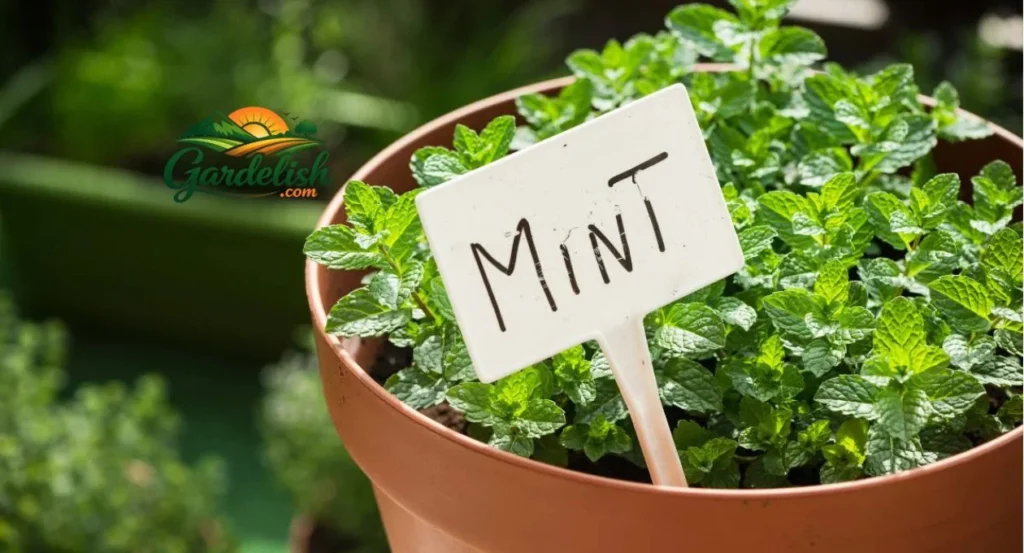
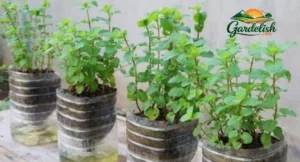
If you want a reliable supply, growing mint at home is the best solution. A pot is usually the easiest option because it keeps the roots contained and makes watering simple.
Use fertile, well-drained soil with organic matter or compost mixed in. Keep the soil evenly moist, but do not let water sit around the roots. Mint likes consistency more than anything else.
Place the plant where it gets morning sun and some protection from harsh afternoon heat if your climate is warm. Pinch the tops often to keep the plant bushy and to stop it from becoming woody. Regular harvesting also encourages fresh new leaves.
If you want more than one type, spearmint and peppermint are both useful choices. They have slightly different flavours, and growing both gives you more flexibility in cooking and tea.
Simple Care Tips That Keep Mint Healthy
Mint grows best when the soil stays moist, loose, and rich. Compost, mulch, or a light organic fertilizer can help support healthy leaf growth. Mulch is especially useful because it keeps moisture in the soil and reduces temperature swings.
Water at the base of the plant rather than over the leaves. This lowers the risk of disease. If the plant starts looking crowded, cut it back. Dense growth can trap moisture and invite fungal problems.
Older mint plants can become tired over time. If that happens, divide the clump or start a fresh plant from a cutting. New growth is usually stronger and more flavourful.
What To Do When Fresh Mint Is Hard to Find
If store-bought mint is scarce, dried mint or frozen mint can help in the kitchen. They will not taste exactly like fresh leaves, but they work well in tea, sauces, and cooked dishes.
For fresh alternatives, basil, lemon balm, or spearmint can sometimes be used depending on the recipe. They are not perfect substitutes, but they can keep a dish fresh and aromatic when mint is unavailable.
Final Thought
A mint shortage is usually caused by weather stress, pest damage, disease, or reduced farming output. The easiest way to avoid relying on the market is to grow mint at home in a pot or small herb bed. With steady water, good soil, and regular trimming, mint can give you a fresh supply for a long time.
FAQs
1. What causes a mint shortage?
A mint shortage is usually caused by weather stress, pest damage, plant disease, or lower farm production.
2. Can I grow mint at home easily?
Yes. Mint is one of the easiest herbs to grow at home, especially in pots or containers.
3. Why is mint sensitive to weather changes?
Mint needs steady moisture and mild temperatures, so heat, frost, or heavy rain can quickly affect its growth.
4. What is the best way to keep mint healthy?
Keep the soil moist, use well-drained fertile soil, give it partial sun, and trim it regularly.
5. What can I use if fresh mint is unavailable?
Dried mint, frozen mint, basil, or lemon balm can work in some recipes.
Conclusion
A mint shortage can happen when weather, pests, disease, or supply issues reduce fresh mint production. For gardeners, the best solution is simple: grow mint at home in a pot or controlled bed and give it steady water, good soil, and regular pruning. With basic care, mint can remain one of the most reliable herbs in the garden.
Spanish Shawl Plant: How to Grow and Care for This Colorful Ground Cover