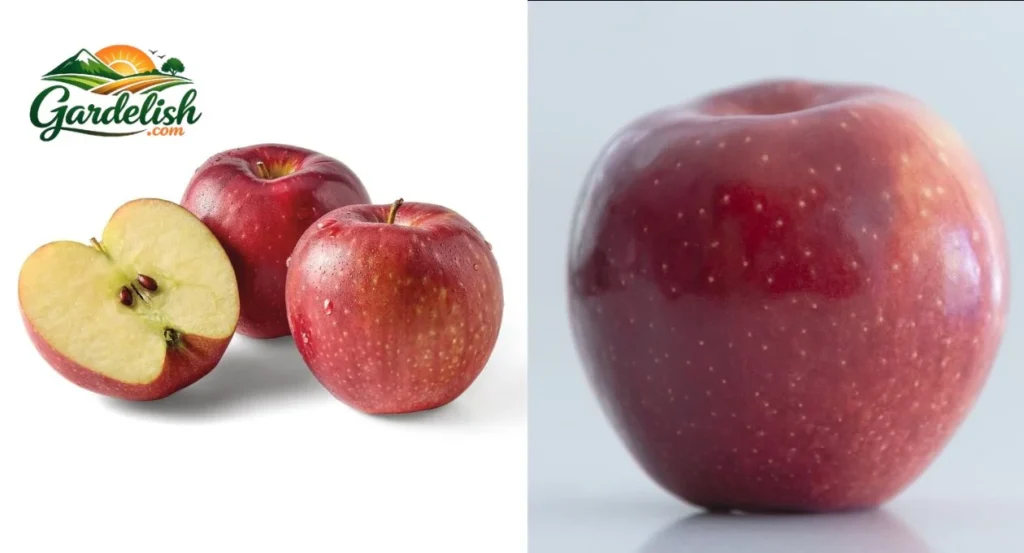
The Cosmic Crisp Apple Lawsuit was not just a business dispute over a popular fruit. For gardeners, nursery buyers, and backyard orchard growers, it is a useful reminder that some modern apple varieties are protected by plant patents, trademarks, and licensing agreements. In simple terms, Cosmic Crisp is the brand name for the WA 38 apple, a Washington State University cultivar that cannot be freely propagated like many older heirloom apples.
If you are searching this topic because you want to plant, graft, or sell Cosmic Crisp apple trees, the key answer is this: buying a Cosmic Crisp apple at the grocery store does not give anyone the right to grow or reproduce the variety. Named apple cultivars are usually cloned through grafting, and when a cultivar is protected, propagation rights matter.
For home gardeners, the lawsuit offers a practical lesson in responsible fruit growing. Before grafting scion wood, buying trees online, or starting a backyard orchard, it helps to understand how apple varieties are bred, protected, and legally distributed.
What Was the Cosmic Crisp Apple Lawsuit About?
The Cosmic Crisp Apple Lawsuit involved Washington State University and Phytelligence, a plant propagation company. The dispute centered on WA 38, the cultivar sold under the Cosmic Crisp brand.
WSU developed WA 38 through its apple breeding program and held rights connected to the variety. Phytelligence had been involved with propagation work, but the conflict arose over whether the company had the right to sell or commercialize WA 38 trees. WSU argued that the sale of trees without the proper license violated its rights.
The case matters to gardeners because apple trees are not like packets of open-pollinated flower seed. A named apple variety is usually reproduced by grafting a piece of wood from the desired tree onto a rootstock. If that variety is patented or licensed, unauthorized propagation can become a legal issue.
Why Cosmic Crisp Is Not Just Another Apple Variety
Cosmic Crisp is the market name. WA 38 is the cultivar name. That distinction is important in horticulture.
The variety was bred from Enterprise and Honeycrisp, two apples known for traits that breeders value. Honeycrisp is famous for its crisp texture and juicy bite. Enterprise has been used in breeding because of its storage ability and disease-resistance background. WA 38 was selected for its firm texture, attractive red skin, balanced sweet-tart flavor, and ability to hold quality in storage.
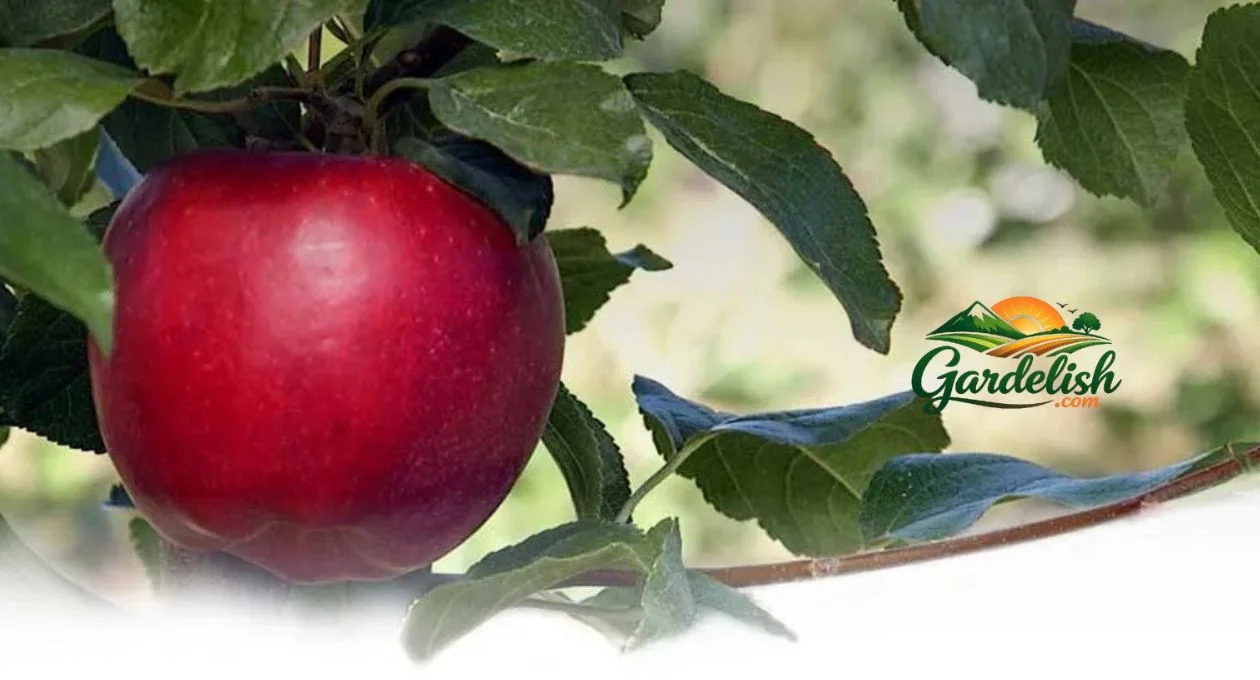
Older apples such as Granny Smith, McIntosh, Golden Delicious, and many heirloom varieties are often easier for hobbyists to work with because they are not managed in the same way as newer branded cultivars. Cosmic Crisp belongs to the modern world of managed fruit varieties, where breeding, marketing, grower access, and propagation are tightly controlled.
Can Backyard Gardeners Grow Cosmic Crisp Apple Trees?
Backyard gardeners should be careful. If a Cosmic Crisp tree is available through an authorized nursery, a gardener may be able to buy and grow that tree according to the terms of sale. What gardeners should not do is assume they can graft, bud, multiply, or sell WA 38 trees without permission.
This is where many beginners get confused. Growing a seed from a Cosmic Crisp apple is not the same as growing a true Cosmic Crisp tree. Apples do not come true from seed. A seed taken from a Cosmic Crisp apple will produce a new genetic individual, not an exact copy of WA 38.
To reproduce a true named apple cultivar, growers use asexual propagation, usually grafting or budding. A scion from the desired apple is attached to a compatible rootstock. That is standard orchard practice, but with patented varieties, permission is the key issue.
How Plant Patents Affect Apple Grafting
Plant patents protect certain asexually reproduced plants. In orchard language, that usually means a patented apple cannot be legally reproduced by grafting, budding, cuttings, or tissue culture unless the person has authorization.
For experienced gardeners, grafting is one of the joys of fruit growing. It allows you to add several varieties to one tree, preserve old cultivars, and adapt an orchard to your taste. But it also comes with responsibility. Before grafting scion wood, check whether the cultivar is still protected.
If you want to practice grafting, start with public-domain apple varieties or clearly unpatented heirlooms. Many excellent apples are available for backyard orchards without stepping into legal uncertainty. This topic naturally connects with internal articles on apple grafting, rootstock selection, fruit tree propagation, and planning a small home orchard.
What Gardeners Can Learn From the Lawsuit
The biggest lesson is that modern fruit breeding takes time, money, and long-term field testing. A new apple may spend years in trial orchards before it ever reaches a garden center or grocery store. Breeders look at flavor, texture, disease resistance, storage performance, harvest timing, skin color, tree habit, and how the fruit handles commercial packing.
That work creates value. Plant patents and licensing systems are one way universities and breeders protect that value. Whether a gardener agrees with every part of the system or not, it is wise to understand the rules before propagating a protected tree.
For home growers, the lawsuit is also a reminder to buy from reputable nurseries. A good nursery should provide the correct cultivar name, rootstock information when available, and clear labeling. If a seller offers suspiciously cheap Cosmic Crisp scion wood or unlicensed trees, treat that as a warning sign.
Growing Conditions for Apple Trees Like Cosmic Crisp
Cosmic Crisp was developed for commercial apple production, especially in Washington’s tree fruit regions. Those areas offer conditions that suit high-quality apple growing: bright sun, warm days, cool nights, managed irrigation, and experienced orchard systems.
In a home garden, apple trees generally need full sun, good air circulation, and well-drained soil. A site with six or more hours of direct sunlight is usually best. Heavy clay can be improved with compost, leaf mold, and careful drainage planning, while sandy soil often needs organic matter to hold moisture and nutrients.
Most apples also need winter chill. Chill hours help the tree break dormancy and bloom properly in spring. Gardeners in mild-winter climates should choose low-chill apple varieties instead of assuming every famous apple will perform well.
Mulching is useful around young trees. A ring of wood chips, shredded leaves, or composted bark helps protect soil moisture and supports soil biology. Keep mulch a few inches away from the trunk to reduce rot and rodent damage.
Pollination, Pruning, and Seasonal Care
Most apple trees need cross-pollination from another compatible apple or crabapple that blooms at the same time. A beautiful tree full of spring blossoms may still set poorly if no suitable pollen source is nearby.
Pruning should focus on structure, sunlight, and airflow. Young trees benefit from careful training rather than heavy cutting. Dwarf and semi-dwarf apples are often trained with a central leader system, while espalier works well along fences or walls when space is limited.
Good pruning also reduces disease pressure. Dense canopies stay wet longer after rain, which can encourage fungal problems such as apple scab and powdery mildew. Removing crowded branches allows sunlight and air to reach the interior of the tree.
Seasonal care includes watering during dry spells, thinning excess fruit in early summer, and cleaning up fallen apples. Fruit thinning improves size and reduces stress on branches. Sanitation helps limit pests such as codling moth and apple maggot.
Common Apple Tree Problems to Watch For
Apple trees can be rewarding, but they are not maintenance-free. Gardeners should watch for pests, diseases, and nutrient-related problems throughout the growing season.
Common pest issues include aphids, codling moth, scale insects, mites, and caterpillars. Organic gardeners often use dormant oil, sticky traps, fruit bagging, beneficial insect habitat, and careful orchard cleanup. These methods work best when used preventively rather than after pests are already severe.
Disease problems vary by region. Apple scab is common in wet climates. Fire blight can be serious in warm, humid spring weather. Powdery mildew may appear on young shoots and leaves. Good airflow, resistant varieties, clean pruning tools, and balanced fertility are all part of disease prevention.
Nutrient problems can also affect fruit quality. Bitter pit, for example, is linked with calcium imbalance and tree vigor. Overfertilizing with nitrogen can make apple trees leafy and vigorous but more vulnerable to certain problems. Compost, mulch, soil testing, and moderate organic fertilizers are better than guessing.
Better Apple Choices for Home Gardeners
If your goal is a productive backyard apple tree, do not choose by supermarket popularity alone. Choose by climate, disease pressure, space, and how much maintenance you are willing to do.
For humid regions, disease-resistant apples can save a lot of frustration. Liberty, Enterprise, GoldRush, Williams Pride, and Pristine are often discussed by low-spray and organic growers, although local performance still matters. For cold climates, winter hardiness and bloom timing are important. For hot climates, sunburn risk, irrigation, and low-chill requirements may shape your choices.
Heirloom apples are also worth exploring. Varieties such as Arkansas Black, Gravenstein, Roxbury Russet, Ashmead’s Kernel, and Cox’s Orange Pippin offer distinctive flavor and history. Some are excellent for fresh eating, while others shine in pies, cider, sauces, or winter storage.
Container gardeners should focus first on rootstock. A dwarfing rootstock, large container, regular watering, compost topdressing, and root protection in winter matter more than chasing a trendy cultivar. Apples in pots dry out quickly, especially during fruit development, so consistent moisture is essential.
Responsible Gardening After the Cosmic Crisp Apple Lawsuit
The Cosmic Crisp Apple Lawsuit shows how closely horticulture, law, and commercial agriculture can overlap. For gardeners, the safest approach is straightforward: buy trees from legitimate sources, keep plant labels, respect propagation restrictions, and ask questions before grafting protected varieties.
A backyard orchard can still be wonderfully diverse without legally questionable plant material. Public-domain apples, disease-resistant cultivars, crabapples for pollination, and locally adapted rootstocks give home growers plenty of options.
The real goal is not simply to grow the most famous apple. It is to grow healthy trees that suit your soil, climate, space, and taste. That means improving soil with compost, mulching correctly, pruning with purpose, managing pests early, and choosing varieties that can thrive in your garden.
FAQs
1. What was the Cosmic Crisp Apple Lawsuit about?
The Cosmic Crisp Apple Lawsuit was about the WA 38 apple cultivar, which is marketed as Cosmic Crisp. The dispute focused on propagation rights, licensing, plant patent protection, and whether the variety could be commercially reproduced or sold without proper authorization.
2. Can home gardeners grow a Cosmic Crisp apple tree?
Home gardeners may grow a Cosmic Crisp apple tree only if they buy it from an authorized nursery or licensed source. Gardeners should not graft, bud, or propagate the tree themselves unless they have clear permission to do so.
3. Can I grow a Cosmic Crisp apple tree from seed?
You can plant a seed from a Cosmic Crisp apple, but it will not grow into a true Cosmic Crisp tree. Apple seeds do not come true to type, so the seedling will be genetically different from the original WA 38 variety.
4. Is it legal to graft a Cosmic Crisp apple tree?
Unauthorized grafting of a protected apple cultivar can create legal problems. Because Cosmic Crisp is connected to plant patent and licensing protections, gardeners should confirm legal permission before grafting or reproducing it.
5. What are the best Cosmic Crisp apple alternatives for home gardens?
Good alternatives depend on your climate and growing conditions. Backyard growers may consider disease-resistant or public-domain apple varieties such as Liberty, Enterprise, GoldRush, Gravenstein, Arkansas Black, or other locally adapted cultivars.
Conclusion
The Cosmic Crisp Apple Lawsuit matters because it reminds gardeners that modern apples can be protected by patents, trademarks, and licensing agreements. Cosmic Crisp, or WA 38, is not a variety gardeners should casually graft or propagate without authorization.
For most home orchard growers, the better path is to buy trees from reputable nurseries and choose apple cultivars that match local growing conditions. With the right variety, healthy soil, proper pollination, thoughtful pruning, and steady seasonal care, a backyard apple tree can be just as rewarding as any famous branded fruit.
Coconut Shortage: What It Means for Gardeners and How to Adapt