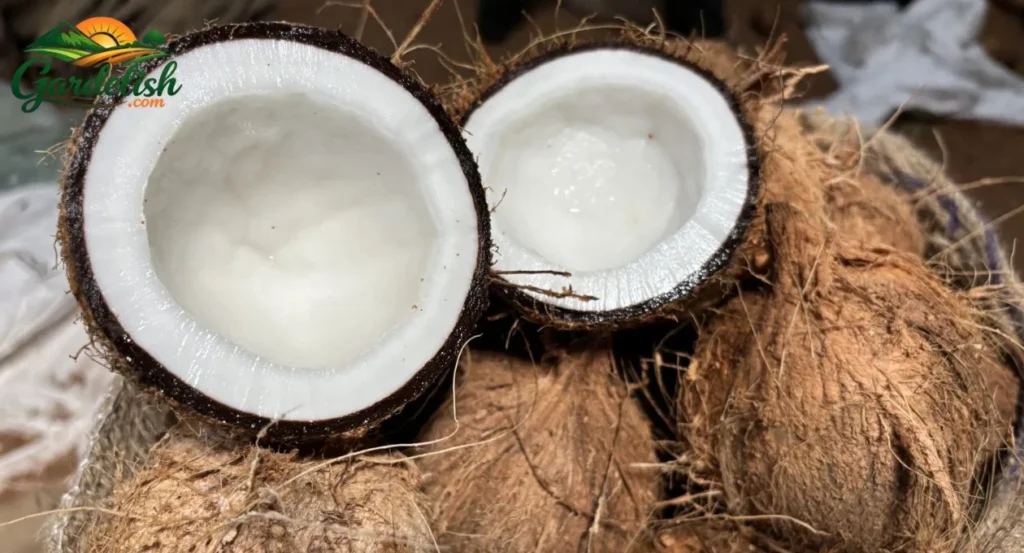
A coconut shortage does not only affect coconut milk, coconut oil, or tropical food markets. Gardeners feel it too, especially through coco coir, coco peat, coir pots, seed-starting blocks, hanging basket liners, and peat-free potting mixes. When coconut supply becomes tight, the price and availability of these garden products can change quickly.
For home gardeners, the most practical question is not simply “Why are coconuts short?” It is “How does this affect my soil mix, seed starting, container plants, and garden planning?”
The answer is straightforward. Coconut-based gardening products come from the husk of the coconut fruit. When coconut production, processing, transport, or global demand becomes unstable, coir products can become harder to find or more expensive. The good news is that gardeners have options. You can use coco coir more carefully, blend it with compost and mineral materials, or switch to suitable alternatives depending on what you are growing.
What a Coconut Shortage Really Means for Gardeners
For most gardeners, a coconut shortage shows up as a coco coir shortage before it shows up as a fresh coconut problem. Coco coir is the fibrous material taken from the husk of Cocos nucifera, the coconut palm. After processing, it becomes coco peat, coir fiber, coir chips, coir mats, and compressed blocks used in seed starting and potting soil.
Coco coir became popular because it is lightweight, easy to store, slow to break down, and useful in peat-free gardening. It holds moisture well while still allowing air around plant roots. That combination makes it useful for seedlings, houseplants, microgreens, hydroponic growing, hanging baskets, and container vegetables.
When the supply tightens, gardeners may notice several changes:
Coco coir bricks may cost more than usual.
Some potting mixes may change their texture or ingredients.
Seed-starting mixes may include more wood fiber, bark fines, compost, perlite, or other materials.
Quality may vary more between brands.
Bulk coir may become harder for nurseries and greenhouse growers to secure.
This does not mean gardeners must stop using coconut-based products. It means they need to understand what coir does in a growing mix, then replace that function carefully when needed.
Why Coconut Supplies Become Tight
Coconut supply is affected by several connected factors. Coconut palms grow in tropical and coastal regions, and they are exposed to heat stress, irregular rainfall, storms, drought, pests, and diseases. Unlike quick seasonal crops, coconut palms take years to mature, so production cannot be increased overnight.
A coconut palm is a perennial tree crop. If a drought, cyclone, disease outbreak, or long period of poor management reduces yield, the effect can last beyond one season. Replanting also takes time because young palms need several years before they produce a reliable crop.
Demand has also changed. Coconut is no longer used only for local food and oil. The same fruit supports many industries, including coconut water, virgin coconut oil, coconut milk, desiccated coconut, personal care products, coir fiber, livestock bedding, erosion-control mats, and horticultural substrates. When several industries compete for the same raw material, garden products may face tighter supply.
For gardeners, this explains why a shortage can feel confusing. There may still be coconuts in grocery stores, but coir blocks at the garden center may be expensive. That happens because each product depends on different parts of the supply chain.
Why Coco Coir Is the First Gardening Product Affected
Coco coir is made from coconut husks, which are soaked, cleaned, processed, dried, graded, and compressed. Weather matters at several stages. Heavy rain can slow drying. Poor rainfall can reduce coconut yield. Disease pressure can weaken plantations. Transport delays can affect export supply.
The gardening industry uses coco coir because it is dependable when processed well. Good coir has a loose, springy structure that supports root growth. It helps prevent compaction in containers and improves moisture management in seed trays. It is especially useful where gardeners are moving away from peat-based composts.
But coco coir is not a complete soil by itself. It contains very little plant nutrition. It may also contain salts if it has not been properly washed and buffered. That is why experienced gardeners do not treat coir as a magic ingredient. They treat it as a structural material.
In a potting mix, coir usually provides moisture retention and root-zone air space. Compost provides nutrients and microbial life. Perlite, pumice, coarse sand, or bark improves drainage. Organic fertilizers add slow-release nutrition. When coir becomes expensive, the goal is to replace its role, not just its name.
How Coconut Palms Grow and Why Recovery Takes Time
Coconut palms are tropical plants from the palm family, Arecaceae. They prefer warm, frost-free climates, full sun, steady moisture, and well-drained soil. They are often associated with sandy coastal soils, but they still need adequate nutrients, especially potassium, magnesium, nitrogen, and micronutrients.
A healthy coconut palm can flower and fruit regularly in suitable climates, but it is not a fast crop like lettuce, basil, or radish. The fruit takes many months to develop, and a new planting takes years before meaningful harvests begin. This long growth cycle is one reason coconut shortages cannot be fixed quickly.
Plantation age is another issue. Older palms may produce fewer nuts. If replanting has been delayed, a region may have many palms but lower productivity. Pests such as rhinoceros beetle, red palm weevil, scale insects, mealybugs, and disease problems can also reduce yield or damage young palms.
For gardeners, this matters because it gives a realistic view of the market. A coconut shortage is not like a temporary empty shelf caused by one delivery delay. It can reflect deeper agricultural pressure in tropical growing regions.
Can Gardeners Grow Their Own Coconut Palm?
Some gardeners ask whether growing a coconut palm at home can solve the shortage. In most climates, the answer is no. You can grow a coconut palm as a novelty or ornamental plant, but producing your own usable coconuts is only realistic in warm, humid, frost-free areas.
Coconut palms grow best outdoors in tropical and subtropical regions. In USDA zones around 10b to 12, they may survive outdoors if temperatures remain warm and frost is absent. Even then, local conditions matter. A sheltered coastal garden may suit coconut better than an inland garden with cold nights, dry winds, or heavy clay soil.
Outdoor Coconut Growing Conditions
If you live in a suitable climate, plant coconut palms in full sun with excellent drainage. Sandy loam is ideal, but the soil should still hold some moisture. Coconut palms dislike standing water around the root zone. A thick organic mulch helps regulate soil temperature and conserve moisture, but keep mulch away from the trunk to reduce rot risk.
Young palms need regular watering during dry spells. Mature palms are tougher, but long drought can reduce flowering and nut set. Feeding should focus on palm-appropriate nutrition, especially potassium and magnesium. Yellowing older fronds can sometimes point to potassium deficiency, while yellow bands or pale new growth may suggest other nutrient issues.
Avoid heavy pruning. Coconut palms need their green fronds to feed the plant. Remove dead or dangerous fronds only when necessary.
Indoor Coconut Palms in Containers
Indoor coconut palms are beautiful but demanding. They need bright light, warmth, humidity, and steady moisture. Many indoor palms decline because homes are too dry, too dark, or too cool in winter.
Use a deep container with drainage holes. A loose mix with coir or bark, compost, and perlite can work well. Keep the soil evenly moist, not soggy. Place the plant near the brightest window available, or use a grow light if natural light is weak.
Do not expect indoor coconut palms to produce fruit. Indoors, they are ornamental plants. Their value is tropical foliage, not harvest.
Practical Alternatives to Coco Coir
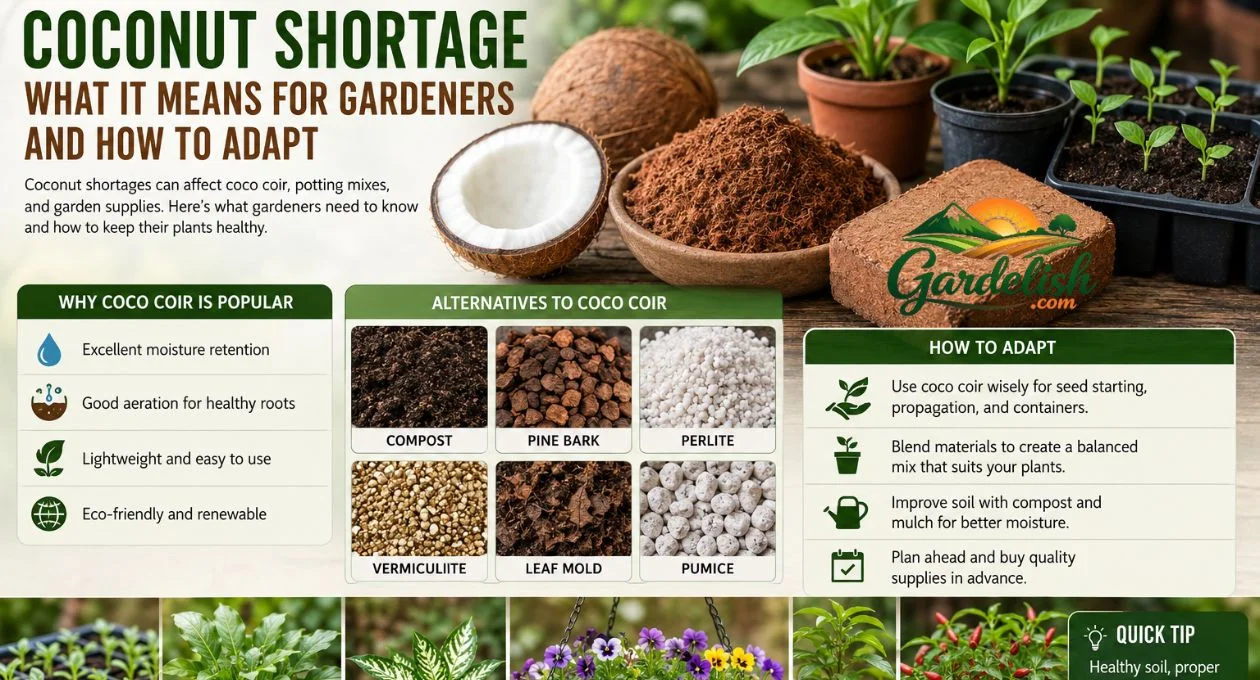
If coco coir becomes expensive or unavailable, gardeners can still make excellent growing mixes. The best alternative depends on the plant and the purpose of the mix.
For seed starting, use a fine, light blend that holds moisture without becoming dense. Leaf mold, screened compost, vermiculite, perlite, and fine bark can all help. Seedlings do not need rich soil at first, but they do need oxygen around their young roots.
For container vegetables, combine mature compost with bark fines, perlite, pumice, or coarse sand. Tomatoes, peppers, eggplants, and herbs need a mix that drains well but does not dry out too fast. A slow-release organic fertilizer or liquid feed can help maintain steady growth.
For houseplants, the substitute depends on the plant. Aroids such as monstera and philodendron often prefer chunky mixes with bark, perlite, compost, and a little coir or leaf mold. Succulents need sharper drainage, so use mineral materials such as pumice, grit, or perlite. Ferns and calatheas need more moisture, so leaf mold or composted bark can help.
For raised beds, coco coir is rarely essential. Good garden soil, compost, leaf mold, aged manure, shredded leaves, and mulch usually matter more. If your soil is sandy, add compost and organic matter to improve water retention. If your soil is clay, focus on compost, surface mulching, and avoiding compaction rather than adding large amounts of coir.
Useful internal link opportunities here include articles on composting, soil improvement, raised bed soil recipes, organic fertilizers, peat-free seed starting, and container gardening.
How to Use Less Coir Without Hurting Plant Health
During a coconut shortage, the smartest approach is often not to eliminate coir completely but to use it where it matters most.
Save coco coir for seed starting, propagation, delicate seedlings, indoor plants, and containers where moisture control is important. Use compost, leaf mold, bark, and mulch for larger outdoor beds where coir is less necessary.
You can also blend coir with other ingredients instead of using it as the main base. For example, a simple seed-starting mix can use one part coir, one part screened compost or leaf mold, and one part perlite or vermiculite. For containers, coir can be a smaller part of a broader mix with composted bark, perlite, and organic fertilizer.
Rehydrate coir properly before using it. Dry compressed bricks need enough water to expand fully. After soaking, fluff the material by hand so it does not stay in dense clumps. If the coir smells sour, feels slimy, or leaves a salty crust, do not use it for sensitive seedlings.
Reusing coir is possible in some cases. If it came from healthy container plants, you can refresh it with compost and fertilizer. Remove old roots, check for pests, and avoid reusing material from diseased plants. For seed starting, fresh or heat-treated media is safer because young seedlings are vulnerable to damping-off and root diseases.
What to Buy During a Coconut Shortage
When coconut-based garden products are limited, quality matters more than quantity. Cheap coir is not always a bargain if it contains excess salts, uneven fibers, or poor processing.
Look for products that mention washed, buffered, or low-salt coir, especially for seed starting and houseplants. Buffered coir has been treated to reduce problems with sodium and potassium imbalance, making calcium and magnesium more available to plants.
Check the texture before buying when possible. Fine coco peat is good for seed trays but can hold too much water in large containers. Coarse coir chips are better for orchids, aroids, and chunky potting mixes. Fiber adds structure but may not hold moisture the same way fine coir does.
If buying potting mix, read the ingredient list. A good peat-free mix may include coir, composted bark, wood fiber, green compost, perlite, grit, or organic fertilizer. The exact ingredients matter less than the result: the mix should feel open, slightly springy, and not muddy when wet.
Gardeners should also buy for the season ahead instead of panic-buying. If you start seeds in spring, secure your seed-starting mix before the rush. If you grow in containers through summer, plan your potting mix early. Good planning prevents waste and helps you avoid poor-quality substitutions.
FAQs
What Does a Coconut Shortage Mean for Gardeners?
A coconut shortage can affect gardeners because many common gardening products are made from coconut husks. Coco coir, coco peat, coir pots, hanging basket liners, and some peat-free potting mixes all depend on coconut supply. When coconut production or processing slows down, these products may become more expensive or harder to find.
Why Is Coco Coir Used in Gardening?
Coco coir is used in gardening because it holds moisture while still allowing air to reach plant roots. This makes it useful for seed starting, container gardening, houseplants, microgreens, and hydroponic growing. It also helps keep potting mixes light and loose, which supports healthier root development.
What Can I Use Instead of Coco Coir?
Good coco coir alternatives include compost, leaf mold, composted bark, perlite, vermiculite, pumice, and shredded leaves. The best choice depends on the purpose. Leaf mold and vermiculite help with moisture retention, while bark, perlite, and pumice improve drainage and aeration.
Can I Use Compost Instead of Coco Coir?
Yes, compost can replace part of coco coir in some mixes, but it does not work exactly the same way. Compost adds nutrients and improves soil life, while coco coir mainly improves structure and moisture control. For best results, blend compost with drainage materials such as perlite, bark, or pumice.
Can You Grow a Coconut Palm at Home?
You can grow a coconut palm at home only if your climate is warm, sunny, and frost-free. Coconut palms grow best in tropical and subtropical regions, usually USDA zones 10b to 12. Indoors, they can be grown as ornamental plants, but they rarely produce coconuts.
Pears Shortage: Why Pears Are Harder to Find and What Gardeners Can Do