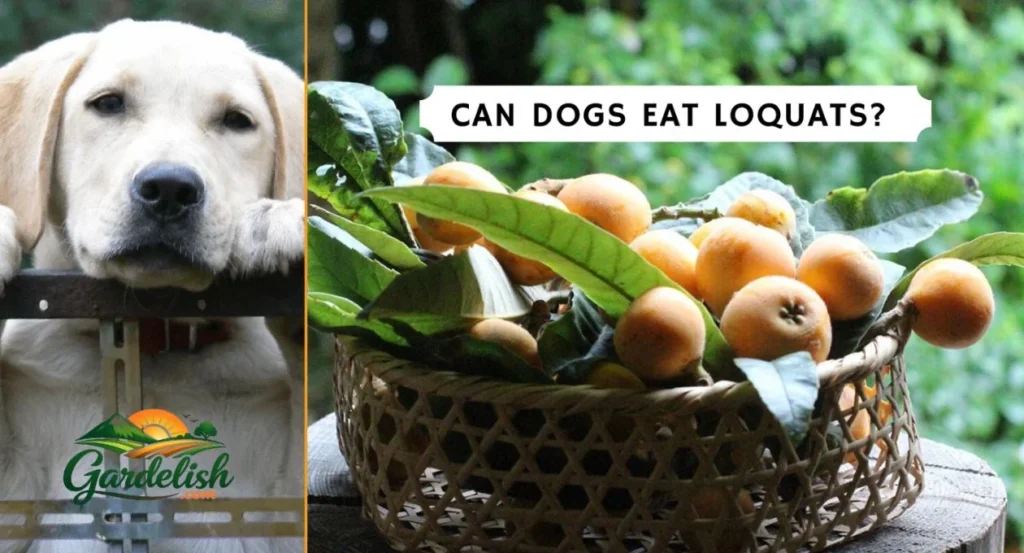
Can dogs eat loquats? The careful answer is: dogs should not be allowed to eat whole loquats from the garden. The soft, ripe flesh is not usually the main concern, but the seeds, pits, and leaves can be risky, especially if chewed. Loquat seeds contain cyanogenic compounds, and the large seeds can also create a choking or digestive blockage risk.
For gardeners, the real issue is not one neatly peeled slice of fruit. It is the backyard loquat tree dropping ripe fruit where a curious dog can grab it whole, seeds and all. If you grow loquat, also called Eriobotrya japonica, in a pet-friendly garden, fruit cleanup and smart planting are just as important as pruning, watering, and fertilizing.
Can Dogs Eat Loquats Safely? The Quick Answer
A small piece of ripe loquat flesh, with the skin and seeds removed, is unlikely to be the most dangerous thing in the garden. Still, loquats are not an ideal dog treat. The fruit is sweet, soft, and tempting, but dogs rarely separate the edible pulp from the seeds the way people do.
The safest practical advice is simple: do not let dogs eat loquats directly from the tree or from the ground. If your dog ate one or more whole fruits, check whether the seeds were swallowed or chewed, then contact your veterinarian for advice, especially if your dog is small, has symptoms, or may have eaten several fruits.
Why Loquat Seeds, Pits, and Leaves Are Risky
Loquat belongs to the rose family, Rosaceae, the same broad plant family that includes apples, pears, peaches, plums, cherries, and apricots. Many plants in this family have seeds or pits that contain cyanogenic glycosides. These compounds are most concerning when the seed is crushed, chewed, or broken open.
With loquats, the smooth brown seeds are large compared with the size of the fruit. A dog that gulps fruit may swallow seeds whole, which can still be a choking or obstruction concern. A dog that chews them may be exposed to the compounds inside the seed.
The leaves are also not something dogs should browse. Mature loquat leaves are leathery, long, and dark green, with a slightly tropical look. They make the tree attractive in the landscape, but they are not edible greens for pets.
Symptoms after eating risky plant parts can vary, but warning signs may include vomiting, diarrhea, drooling, weakness, unusual breathing, trembling, collapse, or obvious abdominal discomfort. Any severe symptom should be treated as urgent.
What To Do If Your Dog Eats Loquats From the Garden
First, remove your dog from the area and pick up any remaining fruit. Try to estimate how many loquats were eaten and whether the seeds were swallowed whole, chewed, or left behind. This detail matters because chewed seeds are more concerning than untouched pulp.
Do not try home remedies. Do not induce vomiting unless a veterinarian or poison-control professional tells you to do so. Some situations are made worse by forcing vomiting, especially when choking, breathing difficulty, or weakness is involved.
Call your veterinarian if your dog ate whole fruit, chewed seeds, ate leaves, or shows any symptoms. For very small dogs, puppies, senior dogs, or dogs with existing health problems, it is better to ask early rather than wait.
If possible, take a photo of the fruit, leaves, and tree. Garden plant names are often confused. Loquat is sometimes called Japanese plum or Japanese medlar, but it is not the same as true plum. A clear photo helps your vet identify the plant accurately.
Growing Loquat Trees Safely in a Dog-Friendly Yard
Loquat trees are beautiful, productive evergreens for mild climates. They grow best in warm regions, often around USDA zones 8b to 10, with full sun to part shade and well-drained soil. They flower in fall or winter and ripen their golden-orange fruit in spring, which is one reason they feel so valuable in edible landscapes.
In a dog-friendly yard, treat loquat like a useful but managed fruit tree. It should not be planted where fruit drops directly into a dog run, kennel area, patio corner, or shaded resting spot where pets spend long hours.
Planting Location and Fruit Drop Management
Choose a planting site where you can easily access the canopy and clean beneath the tree. A loquat planted at the back of a dense border may look charming, but fallen fruit will be harder to see and remove.
Keep the area under the tree open rather than packed with dense groundcovers. A simple mulch ring makes fallen fruit easier to spot. Avoid thorny or tangled companion plants under the canopy if you have dogs, because they make cleanup harder.
During harvest season, check the ground daily. Loquats ripen quickly once they color up, and birds, squirrels, wind, and rain can knock fruit down before you notice it. Fallen fruit also attracts insects, ants, wasps, rodents, and fungal decay, so cleanup benefits the whole garden, not just your dog.
Watering, Mulching, and Soil Care
Loquats prefer well-drained soil and steady moisture, especially during dry spells. A tree under drought stress may drop fruit early, which increases the chance of dogs finding immature or damaged fruit on the ground.
Use organic mulch such as composted bark, leaf mold, or wood chips around the root zone, keeping it a few inches away from the trunk. Mulch helps regulate soil moisture, protects shallow feeder roots, and reduces weed pressure.
For soil improvement, mature compost is usually a better long-term choice than heavy feeding. Loquat trees do not need aggressive fertilizing in most home gardens. Too much nitrogen can encourage lush leafy growth at the expense of balanced fruiting and easy canopy management.
Harvesting Loquats Before They Become a Pet Problem
Loquats should be harvested when fully colored and slightly soft, because they do not improve much after picking. In many climates, fruit ripens in spring, though the exact timing depends on winter temperatures, local weather, and cultivar.
For a pet-safe garden, harvest promptly. Do not wait until fruit is falling everywhere. Use clean pruners or gently twist ripe clusters from the tree. If the tree is too tall to harvest safely, consider pruning it to a more manageable height during the appropriate season.
A well-managed loquat is easier to keep safe. Remove crossing branches, thin crowded growth, and maintain an open structure so light and air can move through the canopy. This also helps reduce some disease pressure and makes fruit easier to see.
If you preserve loquats as jam, jelly, chutney, or fruit leather, keep the discarded seeds away from pets. Composting fruit scraps is fine in many gardens, but seed-heavy waste should go into a closed compost bin or secure trash if dogs can access the compost pile.
Common Loquat Tree Problems Gardeners Should Watch
Loquat is generally a resilient tree when planted in the right climate, but it is not completely trouble-free. Cold damage is one of the most common reasons for poor crops. The tree may survive colder weather, but flowers and young fruit are more sensitive than mature wood.
Fire blight can affect plants in the rose family, including loquat, especially during warm, wet conditions. Watch for blackened shoots, wilted flower clusters, and branch tips that look scorched. Prune infected wood well below the damaged area, sterilizing tools between cuts.
Scale insects, aphids, and sooty mold may appear on stressed trees. Good air circulation, correct watering, and avoiding excessive nitrogen can reduce pest pressure. In an organic garden, horticultural oil or insecticidal soap may help with soft-bodied pests when used correctly and at the right time.
Fruit flies and birds can also damage ripe fruit. Harvesting early in the ripe window, cleaning fallen fruit, and using breathable fruit bags on selected clusters can reduce losses without relying heavily on pesticides. This is especially useful in gardens shared with children and pets.
FAQs About Dogs and Loquats
Can dogs eat loquats safely?
Dogs should not eat whole loquats from the tree or the ground. The ripe flesh is not usually the main concern, but the seeds, pits, and leaves can be risky for dogs.
Are loquat seeds poisonous to dogs?
Yes, loquat seeds can be dangerous if chewed or swallowed. They contain cyanogenic compounds and may also cause choking or digestive blockage, especially in small dogs.
What should I do if my dog eats loquat seeds?
Remove any remaining fruit, check whether the seeds were chewed or swallowed, and contact your veterinarian. Seek urgent help if your dog shows vomiting, weakness, drooling, breathing trouble, trembling, or abdominal pain.
Can dogs eat loquat leaves?
No, dogs should not eat loquat leaves. The leaves are not safe for pets and should be kept out of reach, especially after pruning or storm damage.
Is it safe to grow a loquat tree in a yard with dogs?
Yes, but only with careful garden management. Plant the tree away from dog play areas, harvest ripe fruit quickly, and clean up fallen loquats during fruiting season.
How can I stop my dog from eating fallen loquats?
Pick up fallen fruit daily, keep the ground under the tree open and easy to clean, use fencing if needed, and avoid planting loquats directly inside dog runs or resting areas.
Short SEO-Friendly Conclusion
So, can dogs eat loquats? The safest answer for gardeners is no, dogs should not eat whole loquats from the tree or the ground. While a little ripe flesh is not usually the main problem, the seeds, pits, and leaves can create real risks. If you grow loquat in a pet-friendly yard, harvest promptly, clean up fallen fruit, manage the canopy, and keep pruned material away from curious dogs. A loquat tree can still belong in a beautiful edible garden, but it needs thoughtful care when pets share the space.
From Farms to Tables: The Real Reason Behind the Rhubarb Shortage