Introduction
The Devils Apple is one of those plants that catches attention almost instantly. Its large trumpet-shaped flowers, broad leaves, and round spiky seed pods give it a strange beauty. But behind that unusual appearance is a plant that deserves real caution.
Commonly linked with thorn apple or Datura stramonium, Devils Apple has been mentioned in folklore, traditional practices, and gardening discussions for centuries. Some people notice it growing near roadsides, fields, gardens, or disturbed soil and wonder whether it is useful, dangerous, or simply a wild plant.
The answer is simple: Devils Apple is interesting, but it should be handled carefully. This guide explains how to identify it, where it grows, what it has been used for historically, and the safety steps every gardener, parent, pet owner, or plant enthusiast should know.
What Is Devils Apple?
Devils Apple is a common name often used for plants in the Datura group, especially Datura stramonium. It is also known by names such as thorn apple, jimsonweed, devil’s trumpet, and Jamestown weed.
The plant belongs to the nightshade family, which includes many familiar plants. Some members of this family are common foods, such as tomatoes and potatoes, while others are highly toxic. Devils Apple falls into the dangerous category because all parts of the plant can contain strong natural chemicals.
Why the Name Sounds So Unusual
The name Devils Apple likely comes from two features:
- The fruit looks like a small apple covered in sharp spines.
- The plant has a long history of being associated with danger, mystery, and powerful effects.
Its dramatic name makes it memorable, but it can also cause confusion. Some people hear “apple” and assume it may be edible. It is not. Devils Apple should never be eaten.
How to Identify Devils Apple
Correct identification matters because Devils Apple can be mistaken for ornamental plants or other wild species. While a plant expert should confirm any uncertain identification, there are several features that make Devils Apple easier to recognize.
Key Physical Features
Look for these common traits:
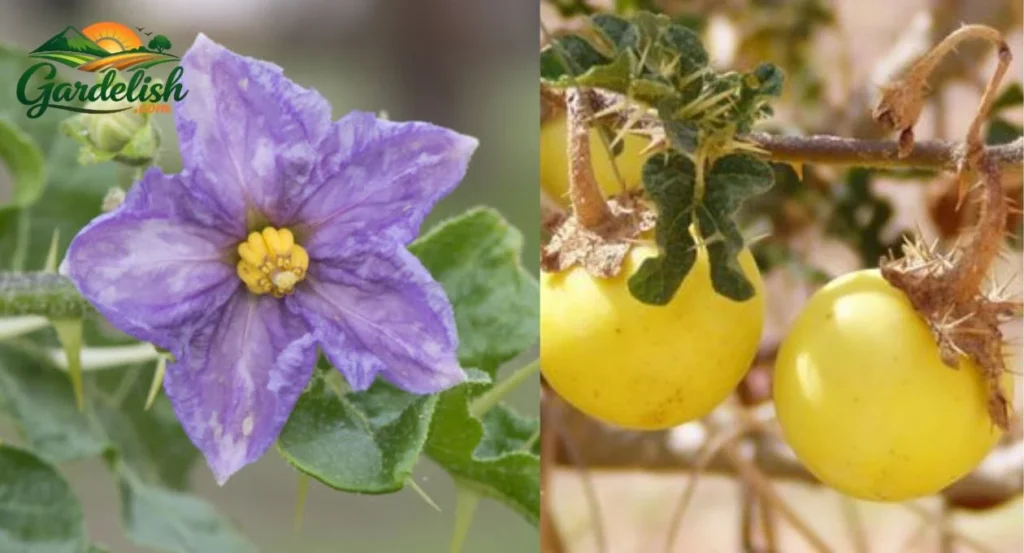
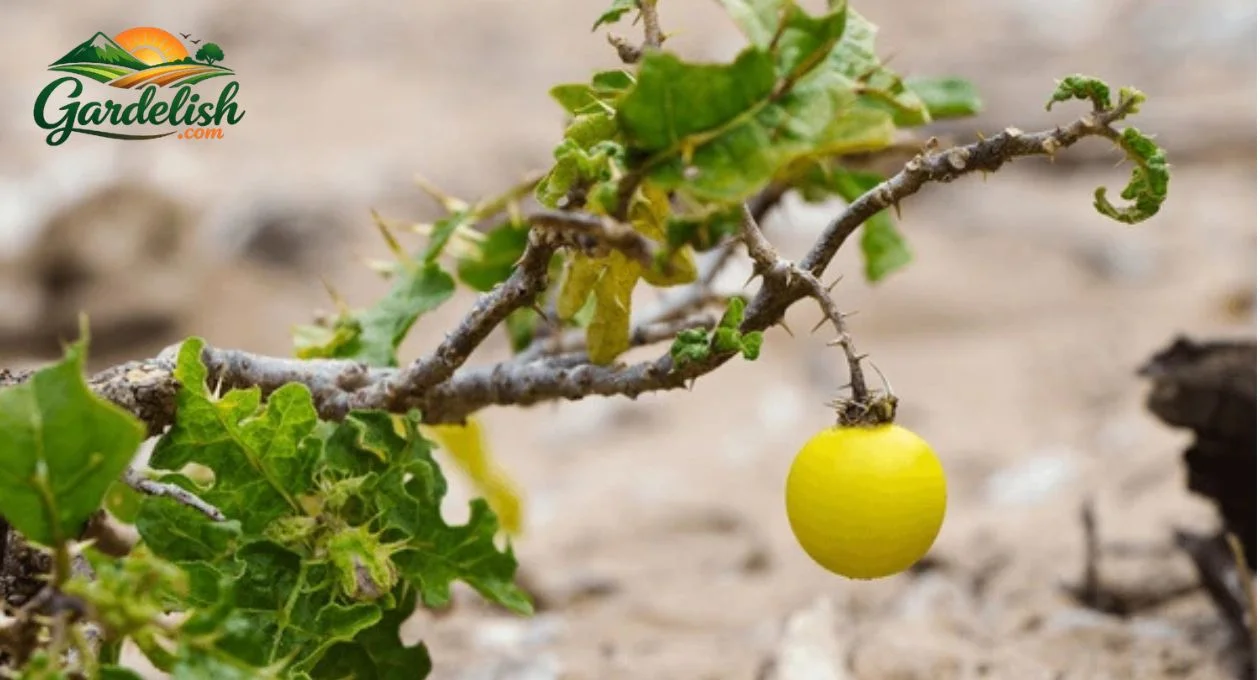
- Spiky seed pods: The fruit is round or egg-shaped and covered in sharp prickles.
- Trumpet-shaped flowers: Flowers are large, funnel-like, and often white, cream, or lightly purple.
- Broad leaves: Leaves are usually dark green, wide, and have wavy or toothed edges.
- Bushy growth: The plant often grows upright with branching stems.
- Strong odor: Crushed leaves or stems may give off an unpleasant smell.
The seed pods are one of the clearest signs. As they mature, they split open and release many seeds. This is one reason the plant can spread quickly if left unmanaged.
Where Devils Apple Grows
Devils Apple often appears in places where the soil has been disturbed. It does not always need careful planting or maintenance to grow.
Common locations include:
- Roadsides
- Empty lots
- Field edges
- Pastures
- Gardens
- Waste areas
- Crop margins
- Bare ground near bird feeders or compost areas
It usually prefers sunny conditions and can grow in different soil types. In warm weather, it may grow quickly and produce flowers and seed pods in a single season.
Is Devils Apple Poisonous?
Yes. Devils Apple is poisonous, and this is the most important point to understand.
The plant can contain toxic alkaloids, including atropine, hyoscyamine, and scopolamine. These compounds can affect the nervous system and may cause serious poisoning if the plant is eaten, smoked, brewed, or used without medical supervision.
Parts of the Plant That Are Dangerous
All parts of Devils Apple should be treated as unsafe, including:
- Seeds
- Leaves
- Flowers
- Stems
- Roots
- Seed pods
The seeds are often considered especially risky because they may contain concentrated toxins and can be accidentally spread or handled.
Possible Poisoning Symptoms
Poisoning can vary depending on the amount consumed, the part of the plant involved, and the person or animal exposed. Possible symptoms may include:
- Dry mouth
- Dilated pupils
- Fast heartbeat
- Confusion
- Agitation
- Hallucinations
- Fever
- Difficulty urinating
- Severe disorientation
If someone may have swallowed any part of Devils Apple, seek urgent medical help or contact a local poison center. Do not wait for symptoms to become severe.
Traditional Uses and Why Caution Is Needed
Devils Apple has a history in traditional medicine and ritual practices in different cultures. Some historical sources mention its use for pain, breathing problems, or spiritual purposes.
However, this does not mean the plant is safe for home use.
The difference between a harmful amount and a dangerous amount can be very small. Plant strength can also vary widely depending on growing conditions, age, and plant part. For this reason, Devils Apple should not be used in homemade remedies, teas, powders, smoking mixtures, or extracts.
Practical Advice
If you find Devils Apple growing near your home:
- Do not taste it.
- Do not let children play with the seed pods.
- Keep pets and livestock away.
- Do not use it as a herbal remedy.
- Do not compost seed pods if they are mature.
- Wear gloves when removing it.
Safe Handling Tips for Gardeners
If Devils Apple appears in your garden, you may decide to remove it, especially if children, pets, or grazing animals are nearby.
How to Remove Devils Apple Safely
Follow these steps:
- Wear gloves and long sleeves. This helps reduce skin contact with sap or plant parts.
- Remove young plants early. Small plants are easier to pull before they flower or form seeds.
- Dig out the root. Larger plants may have a strong root system.
- Bag seed pods carefully. Do not shake mature seed pods, as this can spread seeds.
- Dispose of it properly. Use local garden waste guidance, especially if seeds are present.
- Wash hands and tools. Clean anything that touched the plant.
Preventing Regrowth
Devils Apple spreads by seed, so prevention is mostly about stopping seed production.
Helpful steps include:
- Pull plants before seed pods mature.
- Cover bare soil with mulch.
- Keep garden beds full so seedlings have less space.
- Check disturbed soil after warm weather or rain.
- Monitor the same area for new seedlings the next season.
Ecological Role of Devils Apple
Although Devils Apple is toxic, it still has a place in nature. Its night-opening flowers can attract moths and other pollinators. In some areas, it grows as part of the natural cycle of disturbed ground.
That said, its ecological value does not remove the safety concern. In home gardens, farms, and areas used by children or animals, caution should come first.
Devils Apple vs. Similar Plants
Devils Apple may be confused with other plants that have large flowers or unusual seed pods. Some ornamental Datura and Brugmansia plants look similar, but they are not safe to handle casually either.
A simple rule is useful: if a plant has trumpet-shaped flowers and spiny seed pods, do not assume it is harmless. Get help from a local extension office, horticulturist, or plant identification expert before touching, removing, or keeping it.
FAQ About Devils Apple
1. What is Devils Apple?
Devils Apple is a common name often linked to thorn apple or Datura stramonium. It is known for its large trumpet-shaped flowers, broad leaves, and spiky seed pods.
2. Is Devils Apple safe to touch?
It is best to avoid direct handling. If you need to remove it, wear gloves, long sleeves, and wash your hands afterward. Never eat any part of the plant.
3. Can Devils Apple be used as medicine?
Devils Apple has a history in traditional practices, but it is not safe for home remedies. The plant contains powerful toxic compounds and should not be used without qualified medical oversight.
4. Where does Devils Apple usually grow?
It often grows in sunny, disturbed places such as roadsides, fields, pastures, gardens, waste areas, and open soil.
5. What should I do if my pet eats Devils Apple?
Contact a veterinarian or emergency animal poison service immediately. Bring a sample or photo of the plant if it is safe to do so, but do not delay getting help.
Conclusion
The Devils Apple is a striking plant with a memorable name, unusual seed pods, and a long history in folklore and traditional use. But it is also a poisonous plant that should be treated with caution.
For most people, the best approach is simple: learn how to identify it, keep children and animals away from it, avoid all internal use, and remove it safely if it appears in a risky location. Devils Apple may be fascinating, but respect and careful handling are essential.
Pineapple Shortage 2026: Reasons, Prices, and What Shoppers Should Know